REVIEW · LAKE DISTRICT
Brilliant White Water Rafting in the Lake District UK
Book on Viator →Operated by Lake District White Water Rafting · Bookable on Viator
White water is a fast lesson in teamwork. In the Lake District, you get hands-on coaching plus all your rafting gear, so you can spend your energy paddling instead of sorting kit. I also love that the local guide steers the day toward the best watersport stretches you might miss from shore.
There’s one catch to plan around: this trip needs good weather, and it’s non-refundable, so bring a flexible mindset and be ready for wet, cold conditions.
In This Review
- Key things I’d center in your planning
- Lake District rafting at Fell Foot: the vibe you’re signing up for
- Where you start and end (and why it matters)
- What’s included: the gear that removes most of your stress
- What’s not included (and what to plan for)
- A 4-hour flow on the water: how the day usually plays out
- 1) Arrival, meet-up, and quick setup
- 2) Suiting up: wetsuit and dry jacket
- 3) Safety gear and technique basics
- 4) Time on the water: guided rafting action
- 5) Back to the start and the post-rafting reality check
- Small group size: why max 14 is a big deal
- Pricing and value: what $131.71 buys you in real terms
- Weather dependence: the one planning variable you can’t ignore
- Who this is best for (and who should think twice)
- What to bring: the short list that makes a big difference
- How to book with confidence (based on how this one runs)
- Should you book Lake District White Water Rafting at Fell Foot?
Key things I’d center in your planning
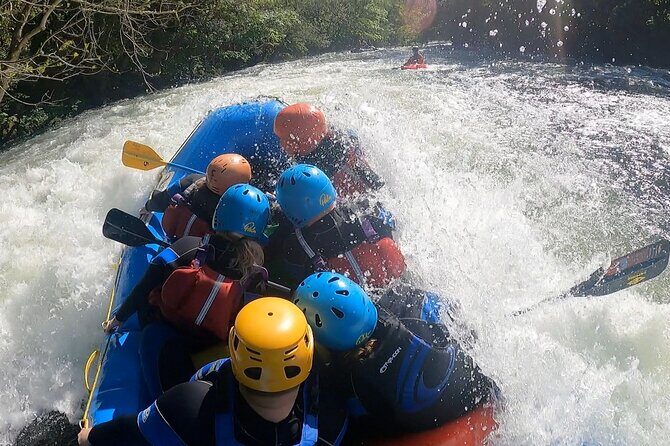
- All equipment is included, from wetsuit and dry jacket to buoyancy aid, helmet, paddle, and raft
- Small group size (max 14) helps you get real instruction, not just a quick safety talk
- Weather matters: if conditions are poor, you’ll be offered another date or a full refund
- Fell Foot meeting point makes it easy to anchor your day in the Lake District
- Bring old trainers: they get wet, and you’ll be happier with something you don’t mind sacrificing
- Guide-led fun with clear guidance, including jokes and practical tips from guides like James
Lake District rafting at Fell Foot: the vibe you’re signing up for
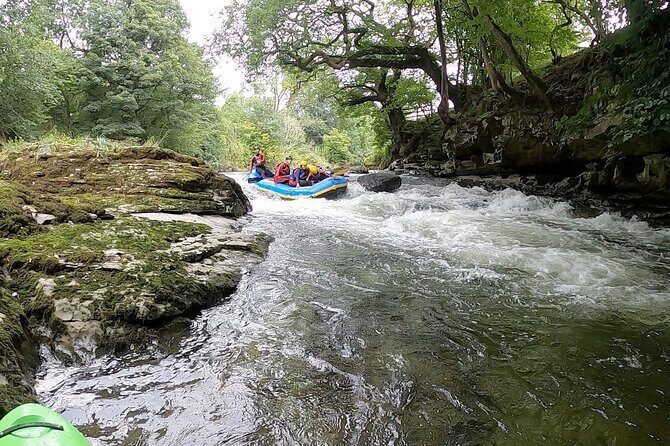
If you’re picturing Lake District adventures as postcard hikes, this is the curveball. White-water rafting here is loud, physical, and very hands-on. You’re not watching rapids from a viewpoint. You’re working with a team to move through them, while someone on the boat teaches you what to do.
The best part is how straightforward the experience is: you show up, you suit up, and you go. You don’t need to bring a full kit list like you would for a self-guided day. For $131.71 per person, the value is mostly in what’s included: wetsuit, dry jacket, helmet, buoyancy aid, paddles, raft, and the guide.
You should expect a day that runs on water time. Even if everything stays on schedule, it’s still about conditions. Good days feel confident and playful. Less-perfect days feel slower and more cautious. Either way, you’ll come away with that very specific kind of adrenaline that fades into laughter later.
You can also read our reviews of more tours and experiences in Lake District.
Where you start and end (and why it matters)
Your meeting point is National Trust – Fell Foot, Newby Bridge, Ulverston, LA12 8NN, UK. The good news: it’s also where the activity ends. That reduces friction if you’re pairing this with other Lake District plans, because you’re not committing to a complicated transport puzzle at the end of a wet, tired day.
It also means you can build your day around arriving there on time. Since the trip runs about 4 hours (approx.), you don’t need to clear your entire day. But you do want to avoid being late, because the point of the experience is to get on the water when everyone’s ready.
What’s included: the gear that removes most of your stress
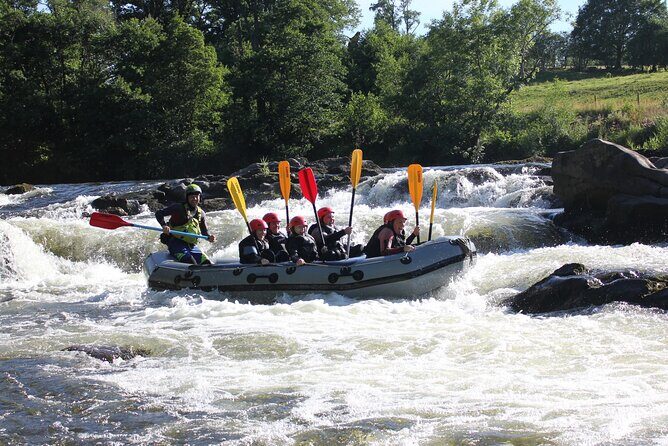
I love rafting days where the hardest part is showing up. Here, the provider supplies the key safety and comfort items:
- Wetsuit
- Dry jacket
- Buoyancy aid
- Helmet
- Paddles
- Raft
- Guide
That’s not just convenience. It also means the safety setup is standardized. You’re not guessing whether the buoyancy aid fits right or whether a borrowed helmet is appropriate. You’re using the right stuff for that day’s raft and conditions.
It also helps if you’re traveling light. Many visitors come with hiking shoes and a jacket. With this tour, your actual rafting kit is handled, so you can focus on what to wear and what to bring that isn’t already covered.
What’s not included (and what to plan for)
They do not include shoes with laces and tread, swimwear (to go under your wetsuit), or a towel.
Here’s the practical takeaway. Wear the right base layer, because the wetsuit is going to be snug and close to your skin. If you skip swimwear under it, you’ll be uncomfortable and possibly not dressed the way the wetsuit is meant to sit. If you forget a towel, you’ll have to get creative afterward.
And for shoes: skip anything with laces and tread, since they explicitly don’t provide that. This is where you should take the hint from the experience itself. One of the best bits of advice from the guides’ crowd is simple: bring old trainers. They get wet. That’s the point. Old trainers handle it better than your good shoes.
A 4-hour flow on the water: how the day usually plays out
You’re booking a short outing by rafting standards, about 4 hours in total. That length is a sweet spot. Long enough to learn the basics, get real time on the water, and feel like you did something substantial. Short enough to still make it a fun day, not an all-day ordeal.
Because the details of every minute aren’t spelled out, I’ll describe the logical flow you should expect from an operator that includes both equipment and a guide.
1) Arrival, meet-up, and quick setup
You’ll meet at National Trust – Fell Foot and then get oriented before anyone heads out. With a max group size of 14, you typically get to listen and react without feeling lost in a big crowd.
This part is about safety basics and making sure you’re correctly kitted. It’s also where you’ll want to pay attention, because small instructions matter once you’re in the raft.
2) Suiting up: wetsuit and dry jacket
Next comes the real prep: wetsuit and dry jacket. This is where your comfort is decided. The wetsuit is your barrier against cold water. The dry jacket helps with staying comfortable during wet, windy moments.
If you’re someone who runs cold, plan your under-layer smartly. Since swimwear under the wetsuit isn’t included, bring what works for you. You might find it simpler to come in ready to change quickly, rather than relying on finding somewhere to do everything from scratch.
3) Safety gear and technique basics
Then it’s helmet, buoyancy aid, and paddles. This is when you learn the commands that keep the raft moving as one unit. Even if you’ve rafted before, having a guide’s reminders helps you sync with the boat.
The best guide moments aren’t just about rules. They’re about making the basics feel doable. In this experience, the tone is often described as fun and intentional, with guides like James bringing humor and clear guidance. That matters because confidence usually turns into better paddling and less panic.
4) Time on the water: guided rafting action
Once you’re afloat, you’ll be paddling as a team through water conditions that are meant for white water. You’ll get that hands-on feeling right away because you’re actively doing the work, not passively riding.
The highlights promise “the best watersport spots you’d otherwise miss.” Translation: the guide is choosing where to run the experience so you get a good mix of action and learning moments, rather than just going wherever is convenient.
5) Back to the start and the post-rafting reality check
Finally, you return back to the meeting point. After that, you’ll be wet. That’s normal. Bring your towel, because drying off comfortably helps your whole day feel successful, not just survivable.
Also, remember the swimwear and towel aren’t included. If you plan for that now, you avoid the awkward end-of-activity scrambling later.
Small group size: why max 14 is a big deal
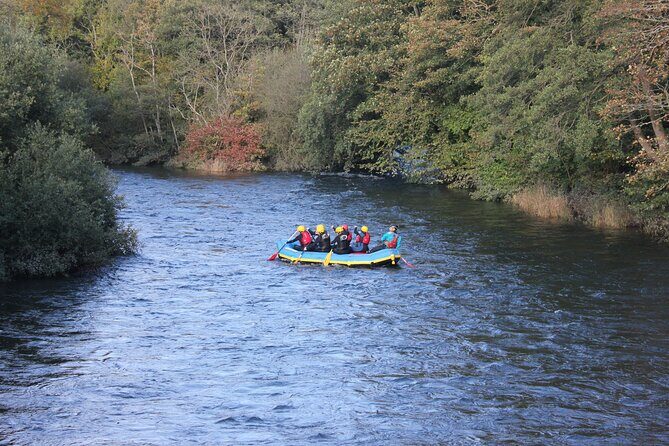
This tour caps out at 14 travelers. That’s not a random number. It matters because rafting is partly physical, and partly communication.
In a smaller group:
- you can hear instructions more clearly
- you’re less likely to feel like you’re being rushed
- you get more attention if you’re unsure about paddling position
And you’ll appreciate that if you’re new to white water. Even if you’re not, a guide can correct tiny things that make a big difference when the raft is moving fast.
Pricing and value: what $131.71 buys you in real terms
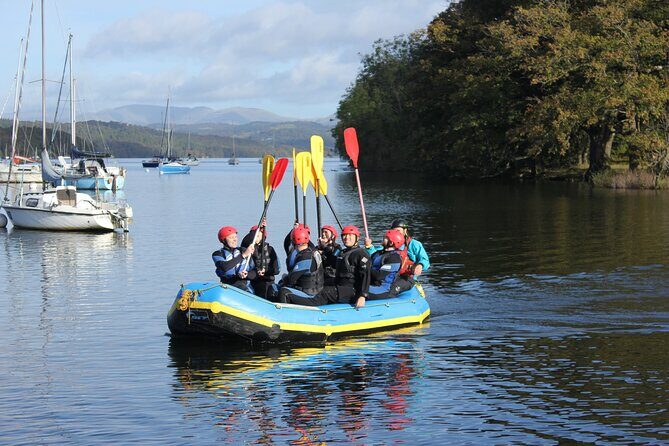
Let’s talk about money in a way that actually helps. $131.71 per person sounds either high or reasonable depending on what you’d otherwise need to pay for yourself.
Here, the value is strongly tied to the included equipment:
- wetsuit + dry jacket (usually not cheap if you have to rent them)
- helmet + buoyancy aid (safety-critical)
- paddles + raft (the core of the activity)
- guide (instruction and risk management)
If you were to DIY rafting, you’d spend time and money piecing together equipment, finding local run guidance, and figuring out safety. This tour bundles that into one price and keeps it simpler.
The other value is time. With about 4 hours total, you can fit it into a Lake District itinerary without needing a full day devoted only to logistics.
Just weigh one less-fun part: the experience is non-refundable and cannot be changed if you cancel for personal reasons. Weather can change things, but your own cancellation is on you. If you’re the type who hates uncertainty, that’s the risk side of the value coin.
Weather dependence: the one planning variable you can’t ignore
This experience requires good weather. If it’s canceled due to poor weather, you’ll be offered a different date or a full refund.
So the best move is to book with realistic timing and avoid stacking this trip against other tight plans the moment the confirmation is made. The Lake District can be dramatic on short notice. Even when the clouds roll in, the operator is trying to keep you safe and able to run the experience.
Also note: it requires a minimum number of travelers. If the minimum isn’t met, you’ll be offered a different date/experience or a full refund. In other words, the company’s not guessing—if conditions for operation aren’t right, they don’t run it.
Who this is best for (and who should think twice)
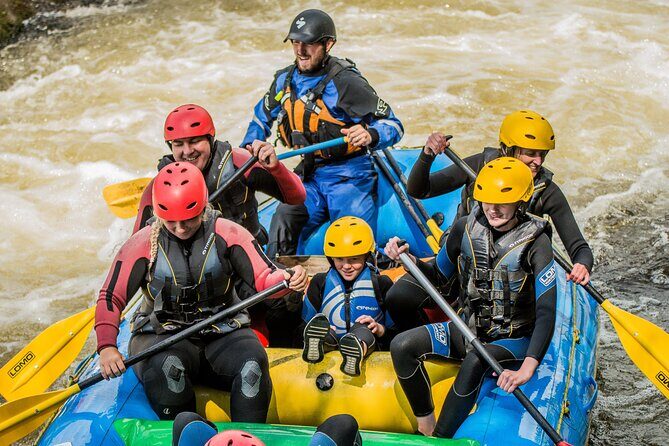
This rafting trip says most travelers can participate, and the marketing tone covers both family fun and wild adventure. That usually means the operator is set up for a range of comfort levels as long as you can follow instructions and handle getting wet.
You’ll likely enjoy it if:
- you want action and physical activity, not just a viewpoint day
- you’re okay getting wet and staying a bit cold
- you like being guided, especially if you’re new to rafting
- you value included gear and a safety-first approach
You should think twice if:
- you hate weather uncertainty and won’t be able to commit to the scheduled date
- you don’t want the post-activity wet kit routine (towel and swimwear help a lot here)
- you’re expecting a calm, floaty experience only (this is white water)
What to bring: the short list that makes a big difference
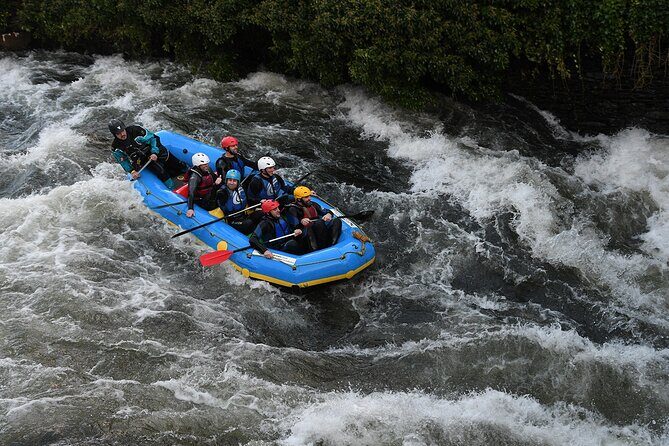
Since swimwear and a towel aren’t included, and shoe guidance is specific, pack with that in mind. Use this as your practical checklist:
- Swimwear to wear under the wetsuit
- A towel (not included)
- Shoes that work for the water and don’t rely on laces and tread
- Old trainers if you have them (and you don’t mind they get wet)
If you’re tempted to bring brand-new shoes: don’t. Rafting turns footwear into souvenirs you didn’t ask for.
If you’re traveling with just daypack gear, remember that you’re also showing up to a wet activity. Plan on something easy to rinse, dry, and stash afterward.
How to book with confidence (based on how this one runs)
On average, this activity is booked 8 days in advance, which tells you two things. People plan ahead for a Lake District day with limited time. And it’s not so last-minute that you can always grab a slot.
It also has a small cap of 14 travelers, so booking earlier can reduce the chance of missing your preferred day.
You’ll receive a mobile ticket, and the experience is offered in English. That’s helpful if you’re traveling from elsewhere in the UK or abroad and want straightforward communication.
Should you book Lake District White Water Rafting at Fell Foot?
I’d book it if you want a true Lake District water adventure that’s built around included gear and guided instruction. The math works out because you’re paying for a full safety setup and a guide, not just access to a river. The small group size is a real quality factor. And the tone from the guide side, including guides like James, points to a day that’s fun and clear, not chaotic.
Skip or rethink if you can’t handle weather-related uncertainty, because the experience requires good conditions and personal cancellations are non-refundable. Also make sure you pack swimwear and a towel, and plan on old trainers doing their job as disposable water footwear.
If you want a short, energetic day on the water with coaching and proper kit, this is a strong choice.