REVIEW · LONDON
National Gallery of London Museum Tour Semi-Private 8ppl Max
Book on Viator →Operated by Babylon Tours London · Bookable on Viator
The National Gallery can feel like a maze. This semi-private tour turns the museum into a clear, story-driven walk through painting styles and eras. You’ll start at the Sainsbury Wing entrance by Trafalgar Square, then move through must-see works with an expert guide who explains what you’re actually looking at.
What I like most is the small-group size (max 8). That keeps the pace sane, and it’s easier to hear the guide and ask questions. I also like the way the tour uses a chronological approach, linking artists and techniques from early painting through the late Impressionists, so individual masterpieces like The Arnolfini Portrait and Sunflowers land with context.
One thing to consider: this tour isn’t set up for everyone. It isn’t available for wheelchair users or guests with walking disabilities, and it does include museum walking in a 2.5-hour window.
In This Review
- Key points at a glance
- Why the National Gallery tour works better with a guide
- Meeting at Trafalgar Square: the logistics that make or break the start
- A smart route through painting history, from the 1300s to the late Impressionists
- The one big stop: what you should expect inside the National Gallery
- Getting oriented before the highlights
- Seeing masterpieces through technique, not just subject matter
- The famous works you should be ready to meet
- When the guide matters: what I learned from the guide styles
- After the tour: how to use your extra time in the right way
- Price and value: is $108.49 a good deal in London?
- Who this National Gallery tour fits best (and who might skip it)
- Should you book this National Gallery semi-private tour?
- FAQ
- Where do I meet for the tour?
- How long is the National Gallery semi-private tour?
- What group size should I expect?
- Is the tour in English?
- Is museum admission included?
- Do I need hotel pickup or drop-off?
- Are gratuities included?
- Are temporary exhibitions included?
- Is this tour wheelchair accessible?
Key points at a glance
- Max 8 guests keeps the experience focused and conversation possible
- Stories behind the paintings help you spot details you’d miss alone
- Chronological art path covers a wide stretch from the 1300s to the 1900s
- Masterworks include van Eyck, Rembrandt, Monet, Van Gogh, and more
- No large bags inside means you travel light for easier security lines
Why the National Gallery tour works better with a guide
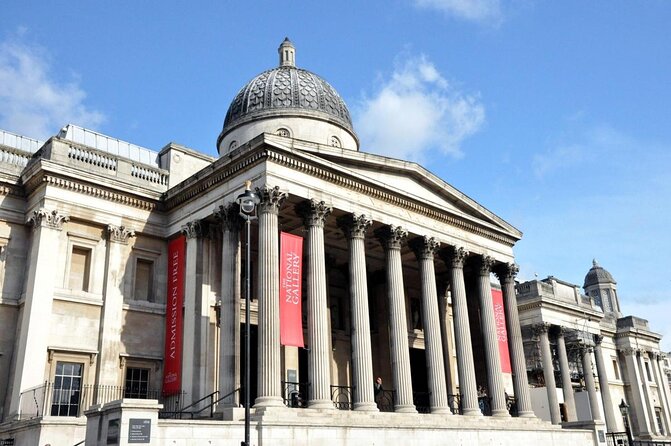
The National Gallery is big enough to overwhelm your attention span. Even if you love art, it’s easy to bounce from painting to painting with zero thread connecting them. This tour helps you hold the whole museum in your head by giving you a route with a clear purpose.
The most practical win is that you’re not doing the guesswork of what matters most. Your guide aims you at highlights like The Arnolfini Portrait and Sunflowers, but the real value is the explanation that follows: why the artist painted it that way, what changed in art over time, and what specific details mean.
And because the group is capped at eight, it doesn’t feel like you’re stuck at the back watching other people get the best view. Guides from this operation have a track record of staying organized, keeping everyone in the loop, and answering questions as you go. Names you might see assigned in the guide lineup include Stephanie, Becky, Alex, Luis, Laurence, Matilda, Jake, and Ellie, and the common thread in their style is strong explanation tied to what you’re seeing in front of you.
You can also read our reviews of more tours and experiences in London.



Meeting at Trafalgar Square: the logistics that make or break the start
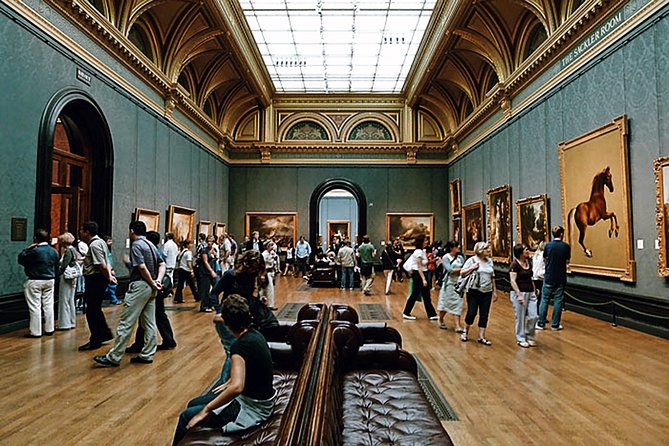
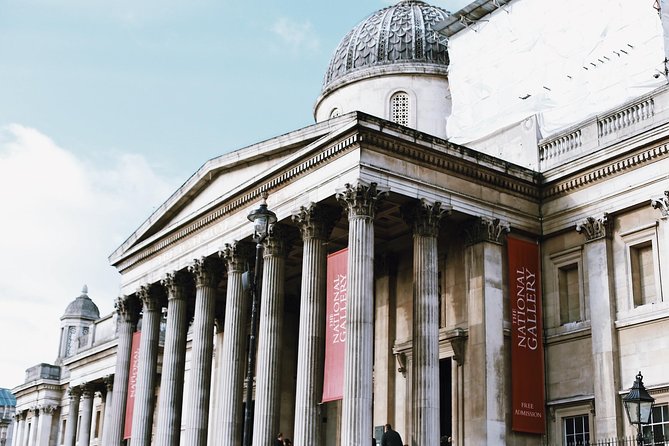
You meet at the National Gallery area on Trafalgar Square (WC2N 5DN). The tour starts at the Sainsbury Wing entrance, which is a good landmark if you’re arriving by tube. This is one of those meeting points that’s easy to navigate, even on a busy day.
Plan for security. The museum’s rules include no large bags or suitcases inside—only handbags or small thin bag packs through security. That matters because London museums can have lines, and you don’t want to lose time to baggage sorting.
The tour also calls for a moderate physical fitness level. You’ll be moving through the museum for roughly 2 hours 30 minutes, and the experience is designed as a guided route, not a sit-and-read museum drift. If you’re deciding between this and a self-guided visit, be honest about how much walking you’re comfortable with.
One more smart practical note: this tour requires a mobile phone number (with country code). That’s usually for last-minute contact or ticket communication, and it’s easier if you’re ready before you arrive.
A smart route through painting history, from the 1300s to the late Impressionists
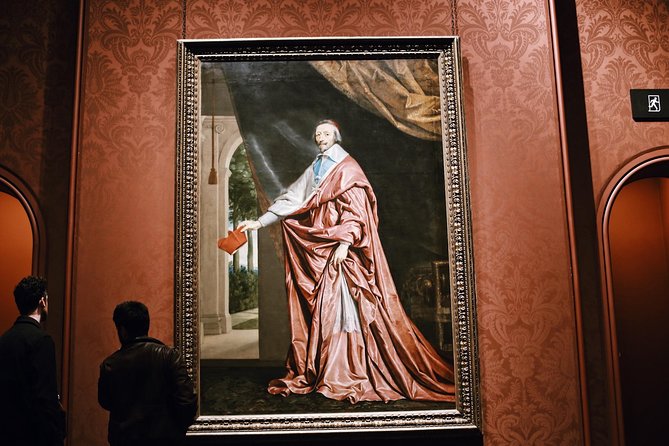
Your guide doesn’t treat the National Gallery like a random list of famous names. They build a story across centuries, which is exactly what you need when a museum holds more than 2,300 paintings. The gallery spans a huge timeline, from the 1300s through the 1900s, so a structured route gives your eyes something to compare.
As the tour goes, you’ll move through major schools and shifts in technique. One common theme in the guides’ approach (and it shows up across the guide styles that have led this tour) is explaining how painting evolved: the way artists built depth, used color, handled light and shadow, and created convincing scenes. The goal isn’t to turn you into an art historian. It’s to get you thinking like an observer.
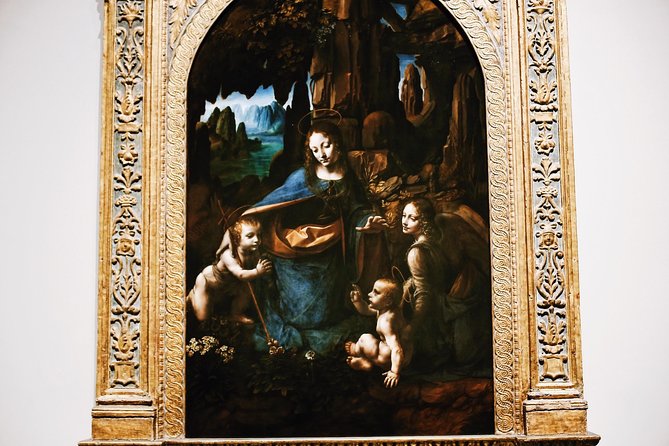
You may hear references to major figures you’ve likely come across before—examples mentioned include Seurat and da Vinci—but the point is to connect big-name reputation with concrete visual choices. Instead of just saying the artist is important, the guide helps you see what makes them important.
The tour’s highlights often include artists such as van Eyck, Rembrandt, Monet, Vermeer, Botticelli, and more, plus later stars like Van Gogh. For me, this mix is the sweet spot: it covers the famous works people come to see, but it also gives you enough surrounding context to understand why those works mattered when they were made.
The one big stop: what you should expect inside the National Gallery
This tour is focused. It’s essentially one museum stop, and that’s a good thing. For a place like the National Gallery, where everything is within walking distance of everything else, extra hopping would just dilute attention.
Getting oriented before the highlights
At the start, you’ll get a brief overview of the museum’s history and what kind of collection you’re walking into. That matters because the National Gallery isn’t just “a museum of famous paintings.” It’s a curated sweep of how European painting developed over centuries. Once you understand the broad arc, the artwork feels less like isolated frames and more like chapters.






Seeing masterpieces through technique, not just subject matter
As you walk, your guide leads you past the crowds toward key works. You get commentary that helps you notice details you’d normally miss on your own. Examples of what this means in practice:
- If a painting looks “real,” the guide can point out how light, texture, and perspective are handled.
- If the style feels surprising, you can learn what was new about it at the time.
- If you’re familiar with the artist’s reputation, you can compare that reputation to actual choices in the painting.
Guides often emphasize how to “read” a painting: color relationships, compositional structure, and the visual logic behind what you see. One review mentioned attention to things like shadows, colors, and how viewers mentally complete what the artist implies. That kind of guidance changes how long you’ll linger in front of a work.
The famous works you should be ready to meet
The tour description specifically calls out the range of famous highlights you’ll likely see, including:
- Jan van Eyck’s The Arnolfini Portrait
- Van Gogh’s Sunflowers
It also frames the overall sweep as covering masterpieces by a long list of giants, with the tour designed to give you enough information to appreciate the collection without feeling lost.
When the guide matters: what I learned from the guide styles
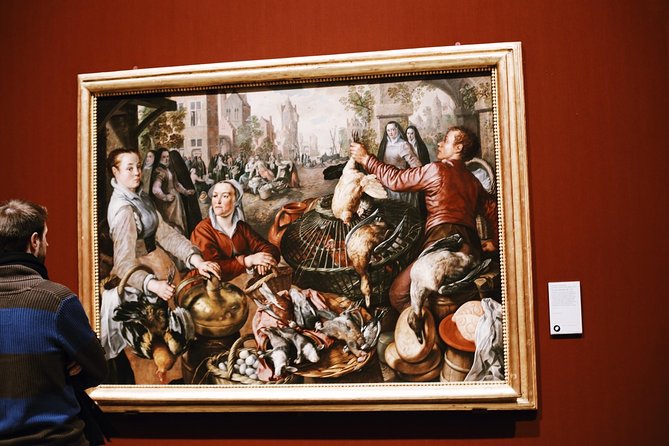
In a small-group art tour, the guide is not a side character. They’re the translator between what you think you see and what you actually see.
The best-rated experiences share a few traits:
- The guide explains the progression of painting styles clearly, often using a chronological structure.
- They stop in front of key exhibits often enough that you don’t feel rushed.
- They encourage questions and handle them without making you feel silly.
- They connect art to bigger shifts in how people understood the world at that time.
Stephanie is named in multiple five-star comments for strong art-historical explanations and enthusiasm. Becky shows up for clear, engaging explanations (including specific attention to major artists people ask about). Alex and Luis are praised for organization and insight, including ways of interpreting visual details. Laurence and Matilda also appear in reviews for navigating the collection smoothly and keeping the experience engaging.
There’s a helpful counterpoint too: one lower rating points out that a guide can lean more toward group interaction and feelings than hard historical facts. The lesson for you is simple: if your dream is strict facts and lots of art-history detail on every stop, ask yourself how you like your tours. Some people love discussion and reactions; others want a more lecture-style approach.
After the tour: how to use your extra time in the right way
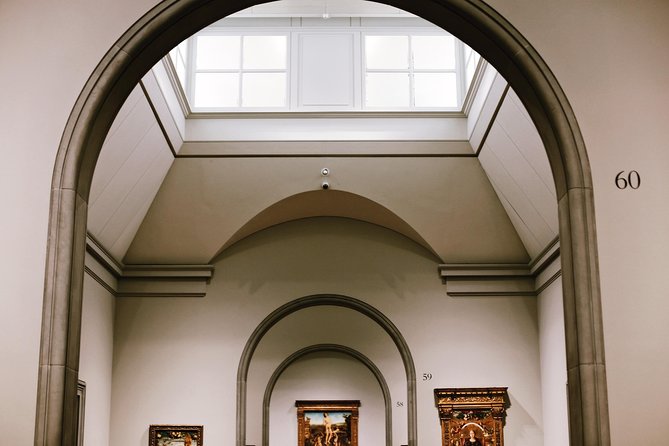
One big advantage of a guided highlight tour is that it saves your energy for deeper looking afterward. When the 2.5 hours end, you’re encouraged to stay and browse works your guide recommends at your own pace.
Here’s how you can make that time count:
- Pick one or two artists you heard discussed most clearly, then follow up on their other paintings.
- Return to a work you already saw and look again with the guide’s points in mind. You’ll often notice details on the second pass because your brain now has a checklist.
- If you’re the type who likes photos, focus on capturing one painting per “theme” you learned, so you can remember what the guide said.
This is also when you can avoid the common museum problem: seeing everything quickly and remembering almost nothing. The tour helps you slow down at the right moments.
Price and value: is $108.49 a good deal in London?
At $108.49 per person for about 2 hours 30 minutes, you’re paying for guided time in one of London’s most crowded, attention-hungry museums. That can sound steep until you break down what you’re buying.
You get:
- A semi-private group with a cap of 8 guests
- A professional guide
- A structured tour path that covers major eras and highlights
- The tour includes an admission note that says admission ticket is free (meaning your cost is mainly for the guide experience rather than museum entry)
For many people, the value comes from replacing guesswork with interpretation. If you only have a limited time window in London and you want the National Gallery to “click,” this format is a reasonable way to get there without spending the entire day wandering.
That said, your best value depends on your goal. If you’re an experienced museum visitor who loves planning a self-made route and reading labels, you might be able to do this cheaper on your own. If you’re newer to art or overwhelmed by how much the museum holds, the guide’s explanation can make the entire visit feel more rewarding.
Who this National Gallery tour fits best (and who might skip it)
This tour fits you well if:
- You want a guided route that covers a wide span of art history without turning into a marathon.
- You like asking questions and getting answers in front of the actual painting.
- You want the best-known works, plus the reasoning behind them.
- You prefer small groups over large bus-style crowds.
It may not fit you if:
- You use a wheelchair or have walking limits that make a moderate walking tour difficult.
- You need completely quiet, solo-style museum time. Some parts of the museum can have rules about speaking, and your guide will brief you before quiet or restricted areas.
- You’re traveling with big luggage or rely on large bags. The museum security rules limit what you can bring inside.
Should you book this National Gallery semi-private tour?
I’d book this if you want your National Gallery visit to feel guided and understandable, not just crowded and famous. The strongest signal is the consistency in guide performance: clear explanation, good pacing, and the ability to make the collection feel like a connected story. If you’re the kind of person who wants to look at one painting and understand what’s really going on, this small-group format is a smart use of your time.
Skip it or switch tactics if your top priority is maximum independence, minimal walking, or strict accessibility needs that this tour doesn’t meet. Also, if you dislike interactive group commentary and only want straight art-history facts, be aware that tour style can vary by guide.
If you book, arrive with your expectations set: this is a highlight-and-context tour. Then you’ll have a better museum day afterward when you stay and explore at your own pace.
FAQ
Where do I meet for the tour?
You meet at the National Gallery area on Trafalgar Square, London WC2N 5DN, UK. The meeting point is at the Sainsbury Wing entrance of the National Gallery.
How long is the National Gallery semi-private tour?
The tour runs for about 2 hours 30 minutes.
What group size should I expect?
It’s a semi-private tour with a maximum of 8 guests.
Is the tour in English?
Yes, the tour is offered in English.
Is museum admission included?
The tour details state admission ticket is free, so you’re paying mainly for the guided experience rather than separate entry.
Do I need hotel pickup or drop-off?
No. Hotel pickup and drop-off aren’t included. You’ll need to get yourself to the meeting point, and the tour recommends using Uber or taxi.
Are gratuities included?
No. Gratuities are not included.
Are temporary exhibitions included?
No. Temporary exhibitions are not included in this tour.
Is this tour wheelchair accessible?
No. It’s not available for those with walking disabilities or for wheelchair users.
If you tell me your travel dates and whether you’re more into Renaissance, Impressionism, or a specific artist, I can suggest how to spend your extra free time inside the gallery after the tour.