REVIEW · SOUTH EAST ENGLAND
3 Hour Chocolate Making Experience in The Mayford business centre
Book on Viator →Operated by The Chocolate School · Bookable on Viator
Chocolate makes people happy fast. This small-group workshop in Woking turns that happy feeling into real skills—ganache, tempering, and piping—so you leave with sweets you made yourself. You’ll work in a proper kitchen setting, learn the logic behind why chocolate behaves the way it does, and then package your creations to take home.
Two things I really like: you don’t just watch. You actively make a batch of truffles and filled chocolates, roughly 10 truffles plus 24 filled pieces, with guidance throughout. And the teaching style feels friendly and practical—Karen’s the main teacher, with Deborah assisting—so questions don’t feel like an interruption.
One thing to consider: this is a hands-on workshop, and it’s built around timing. If you’re the type who hates schedules or you want a slow, casual browse, you might find the pace a bit structured.
In This Review
- Key highlights you’ll feel right away
- Where the chocolate workshop happens in Mayford
- Your chocolate roadmap: what you’ll make in 3 hours
- Step 1: ganache—learning the base that everything depends on
- Step 2: pipe the ganache into molds
- Step 3: tempering—why your chocolate looks and feels better
- Step 4: coat and decorate your truffles
- Step 5: demold filled chocolates and do fine piping
- Step 6: package your chocolates like a real gift
- What makes the teaching style work (Karen and Deborah)
- Tempering and piping: the skills that give you value beyond sweets
- Tempering: the skill you can use again
- Piping: learning control, not just decoration
- The kitchen tools and why they matter
- Timing and choosing a session that fits your day
- Price and value: is $131.50 per person worth it?
- Who this chocolate workshop is best for
- Quick practical tips before you go
- Should you book The Chocolate School in Mayford?
- FAQ
- FAQ
- How long is the chocolate making experience?
- How many people are in the group?
- What chocolates will I make during the workshop?
- Will I get to decorate the chocolates?
- Does the workshop include anything to drink?
- Where does the class meet?
- What is the cancellation/change policy?
Key highlights you’ll feel right away
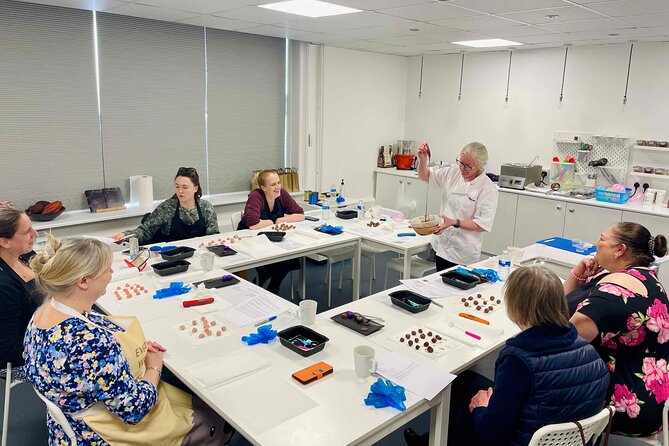
- Tempering practice: you’ll learn how to temper chocolate and use it to coat truffles for a better finish
- Piping from start to finish: ganache into molds, then final piping once chocolates set
- Take-home payoff: expect about 10 truffles and 24 filled chocolates plus gift-ready packaging
- Small-group attention: a capped group (max 8 travelers), so you get real help at each step
- Professional tools in a real kitchen: you use equipment designed for this kind of work
Where the chocolate workshop happens in Mayford
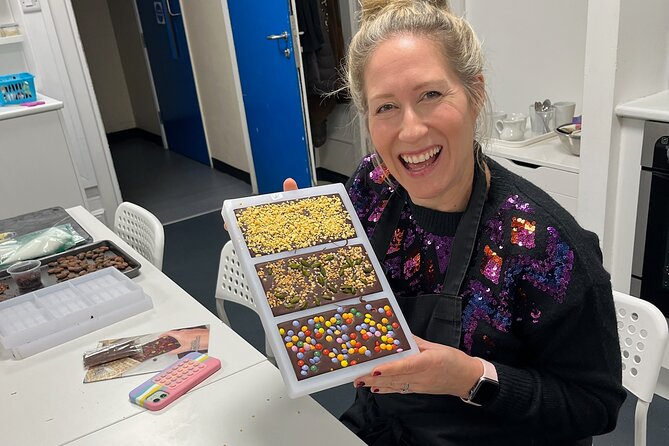
The Chocolate School runs this 3-hour chocolate-making experience at the Mayford Centre in Mayford, Woking (Mayford Grn, GU22 0PP). The setup matters because it’s not a demo in a corner. It’s a practical cooking space where you can actually work with molds, piping, and chocolate at the right temperature.
If you’re coming from London, it’s described as an easy trip from London Waterloo, which is exactly what you want for a half-day plan. After the workshop, you head back to the meeting point with your finished chocolates packed up.
One of the best parts for me is that the experience fits cleanly into an afternoon. Sessions are listed for Saturdays and Sundays, with time slots like 10:30 AM–1:30 PM and 2:30 PM–5:30 PM. That structure makes it simple to plan around lunch or a later dinner.
You can also read our reviews of more tours and experiences in South East England.



Your chocolate roadmap: what you’ll make in 3 hours
This workshop isn’t a single candy trick. It’s a full mini-course that walks you through the main building blocks of confectionery at an approachable pace.
Here’s what you’ll produce:
- Truffles: about 10 to take home
- Filled chocolates: about 24 pieces, plus a chance to decorate them
- Gift presentation: you’ll package everything in boxes before you leave
- A hot drink: included, so you’re not working on empty nerves
Step 1: ganache—learning the base that everything depends on
You start with ganache: you’ll make it and add flavor. This is more than mixing. You’re learning how ganache behaves and how it sets, which is why it works so well for filled chocolates. The key point is that ganache is your interior, your “center,” so if you get this part right, the rest of the chocolate-making feels easier.
Step 2: pipe the ganache into molds
Next comes the hands-on part. You’ll pipe the ganache into chocolate molds. This is where you learn practical control—how to fill evenly, how not to trap air, and how to work steadily without rushing.
After the first fill sets, you’ll seal the molds with chocolate on top. That sealing layer is important. It turns fragile filling into a proper filled chocolate you can demold and decorate.
Step 3: tempering—why your chocolate looks and feels better
Then you move to tempering. You’ll learn how to temper chocolate and use that tempered chocolate to coat your truffles. Tempering is one of those topics that sounds technical until you do it. Once you practice, you understand what “tempered” changes: the finish, the snap, and the overall stability.






Step 4: coat and decorate your truffles
You’ll roll the truffles in an outer decoration of your choice. This is a fun step because it lets you personalize. You can aim for something classic or something more playful, and you still get the benefit of the coating process you just learned.
Step 5: demold filled chocolates and do fine piping
When the filled chocolates have set, you demold them. Then you decorate them using fine piping skills. This is where the workshop shows its value as a “skills” experience rather than just a food event. Piping takes practice, so having instruction (and help) really helps you end with pieces that look intentional, not accidental.
Step 6: package your chocolates like a real gift
Finally, you’ll pack your chocolates into gift presentation boxes. It’s a small detail, but it’s also the point. You’re not leaving with loose sweets in a bag. You leave with something you can actually hand to someone—or keep, if you’re sensible enough to share.
What makes the teaching style work (Karen and Deborah)
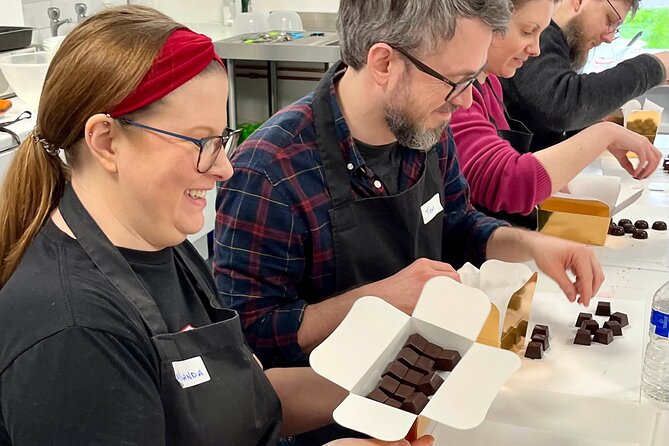
The workshop has a small-group format capped at a low number of travelers, and it shows. In a big class, you can spend the whole time waiting for someone to notice your question. Here, the guidance stays close, which helps you get unstuck quickly.
Karen is the main teacher, and Deborah provides assistance. That matters because chocolate-making is full of tiny cause-and-effect moments. If your ganache feels a little off, or your piping tip clogs, or you’re unsure about a step, you don’t want to troubleshoot alone. Having two people helping you during the key parts means you spend more time working and less time worrying.
The reviews also hint at the vibe: warm welcome, lots of laughs, and a mix of facts plus practical tuition. That combination is exactly what you want for a chocolate workshop. You get to learn the “why” but you still leave with a real output you can taste immediately.
Tempering and piping: the skills that give you value beyond sweets
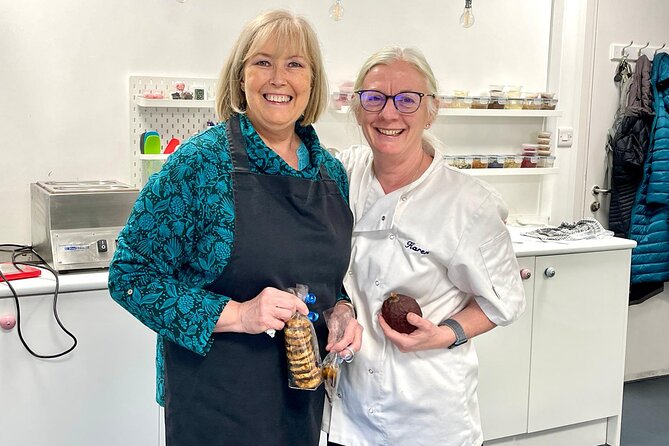
People love chocolate workshops because, well, chocolate. But this one earns its keep because you’re practicing technique, not just assembling.
Tempering: the skill you can use again
Tempering is the one step most home makers struggle with because it’s easy to skip and harder to get right by guessing. Here, you learn the process and then apply it directly by coating truffles. That means when you try again later, you’re not starting from zero—you’ve already seen what the process looks like in a real workshop.
Piping: learning control, not just decoration
Piping can look like decoration until you do it. Then you realize it’s about consistency. How you squeeze, how you guide the tip, and how quickly you move all affect the final look.
In this workshop, you pipe ganache into molds and then later pipe on top for decoration. You’re practicing two different piping goals—filling and finishing—so your hands get more training than you’d expect in a short class.
The kitchen tools and why they matter
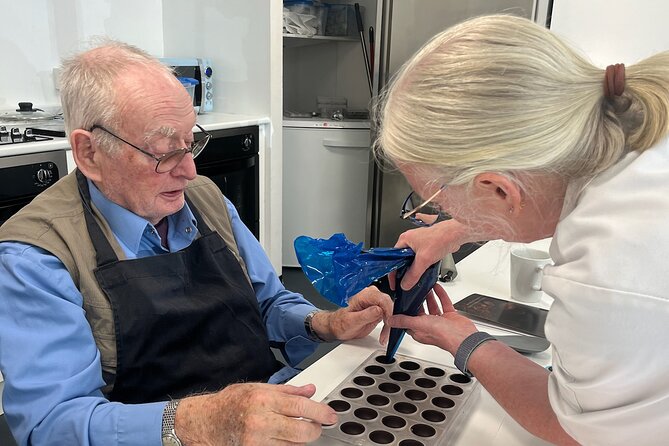
One of the smart parts of this experience is that you use professional-style tools and equipment. That matters because chocolate is temperamental. If you’re using the right tools, you can focus on technique rather than fighting your setup.
Also, molds and piping tools have a big impact on how the final chocolates look. When the course provides the correct equipment, you’re more likely to end with neatly filled pieces and a satisfying coating on the truffles.
Timing and choosing a session that fits your day
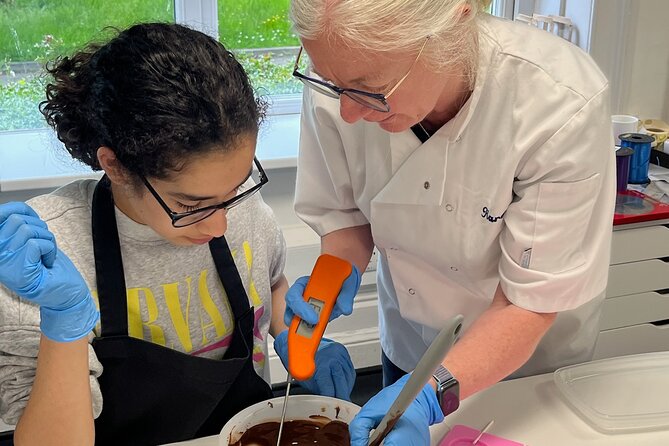
The workshop runs about 3 hours. On weekends, listed hours include:
- 10:30 AM to 1:30 PM
- 2:30 PM to 5:30 PM
So you can plan this as either a late lunch plan or an early dinner sweet-treat moment.
My practical suggestion: pick a slot that won’t leave you rushing. Even though it’s only 3 hours, the steps involve set time (like when molds set and truffles coat). If your next plan depends on you getting out at the exact minute, you may want buffer time afterward.
Price and value: is $131.50 per person worth it?
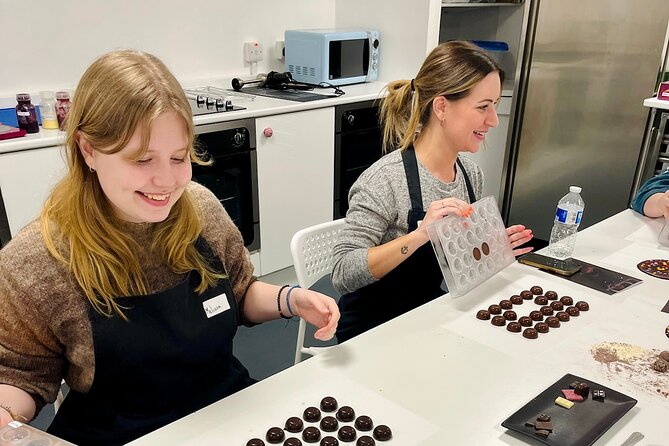
At $131.50 per person, this isn’t a “cheap afternoon” activity. But the price starts to make sense once you look at what’s included and what you actually leave with.
You get:
- Instruction through core chocolate techniques (ganache, filling, tempering, and piping)
- Professional tools and a proper working space
- A hot drink
- A substantial take-home amount—about 10 truffles and 24 filled chocolates
- Gift-ready packaging
For me, the value comes from the mix: you’re paying for time plus expertise plus materials plus the equipment setup. If you tried to recreate this at home, you’d spend money on ingredients, molds, proper chocolate handling, and all the trial-and-error. Even if you don’t become a home candy maker overnight, you’ll walk away with techniques you can repeat with better results.
And because it’s a small group, you’re more likely to actually get help when you need it. That’s part of what you’re buying.
Who this chocolate workshop is best for
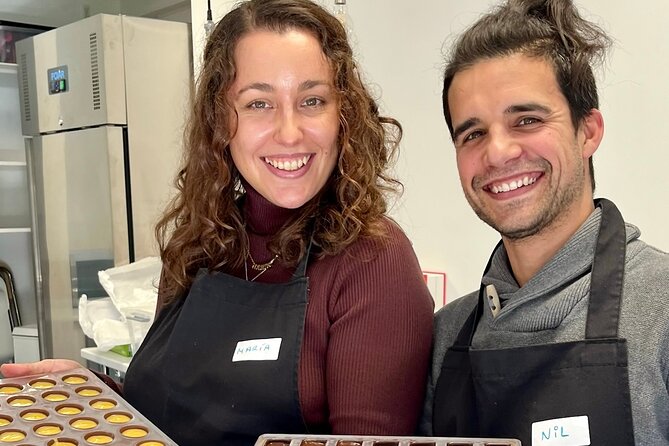
This is a strong fit if you want something practical, social, and delicious.
It’s especially good for:
- Chocolate lovers who want to learn, not just eat
- People who like making gifts (because you package everything)
- Friends or couples who want a shared activity that feels special
If you’re a complete beginner, you’re fine. This workshop is structured so you learn step-by-step, with support on the hands-on parts. If you’re already comfortable in a kitchen, you’ll still appreciate the tempering and piping focus, because those are exactly where beginners and intermediates both benefit from guidance.
Quick practical tips before you go
- Expect a hands-on class. Plan for a bit of mess risk around piping work.
- Save room in your bag for the gift boxes. You’ll likely want to carry them carefully once packed.
- If you’re buying this as a gift experience, it’s the type of activity people tend to love because you don’t return empty-handed.
Should you book The Chocolate School in Mayford?
If you want a chocolate activity that goes beyond tasting and actually teaches technique, I’d book it. The strongest reasons are the small-group attention, the hands-on workflow (ganache, molding, tempering, coating, piping), and the real take-home payoff—about 10 truffles and 24 filled chocolates, packaged properly.
I’d skip it only if you’re looking for a purely relaxed, observation-style experience. This is structured and skill-based, and you’ll get the most out of it if you’re ready to work with your hands.
FAQ
FAQ
How long is the chocolate making experience?
It lasts about 3 hours.
How many people are in the group?
The experience is described as small group, with a maximum of 8 travelers for this activity.
What chocolates will I make during the workshop?
You’ll make a selection of truffles and filled chocolates. The take-home amount is approximately 10 truffles and 24 filled chocolates.
Will I get to decorate the chocolates?
Yes. After the filled chocolates set and are demolded, you’ll have a chance to decorate them using fine piping skills. You’ll also roll the truffles in an outer decoration of your choice.
Does the workshop include anything to drink?
Yes. A hot drink is included.
Where does the class meet?
It meets at the Mayford Centre, Mayford Grn, Mayford, Woking GU22 0PP, UK, and the activity ends back at the meeting point.
What is the cancellation/change policy?
The experience is non-refundable and cannot be changed. If it’s canceled because a minimum number of travelers isn’t met, you’ll be offered a different date/experience or a full refund.