REVIEW · NOTTINGHAM
A Story of Discovery, Education and Remembrance
Book on Viator →Operated by International Bomber Command Centre · Bookable on Viator
A spire of steel makes you slow down. The International Bomber Command Centre in nearby Lincoln tackles the contentious story of Bomber Command in World War II with interactive galleries and an approach that shows more than one side of the conflict as you walk. It’s not a quick photo stop, and that’s the point.
I especially like the Losses Database and the way the centre puts real names to the scale of loss. I also love the shift after the exhibitions, when the Peace Gardens give you room to breathe, reflect, and look at the memorial again without sensory overload.
One drawback to plan for: the subject matter is emotionally heavy, and the “all sides” framing can be uncomfortable if you’re hoping for a simple, clean narrative. Go in with a little extra time and patience, not just curiosity.
In This Review
- Key highlights you’ll feel (not just read)
- International Bomber Command Centre: A memorial that demands your attention
- Price and time: what $15.94 really buys you
- Stop 1: the 31.09m metal memorial and Lincoln’s skyline views
- Finding names: the commemorium effect and the Losses Database
- The Orchestra of Voices galleries: WWII through multiple perspectives
- Peace Gardens: the quiet walk that changes how the story lands
- Free guided tours: how to make the visit click
- Photo moments: the war memorial’s design and the map of bombing locations
- Hub Café: a good break that doesn’t yank you out of the mood
- Who this is for (and who should plan carefully)
- Practical details that help your visit go smoothly
- Should you book the International Bomber Command Centre?
- FAQ
- Where do I redeem my ticket?
- What are the opening hours?
- How long should I plan to visit?
- What does the tour cost?
- Is the experience available in English?
- What’s included with my admission?
- Are free guided tours included?
- Is parking included in the price?
- Is the site accessible for visitors who need extra support?
- Can I cancel and get a refund?
Key highlights you’ll feel (not just read)

- 31.09m memorial: the UK’s tallest metal war memorial with big views over Lincoln
- Losses Database: find names tied to Bomber Command, including close to 58,000 individuals
- Orchestra of Voices: interactive exhibitions shaped around perspectives from those involved
- Peace Gardens: landscaped quiet space after the exhibitions
- Free guided tours: memorial and gardens with experienced guides
- Hub Café: locally sourced food and drink on site
International Bomber Command Centre: A memorial that demands your attention
If you care about history that still argues back today, this is your place. The International Bomber Command Centre is built around remembrance, but it also deals with the controversy that surrounds the Bomber Command campaign—what it did, what it meant, and how different people interpret it.
The centre is designed so you don’t just read panels and move on. You walk through rooms that ask you to slow down, then step outdoors into a calmer zone where the metal memorial becomes the focal point again.
You can also read our reviews of more tours and experiences in Nottingham.



Price and time: what $15.94 really buys you

The ticket price is $15.94 per person, and that includes admission value plus all fees and taxes. You’re looking at about 2 to 5 hours depending on how deeply you want to go—especially because the exhibitions and the memorial each take time to absorb.
The centre is listed as something people book around 8 days in advance on average. That’s a decent sign it’s popular with both families and history-minded adults, so I’d plan ahead if you’re visiting on a busy day.
Stop 1: the 31.09m metal memorial and Lincoln’s skyline views
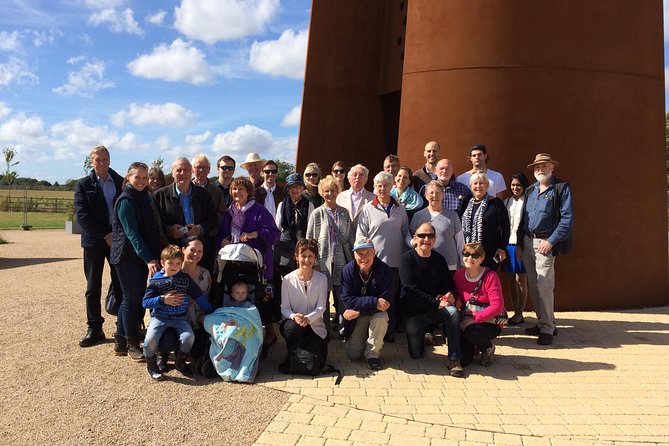
The first thing you notice is scale. The memorial is 31.09m high—the UK’s tallest metal war memorial—and it’s hard to ignore even before you read anything.
Up close, you get a stronger sense of how it’s meant to work: the memorial isn’t only a monument you look at, it’s also a landmark that orients you. The site includes fantastic views over the city of Lincoln, so you get a rare combo of remembrance and geography. It helps you picture the real place where this story is held today.
Practical tip: give yourself a moment before you head indoors. Take a few photos from the outside first, then come back later after the exhibitions. You’ll get a clearer emotional “before and after” effect as you move through the message of the centre.
Finding names: the commemorium effect and the Losses Database

One of the most powerful parts of the visit is how the centre handles individual lives rather than only big numbers. The memorial lists the names of almost 58,000 individuals who lost their lives serving Bomber Command.
Then there’s the Losses Database, which helps you connect that scale to actual people. If you’re searching for a relative, this is where the visit often becomes personal in a way that’s hard to predict. Even if you don’t have a family connection, you’ll likely feel the difference between reading about “service members” and seeing an actual name repeated through many panels.
If your goal is genealogy or family research, plan extra time. You’ll want that unhurried pace for reading and cross-checking what you find.
The Orchestra of Voices galleries: WWII through multiple perspectives
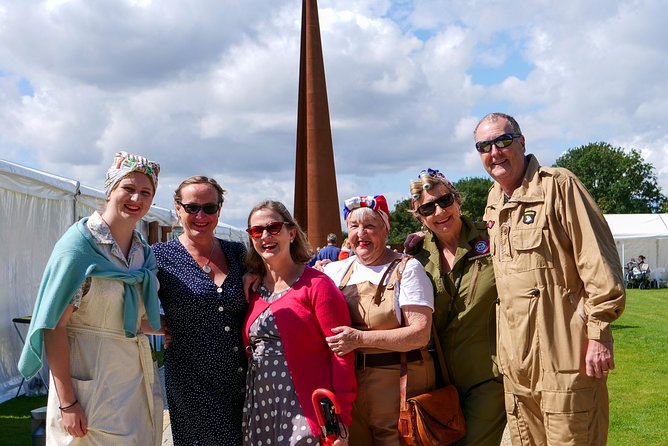
The exhibitions are built around a key idea: you’ll learn about Bomber Command through the eyes of those who were there, on all sides of the conflict. The centre uses an approach called the Orchestra of Voices, which shows how layered the history is.
Inside, you’ll encounter both interactive and more traditional displays. The goal isn’t to give you one neat takeaway. It’s to help you understand how people experienced the same broad war from very different positions—and why modern discussion can still get tense.
What makes this section especially valuable is that it doesn’t treat visitors like empty buckets of facts. It encourages you to connect testimony-like material to context: where the campaign fits in the broader war, why it remains contentious, and how remembrance can mean different things to different communities.





Peace Gardens: the quiet walk that changes how the story lands
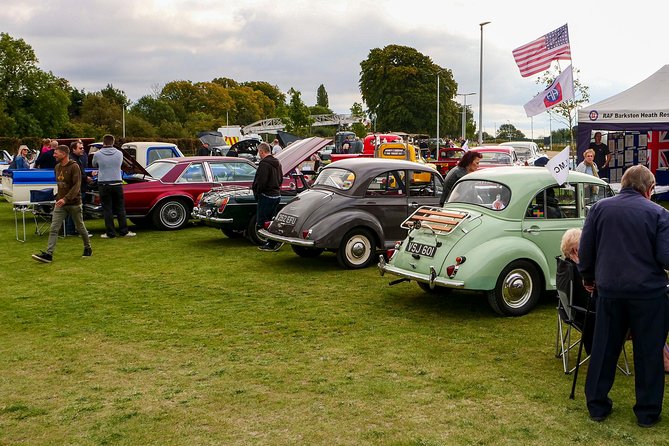
After the exhibitions, the experience shifts outside into two landscaped Peace Gardens. This is more than decoration. It’s a deliberate change of pace where your mind can catch up.
You’ll likely notice that the memorial feels different once you’ve seen what led to it. Indoors, you’re processing information. Outdoors, you’re processing meaning—and there’s room to look, reflect, and take photos without reading being your primary task.
If you tend to rush, resist the urge to leave right after the galleries. The garden time is part of what makes the centre feel balanced.
Free guided tours: how to make the visit click
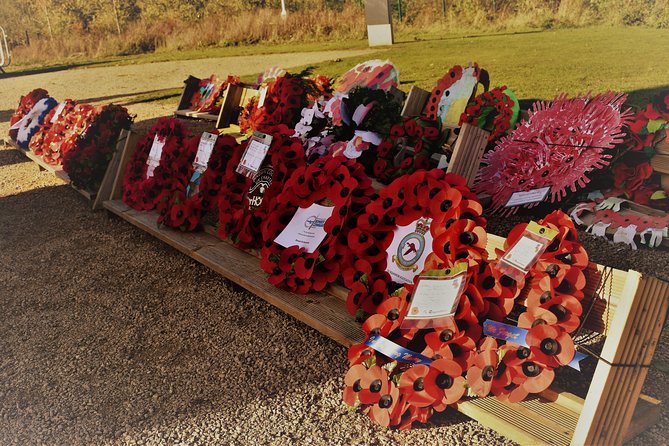
The centre offers free tours of the memorial and the gardens with experienced guides. When you take a guided walk, the difference is usually simple: someone explains what matters most, and you’re spared the effort of figuring it all out alone.
This is one of the most praised elements of the visit because guides tend to make the experience more coherent. They point you toward key details—like what to look for on the memorial and how to read the site’s design as a form of remembrance.
Practical tip: if you can, pick a guided tour time early in your visit. That way, the indoor galleries can feel less like separate exhibits and more like a connected story.
Photo moments: the war memorial’s design and the map of bombing locations

Yes, you can take great photos here, but it’s also worth understanding what you’re photographing. Visitors often focus on the memorial structure itself, including the tall spire feeling of the design and the way it frames views over Lincoln.
You may also find yourself looking longer at site features like maps showing where bombs dropped. That kind of detail turns the abstract word war into something more geographic and immediate—without requiring you to guess what the memorial is telling you.
Tip: don’t rely on one “best angle.” Try a wider shot first, then come back for close-ups after you’ve seen the exhibitions. Your pictures will make more sense to you later.
Hub Café: a good break that doesn’t yank you out of the mood
Right on site, the Hub Café offers locally sourced food and drink. This matters because the centre takes time and emotion. Having somewhere on site to reset makes it easier to stay for the full visit rather than cutting it short.
You can treat the café like a normal travel stop: grab a drink, eat something simple, then return with fresher attention. It’s also a handy plan if you’re visiting with kids or anyone who needs a break between rooms.
Who this is for (and who should plan carefully)
This experience fits you well if you want WWII history that doesn’t shy away from difficulty. The centre is built for visitors who are willing to sit with real-world controversy and multiple perspectives—rather than looking for a single “right” narrative.
It also works nicely for families. One standout theme from experiences at the centre is that it engages children through hands-on elements and clear presentation. If you’re bringing kids, pace it. The memorial and gardens are calm enough to help families regroup between heavier indoor moments.
Who should think twice: anyone looking for a purely upbeat, uncomplicated museum day. The subject is serious, and the “all sides” framing can create tension in the room. That’s not a reason not to go—it’s a reason to go with the right expectations.
Practical details that help your visit go smoothly
You redeem your ticket at the International Bomber Command Centre, Canwick Ave, Lincoln LN4 2HQ, UK. Opening hours are Tuesday to Sunday, 9:30 AM to 4:00 PM.
The tour is offered in English, and the centre notes that service animals are allowed. It’s also listed as near public transportation, which is helpful if you’d rather not deal with parking.
On-site time is flexible. If you arrive early, you can often use the extra minutes to settle into the memorial area and get oriented before the indoor galleries take over.
Should you book the International Bomber Command Centre?
I’d book this if you want a thoughtful WWII visit that’s honest about controversy and still grounded in remembrance. The strong combo is the towering metal memorial, the name-driven Losses Database, and the way the experience moves from information to reflection through the Peace Gardens.
Also, it’s strong value for the price: you’re paying for admission to major exhibitions and memorial space, plus access to free guided tours. Just don’t treat it like a quick hour. Plan for a 2–5 hour visit, and let the gardens do their job after the heavier rooms.
If you’re worried about the emotional tone, that’s fair. Go with time, go with respect, and go with the mindset that understanding can be uncomfortable. This place is designed for that kind of visit.
FAQ
Where do I redeem my ticket?
You’ll redeem your ticket at the International Bomber Command Centre, Canwick Ave, Lincoln LN4 2HQ, UK.
What are the opening hours?
The centre is open Tuesday to Sunday from 9:30 AM to 4:00 PM.
How long should I plan to visit?
Plan on about 2 to 5 hours, depending on how much time you spend with the exhibitions, the memorial, and any guided tours.
What does the tour cost?
The price is $15.94 per person.
Is the experience available in English?
Yes, the experience is offered in English.
What’s included with my admission?
Your admission ticket is included, and all fees and taxes are included as well.
Are free guided tours included?
Yes. Free tours of the memorial and gardens are available with experienced guides.
Is parking included in the price?
No. Parking fees are not included.
Is the site accessible for visitors who need extra support?
The centre has a Changing Places Facility, and service animals are allowed.
Can I cancel and get a refund?
You can cancel for a full refund up to 24 hours before the experience’s start time. If you cancel less than 24 hours before, the amount you paid will not be refunded.