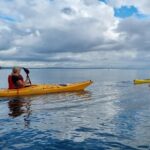
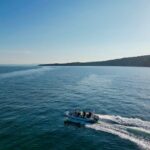
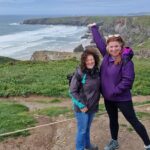
This is Devon’s coast, but with your feet off the ground. Coasteering turns North Devon’s cliffs, gullies, and rock ledges into a hands-on outdoor playground, with a bespoke route and a private setup. You get the big fun without the big crowds, plus a guide-led pace that helps you build confidence fast.
I really like the private tour feel. With a small max group size and no need to share the route with strangers, you spend more time actually doing the activity and less time waiting. I also love that the focus is on variety: jumps, swims, exploring caves, and moving along cliff bases for views you won’t see from the shore.
One thing to consider: this is water-and-rock work. You’ll need moderate physical fitness, and you should be comfortable with choppy water and the idea of jumping—even if the guides scale it from small to big.
In This Review
- Key takeaways before you book
- Coasteering in Devon feels adventurous, not chaotic
- From the Verity Statue to Croyde: what the day actually includes
- Stop 1: Verity Statue area (briefing and getting ready)
- Stop 2: Croyde (jumps, swims, caves, and rock traverses)
- What the timing feels like (2 hours 30 minutes approx.)
- Safety kit and guide coaching are the real value
- Jumps, heights, and comfort level: how you’ll likely experience it
- The $83.34 price makes sense when you count the included gear and privacy
- Weather and sea conditions can make or break the day
- Who this coasteering tour fits best
- Should you book it? My honest take
- FAQ
- How long is the coasteering experience?
- How much does it cost per person?
- Where do I meet for the tour?
- Where does the experience end?
- Is this coasteering group private?
- What safety gear is provided?
- What level of fitness do I need?
- What group size should I expect?
- What language is the tour offered in?
- What if the weather is poor?
Key takeaways before you book
- Completely private route that helps you dodge crowds and keep the day feeling calm and personal
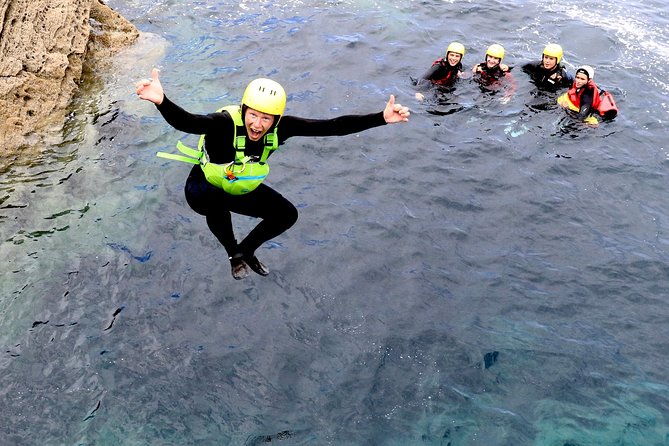
- Full safety kit provided: wetsuit, helmet, footwear, and buoyancy aid
- A mix of skills, from scrambling and swimming through gullies to jumping off rock ledges
- Guides manage confidence with progressions so beginners aren’t thrown straight into the biggest jumps
- Small group size (max 16), which makes it easier to get personal attention
- Two-part plan, starting near the Verity Statue before heading to Croyde for the main action
Coasteering in Devon feels adventurous, not chaotic
Coasteering is the rare activity that’s equal parts physical and scenic. In North Devon, you’re not just looking at the coastline—you’re moving along it, across rocks, through sea inlets, and along cliff bases. The experience is built around getting you into the water safely, then letting you enjoy the thrill while the route stays tailored to the group.
I especially like how this format seems designed for real people, not just fearless athletes. The day is described as a worry-free experience, and the practical safety setup matters. You’re not showing up hoping you brought the right gear; you’re kitted out with a wetsuit, helmet, footwear, and buoyancy aid, which immediately raises the baseline comfort level.
The “private and bespoke route” element is also a big deal. When you’re not packed into a crowd, your guide can keep the flow of jumps and swims smoother, and you’re less likely to feel rushed. That’s the difference between an activity that feels like a stampede and one that feels like a guided outdoor session.
You can also read our reviews of more tours and experiences in Devon.
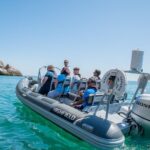

From the Verity Statue to Croyde: what the day actually includes
The plan has two key moments: a start at the Verity Statue area, then the action at Croyde. You meet at 23 Beach Rd, Ilfracombe EX34 9QZ, and the experience ends back at that same spot.
Stop 1: Verity Statue area (briefing and getting ready)
This is where the day gets organized. Expect the briefing and kitting-out phase to happen here before you move into the water. This matters because coasteering has a lot going on at once—jumping, scrambling, swimming, and reading the coastline in motion. Starting with clear instructions helps you get your bearings fast and lowers the guesswork.
In practice, the guides focus on technique and confidence-building. From the way people describe their sessions, you don’t just get told what to do; you get coached. That coaching shows up in the comments about guides being patient, giving tips for technique, and checking in so you’re happy and ready at each step.
Stop 2: Croyde (jumps, swims, caves, and rock traverses)
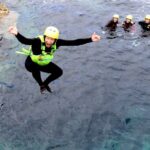
Croyde is where the coastline work really starts. You can expect the classic coasteering mix: leap from rocks back into the sea, swim through gullies, explore caves, and traverse along cliff bases while you take in the views. The route is described as bespoke, so it’s not one-size-fits-all.
One nice detail for beginners: people report that the experience builds up. The first jumps are used as a warm-up for the bigger moments. That progression is huge. If your confidence is shaky, you get a chance to settle in before you’re asked to do the scariest-looking jump.
What the timing feels like (2 hours 30 minutes approx.)
The total time is about 2 hours 30 minutes. That’s long enough for a real session—kitting up, getting into the water, then doing multiple jumps and swims—without dragging into an all-day ordeal. It’s a solid length for active travelers who want something memorable but still fit it into a short trip.
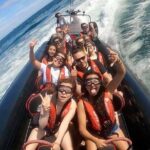
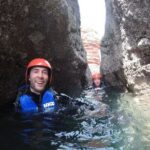


Safety kit and guide coaching are the real value
The best part of this experience isn’t the drama. It’s the structure. You’re provided with a wetsuit, helmet, footwear, and buoyancy aid, which removes a lot of the uncertainty. When the kit is included, you’re not trying to improvise with the wrong shoes or without proper protection.
Then comes the human part: the guides. People consistently highlight professionalism, patience, and active safety checks. Names that come up include Zac, Eli, Jess, Alex, Matt, and Andy. While every guide has their own style, the consistent thread is that they teach technique and keep checking that everyone is comfortable and confident.
It also sounds like the coaching is practical, not lecture-y. People mention learning what’s expected, understanding how the jumps work, and getting encouragement through the hardest moments. Some sessions include people doing bigger jumps after a few smaller ones. Even when the water looks rough, guides help you manage the mental side, not just the physical side.
Jumps, heights, and comfort level: how you’ll likely experience it
Coasteering naturally involves fear management. The good news is that the setup here seems to be designed for gradual buy-in. Reviews describe jumps ranging from small to bigger ones, with the guides building confidence step-by-step. That means you’re not necessarily locked into the highest jump you might spot in your imagination.
People talk about real jump heights too. In one example, a participant mentioned a jump around 9 metres, and another described a final jump around 4.5 metres. Those numbers can give you a feel for what’s possible. Still, the more important detail for your expectations is that the guides adjust. The day is described as suitable even for beginners, as long as you meet the moderate physical fitness requirement and follow instructions.
So what should you think about before booking?
- If you can swim and you’re okay with cold-chunky ocean movement, you’ll probably handle it better.
- If you freeze at the edge, you’ll want a guide-led progression, not a “go now” push. This tour’s described as giving that.
- If you’re traveling with kids or a wider age range, the “everyone can take it at their own pace” theme shows up again and again.
Bottom line: you can chase adrenaline, but you don’t need to act like a stunt performer on day one.
The $83.34 price makes sense when you count the included gear and privacy
At $83.34 per person for about 2.5 hours, this isn’t a bargain in the sense of “cheap.” But it’s easy to see where the value comes from if you look past the sticker.
You’re paying for:
- Private routing (so you aren’t packed in with strangers)
- A small max group size (max 16) that supports hands-on guidance
- Safety equipment included (wetsuit, helmet, footwear, buoyancy aid)
- A guided session that mixes multiple skills: scrambling, swimming, and jumping
For many people, that combo is worth it. Why? Because coasteering isn’t just about getting wet. It’s about getting wet safely, in the right places, with a guide who knows the coastline and can coach you through each move. When you add in the included kit, you’re not shopping for gear or worrying whether you’re properly equipped.
One small practical note: the experience is commonly booked about 18 days in advance on average. That’s a hint that good slots can go early in the busy season, so if you’re traveling in peak weeks, I’d plan ahead.
Weather and sea conditions can make or break the day
Coasteering requires good weather. The day is described as weather-dependent, which matters because you’re operating in real ocean conditions, not a calm lagoon. If conditions aren’t right, the provider will offer a different date or a full refund.
I like that this is handled upfront. It protects the experience quality. When the sea is too rough or conditions are poor, the activity stops being fun fast, and safety becomes the only priority. A weather-aware approach keeps the day from turning into a stressful guessing game.
A helpful mindset for you: treat it like an outdoor activity with a nature schedule. Check the forecast, but also know you’re going to be guided by what the team considers safe that day.
Who this coasteering tour fits best
This is the kind of activity that works surprisingly well across ages, as long as everyone meets the moderate physical fitness level and is willing to follow instructions. One session described a family group with ages spanning from childhood into adult range, and another mentioned mixed-age groups. That’s a good sign if you’re planning a family trip where not everyone wants the same pace.
It also fits well if you want something more active than a scenic walk. You’ll get views, but you’ll also do the physical work: climbing over rocks, swimming through gullies, exploring caves, and jumping from ledges.
Who should think twice? If you’re dealing with a serious injury, if you have a strong medical limitation you haven’t discussed with the operator, or if you know you can’t handle the core idea—jumping from rocks and moving in the water—then coasteering may not be your best fit. The guide progression helps, but it can’t remove the basic activity nature.
Should you book it? My honest take
If you want a memorable North Devon outdoor experience that mixes thrill with real coaching, I think this coasteering session is a strong pick. The private, bespoke setup is a big part of why it sounds enjoyable: you get variety without feeling crowded. The included safety gear and the guide check-ins also do a lot of the heavy lifting for you, especially if it’s your first time.
I’d book it if:
- You’re comfortable with ocean water and can handle a moderate physical challenge
- You like guided progression (small to bigger jumps)
- You want adventure that’s active and scenic, not just a photo stop
I might pause if:
- You have a low tolerance for heights or you’re likely to panic at the edge
- You expect a guaranteed calm-sea experience (it’s ocean water, and weather matters)
If that sounds like your kind of day, get your slot and plan for a morning or afternoon that stays flexible with the weather.
FAQ
How long is the coasteering experience?
It lasts about 2 hours 30 minutes.
How much does it cost per person?
The price is $83.34 per person.
Where do I meet for the tour?
You meet at 23 Beach Rd, Ilfracombe EX34 9QZ, UK.
Where does the experience end?
It ends back at the same meeting point.
Is this coasteering group private?
Yes. The tour is completely private.
What safety gear is provided?
You’ll be provided with a wetsuit, helmet, footwear, and buoyancy aid.
What level of fitness do I need?
You should have a moderate physical fitness level.
What group size should I expect?
There’s a maximum of 16 travelers.
What language is the tour offered in?
It’s offered in English.
What if the weather is poor?
This activity requires good weather. If it’s canceled due to poor weather, you’ll be offered a different date or a full refund.