REVIEW · LONDON
Jack the Ripper – What About the Women?
Book on Viator →Operated by Rebel Tours · Bookable on Viator
A myth needs facts, and this tour brings both. It’s a 2-hour evening walk in East London that keeps the focus on the women—who they were, what shaped their lives, and what the neighborhood was like.
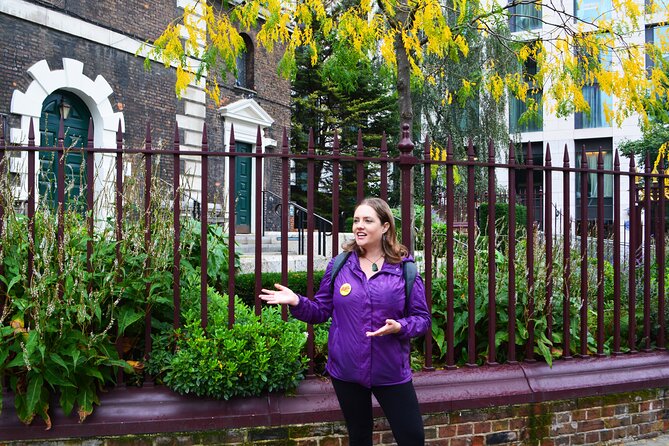
I especially love how it teaches you the social context: working-class housing, charity, immigration, and addiction show up right alongside named places. I also love the delivery from guides like Cecily (and Ellie), who keep things respectful and factual without turning the story into gore.
The only real drawback: it’s a sensitive subject in a nighttime walking format, so you’ll want good shoes and comfort with dark history.
In This Review
- Key highlights that make this tour different
- Why this women-first Jack the Ripper walk feels smarter
- Price and logistics: what you’re actually paying for
- Getting started at Aldgate High Street (and ending by Spitalfields Market)
- Stop-by-stop: Whitechapel Road and the reality of working-class life
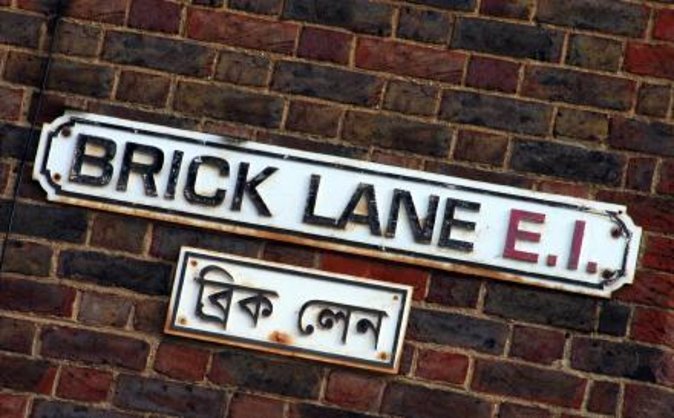
- Brick Lane: Polly Nichols, alcoholism, and cultural layers
- Spitalfields Market and Truman Brewery: Annie Chapman and the Ten Bells name
- Old Spitalfields Market and Crispin Street refuge: Mary Jane Kelly’s area
- Petticoat Lane Market: textiles and the East End economy
- St Botolph’s Aldgate to Mitre Square: Elizabeth Stride and Catherine Eddowes
- What I think the tour does best (and why the guide matters)
- Tips to make the night walk easier on you
- Who should book this tour
- Should you book this tour?
- FAQ
- How long is the tour?
- What’s the meeting point and start time?
- Where does the tour end?
- What language is the tour offered in?
- How much does it cost?
- Is there an admission fee at the stops?
- Is it a large group tour?
- Will the tour be graphic?
- What weather does the tour require?
- Are service animals allowed?
Key highlights that make this tour different
- Women-focused storytelling instead of the usual killer-only myth
- East London by night with a route through Whitechapel, Brick Lane, and the markets
- Clear, fact-based guidance from an experienced guide (Cecily and Ellie are both mentioned in feedback)
- Multiple real locations tied to the women: Whitechapel Road, Ten Bells, Hanbury Street, and more
- No graphic presentation, which makes it feel more appropriate for mature families
Why this women-first Jack the Ripper walk feels smarter
Most Jack the Ripper tours train your eyes on a shadow. This one flips the script. You’ll still hear names and dates, but the story is framed around what shaped the victims’ lives and how ordinary East End conditions made people vulnerable.
That focus changes everything. Instead of sensational crime beats, you get working conditions, overcrowded accommodation, charity work still happening today, and how people tried to survive Victorian city life. The result feels more like history and social context than true-crime showmanship.
Guides also keep the tone human. People in the feedback singled out how the tour avoids turning victims into stereotypes, and how it doesn’t lean on guessing. That matters in a story where rumor has done so much damage.
You can also read our reviews of more tours and experiences in London.


Price and logistics: what you’re actually paying for
At $34.28 per person for about 2 hours, you’re paying for an experienced guide plus a route that hits several major East London sites in one evening. You also aren’t expected to cover extra entry costs during the walk—stops are marked as ticket-free in the tour details.
The small group size (maximum 20) is a practical win. With a group like this, you’re more likely to ask questions and actually hear the guide clearly at each stop. And because it starts and ends in central, walkable areas, you aren’t piecing together your own itinerary after the fact.
One more practical point: it’s an outdoor walking tour and it’s weather-dependent. If conditions are poor, you may be offered another date or a full refund, so don’t plan something that can’t shift.
Getting started at Aldgate High Street (and ending by Spitalfields Market)
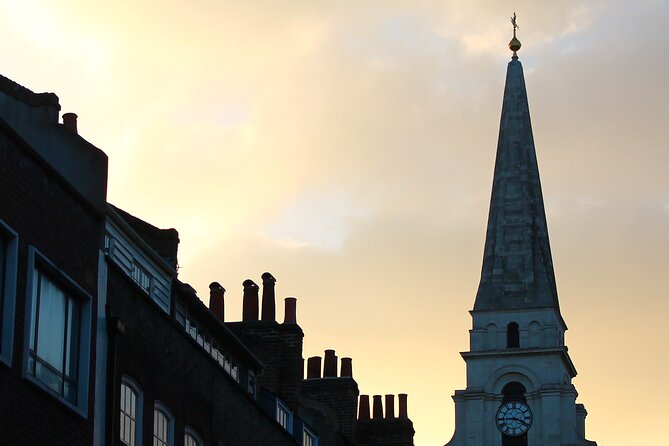
The tour starts at 6:30 pm at Aldgate High St (outside Aldgate High Street station). From there, you’ll move through Whitechapel and across into areas tied to the markets and Brick Lane.
You’ll finish near Spitalfields Market on Brushfield Street. That ending location is convenient if you want to keep exploring after the tour without needing a long hop on the Tube.
Because this is an evening walk, dress for night weather and uneven pavement. Even when the route includes frequent pauses, you’re still walking for around two hours total.
Stop-by-stop: Whitechapel Road and the reality of working-class life
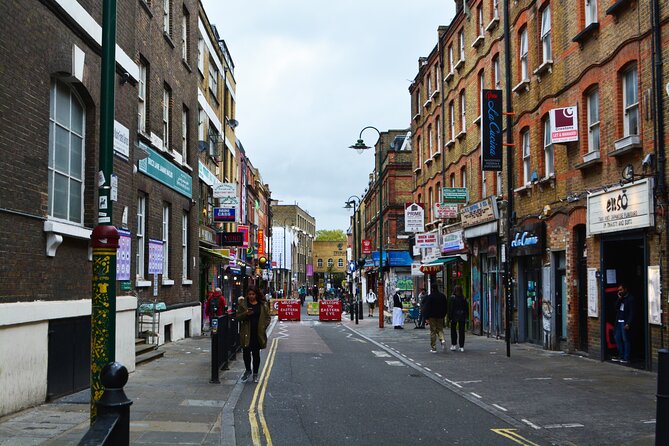
Your first stop is on Whitechapel Road, where the tour focuses on Martha Tabram and Polly Nichols. The guide doesn’t treat them as names on a poster. You’ll hear what life was like for working-class residents in the Victorian East End and what “survival housing” looked like.
Expect talk of harsh accommodation types like dosshouses and workhouses, plus other forms of lodging. That detail is important because it helps you understand how easy it was for people to become trapped in unstable, under-protected conditions.
There’s also a modern angle. The tour notes charities that still carry out work in the area today, which turns the story from dead-and-gone tragedy into something you can connect to the present.
A consideration here: this section sets a serious tone early. If you’re hoping for light entertainment, this probably won’t match that mood. If you want the story of why things happened, it’s a strong start.
Brick Lane: Polly Nichols, alcoholism, and cultural layers
Next you’ll head to Brick Lane, stopping at a site connected to the pub where Polly Nichols was on her final night. The guide links her story to the problem of alcoholism and addiction in Victorian London.
This part can hit hard, but it’s handled as context rather than spectacle. It’s also one of the tour’s smarter choices: addiction isn’t treated like a moral punchline. Instead, it’s placed inside the conditions of the time—where help was limited and life could be brutally unstable.
Then you’ll stop at the Brick Lane Mosque to understand immigration into the East End and the area’s cultural diversity. It’s a reminder that Whitechapel is not frozen in 1888. The neighborhood changes, but layers of history stay visible if you know where to look.
If you’re sensitive to heavy topics, you’ll still be fine, but you should expect the emotional weight to be part of the walk.





Spitalfields Market and Truman Brewery: Annie Chapman and the Ten Bells name
One of the most compelling stretches is around Spitalfields Market, with stops that connect you to Annie Chapman’s story. You’ll visit the area of the old Truman Brewery, once described as the largest in the world. That industrial scale helps you picture why so many workers lived nearby.
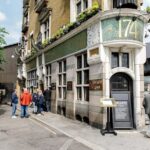
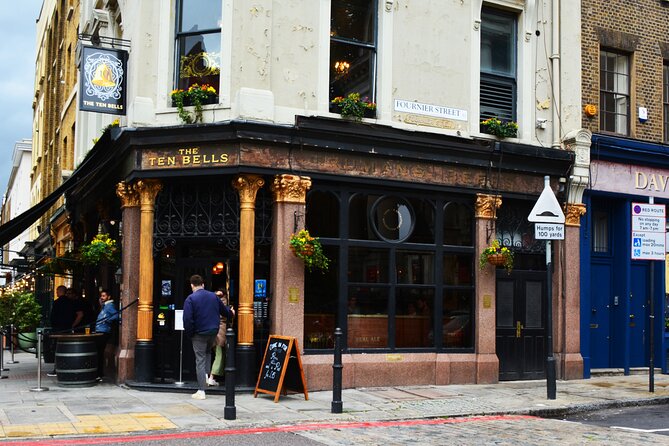
Then you’ll look toward 29 Hanbury Street, where Annie Chapman was found the morning of September 8. The tour also brings you to the famous Ten Bells Pub, where you’ll hear more about her life and the heartbreak tied to her case.
Here’s a unique detail worth remembering: the name change back to Ten Bells is linked to the movement Reclaim the Night. You learn how public memory can be reshaped, and how communities push back when a place becomes consumed by a single dark label.
This stop can be a lot for the brain—history, personal story, and memory politics all at once. But it’s also one of the moments where the tour feels like it’s doing real work, not just reciting facts.
Old Spitalfields Market and Crispin Street refuge: Mary Jane Kelly’s area
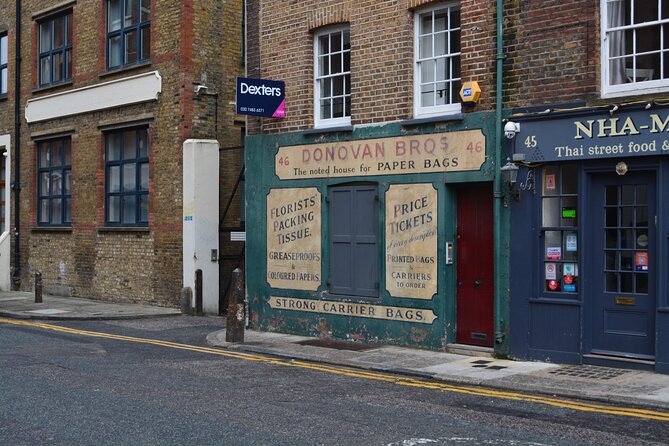
From Spitalfields Market you’ll move into Old Spitalfields Market, opened in 1887—the same year as Queen Victoria’s Golden Jubilee and the year before the Whitechapel murders began. The guide uses that timing to highlight contrasts: the ordinary day-to-day versus the crisis that followed.
You’ll then head to Crispin Street to see the site of a refuge for working-class people who actually worked. This is a key emotional turn. Instead of focusing only on victims after the fact, you get a glimpse of what support systems looked like for people trying to keep jobs and dignity.
Across the street is the former site of Mary Jane Kelly’s residence, and the tour treats her story as the “last victim” and the most mysterious. You won’t be given the kind of lurid details that fuel clickbait legends; the emphasis stays on her context.
A practical consideration: market areas can get busy, depending on the evening and foot traffic. The guide keeps the pacing with short, structured moments so you still get the story without feeling rushed.
Petticoat Lane Market: textiles and the East End economy
You’ll then pass through Petticoat Lane Market, described as the former heart of the East End’s textile industry. This is a brief stop, but it matters.
Textiles explain a lot: why workers clustered there, why poverty could be cyclical, and how the local economy shaped the lives of people who had little control over their daily stability. It’s the kind of stop that makes the earlier housing details feel more real.
Because this is a short moment, you’ll want to pay attention to what the guide is connecting rather than treating it as a sightseeing break.
St Botolph’s Aldgate to Mitre Square: Elizabeth Stride and Catherine Eddowes
The final stretch brings you to St Botolph’s without Aldgate, where you’ll hear about Elizabeth Stride. You learn she was originally from Sweden, including a backstory tied to Gothenburg and her later adventures in London.
Then you’ll finish close to Mitre Square, where Catherine Eddowes’ body was discovered. The guide shares details about Eddowes’ background, including that she was from Wolverhampton, and frames her as spirited and forceful—another reminder that these were people, not headlines.
This end section is where the walk feels most complete. You’ve traveled from housing and addiction to neighborhoods and industry, and then you land with two final names in specific places.
Night walking can be darker and quieter than daytime. Bring a phone with good battery if you like to check locations after the tour, but mostly trust your guide’s route.
What I think the tour does best (and why the guide matters)
The biggest reason this tour gets praised is simple: it doesn’t sensationalize. The presentation is described as history-focused, with no grisly pictures and no graphic breakdown of how the murders happened. That doesn’t make the story feel soft. It makes it feel purposeful.
The women-focused approach also corrects a common misunderstanding. In many pop versions of the case, the victims get treated like props in someone else’s myth. This tour tries to stop that and give those women identity: their circumstances, their community, and the conditions around them.
Guides named in the feedback—especially Cecily and Ellie—are praised for clarity, friendliness, and a wide knowledge of late-19th-century life and local geography. One useful detail from the feedback: guides also seemed to welcome questions, and some people said they left with local restaurant, pub, and shop recommendations. That’s not just small talk; it helps you keep your East London evening going in a smart way.
If you care about accuracy, you’ll likely appreciate the fact-based tone. If you care about sensitivity, you’ll likely appreciate the restraint.
Tips to make the night walk easier on you
This tour is mostly straightforward, but a few practical moves help a lot.
- Wear shoes you trust on uneven sidewalks. The route is a walking loop across dense neighborhoods.
- Keep an eye on the weather. The experience is weather-dependent, so check your plans and expect that the organizer may adjust if conditions are poor.
- Bring a question or two. With a small group, you’ll often have time to ask how a detail connects to daily life.
Also, even though it’s called a Jack the Ripper tour, you should mentally file it under social history. If you come expecting a horror-movie script, you’ll likely miss the point.
Who should book this tour
This is a great fit if you want:
- A Jack the Ripper experience that centers the victims’ lives, not the killer’s legend
- A history-and-sociology angle on Victorian Whitechapel
- A walking tour that’s more respectful and less graphic
- An evening activity that mixes old places with modern East End context, like immigration and charities
Families can work too, especially if your kids can handle serious history without needing graphic detail. People who wanted a non-gruesome approach said it felt appropriate for children who are mature enough for the topic.
Should you book this tour?
I think you should book it if you’re tired of the same old Ripper myth machine. This walk gives you named locations, clear context, and a story built around the women and the city conditions that surrounded them. For the price, you get a focused route, an experienced guide, and a route that ends in a lively area for more exploring.
Skip it if you only want the sensational parts of the case, or if you prefer a purely daytime sightseeing style. This is a night walk with heavy themes. When that matches your mood, it’s one of the more meaningful ways to experience East London’s history.
FAQ
How long is the tour?
It runs for about 2 hours.
What’s the meeting point and start time?
It starts at Aldgate High St, London EC3N 1AH at 6:30 pm, with the meeting point outside Aldgate station.
Where does the tour end?
The tour ends near Spitalfields Market on Brushfield St, London E1 6AA.
What language is the tour offered in?
The tour is offered in English.
How much does it cost?
The price is $34.28 per person.
Is there an admission fee at the stops?
The tour lists admission ticket free for the stops included in the route.
Is it a large group tour?
No. The maximum group size is 20 travelers.
Will the tour be graphic?
The tour is presented without grisly pictures and without graphic storytelling about the murders.
What weather does the tour require?
The experience requires good weather. If it’s canceled due to poor weather, you’ll be offered a different date or a full refund.
Are service animals allowed?
Yes, service animals are allowed, and the tour is near public transportation.