REVIEW · EAST OF ENGLAND
Letchworth Garden City: Self-Guided History Puzzle Walk
Book on Viator →Operated by Questo · Bookable on Viator
A Garden City puzzle walk sounds odd, then clicks fast. You get a self-guided mix of walking tour and escape-game-style challenges that guide you from landmark to landmark, without the pressure of a group schedule. I love that it feels built for real looking—clue hunting makes you slow down—and that the stops cover the why behind Letchworth’s design, not just dates. One possible drawback: it’s not a classic guided tour, so if you want live explanations from a person, you may feel a little on your own.
The sweet spot here is flexibility and control. You can start anytime in the day, take a break, and resume later, which is ideal for families, slow walkers, or anyone who wants to fit sightseeing around errands. Also, the format stays crowd-friendly since it’s private with no human contact—so you’re free to enjoy the details at your pace.
In This Review
- Key things to know before you go
- Why a Garden City puzzle walk beats a regular history tour
- Getting started at Station Place: simple logistics, real independence
- Stop 1: the original station story from 1903 to 1913
- Broadway Gardens and Walk: Howard’s layout principles in practice
- History of the College: Canon Triest and the spread of missions
- From Palace Cinema to a 1936 Follow the Fleet gala
- Church of St Mary the Virgin: late 12th-century roots and listed heritage
- International Garden Cities Institute: Unwin and Parker’s planning office
- St Michael’s Church near Town Square: a 1908 mission church that matured
- The black squirrel bonus: why little surprises make the walk better
- Price and value: $5.90 for a smart blend of walking and thinking
- Who this self-guided walk fits best
- Should you book this Letchworth puzzle walk
- FAQ
- How long does the Letchworth Garden City puzzle walk take?
- Can I start at any time?
- Is it fully self-guided?
- Do I need internet to play?
- What language is the experience available in?
- Where do I start and end?
- Is this a private experience?
- What’s included in the experience?
- What’s the price?
- When can I do it?
- Can I cancel for a full refund?
Key things to know before you go
- Self-guided escape-game clues turn “look around” into an actual mission
- Offline play means you can keep moving even with spotty mobile signal
- Flexible start and breaks make it easy to pace yourself
- Garden City planning themes show how Letchworth influenced cities beyond Hertfordshire
- Short, landmark-based stops keep this to about 1 hour 30 minutes
- Family-friendly energy (including kid-friendly fun) while still rewarding for adults
Why a Garden City puzzle walk beats a regular history tour
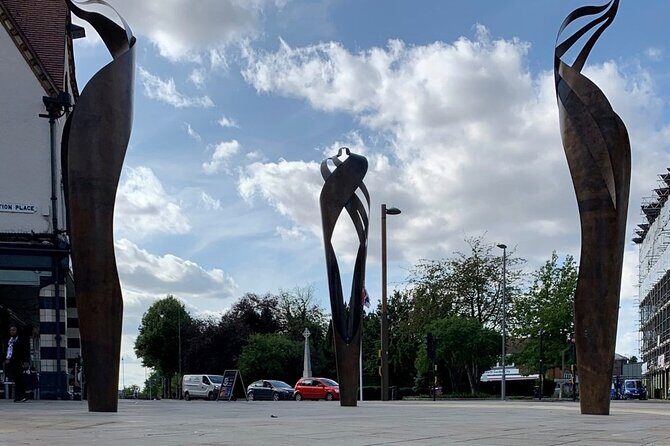
Letchworth isn’t just another English town with old buildings. It’s tied to a design movement with big ideas about how people should live—green space, planning, and purpose-built neighborhoods. A puzzle walk is a smart way to absorb that without drowning in facts. The challenges nudge you to spot features you might normally rush past, and you finish with a clearer sense of how the town works.
I also like that the tone is playful but not silly. You’re not just collecting answers; you’re piecing together the story behind each place, from early rail decisions to garden design principles and institutional missions. If you’re the type who reads signs, this will feel comfortable. If you’d rather learn by noticing, it’s even better.
You can also read our reviews of more tours and experiences in East of England.


Getting started at Station Place: simple logistics, real independence
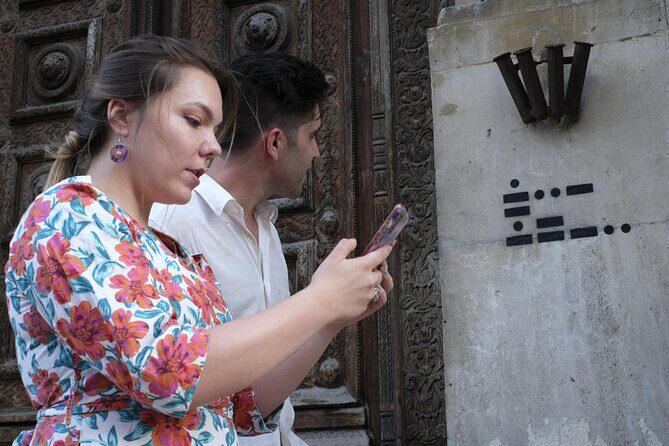
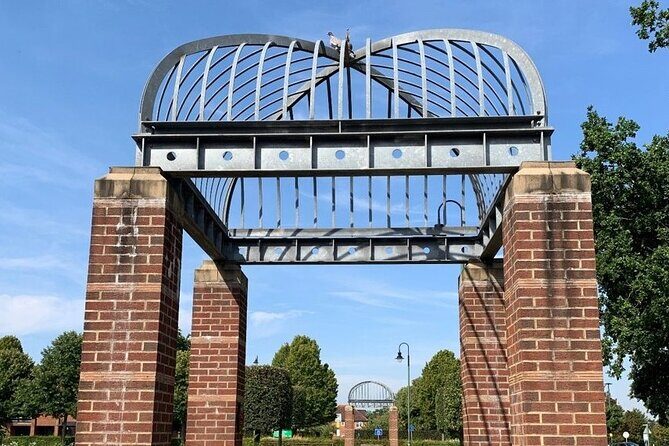
You begin at Station Place (Station Pl) in Letchworth Garden City (SG6). The experience ends at 296 Norton Way S (SG6 1SU). In other words, you’re doing a tidy loop-ish walk: start near the station area and finish closer to the town-planning institute.
The format is built around a mobile ticket and an app experience you can play offline, so you don’t have to burn data or hunt for Wi-Fi mid-walk. You also get a lot of control: flexible start times, the ability to take a break, and then resume later. That’s a big deal here, since you’ll likely stop more often when you’re clue-hunting.
Finally, it’s described as private and designed for no human contact. That usually means fewer distractions, fewer waiting-on-others moments, and less crowd friction when you want to look closely at details.
Stop 1: the original station story from 1903 to 1913
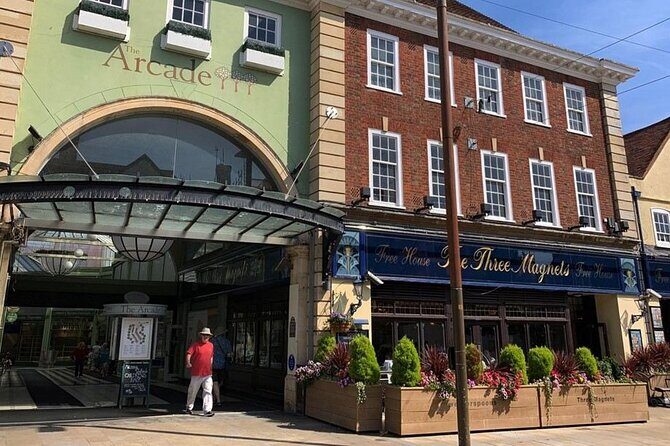
This first stop zooms in on how Letchworth connected to the rest of the world. The first station opened in 1903 with restricted service, then gained a full passenger service on 15 April 1905. On 18 May 1913, it was replaced by a new station on a different site.
Why this matters: transportation is often what turns an idea into a lived reality. In a Garden City, planning isn’t only about parks and roads; it’s also about how people actually get in and out. By making you hunt for clues around this area, the experience pushes you to notice the physical clues tied to that shift.
A small consideration: since the challenge is location-based, you’ll want to look around carefully rather than just read one sign and move on.
Broadway Gardens and Walk: Howard’s layout principles in practice

Next up is Broadway Gardens and Walk, tied to a grant of £1 million from the Heritage Lottery Fund. The gardens’ layout and design reflect the initial aspirations of Ebenezer Howard, whose principles helped shape the world’s first Garden City.
This is where the “puzzle walk” style pays off, because garden design is hard to understand from a sentence. When you’re searching for answers here, you’re also forced to see symmetry, pathways, and how open space is organized. You stop treating it like scenery and start reading it like design.
One drawback to note: if it’s wet or icy, garden and walkway areas can be less comfortable underfoot. Still, it’s outdoors for good reason—this is part of the lesson.
History of the College: Canon Triest and the spread of missions
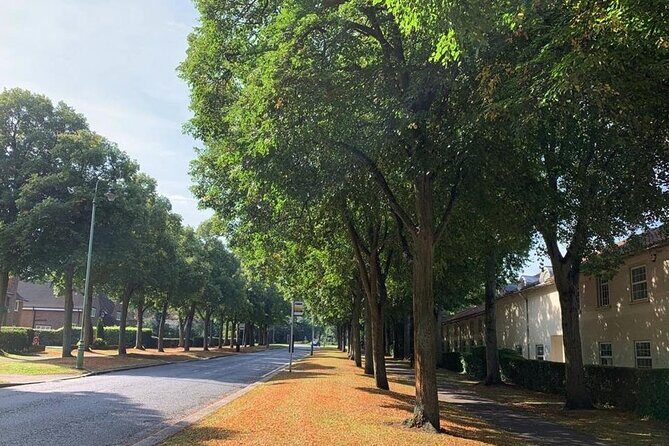
The walk then points you to the History of the College, tracing an order founded in 1803 in Belgium by Canon Triest. The group developed international outposts through missions, and in the UK, the Sisters were already running schools in Devon and Lancashire. A site in Letchworth Garden City came into their attention when it became available.
This stop adds a different angle to the Garden City story. It’s not only streets and buildings—it’s also education, religion, and community institutions that make planned places function as real towns.
When you’re forced to “look around” to answer the challenge, you may notice how the built environment supports long-term community roles (schools, churches, and similar anchor institutions). That can be a nice change from purely architectural highlights.
From Palace Cinema to a 1936 Follow the Fleet gala

Then you hit the cinema story. The dates provided here start at 1936, after the neighbouring Palace Cinema (built in 1909) struggled to accommodate local crowds. The 1936 opening included a black-tie gala screening of Follow the Fleet, starring Fred Astaire and Ginger Rogers.
I like this stop because it connects daily life to big cultural moments. A Garden City can be thoughtfully planned and still need entertainment, gathering, and leisure. This makes Letchworth feel less like a museum and more like a town with changing needs over time.
Practical tip: cinemas and similar venues often sit in areas where you can get a quick view of façade details. If you’re the type who enjoys old posters, signage, or architectural styling, you’ll likely get extra enjoyment here.
Church of St Mary the Virgin: late 12th-century roots and listed heritage
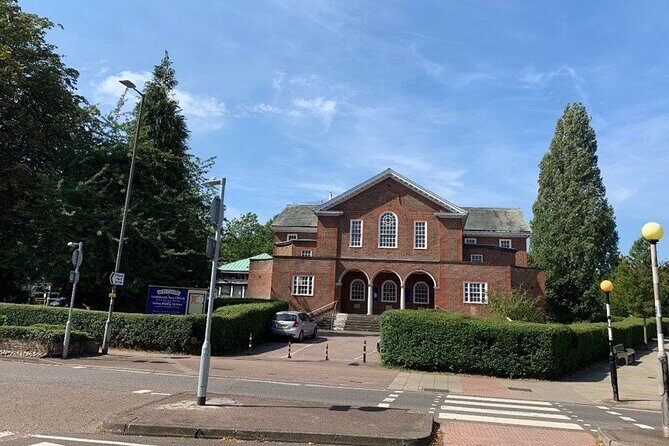
The Church of St Mary the Virgin is the former Church of England parish church for Old Letchworth in Letchworth Garden City. The current church was built in the late 12th century, and it’s listed as Grade II. It falls under the Diocese of St Albans.
This stop shifts the timeline back far earlier than the Garden City rail and garden planning. It’s a helpful reminder that new planning doesn’t replace the past—it layers on top of it. By making you search for the right clues, you’ll probably spend a bit longer noticing church features that help explain why this kind of building still anchors communities.
Consideration: churches can have rules about access and quiet. If you come at a time when areas are closed, you can still use the outdoor context for the challenge, but you might not get full interior views.
International Garden Cities Institute: Unwin and Parker’s planning office
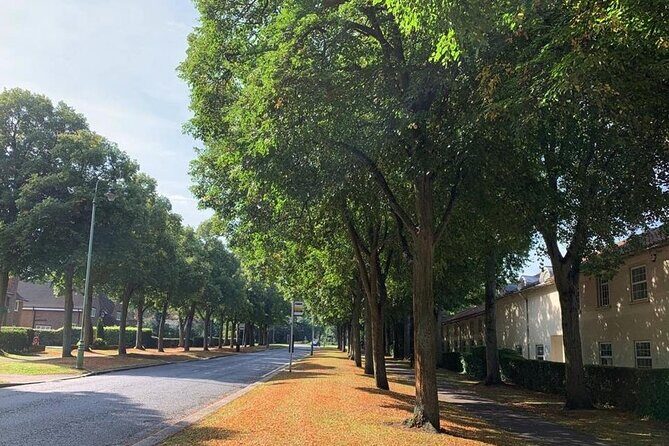
If you want the “aha” moment about Letchworth’s wider influence, this is it. The International Garden Cities Institute is on the leafy street of Norton Way South and is positioned as the perfect place to begin your education of the Garden City story.
Here, you learn that it was formerly offices of Letchworth’s town-planners and architects: Raymond Unwin and Barry Parker. The experience encourages you to trace how Letchworth’s streets and open-spaces were designed and how the town influenced other Garden City developments around the world.
This is a great stop for anyone who likes seeing the behind-the-scenes logic. It turns an idea into documents, planning roles, and visible layout decisions. And since this is a puzzle-based experience, you don’t just read passively—you look for answers that make you pay attention to the institute’s themes.
St Michael’s Church near Town Square: a 1908 mission church that matured
The walk closes with St. Michael’s Church. It was dedicated on 22 February 1908 and designed by Courtenay Crickmer. It began as a mission church to St Mary’s Letchworth, then developed its permanent site on Town Square between 1966 and 1968.
This is a nice “how a town grows” story. A mission church suggests an early stage of community building; the later permanent site shows progress and investment. It’s the kind of local evolution that makes planned towns feel human and changeable, not static.
If you’re walking with kids or anyone who likes short stories, this final stop usually feels like a satisfying wrap: a date, a designer, a purpose, then a timeline of growth.
The black squirrel bonus: why little surprises make the walk better
One of the funniest parts of this kind of self-guided hunt is the chance element. The experience is associated with seeing black squirrels—people have specifically noted spotting multiple real ones during the walk. The good news: that kind of “wildlife cameo” makes the mission feel more like an adventure than a checklist.
Just keep expectations realistic. Black squirrels aren’t guaranteed on command. But if you do spot one, it adds a memorable reward that’s tied to actually being outside and paying attention.
Price and value: $5.90 for a smart blend of walking and thinking
At $5.90 per person, this is priced like a small activity, not a full-day tour. That matters in two ways. First, it makes it easy to choose even if you’re on a tighter budget. Second, it encourages multiple short stops rather than a single long attraction.
You also get real value in the structure: an hour and a half is long enough to feel like you’ve done something, but short enough to pair with other Letchworth plans. The content density is boosted by the challenge format, since clue-hunting forces you to engage with each location rather than letting your attention drift.
If you’re traveling as a group, there are group discounts available. That can make this one of the best “low-cost but high-engagement” options for a family or small circle who wants to explore without paying for private guides.
Who this self-guided walk fits best
This is ideal if you want to explore Letchworth at your own speed and you don’t want to coordinate with strangers. Because it’s private with no human contact, it’s also a good match if you prefer to avoid crowd pressure.
I’d especially point it toward:
- Families: kids have enjoyed it, and the missions make it feel like play
- History and architecture fans: you get anchored facts tied to specific places
- Active sightseers: it’s a walking-oriented challenge with enough movement to feel worthwhile
- People who like puzzles: the clues reward attention and a bit of problem-solving
If you hate smartphone-based activities or don’t want any app involvement, this might feel less comfortable. But if you’re okay using a mobile ticket and playing offline, it’s a smooth setup.
Should you book this Letchworth puzzle walk
Yes, I’d book it if you want a practical way to learn Letchworth without committing to a long tour. The blend of planning-focused stops, flexible timing, and offline self-guided play makes it an easy choice when you want genuine attention without the hassle.
Skip it if you’re strictly looking for a traditional guided lecture with a person answering questions. This experience teaches by making you look—and that’s the point.
If your goal is to spend 90 minutes seeing the town with purpose, this one delivers a strong mix of walking, problem-solving, and place-based learning.
FAQ
How long does the Letchworth Garden City puzzle walk take?
It’s listed as about 1 hour 30 minutes.
Can I start at any time?
Yes. The experience offers flexible start times, and you can start at an hour that suits you.
Is it fully self-guided?
Yes. It’s a self-guided walking experience with no physical tour guide.
Do I need internet to play?
No. The tour lets you play offline and you don’t need an internet connection.
What language is the experience available in?
It’s offered in English.
Where do I start and end?
Start at Station Place (Station Pl), Letchworth Garden City SG6. Finish at 296 Norton Way S, Letchworth Garden City SG6 1SU.
Is this a private experience?
Yes. It’s described as a private tour/activity, so only your group participates.
What’s included in the experience?
Included items are full flexibility (start anytime, take breaks, resume later), it’s always available to book, and offline play with a mobile ticket.
What’s the price?
The price is listed as $5.90 per person.
When can I do it?
You can do it during the listed opening window of 5:00 AM to 9:00 PM, Monday through Sunday.
Can I cancel for a full refund?
Yes. Free cancellation is available if you cancel at least 24 hours in advance for a full refund.