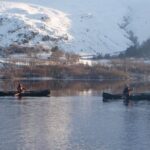
Derwent Water turns SUP into an easy win. You meet down by the lake shore in Keswick with the water and mountains right in front of you, then get a clear, calm intro to safety and control on Derwent Water.
I really like that this session is structured for real beginners. You’ll get taught how to manage the board step by step, and the instructors use the natural shelter of Derwent Isle to help you build confidence fast.
One thing to keep in mind: this SUP experience needs good weather, and the water conditions can affect how far out you paddle.
In This Review
- Key highlights worth knowing
- Crow Park to Your First Paddle: What the Session Feels Like
- Safety and Skills: How You Learn to Control a Paddle Board
- Derwent Isle Shelter: Standing Up and Gaining Confidence
- Paddling Out Beyond the Shelter: When It Gets More Challenging
- Views and Local Details: What’s Worth Looking At While You Paddle
- Time, Group Size, and Getting There From Keswick
- Who Should Book This SUP Session (and Who Might Skip It)
- The Value of a Guided Session on Derwent Water
- Should You Book This Keswick Paddle Board Session?
- FAQ
- FAQ
- How long is the paddle board session?
- Where does the session start and end?
- Do I need previous paddle boarding experience?
- What equipment is included?
- What language is the session taught in?
- How many people are in a group?
- Is there a fitness requirement?
- What happens if the weather is poor?
- What’s the cancellation policy?
Key highlights worth knowing
- Crow Park start, with the lake as your classroom—you’re on the water quickly, after a wetsuit change.
- Full-length wetsuit included—helpful for staying warm enough to focus on learning.
- Small group limit (max 10)—more chances to get quick feedback when your feet need adjusting.
- Derwent Isle shelter for first-timers—a smart way to learn balance with less stress from open-water conditions.
- Optional progression for stronger paddlers—if you pick it up quickly, you may head farther into the more challenging parts of the lake.
Crow Park to Your First Paddle: What the Session Feels Like
If you’re picturing SUP as something only confident people can do, this is the kind of session that turns that idea upside down. You start by meeting down by the lake shore around Crow Park in Keswick, with Derwent Water laid out in front of you. The vibe is straightforward: show up, get geared up, then learn the basics with real instruction, not guesswork.
Before you even touch the board, you’ll switch into a supplied, high-quality full-length wetsuit. That matters more than people think. In the Lake District, the air can be cooler than you expect, and the water is not warm-bath territory. A good wetsuit means you can concentrate on balance and paddle technique instead of shivering your way through the lesson.
Next comes the board allocation. Everyone gets their own paddle board, and the instructor sets the tone with a safety rundown before you go out. From the reviews, the instruction style is patient and very focused on making you feel safe—especially if you’re a first-time paddler or you’re bringing kids.
There’s also a practical upside that makes the experience feel smooth: it’s a mobile-ticket format, and you’ll receive confirmation around the time of booking. If you like having your details sorted ahead of time, this is the kind of operation that sends information in advance and prepares equipment so your time on the water isn’t delayed.
A few more Keswick tours and experiences worth a look
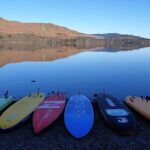
Safety and Skills: How You Learn to Control a Paddle Board
Learning SUP sounds simple until you’re on the water and realize your feet are basically negotiating with gravity. That’s why the structure here is so important: you get taught the basic safety rules first, then you build control skills gradually.
The session includes the core moves you need to paddle without fighting the board. Expect instruction on how to position yourself, how to handle your paddle, and how to stabilize as you start moving. The goal isn’t to turn you into an athlete in two hours. It’s to help you stand up with control and move around safely enough to enjoy the lake.
If you’ve never done SUP before, this is the part where you’ll probably feel the most difference between a good session and a bad one. The reviews highlight instructors who explain things clearly and take time when beginners get overwhelmed. One instructor named J is specifically mentioned for being very patient, and Toby is praised for helping a first-timer figure things out without rushing.
That patient approach is more than nice-to-have. When you’re learning balance, the fastest way to improve is to correct one thing at a time—stance first, then paddle rhythm, then small directional adjustments. When someone tries to teach ten ideas at once, you get wobbly. When instruction is step-by-step, you progress.
Derwent Isle Shelter: Standing Up and Gaining Confidence
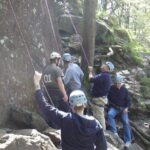
Once you’re through the basics, you head out toward Derwent Isle, using its shelter as a learning platform. This is one of my favorite parts of the setup because it’s practical. Open water can be bigger, windier, and less forgiving. But with shelter, you can focus on what matters: staying upright, feeling the board respond, and getting comfortable with how the paddle moves you.
This is where you’ll likely make your first real breakthroughs. You’ll start to control your board with less panic and more curiosity. The aim is to get even complete beginners standing up and feeling like the board is something you can manage—not a moving problem.
From what’s described, the instructors support you as you build that confidence. If you go over-confident, they’ll help you reset. If you’re nervous, they’ll slow things down. That balance is especially clear in reviews that mention kids and families. One review mentions how the instructor handled a situation with children who had additional needs, keeping them safe even if parents stepped away briefly.
That kind of attention makes a difference if you’re the type of person who needs reassurance to enjoy the activity. It’s not just about teaching technique; it’s also about making the whole experience feel safe and organized.
Paddling Out Beyond the Shelter: When It Gets More Challenging
After you’ve found your footing, there’s an option to go farther out. For more experienced paddlers—or for people who learn quickly—you may leave the shelter of Derwent Isle and head into more challenging conditions further out on the lake.
This doesn’t mean it turns into a hardcore adventure. It means you may experience more wind exposure or less protection from the shoreline. The advantage is that you get a better sense of Derwent Water as a real landscape of water and mountains, not just a calm training area.
If you’re newer to SUP, you might not want to push hard right away, and you can likely opt for the more sheltered learning pace. If you are quick to grasp the basics, you may get the chance to test yourself with a longer stretch of open-water paddling. That keeps the session from feeling repetitive for anyone who picks things up fast.
One thing I’d watch for: conditions are part of the lesson. If the day is gusty or choppy, the “challenging conditions” section is exactly where you’ll feel it. The good news is that your instructor can guide you based on the group’s skill level.
Views and Local Details: What’s Worth Looking At While You Paddle
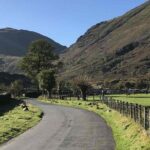
SUP on Derwent Water is not just exercise. It’s also a moving viewpoint. Because you’re out on the lake, the scenery hits differently than it does from the shore. You’ll be surrounded by mountains, and the water setting gives you that classic Lake District sense of being watched over by big hills.
There’s also a smaller, very human bonus: you can learn a few things while you paddle. One review notes that Andy shared interesting information about buildings visible from the water. That’s the kind of detail that turns a nice session into a memorable one—especially if you’re the sort of person who likes to understand what you’re looking at rather than just take photos.
Think of it like this: the paddle board is your ticket onto Derwent Water, but the guidance is what helps you actually notice things. Even if you’re focused on balance, you’ll still catch glimpses of how the shoreline and buildings sit against the lake.

Time, Group Size, and Getting There From Keswick
This SUP session runs for about two hours. That’s a good length for first-timers. Long enough to learn real basics and feel like you achieved something, not so long that you run out of patience or energy.
The group size is capped at 10 travelers, which usually means less waiting around. You’re more likely to get attention when you need it and to keep moving through the lesson without long gaps. If you’re bringing kids, this pacing can matter even more, because everyone’s focus can shift quickly.
The meeting point is down by the lake shore near Keswick, specifically associated with Crow Park (and the activity ends back at the same meeting point). You should also find it convenient that it’s near public transportation, which is a real plus when you’re trying to build a day around Keswick without stress.
The session is offered in English, so you’ll get instructions and explanations without needing to translate in your head. That helps when you’re trying to remember how to position your paddle while balancing.
Who Should Book This SUP Session (and Who Might Skip It)
This experience fits best if you want a guided, beginner-friendly introduction to SUP with a real safety focus. It also fits families during school holidays because it’s designed for mixed skill levels—kids can try it, and instructors can adjust their approach.
If you’re worried about equipment, you’re in good shape. You’re provided with a wetsuit and the board, and advance communication includes asking for wetsuit sizes so the equipment is ready when you arrive. That cuts down on awkward downtime and lets you start learning faster.
Moderate physical fitness is mentioned, so you don’t need to be a gym superhero. But you should expect to stand, paddle, and keep your balance for stretches. If you have mobility challenges, you might want to check with the provider first before booking, since the data given only says moderate fitness—not specific accessibility accommodations.
Also consider weather. Since the session requires good weather, it can be frustrating if you’re visiting with tight plans. On the plus side, if conditions aren’t right, you’re offered another date or a full refund.
The Value of a Guided Session on Derwent Water
Because there’s no DIY option here, you’re paying for structure: wetsuits, boards, instruction, and a guided progression from sheltered learning to more open paddling. That’s value in a very practical sense. For first-timers, most of the learning curve is handled for you, and you get safety oversight from start to finish.
The reviews put a strong emphasis on feeling safe and welcomed. That matters for first-time SUP because the first wobble can make you think you’ll fall. A patient instructor and clear safety guidance turns that moment into normal learning.
You also get a guided feel for the experience of the lake itself. Even the note about buildings seen from the water hints that you’re not just out there doing motions—you’re learning to read the shoreline and surroundings as you go.
Should You Book This Keswick Paddle Board Session?
Book it if:
- you’re curious about SUP and want an instructor-led, beginner-friendly start
- you like the idea of Derwent Isle shelter as part of learning
- you want a calm, safe session with clear guidance, including for kids
- you plan to travel during school holidays and want something active that still feels relaxed
Skip it (or at least double-check timing) if:
- your schedule is inflexible and you can’t handle a weather-based change
- you prefer a fully self-guided paddling day with no instruction
One extra note: the experience is tied to a school holiday deal, and the provider has mentioned waiting for the National Trust to confirm whether these sessions run again in 2026. If you’re hoping to plan ahead, it’s worth watching for those updates.
FAQ
FAQ
How long is the paddle board session?
It runs for about 2 hours.
Where does the session start and end?
You meet down by the lake shore in Keswick (Crow Park) and the activity ends back at the same meeting point.
Do I need previous paddle boarding experience?
No. The session is designed to teach beginners, using sheltered water near Derwent Isle to help you get up and moving.
What equipment is included?
You’ll be allocated a paddle board, and you’ll change into a supplied full-length wetsuit before you go on the water.
What language is the session taught in?
The session is offered in English.
How many people are in a group?
The maximum group size is 10 travelers.
Is there a fitness requirement?
You should have a moderate physical fitness level.
What happens if the weather is poor?
The experience requires good weather. If it’s canceled due to poor weather, you’ll be offered a different date or a full refund.
What’s the cancellation policy?
Free cancellation is available up to 24 hours in advance for a full refund. If you cancel less than 24 hours before the start time, the amount paid is not refunded.