REVIEW · BLACKPOOL
SEA LIFE Blackpool Admission Ticket
Book on Viator →Operated by SEA LIFE Blackpool · Bookable on Viator
Sea life, minus the soggy clothes. Pre-booking your SEA LIFE Blackpool admission keeps you from standing around and lets you jump into the exhibits right away, including those close-up underwater tunnels where you’re surrounded by sea life without needing to get wet.
My favorite part is the hands-on Rock Pools, where you can see and even touch creatures like starfish, crabs, anemones, and cleaner shrimp. I also love the sheer lineup of big, familiar predators—especially the ocean walk-through tunnel with sharks—plus the named rays and seahorses that make the whole visit feel more than just a hallway of tanks.
One heads-up: the site is doable for most people, but it does require moderate physical fitness since you’ll be walking through multiple areas and tunnels.
In This Review
- Key highlights that make SEA LIFE Blackpool worth your time
- Price and what you’re really paying for
- A smooth start at SEA LIFE Blackpool (and how to use your time)
- Rock Pools: starfish, crabs, anemones, and that hands-on moment
- The Quayside area: stingrays, rays, and underwater tunnels
- Seahorse Kingdom: endangered seahorses and a calmer pace
- The submarine-style section: UFO-like jellyfish and eels
- Jungle walk-through: turtles, chameleons, and the friendly-warning
- Ocean walk-through tunnel and sharks: the big-ticket viewing
- Sea Stars (new in 2017): up-close windows and those tricky arms
- How long it takes, and the best way to plan your visit
- What to expect day-to-day: logistics that matter (not the boring stuff)
- Who should book SEA LIFE Blackpool admission?
- Should you book SEA LIFE Blackpool admission?
- FAQ
- How long does SEA LIFE Blackpool admission take?
- What is the price of the SEA LIFE Blackpool admission ticket?
- Is the ticket mobile?
- Is the experience offered in English?
- Can I touch any animals at SEA LIFE Blackpool?
- Are there sharks and what kinds are shown?
- Is a souvenir photo included?
- What is the cancellation window?
Key highlights that make SEA LIFE Blackpool worth your time
- Rock Pools touch time with tropical and native creatures like starfish, crabs, and anemones
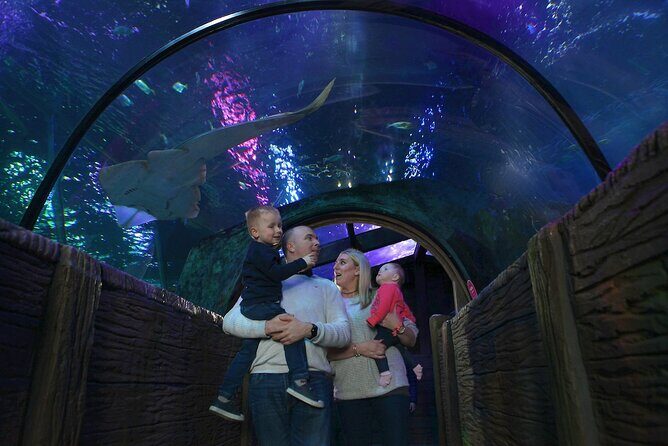
- Quayside and reef tunnels featuring stingrays and rays, including Honeycomb Whiptail Rays and Zebra Sharks
- Seahorse Kingdom focused on breeding many types of endangered seahorses
- Submarine ride experience showing jellyfish, puffa fish, eels, and tangs
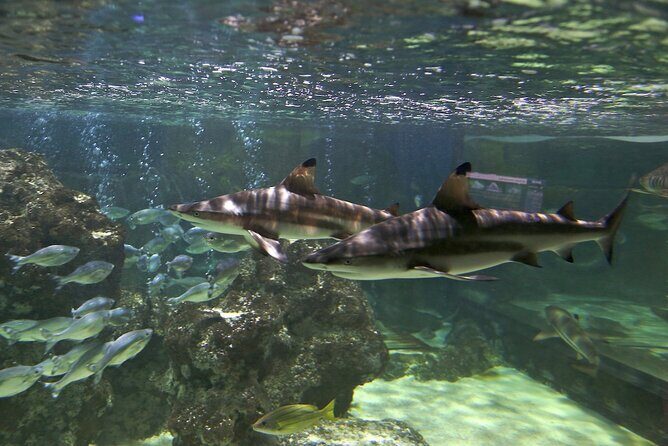
- Ocean walk-through tunnel with a serious shark tank lineup (Black Tip and White Tip sharks, among others)
- Sea Stars exhibits (new in 2017) with species like Brittle Star and Sun-Star, plus pop-up bubble displays
Price and what you’re really paying for
SEA LIFE Blackpool admission is $19.32 per person, and the visit runs about 1 to 2 hours. That length matters because it’s long enough to see the major zones without turning into a whole-day commitment, even if you’re traveling with kids or building a day around other Blackpool sights.
The value here comes from two things. First, you’re not relying on luck—your pre-booked mobile ticket is there to help you avoid disappointment. Second, the route is designed as a “walk-through aquarium,” not a single long viewing platform. You get several different viewing styles: rock pools, underwater tunnels, and themed zones like Seahorse Kingdom and the jungle walk-through.
A few more Blackpool tours and experiences worth a look

A smooth start at SEA LIFE Blackpool (and how to use your time)
Plan on an experience that moves at your pace but still has a path. You’ll be in and out of exhibit areas that change the mood fast—touch tanks, underwater tunnels, then animal-themed sections like the seahorse and jungle areas. Since the visit is typically 1–2 hours, you’ll want to prioritize what you care about most, then fill in the rest.
If you’re going with kids, this route usually works because it mixes “watching” with moments that feel interactive—like the rock pools where touching is part of the experience. If you’re going as an adult, it’s still a good deal because the collection includes both common aquarium favorites and more specific species names (you’ll notice a lot of labeling).
One practical note: the ticket is offered in English, and the experience is designed for general family audiences. The maximum group size is listed as 5 travelers, so it’s not set up like a massive crowd scene (though any popular attraction can have busy times).
Rock Pools: starfish, crabs, anemones, and that hands-on moment
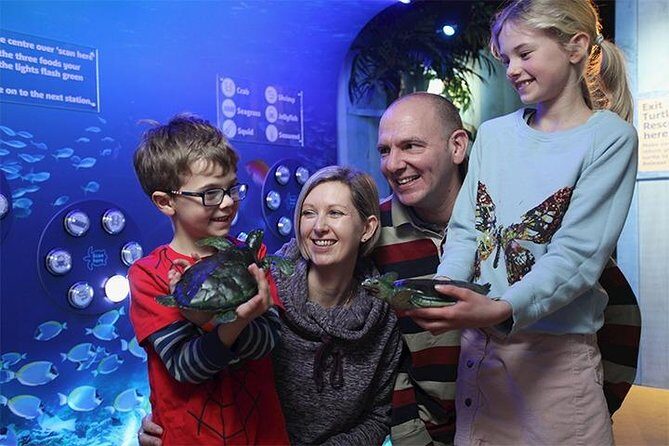
Start with the Rock Pools, and you’ll immediately feel why this place works for families. Instead of only standing behind glass, you’re given a chance to see and touch creatures like starfish, crabs, anemones, and cleaner shrimp.
Then it shifts into native shorelines of the North West, so you get both the familiar and the local. You’ll also look in close for creatures such as anemones, starfish, crabs, lobster, and octopus. That mix helps keep the “what am I looking at?” question from turning into a guessing game—there’s variety without feeling random.
What to keep in mind: the touch experience is a highlight, but it can also be the part where you spend the most time, because it’s the most engaging. If you want photos, do that first, then settle in for the touch moment so you’re not rushing.
The Quayside area: stingrays, rays, and underwater tunnels
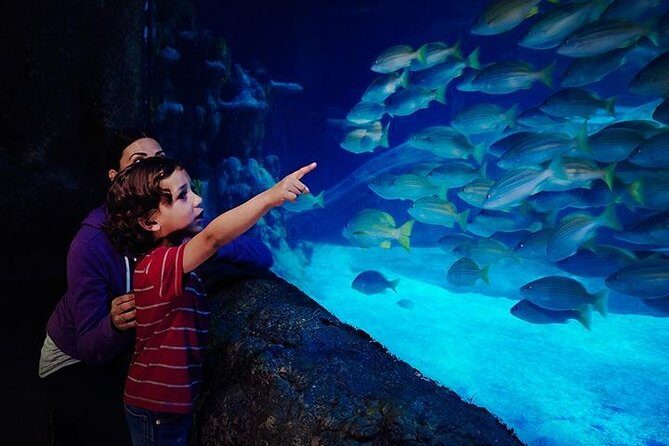
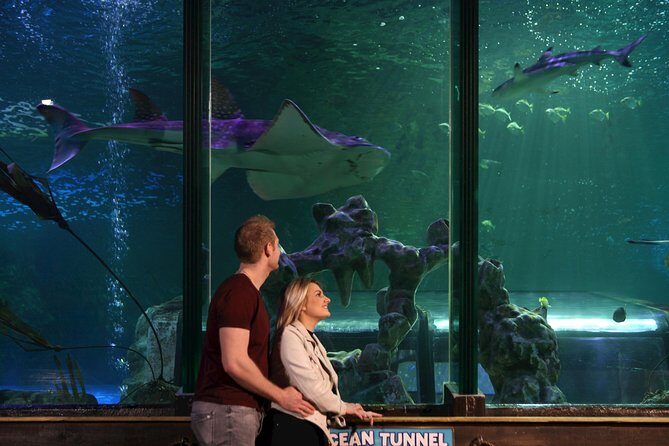
Next up is the SEA LIFE Quayside area. This section reads like an ocean-and-harbor mix, with ocean giants including stingrays, rays, pollock, brill, and dogfish. It’s not just “here are some fish”—the layouts are meant to give you multiple ways to see the animals.
The real show here is the tropical reef section through underwater tunnels. This is where you can get close without getting wet, which is a big win in the UK (and honestly, a big win anywhere). You’ll encounter named species such as Honeycomb Whiptail Rays, Cownose Rays, Blue Spotted Stingrays, Zebra Sharks, and more.
Tips that actually help: if you’re photographing, don’t expect perfect shots through thick tunnel glass. Instead, aim for steady, low-fuss photos and focus on getting a clear sense of the animal’s shape and movement. Those tunnels are built for viewing, not for smartphone perfection.
Seahorse Kingdom: endangered seahorses and a calmer pace
SEA LIFE Blackpool’s Seahorse Kingdom is built around breeding many types of endangered seahorses. Even if you’re not a “save the seahorses” person, this is one of the most satisfying parts of the visit because seahorses don’t just look cool—they slow your pace down. You find yourself watching longer.
Alongside the seahorses, you’ll also see fish species listed in this area such as lion fish, unicorn fish, clown fish, and regal tangs. The reason this matters is that it balances the mood: one minute you’re in a tunnel with big motion, the next you’re in a calmer zone where details matter.
If you’re visiting with people who get bored by fast movement, Seahorse Kingdom is a good reset.




The submarine-style section: UFO-like jellyfish and eels
You’ll then move into a submarine ride experience that takes you to ocean depths to see deeper-water creatures. This part is listed as showing things like UFO-like jellyfish, puffa fish, eels, and tangs.
Why this works: “submarine” isn’t just a gimmick here. It’s a thematic way to group unusual animals in a way that feels cinematic, without dragging the visit out too long. Jellyfish and eels can be hard to find in everyday life, so they create an instant sense of discovery.
Keep in mind that jellyfish and similar animals tend to be best when you take your time. If you rush, you’ll still see them, but you’ll miss the little behaviors that make them feel alive instead of still specimens behind glass.
Jungle walk-through: turtles, chameleons, and the friendly-warning
After the deeper-water zone, you’ll enter a leafy jungle filled with walk-through sections. This is where the aquarium shifts into a more storyline-based environment.
Expect animals listed for this area such as turtles, chameleons, parana, poison dart frogs, and tomato frogs. There’s also a warning built into the experience that not all the creatures here are friendly—so it’s not meant to feel like a cute petting zoo moment.
What I like about this section is that it adds variety to the setting. You’re not just walking from tank to tank; you’re moving through a themed habitat feel. For kids, that makes the whole trip stick in memory more than a simple series of glass boxes.
Ocean walk-through tunnel and sharks: the big-ticket viewing
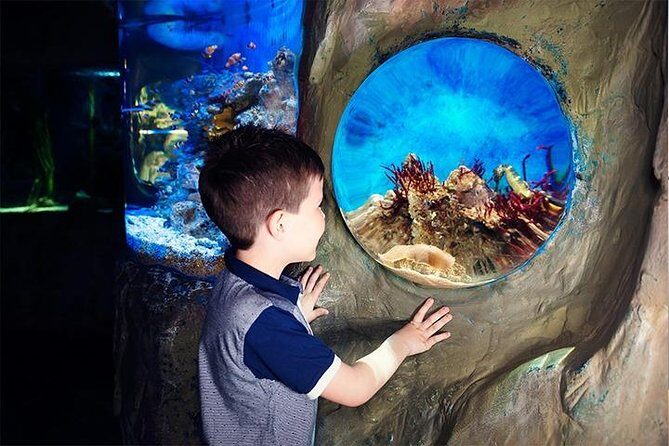
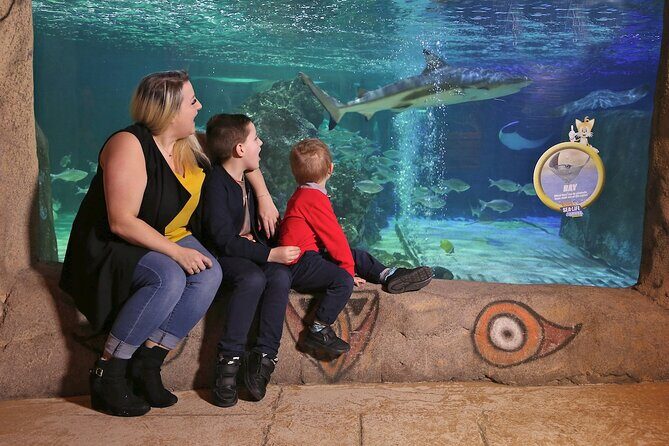
If you’re the type who loves major aquarium predators, don’t skip the ocean walk-through tunnel. This is specifically positioned as an under-the-sea experience without getting wet.
SEA LIFE Blackpool is proud of its sharks, shaped by breeding and raising sharks over 25 years. In the ocean tank, you can see Black Tip Sharks, White Tip Sharks, stingrays, Bowmouth Guitar Sharks, Shovel Nose Sharks, Nurse Sharks, Grouper, Vampire Fish, and more.
This is the zone where the layout really shows off. The tunnel helps create that “I’m surrounded by the animals” effect without turning the experience into something you’d only get on a boat tour. You’re inside the view, not only looking at a single angle.
Practical tip: if you’re short on time, prioritize the shark and tunnel sections first. They’re the most dramatic and the most likely to feel worth the ticket cost even if you only spend the minimum hour.
Sea Stars (new in 2017): up-close windows and those tricky arms
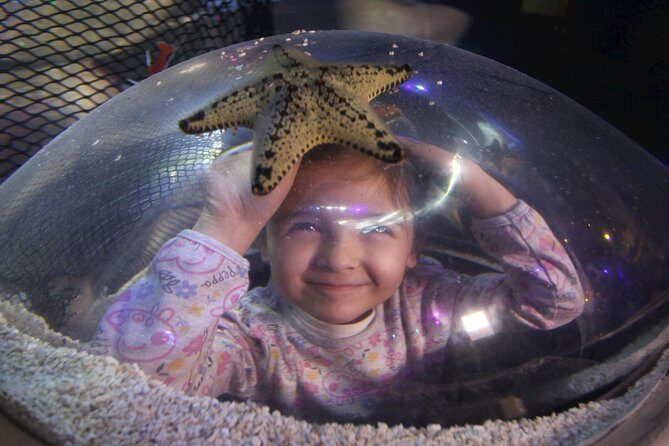
Then there’s the Sea Stars section introduced in 2017, which is exactly the kind of specialty add-on that makes an aquarium feel more thoughtfully planned. You get multiple sea star species and close-up visibility, including Brittle Star, Chocolate Knobbed, Common Starfish, Spine Star, Goose Foot Star, Red Knobbed, and Sun-Star.
A fun detail you’ll likely notice in the displays: Sun-Star and some of these sea stars can have up to twelve arms. The exhibits also include giant windows plus pop-up bubbles and peek-a-boo holes, which makes the viewing more playful and interactive.
This is a great stop if you’ve got kids who like surprises. It’s also a solid stop for adults because starfish are often treated as simple decor in other places—here they’re treated like animals with variety.
How long it takes, and the best way to plan your visit
Most people leave within about 1–2 hours. Here’s how I’d structure it so you feel satisfied instead of rushed:
- Spend extra time in the Rock Pools and the shark tunnel if those are your top interests.
- Use Seahorse Kingdom as your “slow down” moment.
- Treat the submarine ride and jungle walk-through as quick-but-memorable stops.
You might also consider bringing a simple strategy for photos. The experience is full of glass. Instead of taking hundreds of shaky shots, focus on a few clear “animal ID” photos (where the labels help) and a couple of “scene” shots where you can see the tunnel or habitat design.
What to expect day-to-day: logistics that matter (not the boring stuff)
This is a mobile ticket experience, and confirmation is provided at booking time. It’s offered in English, and service animals are allowed. The venue is described as near public transportation, which helps if you’re already using buses or trains around Blackpool.
In terms of physical needs, the guidance is moderate physical fitness. That’s not a warning sign to avoid the place, but it does mean you should be comfortable walking through several exhibits and paths.
Souvenir photos are available to purchase, but they aren’t included in the ticket price, so decide in advance whether that’s something you want.
Who should book SEA LIFE Blackpool admission?
I’d recommend this for:
- Families who want a fun indoor activity with a hands-on touch area
- People who like sharks and want a walk-through tunnel rather than one static viewing spot
- Visitors who want a compact attraction that fits into a typical Blackpool day and won’t chew up the whole afternoon
- Anyone who loves animal variety, from seahorses to named stingrays to sea stars
I’d be a little more cautious if:
- You strongly dislike walking through multiple indoor areas and tunnels. It’s not extreme, but it is more than just one room.
- You want a highly guided, commentary-heavy tour (this is more about admission and moving through exhibits).
Should you book SEA LIFE Blackpool admission?
Yes, if you want a solid, family-friendly aquarium experience that feels hands-on in a few key places. Pre-booking is the smart move here because it’s meant to prevent the classic I-show-up-and-hope problem. For the price, you’re getting a lot of different exhibit types in a short time: rock pools with touch, ray tunnels, the seahorse area, a submarine-style segment, and a shark tunnel that’s genuinely the star of the show.
If you’re planning a Blackpool day and want something weather-proof, this is the kind of attraction that delivers without requiring a full day commitment.
FAQ
How long does SEA LIFE Blackpool admission take?
It typically takes about 1 to 2 hours.
What is the price of the SEA LIFE Blackpool admission ticket?
The price is listed as $19.32 per person.
Is the ticket mobile?
Yes, the ticket is a mobile ticket.
Is the experience offered in English?
Yes, it’s offered in English.
Can I touch any animals at SEA LIFE Blackpool?
Yes. In the Rock Pools area, you have the chance to touch creatures such as starfish, crabs, and anemones.
Are there sharks and what kinds are shown?
Yes. The ocean tank includes sharks such as Black Tip Sharks, White Tip Sharks, Shovel Nose Sharks, and Nurse Sharks, along with other species.
Is a souvenir photo included?
No. Souvenir photos are available to purchase, but they are not included.
What is the cancellation window?
Free cancellation is available, and you can cancel up to 24 hours in advance for a full refund.