REVIEW · LONDON
Tate Modern Museum London Guided Tour Semi-Private 8ppl Max
Book on Viator →Operated by Babylon Tours London · Bookable on Viator
Modern art can feel like a quiz.
This semi-private Tate Modern guided tour turns it into a guided walk with real context—why Mondrian, Picasso, Dali, Monet, Rothko, and Warhol made the choices they did. I especially like the focus on human stories behind the art, plus the time to ask questions so you do not leave feeling puzzled.
The main drawback is also the most important one: the tour is not available for guests with walking disabilities or for wheelchair users, and you’ll need moderate physical fitness for the museum route.
In This Review
- Key Things to Know Before You Go
- Why Tate Modern Feels Different in a 2-Hour Guided Walk
- Semi-Private Means You’re Not Just Another Body in the Hall
- Getting There Smoothly: Meeting Point, Timing, and Practical Setup
- From Mondrian to Warhol: How the Tour Makes Modern Art Click
- Mondrian’s Geometry: Color as a System
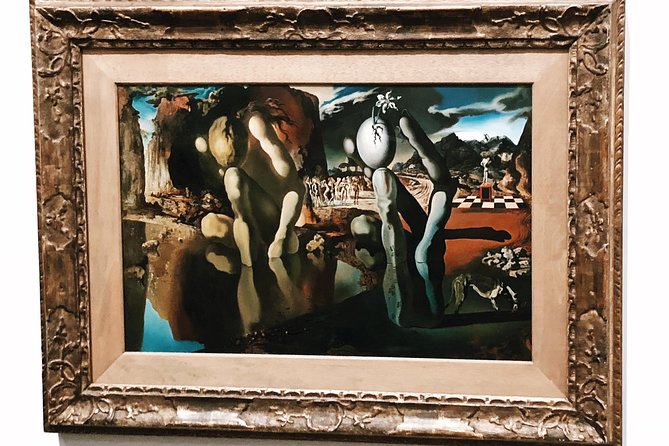
- Picasso and Dali: Art Shaped by the Spanish Civil War
- Monet and the Impressionists: Light, Seeing, and Time
- Rothko and Abstract Expressionism: Emotion Without a Storyline
- Warhol’s Pop Art: Fame, Faces, and the 1960s
- Duchamp’s Fountain: When the Tour Forces Better Questions
- Architecture as a Co-Star: A Converted Power Plant Tour Route
- What You’ll See Versus What You Won’t
- Price and Value: Is $107.45 a Good Deal?
- Who This Tour Suits Best (and Who Should Skip It)
- When Closures Happen: How the Tour Responds
- Should You Book the Tate Modern Semi-Private Tour?
- FAQ
- How long is the Tate Modern semi-private guided tour?
- What is the maximum group size?
- Is admission to Tate Modern included?
- Is this tour wheelchair accessible?
- Where does the tour start and end?
- Are temporary exhibitions included?
- Do I need to provide a mobile phone number?
Key Things to Know Before You Go
- Max 8 guests keeps the tour personal and question-friendly
- You’ll cover major names like Mondrian, Picasso, Dali, Monet, Rothko, Warhol, and Duchamp
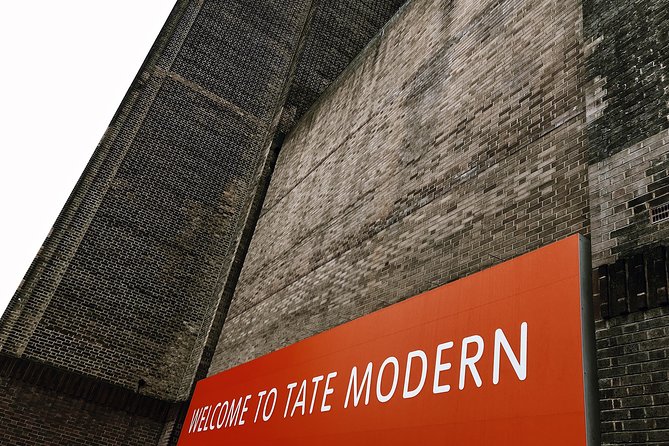
- The building is part of the show: Tate Modern lives in a converted power plant
- You get context for big moments, including work made during the Spanish Civil War
- Temporary exhibitions are not included, so you’ll focus on the core collections
Why Tate Modern Feels Different in a 2-Hour Guided Walk
Tate Modern is one of those places where the building already sets the mood. It’s in a former power plant, so the space feels industrial and bold—like the museum is daring you to look closer. This tour leans into that. You’re not just moving room to room. You’re getting a guided route that connects the art to the people, events, and ideas behind it.
In about two hours, you’ll see a spread of 19th and 20th century art that many visitors bounce through too fast. Instead, you get help sorting out what matters and what to notice. That makes a big difference if modern art feels like a locked door.
And the pacing is designed for real thinking. The guide is there to help you build a framework quickly, so you can take in the weird, the striking, and the abstract without feeling like you’re missing a secret rulebook.
You can also read our reviews of more tours and experiences in London.



Semi-Private Means You’re Not Just Another Body in the Hall
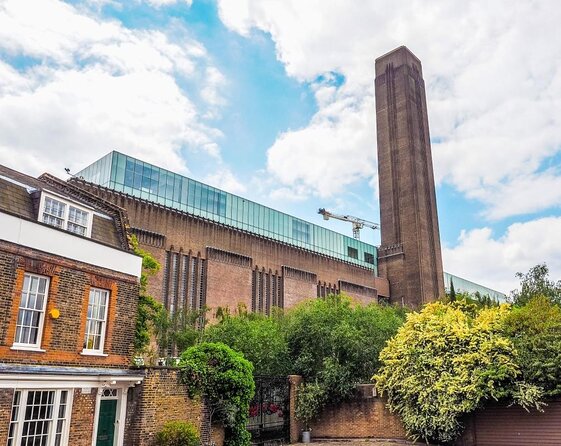
A big part of the value here is the group size. This is semi-private with a hard limit of 8 guests. That matters because Tate Modern can be crowded and echoey, and modern art conversations get better when you can actually hear the guide and the people asking questions.
You’ll have plenty of chances to ask about what you’re looking at. That is the difference between visiting modern art like a spectator versus visiting it like an active participant. The tour also keeps the group from stretching out too far, so you stay oriented rather than drifting.
On top of that, you’re working with a professional guide. Based on the named guides linked with this experience—Sasha and Becky—there’s a clear pattern: they guide you toward context instead of handing you a single “correct” interpretation. In practice, that means you get enough structure to think on your own.
Getting There Smoothly: Meeting Point, Timing, and Practical Setup
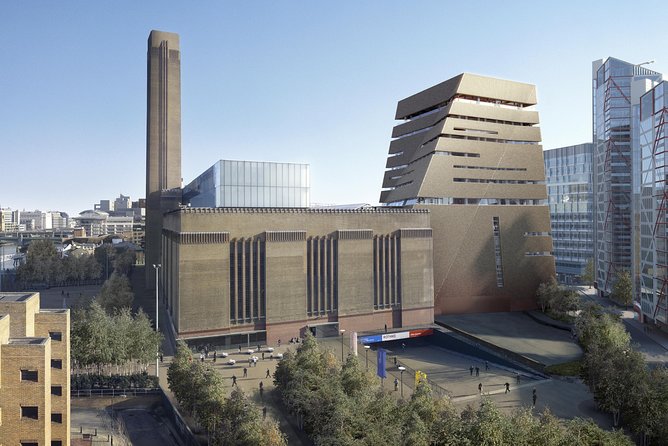
This tour starts and ends at Tate Modern, Bankside, London SE1 9TG. There’s no hotel pickup or drop-off included, so plan to reach the museum on your own—Uber or a taxi is a simple option if you’re juggling luggage or kids.
You’ll also want to be ready for London museum logistics:
- You’ll need a mobile ticket.
- You’re required to provide a mobile phone number (including country code).
- No large bags or suitcases are allowed inside—think handbag or small thin bag packs for security.
- Dress is standard for a museum, but some sites may have dress requirements.
One more thing that affects the feel of your morning or afternoon: lines. Even with time-saving access options at some attractions, some rooms can still have slowdowns due to security. The guide will help you navigate the flow, but it’s still smart to show up with a calm timeline.
If you’re the type who likes knowing rules in advance, here’s a key one: there are rooms with quiet or restricted speaking rules. The guide will brief you on which areas require low voices before you enter.
From Mondrian to Warhol: How the Tour Makes Modern Art Click
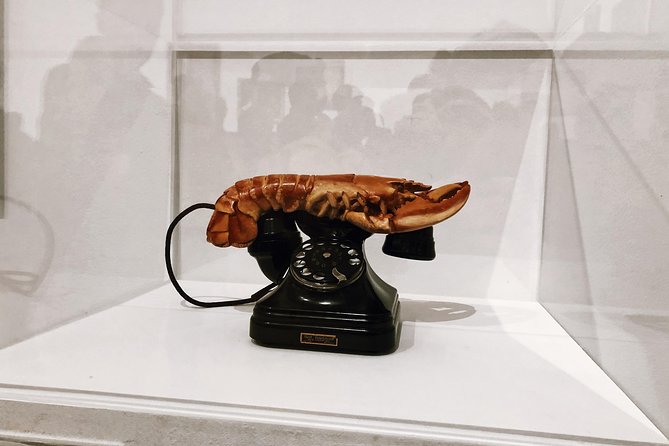
The heart of this experience is a carefully chosen path through Tate Modern’s collections. You’re not getting every room. You’re getting the rooms that build understanding fast.
You’ll start with major ideas and styles, then move into artists with enough story to make the art feel grounded.
Mondrian’s Geometry: Color as a System
You’ll spend time with Mondrian, including his famous geometric patterns of color. The goal isn’t to turn you into an art critic. It’s to help you see structure—how repeated forms and bold color relationships create meaning without needing a literal subject.
If you’ve ever stared at modern paintings and wondered where you’re supposed to look first, this part helps you build an answer.






Picasso and Dali: Art Shaped by the Spanish Civil War
Next comes Picasso and Dali, with a focus on work made during the Spanish Civil War. That matters because history doesn’t sit politely in the background of art. In this part of the tour, you’ll connect what’s happening in the world to what’s showing up in the work.
It’s a strong move for beginners, because it gives you something concrete to hold onto. You’re not just reacting to shapes—you’re tracking how artists respond under pressure.
Monet and the Impressionists: Light, Seeing, and Time
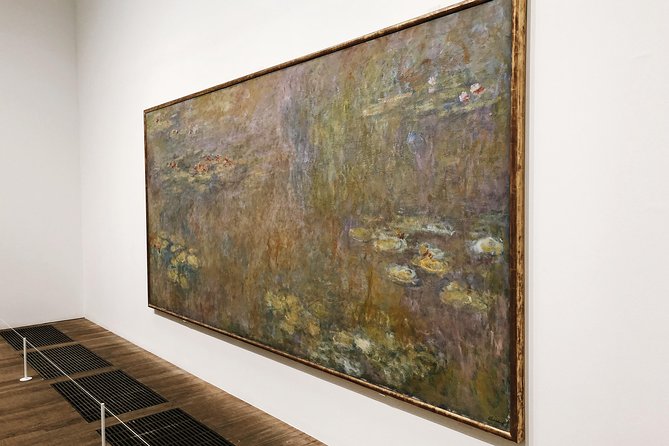
You’ll also cover Impressionists like Monet. This part helps you compare modern abstraction with earlier ways of breaking from strict realism. It’s the bridge that makes modern art feel less like a sudden leap and more like a chain of changes.
Rothko and Abstract Expressionism: Emotion Without a Storyline
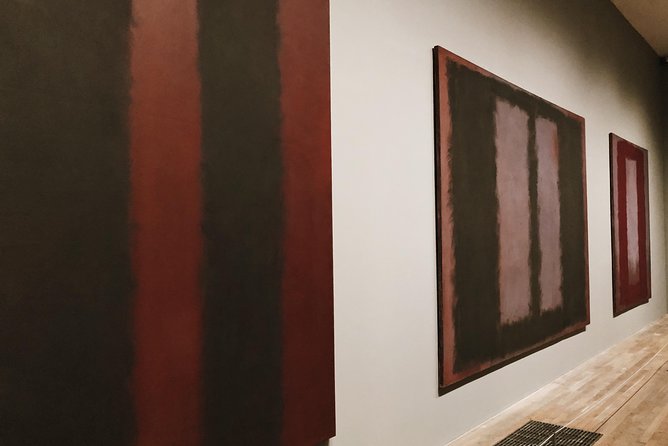
Then you get abstract-expressionist work, including Mark Rothko. Rothko is a perfect example of why a guided tour helps. If you don’t know what to focus on, you might wait for a scene to appear. With context, you start noticing how color fields, scale, and repetition shape the feeling of the room.
This is also where the guide’s question time becomes useful. Instead of guessing what a painting is “supposed” to mean, you learn how to describe what you experience.
Warhol’s Pop Art: Fame, Faces, and the 1960s
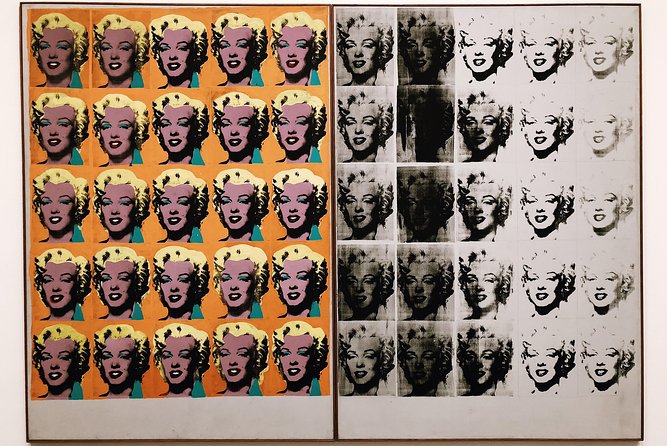
Finally, you’ll step into the 1960s with Andy Warhol’s pop art, including faces like Marilyn Monroe and other celebrities. This section pulls modern culture into the museum. It’s not just art history; it’s also media history.
You’ll likely find yourself thinking about how celebrity images become symbols—and how art mirrors that process.
Duchamp’s Fountain: When the Tour Forces Better Questions
The tour includes a special moment around Duchamp’s Fountain. Expect a pause that feels more like a reset than a lesson.
You’re encouraged to take a long, deep breath and slow down before questions take over. This is the part that can change how you look at art for the rest of your visit, because Duchamp’s challenge is not about technique. It’s about definitions.
By the time you’re standing there, you’re not only looking. You’re questioning what art even is, and how a museum frame changes what you think you’re supposed to see.
Architecture as a Co-Star: A Converted Power Plant Tour Route
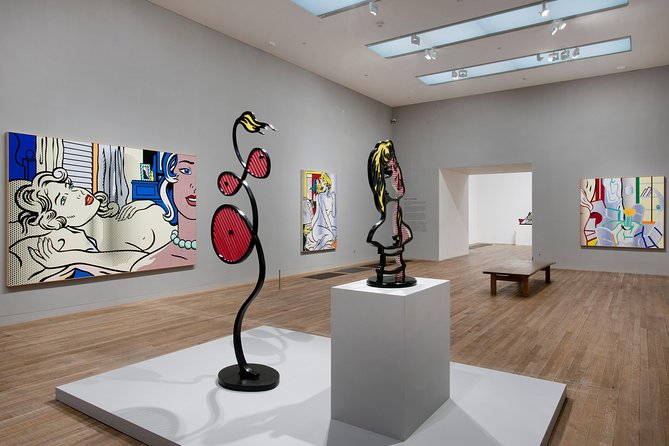
Tate Modern’s setting is not a backdrop. It’s a big part of why the museum works.
Because the building was originally a power plant, the museum has a strong industrial character. That can make huge galleries feel even more dramatic and can amplify the contrast between concrete space and abstract work. In plain terms: the building helps the art land harder.
This tour gives you the building history too, so you understand why the space feels the way it does. And that helps you stop thinking of the museum as just a box full of art and start seeing it as a designed environment for big ideas.
What You’ll See Versus What You Won’t
This experience focuses on the museum’s collections, not temporary displays. Temporary exhibitions are not included in the tour.
That’s not a problem—it just means your guide will spend time where the story is consistent and the context is built-in. If you’re in London for a short window, this can actually be better value than chasing a temporary exhibit that might not be as connected to your overall art understanding.
Also, collections can vary by year, so the exact mix of works you notice may shift slightly across seasons. The structure of the tour—big names and key themes—stays the same.
Price and Value: Is $107.45 a Good Deal?
At $107.45 per person, you’re paying for a true guided experience, not a casual “walk and point” approach.
Here’s why the price can still make sense:
- It’s semi-private with a max of 8 guests.
- You get a professional guide for about 2 hours.
- Admission is listed as free for the tour, so you’re not double-paying for entry.
For Tate Modern, the value is in the help you get making sense of the art fast, especially if you’re not already an art-history person. If you tried to do this alone, you’d probably spend extra time searching for a good route and still miss the story connections that make the art feel personal.
If you love art and have lots of time, you might not need a guided path. But if you want efficient, thoughtful context without the stress of figuring it out yourself, this is priced like that kind of service.
Who This Tour Suits Best (and Who Should Skip It)
This tour fits best if you:
- are curious but feel unsure about modern art
- want help understanding famous artists and what shaped their work
- like discussion and want time for questions
- prefer a smaller group so you can actually hear and participate
It’s less suitable if you:
- have walking disabilities or use a wheelchair (this one is not available for those needs)
- need a super-low-movement route (the tour calls for moderate physical fitness)
If you’re traveling with family, it’s also a strong option because the format works well for conversation. You don’t have to translate abstract art by yourself; the guide gives you the starting points.
When Closures Happen: How the Tour Responds
Museums can change plans without much warning. If Tate Modern or nearby attractions have occasional closures, the tour notes that you may be offered an appropriate alternative if the opening time is delayed by more than 1 hour from the tour start.
If the delay is less than that, refunds or discounts may not be possible. The takeaway is simple: keep some flexibility in your schedule, especially if you’re visiting during peak times.
Should You Book the Tate Modern Semi-Private Tour?
I’d book this if you want modern art to stop feeling like homework. The small group size, the art-focused route, and the emphasis on questions make it one of the more beginner-friendly ways to see Tate Modern properly.
Skip it if accessibility is a concern, or if you’re already confident navigating modern art on your own and prefer a self-paced wander. Also skip it if you care most about temporary exhibitions, because those are not included.
For everyone else—especially first-timers—this is a practical way to get from I don’t get it to I get what I’m looking at and why it matters.
FAQ
How long is the Tate Modern semi-private guided tour?
The tour runs for about 2 hours.
What is the maximum group size?
The tour is semi-private, with a maximum of 8 guests.
Is admission to Tate Modern included?
Yes. Admission is listed as free with the tour.
Is this tour wheelchair accessible?
No. The tour is not available for those with walking disabilities or for guests using a wheelchair.
Where does the tour start and end?
It starts at Tate Modern, Bankside, London SE1 9TG, UK, and ends back at the same meeting point.
Are temporary exhibitions included?
No. Temporary exhibitions are not included in this tour.
Do I need to provide a mobile phone number?
Yes. You must provide a mobile phone number (including country code).