REVIEW · LONDON
Turmoil, Templars & Oliver Twist London’s Squalor and Splendour
Book on Viator →Operated by Historic London Tours · Bookable on Viator
Justice and Templars, right next to Dickens, make this walk feel like a history play. The guided route through Holborn links medieval power, criminal justice, and the places that fed Oliver Twist. In about two hours, you get a clear story line without having to stitch it together yourself.
Two things I really love: the small-group size (max 15) keeps the pace conversational, and the guide Tom makes each stop feel connected instead of random. I also like that the listed stops are free to enter on the route, so your $27.42 goes toward the thinking and guiding, not extra ticket fees.
One consideration: the route totals a solid chunk of walking, and it’s not recommended if you can’t walk two miles at a reasonable pace. Each location is also given a short visit (about five minutes each), so it’s best if you’re okay with a fast, story-led format.
In This Review
- Key points worth knowing
- Holborn in Two Hours: How This Walk Tells Squalor and Splendour
- Stop 1: Bow Street Museum of Crime and Justice and the Bow Street Runners
- Stop 2: Freemasons’ Hall and How Institutions Build Power
- Stop 3: Royal Courts of Justice—Where Law Becomes Theatre
- Stop 4: Temple Church and the Knights Templar Thread
- Stop 5: The London Silver Vaults and the Surprising Side of Wealth
- Stop 6: Staple Inn—The Last Remaining Inns of Chancery
- Stop 7: Old Bailey and Newgate’s Shadow—Where Oliver Twist Fits
- The Guide Matters: Tom’s Clear Answers and Easy Q and A
- Walking Pacing, Distance, and Who This Is Best For
- Should You Book Turmoil, Templars & Oliver Twist?
- FAQ
- How long is the tour?
- What is the price per person?
- Where does the tour start and end?
- Is the tour guided?
- What language is the tour offered in?
- What’s the group size limit?
- Are there admission fees for the stops?
- Is the tour suitable for everyone who can walk?
- Do I get a mobile ticket?
- Is it cancellable if plans change?
Key points worth knowing
- Oliver Twist connections in real legal streets: Dickens shows up through the justice and crime sites you pass.
- Templars and medieval institutions near modern courts: you’ll see how old power maps onto today’s London.
- Seven quick stops with a theme: each segment adds a new layer to the same story.
- Tom’s Q and A style: you can ask questions and get direct answers instead of listening passively.
- Free entry at the stops: you avoid surprise admission costs during the walk.
- Ends near Blackfriars: you finish in a handy spot for onward travel.
Holborn in Two Hours: How This Walk Tells Squalor and Splendour
This is a guided walking tour through Holborn, one of those London neighborhoods where law, old buildings, and city institutions sit close enough to feel like they share the same air. The tour runs about two hours, with seven stops that are each short and focused, so you stay in motion and the story keeps moving.
I like that the format matches what you’re trying to get out of London: not just seeing famous places, but understanding why they mattered. You’ll also notice the tour leans into the contrast behind the title—squalor and splendour—by pairing gritty crime-and-courts themes with places tied to wealth, organizations, and luxury goods like silver.
The group size helps. With a maximum of 15 people, you’re not lost in a crowd, and questions tend to land better. If you book in advance, plan for a starting point at Covent Garden (near Long Acre), and then you finish near Blackfriars, by a Superdrug Health Clinic—convenient if you want to grab a meal or hop onto transit right after.
You can also read our reviews of more tours and experiences in London.



Stop 1: Bow Street Museum of Crime and Justice and the Bow Street Runners
Your first stop is the Bow Street Museum of Crime and Justice, a good launch point because it frames what “crime” and “justice” looked like before modern policing. You’ll hear about the Bow Street Runners, an early force tied to investigating and reporting crime, which helps set up everything else you see later.
What makes this stop valuable for you: it gives names and context. Instead of feeling like you’re visiting random buildings, you start with a specific system and a specific role in society. That makes later stops at courts and prisons easier to follow.
A small drawback is the same one you’ll see throughout the tour: the time here is brief. You’ll get the storyline and the key facts, but you won’t get a long museum-style visit. If you want to linger, plan to come back on your own using what the guide sets up as your compass.
Stop 2: Freemasons’ Hall and How Institutions Build Power
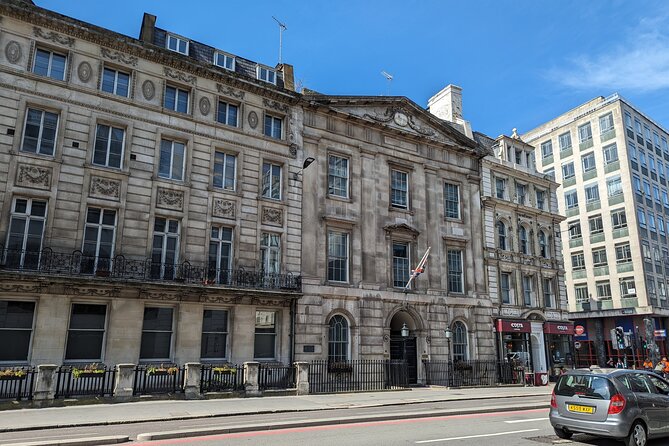
Next is Freemasons’ Hall, where you’ll get a short history of the hall and what it represents. This isn’t only about a private club or a particular group—it’s about how organizations can shape public life, networking, and influence through centuries.
For me, this stop adds a different angle to the tour. Up to this point, you’re thinking about crime and pursuit. Now you’re seeing the “other side” of civic power: people organizing, meeting, and building status in a way that lasts.
If you’re the type who likes to understand social structure—who had access, who held sway—this is a great pivot. The only thing to watch is that the stop is about five minutes, so you’ll want to ask your question early if something specific sparks your interest.
Stop 3: Royal Courts of Justice—Where Law Becomes Theatre
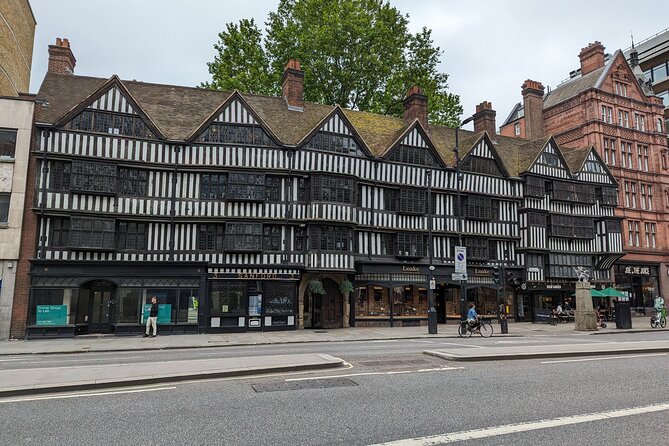
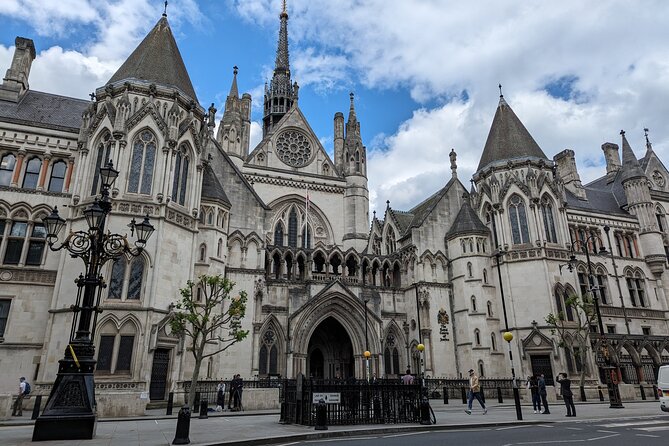
Then you move to the Royal Courts of Justice, one of London’s most visible symbols of the legal system. Here you’ll hear the history of the courts, which helps you connect what you saw earlier in Bow Street to the larger machinery of justice.
This stop works especially well if you like how law is both practical and performative. Courts are where rules get enforced, but they also become a kind of public stage. That matters for literature too—because Dickens didn’t write in a vacuum. He pulled from the city’s systems and the stories those systems generated.
Because the time is tight, you won’t have much time to take in every detail like you would on a longer architecture walk. But the quick orientation is still worth it: it tells you what to look for before you decide whether you want a deeper visit later.
Stop 4: Temple Church and the Knights Templar Thread
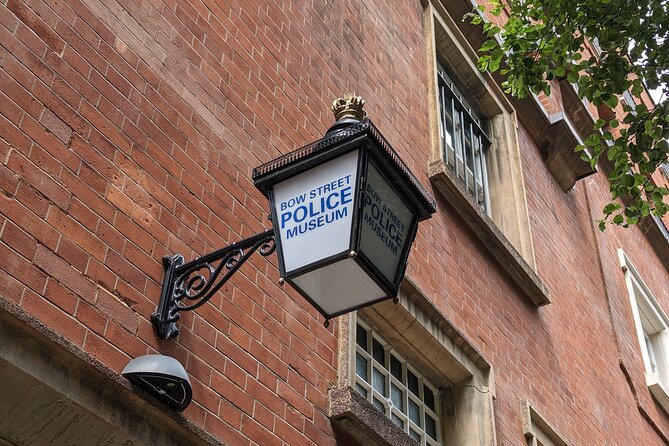
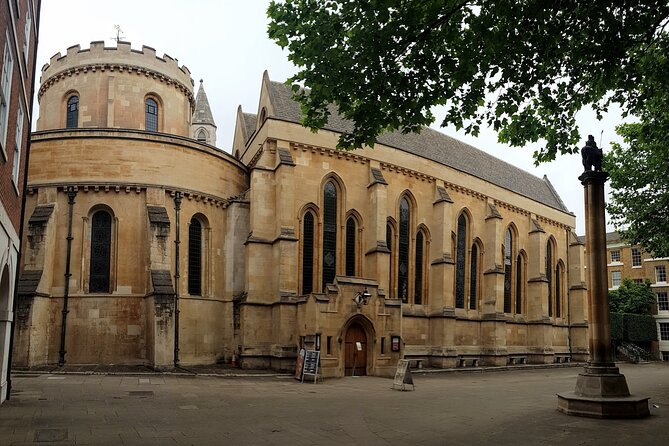
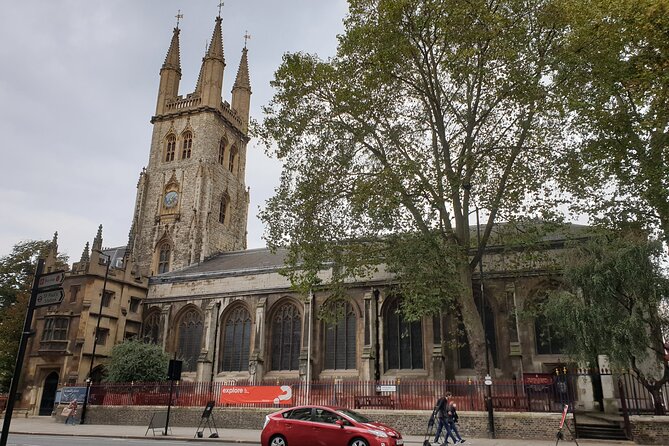
The tour heads to Temple Church, tied to the story of the Knights Templar. This stop is where the “Templars” in the title becomes more than a fun word. It helps you see how medieval orders and religious institutions left marks on the city’s landscape and identity.
What I like about including Temple Church in this specific walk: it pulls time periods together. Instead of treating medieval history like a separate museum category, you’re shown how it feeds the London that later generations inherited—politically, culturally, and physically.
A practical note: because the visit is short, don’t worry about trying to absorb everything at once. Treat this as the moment where you learn the key connections, then take photos and notes so you can follow up if you get hooked.






Stop 5: The London Silver Vaults and the Surprising Side of Wealth
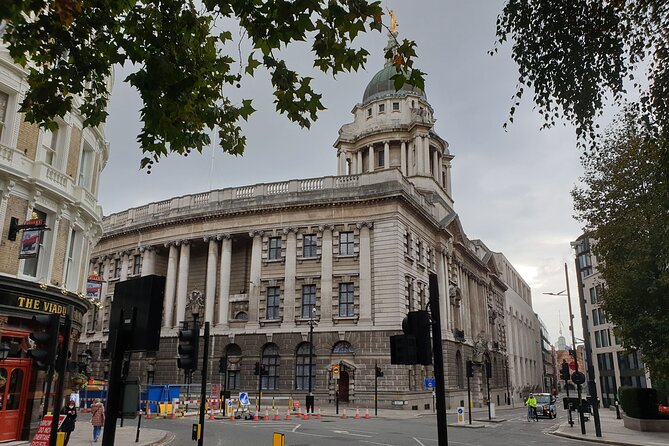
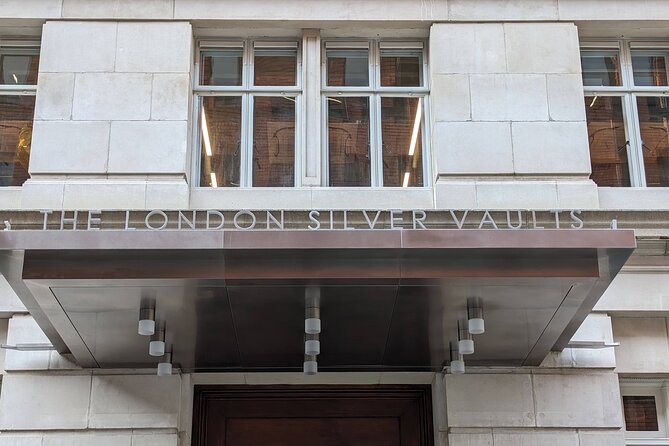
Next is The London Silver Vaults, described as the world’s largest collection of retail silver. This is a fun left turn in the middle of a tour about crime, courts, and medieval institutions.
That contrast is the point. You go from justice and authority to a place focused on display and fine goods. It helps reinforce the “splendour” side of the title, showing that the same streets that deal with punishment and governance also host the trade, taste, and wealth that make power visible.
If you love objects, craftsmanship, or shopping history, you might find this stop pleasantly different. If you’re not into retail browsing, it can feel less intense than a courthouse stop. Still, it’s one of the most memorable changes in tone on the route.
Stop 6: Staple Inn—The Last Remaining Inns of Chancery
Staple Inn is next, and it’s there for a very specific reason. This is the last remaining of the Inns of Chancery buildings, so it’s tied to the legal training and administration world that supported the broader court system.
For you, this stop offers a physical link between how law was practiced and where people worked and learned. Inns weren’t just background—they were part of the ecosystem that fed the legal profession.
The time is short, so you’ll want to pay attention to what makes it distinctive in the street scene, not just what it is. If you’re a visual learner, this is a good stop for that: you can immediately picture how a professional community would have moved through these spaces.
Stop 7: Old Bailey and Newgate’s Shadow—Where Oliver Twist Fits
Finally, you reach Old Bailey, the site of the Central Criminal Court. The tour also references Newgate Prison, which stood on the site before.
This is the stop that helps Oliver Twist feel less like a book and more like a map. Dickens drew from the tension of the city’s justice system, and Old Bailey is exactly the kind of place where that tension becomes real. Even if you’ve only read a little Dickens, this stop gives you a clearer sense of why the legal world mattered so much to his characters and plots.
What makes this ending smart is that it lands thematically. You start with early crime enforcement, move through institutions and court history, thread the medieval past through Temple Church, pause for wealth and trade, then finish at a criminal justice landmark tied to the city’s darker stories. It’s a complete arc in a compact walk.
The Guide Matters: Tom’s Clear Answers and Easy Q and A
The tour’s strongest asset is the guide’s communication style. In the material I’ve seen, Tom comes up repeatedly for being clear and for answering questions in a way that helps you connect dots while you’re walking.
That matters because you don’t always know what to ask on a history route. Here, you’re surrounded by topics people often care about—how crime was handled, what the courts represent, why medieval institutions still show up, and how Dickens used the city. A good guide gives you prompts and then answers your follow-ups without steamrolling the conversation.
If you want to get the most out of the time (and you should, since each stop is brief), come ready with one or two questions. For example: Do you want the “crime and punishment” angle, or the “how old institutions shaped the city” angle? Either way, Tom’s Q and A style is built for that.
Walking Pacing, Distance, and Who This Is Best For
This tour is best if you enjoy a walking format that moves at a reasonable pace and doesn’t require you to spend long stretches inside a building. You’re walking enough to matter, though—there’s a specific warning that it’s not recommended if you can’t walk two miles at a reasonable pace.
If you’re okay with that, you’ll probably enjoy the rhythm: a short scene-setting explanation at each stop, quick context, then you move on to the next chapter. It’s also a good pick if you like “street-level history,” where you learn without needing to plan separate museum days.
It’s not the best fit if you want deep museum-style time at one location, or if you prefer to linger on architecture without a structured narrative. This is a story walk first, not a slow sightseeing checklist.
Should You Book Turmoil, Templars & Oliver Twist?
If your ideal London day mixes Dickens with institutions—crime, courts, and medieval power—this booking makes sense. For the price of $27.42, you get a guided narrative in about two hours, a small group size capped at 15, and a route where the planned stops are listed as free to enter.
I’d especially recommend it if you like getting answers as you go. When the guide is interactive and clear, history stops feeling like scattered trivia and starts feeling like a coherent city story.
Skip it if walking two miles is tough for you, or if you strongly prefer long visits where you control the pace. For everyone else, it’s a smart way to see Holborn with purpose instead of just passing through.
FAQ
How long is the tour?
The tour is about 2 hours.
What is the price per person?
It costs $27.42 per person.
Where does the tour start and end?
It starts near Covent Garden Underground Ltd, Long Acre, London WC2E 9JT, UK, and ends at Superdrug Health Clinic, 36-37 New Bridge St, London EC4V 6BJ, UK, near Blackfriars Station.
Is the tour guided?
Yes, it is a guided walking tour.
What language is the tour offered in?
It’s offered in English.
What’s the group size limit?
The tour has a maximum of 15 travelers.
Are there admission fees for the stops?
The itinerary lists each stop with free admission.
Is the tour suitable for everyone who can walk?
Most travelers can participate, but it’s not recommended if you’re unable to walk two miles at a reasonable pace.
Do I get a mobile ticket?
Yes, the tour uses a mobile ticket.
Is it cancellable if plans change?
Yes, there is free cancellation, and you can cancel up to 24 hours in advance for a full refund.