REVIEW · LONDON
Working Women of the East End Walking Tour
Book on Viator →Operated by Women of London · Bookable on Viator
London’s East End has stories most tours skip. This walk spotlights working women’s influence on daily life, politics, and labor—while threading in the chilling historical context around Jack the Ripper. It’s the kind of tour that makes a neighborhood feel human, not just scenic.
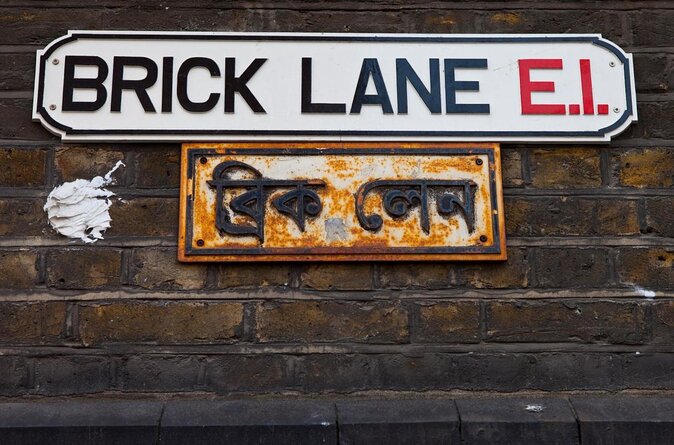
Two things I’d put at the top of my list are the storytelling guides (you may meet Becky or Emily) who keep things clear and lively, and the chance to walk through real places tied to women’s history, including Spitalfields Market and Brick Lane.
One practical drawback to plan for: lunch isn’t included, and the tour’s focus is on walking and short stop-offs, so you’ll want to eat before or after.
In This Review
- Key takeaways
- Why this East End walk feels different from the usual London route
- Meeting at Tower Hill and getting your bearings fast
- Spitalfields Market: where the story connects work, markets, and daily power
- Brick Lane: street-level history with a women-first lens
- The women of the Tower stop: power and public life beyond the postcards
- Jack the Ripper context: learning the real human stakes
- Tour pace, breaks, and how to plan your day
- Who this tour is best for (and who might want something else)
- Price and value: is $55.50 worth it?
- Practical logistics that actually matter day-of
- Should you book Working Women of the East End Walking Tour?
- FAQ
- How long is the Working Women of the East End walking tour?
- Where does the tour start and end?
- What is the tour price?
- Is lunch included?
- Is there a toilet break?
- How many people are in a group?
- Is the tour offered in English?
Key takeaways
- Small group size (up to 20) means you can actually ask questions and follow the thread of the story.
- Two strong guides named in feedback: Becky and Emily—both bring lots of detail without rushing you.
- Women’s history across classes and jobs, not just famous names.
- Spitalfields Market and Brick Lane are stop points, but the story connects them to work, organizing, and everyday survival.
- Jack the Ripper context is part of the route, keeping the conversation grounded in how these events hit real lives.
- A mid-tour toilet/refreshment break is built in, so you’re not suffering through 2.5 hours.
Why this East End walk feels different from the usual London route
Most London walks focus on kings, monuments, and the same handful of landmark photos. This one goes after something more personal: the women who worked, organized, struggled, and shaped the East End—often with little power on paper, but real influence in daily life.
What makes it work is the way the tour connects places to people. Instead of treating women’s history like an add-on, the guide uses the neighborhood as a timeline. You’ll also get the darker side of the area’s past, including the horrific events linked to Jack the Ripper, explained as part of a wider picture rather than a scare tactic.
For me, the best sign is the tone: guides like Becky and Emily are repeatedly described as engaging, friendly, and able to answer questions. That matters because women’s history can get complicated fast—work conditions, class pressure, politics, and public safety all overlap. A good guide helps you hold it all in your head.
The pacing is also built for real people: you’re on foot for about 2 hours 30 minutes, with short stop time meant to keep energy up and keep the story moving.
You can also read our reviews of more tours and experiences in London.



Meeting at Tower Hill and getting your bearings fast
The tour starts at Tower Hill (London EC3N 4DJ) and ends at Spitalfields Market (65 Brushfield St, London E1 6AA). That end point is smart. Spitalfields is easy to reach by public transport, and it’s a natural place to grab food afterward.
Because the group size maxes out at 20 travelers, you’ll likely feel less like you’re watching from the back of a crowd. It’s also the kind of tour where you can lean in with questions if something sparks your curiosity—like how labor organizing worked in practice, or what day-to-day life looked like for different kinds of workers.
One small tip: plan to wear shoes you trust. You’ll be walking through the East End streets, and the tour includes multiple short site moments, so you’ll want your feet ready.
Spitalfields Market: where the story connects work, markets, and daily power
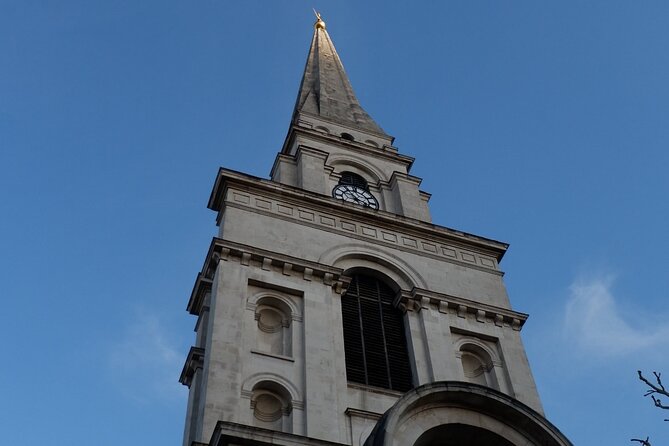
Your first major stop is Spitalfields Market (E1). The time on site is brief—about 5 minutes—and admission is free. That short window can sound like a “blink and you miss it” plan, but the value here is context. The market isn’t just a pretty place to pass through. It’s a stage for the kind of work East End women did to keep families going.
Spitalfields has long been tied to commerce and changing economic tides. In a women-focused tour, that matters because work isn’t just employment—it’s access to networks, information, and leverage. When your guide ties a neighborhood like Spitalfields to women’s labor, you start noticing details that normally get ignored: who benefited, who struggled, and how daily routines created community.
Practical takeaway: if you’re the type who likes to see photos but also wants understanding, this stop gives you the “why” behind the place. Then, when you walk through the market later on your own, you’ll know what to look for.
Brick Lane: street-level history with a women-first lens
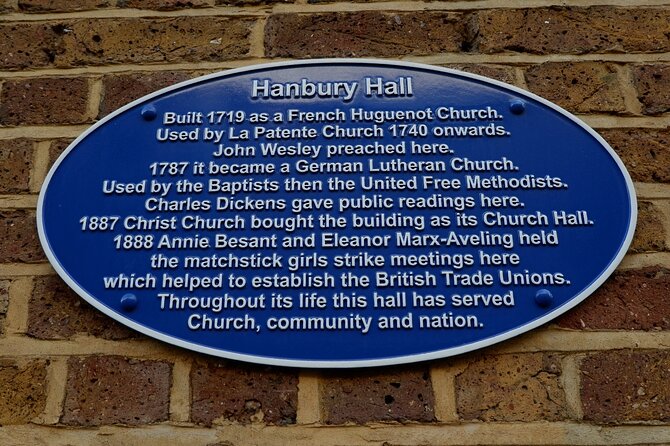
Next up is Brick Lane, also about 5 minutes, with free admission. Brick Lane is one of those streets where history layers fast: different waves of communities, shifting businesses, and constant change. The tour uses that to highlight a women-first narrative—how women’s work and local politics shaped what the area became.
The big thing I like about this approach is that it avoids the trap of listing names only. Working women’s history is about roles and systems: garment work, organizing, informal labor, and the pressure of living in a city where you could be both necessary and powerless.
If you’re thinking, This is only five minutes—why bother? The answer is that the guide isn’t trying to turn Brick Lane into a museum room. They’re using the street itself as the classroom. You’ll get a clear story hook and then carry it with you as you walk.
Practical takeaway: after the tour, take a second lap through Brick Lane at your own pace if you can. You’ll see it differently once you’ve learned what the guide connected to it.
The women of the Tower stop: power and public life beyond the postcards
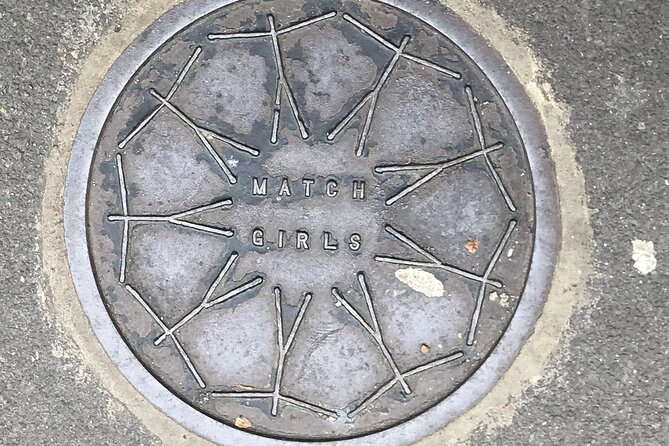
Some tours use the Tower area for views and architecture. This one explicitly shifts focus with a stop described as exploring the women of the Tower. Even though the exact stop details beyond that label aren’t spelled out, the idea is clear: the tour links women to the space and the power structures connected to the Tower Hill area.
Why this matters: women’s history in London isn’t just about private life. It’s also about what happens when women intersect with institutions—law, public order, and the machinery that governs who gets protected and who gets blamed. When your guide brings women into the story of the Tower area, it changes the mental picture. The Tower stops being only a landmark and becomes part of a larger social story.
What to expect from this section is less about a single statue moment and more about narrative threading. The guide uses the setting to help you understand that women’s lives weren’t separate from the city’s power center. Their work, their vulnerability, and their organizing all played roles in the same historical system.






Jack the Ripper context: learning the real human stakes
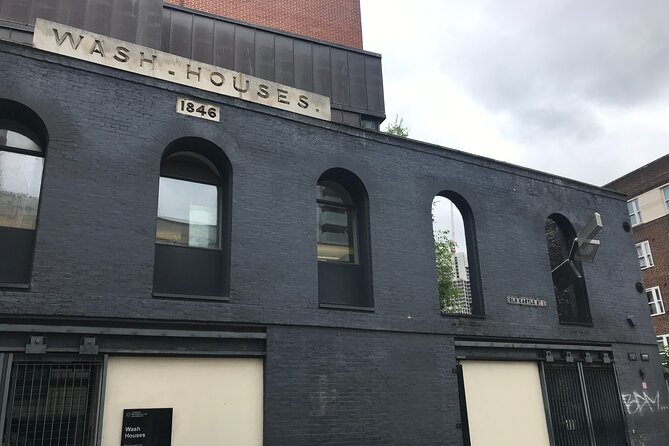
This tour includes a major historical component: the horrific events caused by Jack the Ripper. That topic can take over a walk if it’s treated like entertainment. The better approach is to connect it to the women who lived and worked there, and that’s the angle this tour emphasizes.
Here’s what you’ll likely get out of it: a clearer sense of why the East End is remembered the way it is, and how public fear, policing, and urban poverty shaped the lives of working women. You’re not just hearing a story of crime. You’re hearing a story about the conditions that made vulnerable people more vulnerable—and what that meant for the people trying to survive.
If you’re sensitive to heavy history, go in knowing the content includes brutal events. The value is that it’s placed into context, so you leave with understanding rather than just shock.
Tour pace, breaks, and how to plan your day
The tour runs for about 2 hours 30 minutes. The route relies on short stops (like the 5-minute segments at Spitalfields Market and Brick Lane), which keeps the day moving and helps you absorb a lot without getting stuck in one spot.
A practical win: there’s a toilet break included. One piece of feedback also points to a mid-walk pit stop with restrooms and coffee or tea. That’s not just convenience. It’s the difference between a tour you remember and a tour you barely survive.
What I’d do before you go:
- Bring water, especially if you’re walking on a warm day.
- Wear comfortable shoes since you’ll be on foot for much of the time.
- Plan your meal after. Since lunch isn’t included, you’ll want dinner or something casual near Spitalfields Market, where the tour ends.
Who this tour is best for (and who might want something else)

This is a great match if you want London that feels lived-in, not staged. It suits:
- People who like social history and want working women’s contributions explained in real neighborhood terms.
- Anyone who’s tired of only seeing famous historical figures and wants a bigger range of stories.
- Travelers who enjoy good guiding: the tour is consistently described as engaging, personable, and able to answer questions.
It may be less ideal if you want long museum-style viewing time or if you need a lot of seated breaks. This is a walking story, with brief site moments and movement between them.
It’s also worth noting the tour is offered in English and most people can participate. And with a maximum of 20 travelers, it’s often easier to follow than larger group walks.
Price and value: is $55.50 worth it?
At $55.50 per person for roughly 2 hours 30 minutes, the value comes down to what you get beyond the walking.
You’re paying for:
- A professional tour guide
- A focused women’s history route that connects multiple themes (work, labor movement context, daily life, and darker local history)
- A small-group experience (up to 20)
- Included basics like all fees and taxes
- A mid-tour break with restrooms (and possibly coffee or tea)
You don’t get:
- Lunch or meals (food is on you)
So the real question is whether you’ll use the guide’s expertise. If you like asking questions and want the story to be explained clearly, this price makes sense. If you mainly want scenery and don’t care about historical context, you might feel it’s more than you need.
For most people chasing meaning over photos, it’s a solid deal.
Practical logistics that actually matter day-of
You’ll get a mobile ticket, and the tour is near public transportation, which is helpful in London. The start is Tower Hill and the finish is Spitalfields Market, so you can build a simple plan: tour first, then food and wandering in Spitalfields.
Also, a small heads-up: the tour can be canceled if a minimum number of travelers isn’t met, with either another date or a full refund offered. And on the lighter side of planning, the tour tends to be booked in advance (an average of 37 days), so if you’re traveling during a busy season, don’t wait until the last minute.
Should you book Working Women of the East End Walking Tour?
Yes, if you want a London walk that actually explains how people lived and worked—especially the women who shaped the East End with less power than they deserved. This tour has the right ingredients: short, clear site stops, a guide-driven narrative, a toilet break, and a women-first lens that goes beyond the usual highlights.
If you’re going, treat it like a history lesson you can walk through. Wear good shoes, plan to eat at the end, and come ready for stories that include both hard realities and real change.
FAQ
How long is the Working Women of the East End walking tour?
It runs for approximately 2 hours 30 minutes.
Where does the tour start and end?
It starts at Tower Hill, London EC3N 4DJ, and finishes at Spitalfields Market, 65 Brushfield St, London E1 6AA.
What is the tour price?
The price is $55.50 per person.
Is lunch included?
No. Lunch and food or drinks are not included.
Is there a toilet break?
Yes, a toilet break is included.
How many people are in a group?
The tour has a maximum of 20 travelers.
Is the tour offered in English?
Yes, the tour is offered in English.