REVIEW · CHESTER
Admission Ticket to Sick To Death in Chester
Book on Viator →Operated by Sick to Death · Bookable on Viator
Gory medicine stories in Chester feel weirdly fun. You’ll move through a self-guided exhibition tucked into the city-centre Rows, learning how medicine changed over time with interactive exhibits built for kids and adults alike. Expect doors and corridors that guide you at your own pace, plus plenty of hands-on moments that turn the history of disease into something you actually remember.
My favorite part is how it mixes learning with play: you get science, nasty details, and a sense of discovery without being stuck in a lecture. One thing to think about first: it leans into gross gore and “smell this” style activities, and some parts can be hard to read if you’re sensitive to scary-looking displays or you find the lighting a little dim.
In This Review
- Key Things I’d Put on Your Radar
- A Gory, Self-Guided Walk Through Medicine in the Chester Rows
- Price and Time: Why One Hour Can Actually Be Enough
- Your Game Plan: How to Use the Self-Guided Layout
- Stop 1: Sick to Death and the Plague-Playground Story
- What makes the museum format work
- Smell This Moments, Gore-Adjacent Humor, and the Autopsy Quiz
- The Magical Shop: Witches Cauldrons to Poison Chalices
- Logistics That Actually Affect Your Visit
- Who This Experience Suits Best (and Who Should Think Twice)
- Practical Tips for Getting the Most From Your Hour
- Should You Book Sick to Death in Chester?
- FAQ
- How long does Sick to Death take?
- Where is Sick to Death located?
- How much is the admission ticket?
- Is the experience self guided or do I join a tour?
- What language is the exhibition in?
- What are the opening hours?
- Do I need a printed ticket?
- Is it okay for families and kids?
- Is there free cancellation?
Key Things I’d Put on Your Radar
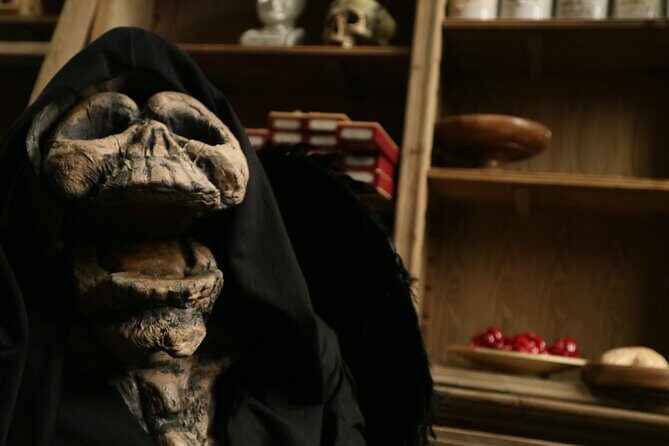
- Self-guided route through doors and corridors so you can slow down or speed up.
- Interactive exhibits that work especially well with younger visitors.
- Plague-and-medicine storyline that connects past outbreaks to the future of healthcare.
- Smell-based activities and an autopsy quiz that make it feel like an event, not a room of posters.
- Magical shop at the end with spell kits, cauldrons, and creepy toys for browsing after you learn.
A Gory, Self-Guided Walk Through Medicine in the Chester Rows
Sick to Death is one of those places that makes you double-take at the title and then—once you’re inside—feel glad you came. Chester’s historic Rows (those covered pedestrian walkways that sit above street level) give it a built-in sense of old-world weirdness. The exhibition takes that vibe and turns it into a guided journey through how people treated illness across time.
What I like most is that it’s self guided. You’re not stuck with a group pace, and you can choose your level of attention. If you want to skim, you can. If you want to read, you’ll find plenty to chew on. The overall tone is family-friendly and playful, but it doesn’t shy away from the reality of disease—just dressed up in entertaining ways.
If your group includes kids, you’ll probably appreciate how the museum’s design nudges attention. It’s not just “look at the cases.” There are interactive-style moments that keep younger visitors engaged without feeling like a cartoon theme park.
You can also read our reviews of more tours and experiences in Chester.



Price and Time: Why One Hour Can Actually Be Enough
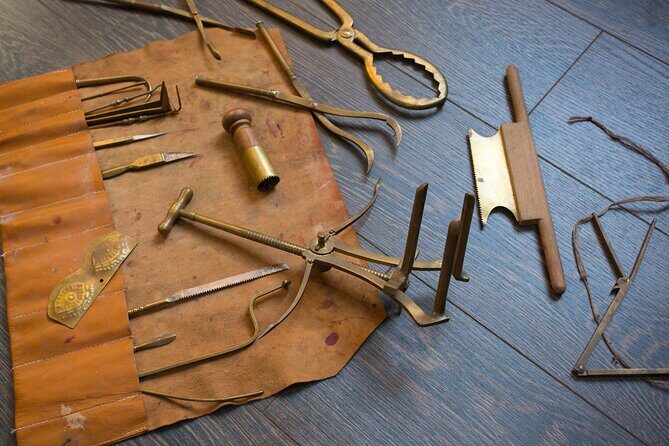
Admission is about $11.05 per person, and the experience runs around one hour. That hour matters because the format is built for it: short sections, lots of visual information, and hands-on bits that don’t drag. If you’re doing Chester city centre sightseeing—church, shops, maybe the Walls—this fits neatly into a day without swallowing it.
Is it good value? For this price, the biggest payoff is that you’re not passively watching content. You’re moving through it, interacting with it, and taking in the history through a story framework. Reviews consistently point out that it’s worth the admission cost, especially when you actually spend the time to engage with the exhibits rather than sprinting.
If you hate attractions with heavy reading, you might not love it as much. There’s a fair amount of information on display. The good news: because it’s self-guided, you can adjust.
Your Game Plan: How to Use the Self-Guided Layout

The museum is designed like a path—doors and corridors that lead you from one themed area to the next. That matters for two reasons.
First, you get a natural flow, so you don’t feel lost. Second, you’re free to pause when something catches your eye, which is the difference between an exhibit that feels like a chore and one that feels like a discovery.
Here’s how I’d plan your visit:
- Start with the basics of the story setup so the later sections make sense.
- When you hit interactive parts, don’t just do them once. Take a second and read what they’re tying the activity to.
- If you’re with kids, let them lead at least a few turns. That keeps the experience fun instead of stressful.
The exhibition also includes a magical shop portion. You’ll likely see it near the end, and it’s part browsing, part vibe reset after the more intense medical themes. It’s a simple close to the experience and a good place to slow down if you’ve been rushing.
Stop 1: Sick to Death and the Plague-Playground Story
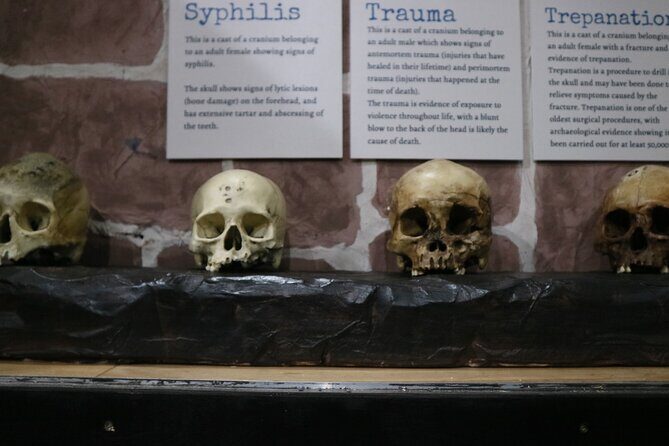
The core experience is the history-of-medicine walk-through, starting with a pitch that’s pretty honest about the mood: get ready for bad smells, gross gore, a bit of magic, and a lot of science and discovery. You’re stepping into a kind of playground of plague, with a splatter of entertainment layered over serious subject matter.
The storyline centers on how medicine developed—from earlier understanding and disease realities to the changes that shaped modern approaches. It’s presented as both history and curiosity: you’re not only learning what happened, you’re also being nudged toward how people think about illness.
One detail I’d call out: it’s set up so you can explore at your own pace. That’s especially useful if you’re traveling with mixed ages, because different people will naturally spend different amounts of time reading, looking, or interacting.
What makes the museum format work
The self-guided “corridor journey” helps you stay oriented. You’re not staring at a single wall of text for an hour. You’re moving through themes—plague, medicine through time, and the science behind the story.
That movement is the hidden value. It keeps the experience from becoming dry, even when the subject is dark.




Smell This Moments, Gore-Adjacent Humor, and the Autopsy Quiz
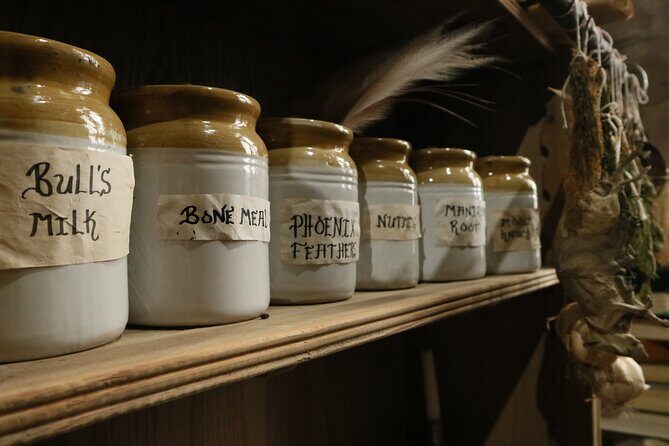
If you want proof this isn’t a typical museum, focus on the interactive bits. There are “smell this” items—exactly the kind of thing that makes kids laugh and makes adults feel awkward in a good way. One of the highlights in feedback is how these sensory moments create a memory hook.
There’s also an autopsy quiz, which adds structure to the chaos. Instead of only consuming information, you get a mini challenge while you’re inside the themed world. That tends to make people read a bit more carefully, because you’re trying to answer the quiz well.
This is also where the “how gory is it?” question matters most. Reviews flag that it can feel horror-ish for some kids. If you’re bringing younger children or anyone who gets spooked by illness imagery, you’ll want to judge your comfort level before you commit.
My practical take: treat it like a playful science attraction with graphic themes, not a gentle children’s story. If your group is okay with that blend, you’ll likely have a great time.
The Magical Shop: Witches Cauldrons to Poison Chalices
The museum doesn’t end at the last exhibit. There’s a magical shop where you can browse themed goods like witches’ cauldrons, spell kits, crystals, poison chalices, and creepy toys.
Why this matters to your experience: it gives the story a playful aftertaste. You’ll walk out feeling like you participated in the world rather than just observed it. It’s also a nice option for families—kids often enjoy a final browsing stop after they’ve done the learning.
If you’re trying to keep the visit budget-friendly, it’s still worth checking out. Just set expectations ahead of time so it doesn’t turn into a sudden shopping debate at the exit.
Logistics That Actually Affect Your Visit
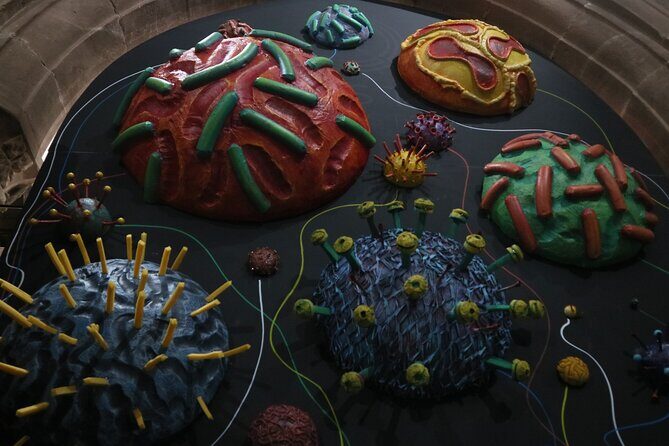
Sick to Death is in Chester city centre, near public transportation. That’s helpful because you can tack it onto a wider day without needing extra planning for parking or long transfers.
It’s offered in English, and the exhibition is designed so that most travelers can participate. Since the experience is self-guided, you don’t have to worry about joining a strict group schedule once you’re inside. You just walk the route and spend as long as you like.
The hours shown are Thursday to Sunday, 10:00 AM to 6:00 PM. If you’re visiting on other days, plan around that window so you don’t arrive to a closed door.
Also, get your ticket sorted in advance. Booking averages around 9 days ahead, and the museum offers mobile tickets, which is convenient when you’re already out exploring.
Who This Experience Suits Best (and Who Should Think Twice)

This place works best when your group can handle:
- humor wrapped around illness history
- sensory elements like smells
- a bit of gross-gore visual energy
It’s a solid match for families. The exhibition is explicitly family-friendly, and it’s built to keep younger visitors engaged through interactive moments. If you’re traveling with teens, it tends to land well because they can handle the visuals and enjoy the “quiz + discovery” style.
It may be less ideal if:
- you have very sensitive kids who get scared easily
- you prefer museums that are clean, bright, and perfectly easy to read at every angle
Some feedback notes that in parts the lighting can make the display text harder to read, and a few exhibits can look a bit worn. That doesn’t ruin the experience, but it’s a good heads-up if you’re the type who wants everything perfectly presented.
Practical Tips for Getting the Most From Your Hour
If you want your money’s worth, plan to slow down for the interactive and the story moments. The exhibits reward attention. That’s a theme in the feedback: the more you put into it, the more you get out.
A few tips:
- Bring a sense of humor. The attraction leans into the nasty theme in a playful way.
- Expect some reading. You can skim, but if you want the context, make room for it.
- Use the self-guided format to manage different comfort levels within your group.
- If you’re visiting with a kid who might be spooked, let them choose which parts to approach more closely.
And because this is on the Rows, wear shoes you’re comfortable walking in. Chester city centre can mean uneven footpaths and lots of strolling between sights.
Should You Book Sick to Death in Chester?
Book it if you want an hour that’s different from the usual Chester lineup—something science-based, interactive, and funny in a dark way. At about $11.05, it’s a good value when you’re open to hands-on activities and don’t mind the subject matter being presented with gore-and-plague energy.
Skip (or at least think carefully) if your group hates scary-ish medical imagery or if everyone in your party is looking for bright, easy-to-read museum displays with minimal gross content.
If you’re on the fence, here’s my simple rule: if you can handle a family attraction that mixes plague history with sensory and quiz-style fun, you’ll likely enjoy this one.
FAQ
How long does Sick to Death take?
Plan on about 1 hour (approximately). The exhibition is self guided, so you can move through it at your pace.
Where is Sick to Death located?
It’s in Chester city centre, on the historic Rows.
How much is the admission ticket?
The price is about $11.05 per person.
Is the experience self guided or do I join a tour?
It’s self guided. The museum uses doors and corridors to guide you through the exhibition at your own pace.
What language is the exhibition in?
The exhibition is offered in English.
What are the opening hours?
It runs Thursday to Sunday, 10:00 AM to 6:00 PM.
Do I need a printed ticket?
You’ll have a mobile ticket.
Is it okay for families and kids?
It’s described as family friendly, with interactive exhibits designed to engage younger visitors. However, it includes bad smells and gross-gore style content, so some kids may find it too scary.
Is there free cancellation?
Yes. You can cancel for a full refund up to 24 hours in advance.