A city map becomes a puzzle in your pocket. This phone-based treasure hunt lets you explore Chester at your own pace, with cryptic clue solving at big landmarks like Chester Cathedral. I like the flexibility most (no printing, you can start when you want), and I also enjoy how the clues nudge you into side streets you’d normally skip. The main catch is that the hunt relies on your phone, so internet coverage can make the experience smoother or rougher.
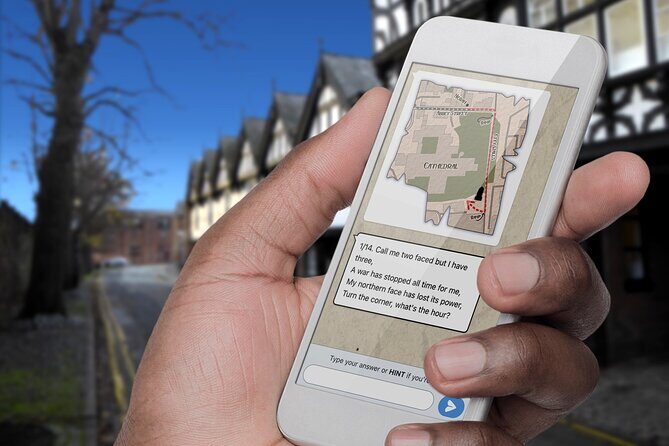
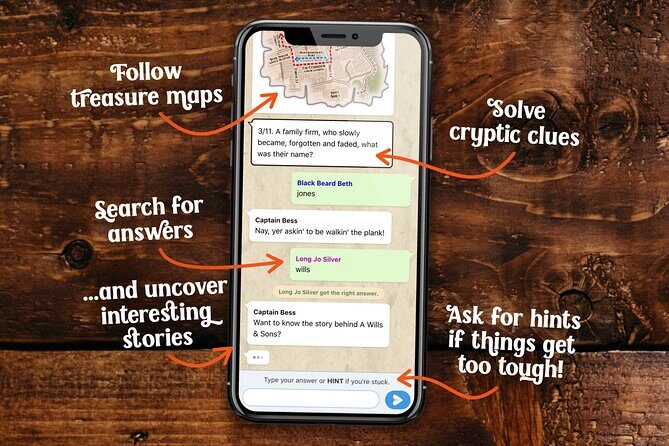
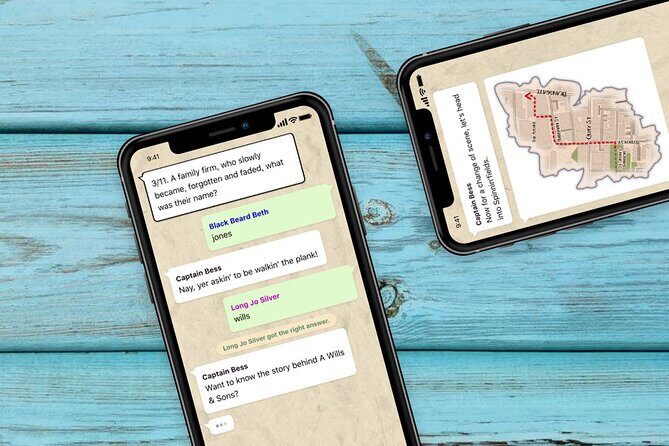
I found the format easy to jump into: Captain Bess sends treasure maps and clue prompts, and it works in a chat-style flow like WhatsApp. You’ll finish back at the start point near Chester Town Hall, and you can even stretch the route across more than one day.
In This Review
- Key things that make this Chester treasure hunt fun
- Treasure Hunt Setup: Captain Bess, WhatsApp-Style Clues, No Paper
- Price and Timing: $20.83 for a 2-Hour Route You Can Stretch
- Getting Around: Private, Walk-Friendly, and Made for Your Group
- Stop 1: Chester Cathedral Turns the Hunt Into a Real-World Puzzle
- Stop 2: Chester City Walls Adds Scope and Story to the Clues
- Stop 3: Chester Roman Amphitheatre Makes the Route Feel Different
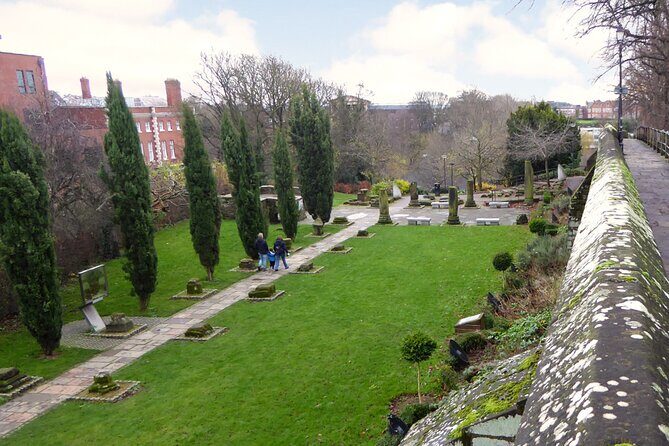
- Stop 4: Chester Roman Gardens Adds a Break From Big Stone
- Stop 5: Grosvenor Park Gives You a Green Reset
- Stop 6: River Dee Connects the City to Its Setting
- Stop 7: Storyhouse Adds a Modern Contrast
- Stop 8: The Chester Rows Finish With Close-Up City Charm
- Internet Coverage and Hint Strategy: When Technology Is the Variable
- Who This Treasure Hunt Suits Best (and Who Might Find It Frustrating)
- So, Should You Book Treasure Hunt Chester?
- FAQ
- How long does the treasure hunt in Chester take?
- Can I choose my start time?
- Do I need to print anything or download an app?
- What language is the experience offered in?
- What stops are included in the route?
- Where does the treasure hunt start and end?
Key things that make this Chester treasure hunt fun

- Captain Bess guides you: treasure maps plus clue prompts show you where to go next.
- Start when you want: pick a time that fits your day, then keep going at your own speed.
- 8 memorable Chester stops: from Roman remains to the Rows, the route is built for variety.
- Hint button when stuck: you can ask for help instead of getting stuck in frustration.
- Phone-friendly and paper-free: no downloads or printing required, just your ticket on your phone.
Treasure Hunt Setup: Captain Bess, WhatsApp-Style Clues, No Paper

This is a self-guided Chester treasure hunt built around your phone. Captain Bess messages you with maps and clues, and you work through them one stop at a time. It’s meant to feel like a conversation, not a rigid script, which is why it works so well for families, couples, and solo explorers who want control of the pace.
You don’t need to print anything. There’s also no need to download an app or grant extra permissions, and the setup is designed to be straightforward. You’ll also be able to start when you want and keep moving when you’re ready, which matters in a place where streets, shops, and crowds can change your day plan quickly.
One practical note: because it’s phone-driven, you should plan as if signal might be uneven in parts of the city. If you know Chester is a place where you sometimes lose data indoors, treat this like a normal phone navigation day, not like you’re guaranteed uninterrupted service everywhere.
You can also read our reviews of more tours and experiences in Chester.



Price and Timing: $20.83 for a 2-Hour Route You Can Stretch
At $20.83 per person for about 2 hours, this hunt can be good value if you like puzzles and walking. You’re paying for more than a route—it’s the structure that turns Chester into an interactive scavenger hunt. That structure often costs extra in other tour formats, especially when you start adding “entry fees plus guiding plus something to keep kids engaged” into the mix.
The timing is also flexible. You can choose a start time that suits you, and you can complete the hunt over several days if you want. The activity runs daily from 8:00 AM to 6:00 PM, and that’s useful if you want a calmer morning or you’re planning around lunch.
It’s also commonly booked about 7 days in advance, so if you’re visiting in peak periods, grabbing a slot ahead of time can save you hassle. For best results, I’d aim for a time when you can slow down and actually read clues, not just rush between landmarks.
Getting Around: Private, Walk-Friendly, and Made for Your Group
This is a private activity, which means only your group participates. That’s a big deal when you have different walking speeds, kids with different moods, or adults who want to pause for photos without holding anyone hostage.
The hunt is intended for people with moderate physical fitness. In plain terms: you’ll be walking around Chester’s center at a city pace, and you’ll likely stop often to look closely at buildings and street details. It’s not described as wheelchair-focused in the info you provided, so if you need step-free routes, you’ll want to plan carefully around specific streets and stops.
Good news: it’s near public transportation, and service animals are allowed. If you’re coming in by train or bus, you won’t feel stranded before you even start solving.
Stop 1: Chester Cathedral Turns the Hunt Into a Real-World Puzzle

Your first stop is Chester Cathedral, and it’s a strong choice. Starting at a major landmark helps you quickly understand the style of the hunt: you’ll be prompted to spot details in your surroundings, connect clues to what you see, and then move onward.
A cathedral start also gives you an easy “big picture” moment. Even if you aren’t there for a long visit, it helps orient you. You get your bearings fast, then you can spend the rest of the hunt in a more confident, curious way instead of feeling like you’re wandering with no plan.
Possible drawback: if you arrive right when other people are gathering nearby, you might feel a little crowded while you search for clue answers. A simple fix is to pause just a bit, use the hint system if needed, and give yourself time to read carefully.
Stop 2: Chester City Walls Adds Scope and Story to the Clues
Next up are the Chester City Walls. This stop adds “place” to the puzzle. You’ll likely be looking at how Chester’s defenses shaped how the city developed and how people moved through the area.
What I like about a walls stop in a clue hunt is the feeling of scale. You’re not just reading about history—you’re seeing how the city boundaries affect sightlines and where you end up walking next.
Consideration: walls and older city areas can mean changes in footing and slope depending on where you’re standing. This is still a “moderate fitness” activity, so if you’re sensitive to uneven ground, take your time and treat the hunt like a slow walk with breaks.




Stop 3: Chester Roman Amphitheatre Makes the Route Feel Different
Then the route goes to the Chester Roman Amphitheatre. Roman sites can be tricky in tours because you either get a quick look or you spend too long reading signs. In a clue hunt format, the Roman angle becomes practical: you’re drawn to specific details and asked to notice what’s around you, not just what’s on the information board.
This is where the hunt can feel like a living scavenger story. Instead of moving from one photo spot to another, you’re solving in the same space where past life happened.
If you’re traveling with kids: this is one of those stops where the hint option can save the day. The info you provided notes that hints are available if you can’t find an answer quickly, and that can prevent a minor puzzle from turning into a full-on meltdown.
Stop 4: Chester Roman Gardens Adds a Break From Big Stone

After Roman stone, you head to Chester Roman Gardens. Garden stops are smart in a walking game because they naturally slow you down. You get a chance to regroup, look carefully, and reset your brain before you tackle more “streets and buildings” style clues.
This section can also be a breather for families. If someone is tired, you can pause without ruining the flow, since the hunt is built for you to move at your own pace.
Practical tip: if you’re doing this in warmer months, bring water. The hunt structure encourages frequent looking, which means more time spent outdoors than you might expect from a “just two hours” activity.
Stop 5: Grosvenor Park Gives You a Green Reset
Grosvenor Park is next. The hunt’s park timing makes sense. It’s a change of scenery, a place to walk without feeling like you’re trapped between crowds, and a natural spot to regroup before the more urban segments.
This stop can also help you recharge your energy. The hunt includes multiple historic targets, so a green reset matters. If you’re traveling with a group that includes anyone who gets restless, this is often where they can settle back in.
One small consideration: if weather turns, parks can be muddy or windy. You’ll likely still be fine, but plan footwear accordingly, since you’re doing a walking quest.
Stop 6: River Dee Connects the City to Its Setting
Then you’ll move toward the River Dee. A river stop gives the hunt a sense of geography. It also works well for clue hunting because rivers create visible landmarks: edges, bridges, and water-adjacent views that are easy to reference when you’re scanning your phone maps and prompts.
I like this kind of stop because it breaks the pattern of only “looking at buildings.” You get to understand Chester not just as architecture, but as a city built beside a working landscape.
If you’re trying to keep the hunt smooth on a phone: riverside signal can sometimes be variable. It’s another reason to keep an eye on connectivity and use hints early rather than waiting until the last second.
Stop 7: Storyhouse Adds a Modern Contrast
Storyhouse is on the route. This stop brings the hunt into the present day, which keeps it from feeling like a museum tour in disguise. Even if you’re not going inside, you’ll get a shift from Roman and medieval textures to a more modern Chester vibe.
That contrast is valuable. It helps you connect what you’re learning (through clue prompts and stories) to what the city feels like today. When the hunt ends, you’re left with more than a list of landmarks—you’re left with a mental map of Chester as a living city.
Family note: Storyhouse is also a good place to regain momentum if anyone’s lost interest. A change in setting can reset attention quickly.
Stop 8: The Chester Rows Finish With Close-Up City Charm
Finally, the Chester Rows bring the treasure hunt into the most characterful street-level experience in town. The Rows are built for looking—arcades, layered walkways, storefront details—and a clue hunt makes you notice them in a way a normal stroll might not.
This is where you can turn the experience into something extra. The format is flexible enough that you can pause for shopping, take photos, or even turn the day into a longer wandering loop. Your guide material also notes you can adapt it—like using the hunt as a playful start for a pub crawl—if that fits your group.
One drawback to watch for: seasonal setup and crowds can block or obscure clues. You may run into a market day or holiday displays that cover what you’re trying to find, so go slowly and don’t be afraid to switch to hints if you can’t locate an answer quickly.
Internet Coverage and Hint Strategy: When Technology Is the Variable
Here’s the reality check: this hunt runs on your phone, and the experience depends on connectivity. One person had issues with internet coverage during the hunt, and another described the hunt stopping right at the end for multiple people. That’s the only major “could ruin your day” factor in the whole concept.
The good news is that you’re not left helpless. The hunt includes a hint option, so if you’re stuck, you can ask for help instead of burning time. If a clue feels hard, use the hints rather than forcing it until the fun drains out.
Also, the provider has responded to at least one connectivity problem by refunding that experience and pointing to a fun-or-your-money-back style guarantee. That doesn’t fix the stress in the moment, but it does mean you’re not expected to “power through no matter what” if the tech fails.
My practical approach if you’re planning this: start with enough time that a minor delay won’t wreck dinner plans, and keep your eyes on your phone battery and signal strength as you walk.
Who This Treasure Hunt Suits Best (and Who Might Find It Frustrating)
This is ideal for all ages and it’s built for self-paced wandering. If you like solving puzzles while sightseeing, you’ll probably have a blast, especially because the route hits both famous sites and the more detailed street experience around the Rows.
Families can do well, but keep one thing in mind: clues can be challenging. The hunt is designed to be manageable with hints, yet some families find that children get frustrated if puzzles feel too difficult. My suggestion is simple: treat hints like a tool, not a last resort. When kids are stuck, jump in quickly and keep the pace upbeat.
Couples and friends also fit this well. It adds structure to your walk without turning it into a scripted guided tour where you feel rushed. You can stop for photos, take short breaks, and finish whenever your group is ready.
If you hate phones while traveling, or you know your mobile data struggles in busy city centers, this may not be your best match. The concept is great, but it’s still a phone-powered experience.
So, Should You Book Treasure Hunt Chester?
I think you should book it if you want an affordable, flexible way to see Chester beyond the obvious photo points. At $20.83 per person, you’re paying for a built-in game that helps you notice details, learn facts through story prompts, and explore with less pressure than a traditional guided walk.
Book it with confidence if:
- you enjoy puzzles or even just like playful challenges
- you want a self-guided plan that works around your start time
- you’ll use hints if you get stuck
- you like walking and breaking up the route with pauses
Skip it (or prepare extra) if:
- your phone signal is often unreliable where you travel
- your group hates clue-solving and just wants straight sightseeing
- you need a fully hands-off tour without tech dependence
If you’re the kind of traveler who likes a little mystery in your day and you don’t mind walking between landmarks, Treasure Hunt Chester is an easy win.
FAQ
How long does the treasure hunt in Chester take?
It lasts about 2 hours, though you can complete it at your own pace and even finish it over several days.
Can I choose my start time?
Yes. You pick a start time that fits your day, and you can start when you want.
Do I need to print anything or download an app?
No. You use a mobile ticket, and you don’t need to print or download anything.
What language is the experience offered in?
It’s offered in English.
What stops are included in the route?
The hunt takes you to Chester Cathedral, Chester City Walls, the Roman Amphitheatre, Roman Gardens, Grosvenor Park, River Dee, Storyhouse, and the Chester Rows.
Where does the treasure hunt start and end?
It starts at Chester Town Hall Square on Northgate St (CH1 2HQ) and ends back at the same meeting point.