REVIEW · OXFORD
90 Minute Classic Walking Tour of Oxford
Book on Viator →Operated by Escape to Oxford · Bookable on Viator
Oxford can feel like a puzzle box at first.
This 90-minute classic walk turns it into a clear route, with small-group stops and stories you won’t pick up from a map. I especially like how the walk links big campus moments to Oxford’s bigger turning points, from the Reformation era to the university’s present-day core. The main drawback to plan for is weather: the tour needs good conditions, and the outdoor walking can mean you’re moving even if you’re trying to avoid rain.
What I like most is the pace—about 1.5 to 2 hours—so you actually finish the highlights without feeling rushed. Second, you get real depth at key photo stops, including the Bodleian Library area and the Radcliffe Camera precinct, with context that makes later sightseeing easier. One consideration: Carfax Tower’s admission isn’t included, so you may want a little extra cash or card ready for that final viewpoint.
In This Review
- Key highlights you’ll feel on the walk
- Meeting at Martyrs’ Memorial: start with a sharp Oxford story
- Bodleian stop: why the library matters beyond the postcard
- Christopher Wren’s 1669 project and the first purpose-built public museum
- Bridge of Sighs and High Street: the Oxford you recognize, plus why it’s there
- Radcliffe Camera: the university heart you can feel
- Carfax Tower and the back-street Oxford vibe
- Why the small group changes everything
- Price and value: what you get for about $38.82
- Pacing, comfort, and practical tips before you go
- Who should book this walking tour
- Should you book this 90-minute Oxford walk?
- FAQ
- What is the meeting point for the Oxford walking tour?
- How long does the tour take?
- What time does the tour start?
- How many people are in the group?
- Is the tour offered in English?
- Do I need to buy separate admission tickets for each stop?
- Are children allowed on this tour?
- Are dogs allowed?
- Are service animals allowed?
- What happens if the weather is poor?
Key highlights you’ll feel on the walk
- A maximum group size of 10 for questions, slower moments, and an easier back-and-forth with your guide
- Free-entry stops at several major sites, with one notable exception (Carfax Tower)
- Oxford University story in walking form, from “Ashes of the Reformation” roots to the heart of the precinct
- Wren + the first purpose-built public museum, plus the Bridge of Sighs for that classic Oxford look
- A mix of famous landmarks and side streets, including Magpie Lane and the haunted-atmosphere areas
- Strong guiding energy, with guides like Nick, Andrew Parker, and Graham praised for facts, humor, and tailoring the tour
Meeting at Martyrs’ Memorial: start with a sharp Oxford story
You begin at Martyrs’ Memorial on Magdalen Street. It’s a dramatic place to launch from: the memorial honors three Anglican clerics burned at the stake for heresy in the 1500s. Even if you don’t usually read plaques, the guide’s framing usually helps this stop click fast. It sets a theme for the whole walk—Oxford isn’t only about pretty buildings. It’s also about belief, conflict, and change.
From here, the tours run daily with set start times (11 am and 2 pm). If you like planning your day around a single event, this helps you do the rest of Oxford on purpose: museums later, college strolls after, and a pub stop when your feet finally agree.
You can also read our reviews of more tours and experiences in Oxford.



Bodleian stop: why the library matters beyond the postcard
Next you head toward the Bodleian Library and the Scholastic Quadrangle, walking into an Oxford layer that many first-time visitors miss. The tour links the library’s growth to the aftermath of the Reformation—how institutions can rise from upheaval. That explanation is useful because Oxford colleges and libraries can feel like separate “tour stops.” Here, you get a connective story.
You’ll spend just a few minutes at this point, which is ideal if you want the big picture without turning the walk into a full museum day. Also, admission here is free as part of the experience, which is a nice value perk.
If you’re a person who hates standing still, don’t worry. This tour keeps you moving, but it pauses enough for you to understand what you’re looking at.
Christopher Wren’s 1669 project and the first purpose-built public museum
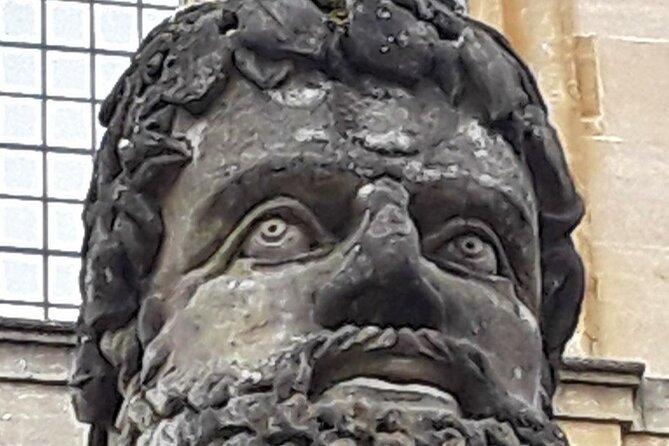
One of the tour’s great tricks is pairing architecture with purpose. You’ll see the ground-breaking early work by Christopher Wren (built in 1669). This isn’t just “famous building, famous architect.” The guide ties what you see to why it was built and what it signaled for the time.
Then you move to a site described as the first purpose-built public museum in the world (as presented on this route). That matters for two reasons:
1) It explains why Oxford’s museum culture feels older and more intentional than a lot of modern collections.
2) It gives you a reason to care when you pass by museum buildings later in your own exploring.
For value-focused travelers, this portion is strong because it blends major visual landmarks with included access. You’re not paying your way into every stop, and you still get “why it’s important.”
Bridge of Sighs and High Street: the Oxford you recognize, plus why it’s there
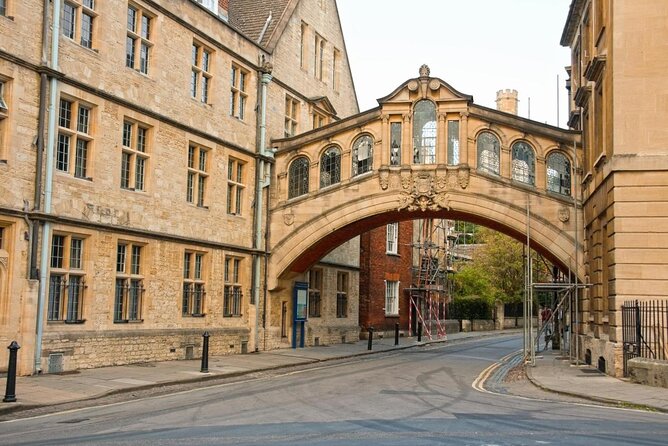
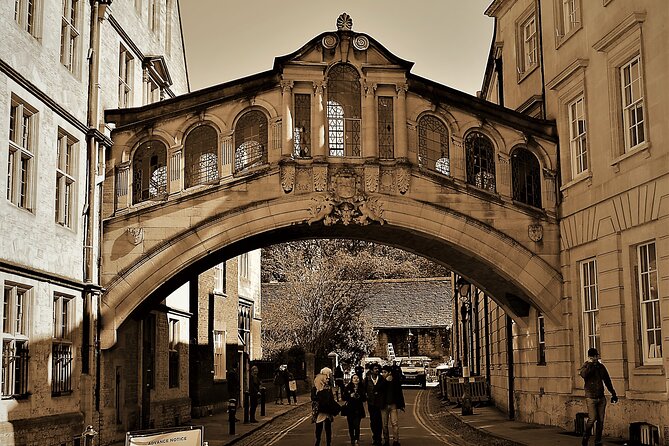
After the museum-and-architecture moment, you reach the Bridge of Sighs. It’s iconic, and it earns its reputation: it adds a romantic twist to an otherwise scholarly skyline. You also get a practical benefit from stopping here—now you know where the “set-piece” views come from, so your later photos look more like Oxford and less like generic stone streets.
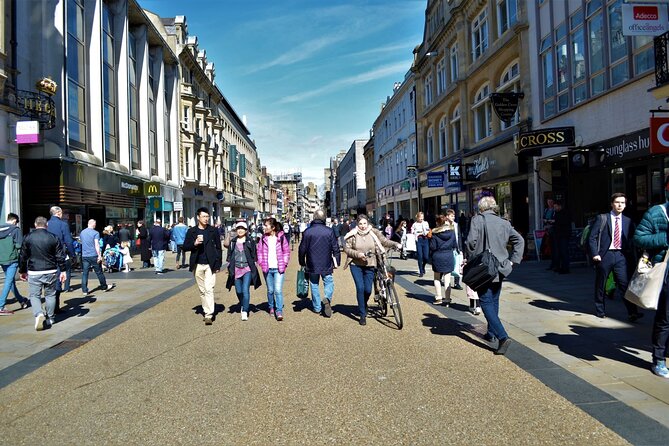
Then comes Oxford’s High Street, which the tour frames as a history lesson in itself: you’ll see the colleges along the way and hear about notable past students, including references to C. S. Lewis, Shelley, Bob Hawke, and Bill Clinton. Even if you’re not an academic-history person, this is a helpful way to connect the street to real-world influence.
One small-but-smart detour is Magpie Lane, described as narrow, winding, and a bit infamous. It’s exactly the kind of street that makes Oxford feel like Oxford. It also breaks up the bigger-road view, so you get both the grand and the quirky in one pass.
Radcliffe Camera: the university heart you can feel
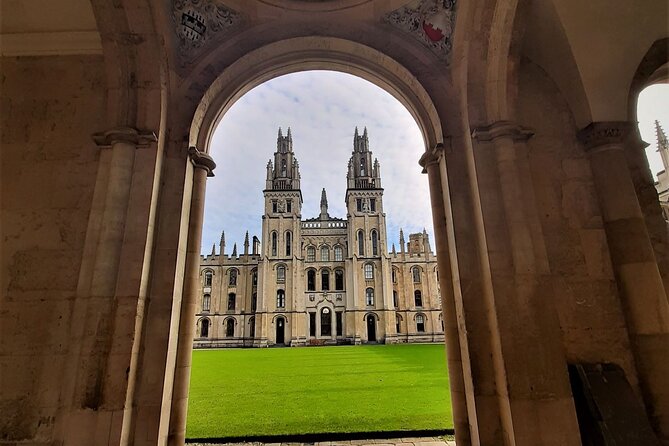
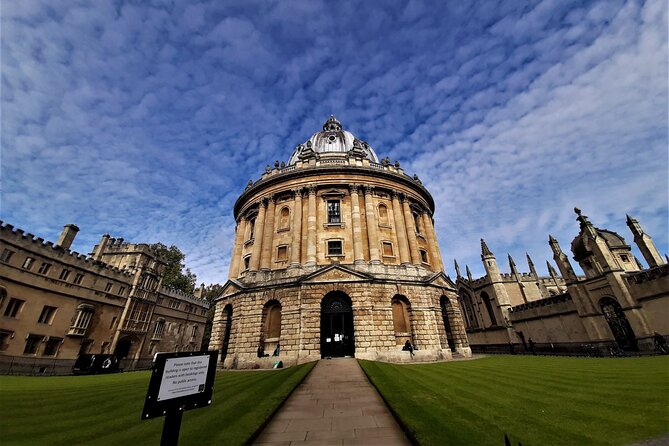
Your next anchor point is Radcliffe Camera, set in Radcliffe Square, at the center of Oxford’s university precinct. This stop is where Oxford can go from “buildings on a route” to “a place with gravity.” The guide’s explanation helps you understand what you’re standing in—the start of something bigger, not just a pretty landmark.
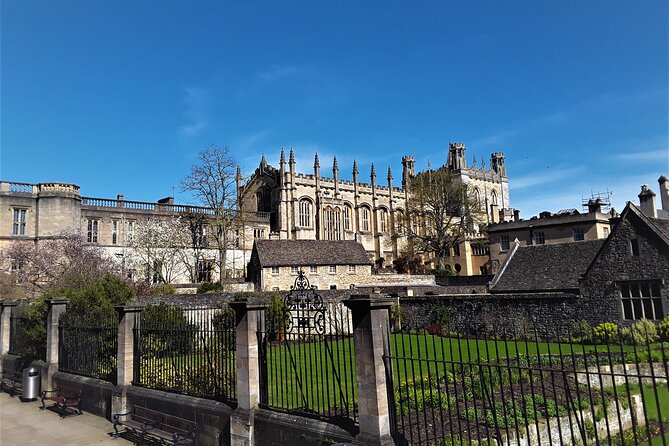
You’ll spend about ten minutes here, including an approach through St Aldates gate and a walk that points out key sights around the precinct: Christ Church, the Meadow Building, Merton Field (connected here to James Sadler as the first English aeronaut), Deans Garden, Dead Man’s Walk, and then you exit through the Kissing Gate.
A practical tip: this is the best time to pause and look up. The camera building and the surrounding precinct sit in a way that rewards slower glances. Even with a small group, the flow is controlled, so you’re not sprinting from one photo to the next.






Carfax Tower and the back-street Oxford vibe
The walk rounds off with Carfax Tower, a 23-meter bell tower tied to a church that dates back to the 1100s. If you’ve ever wondered how Oxford’s skyline reads from different angles, this is your chance. It’s also one of the few spots where the tour warns you about cost: Carfax Tower admission is not included.
Then you shift into Oxford’s quieter lanes. Passing Queens College sets you up for the spooky talk (Queens Lane is claimed to be the most haunted spot in Oxford). You also pass St Edmund’s Hall, presented here as Oxford’s very last medieval hall. The route continues with St Peter’s Church in the East, and you’ll also hear about New College, which is said to be built on a plague pit.
This is the part of the walk that makes it feel personal. You’re not just checking boxes; you’re getting a sense of how the city hides stories in everyday corners. It’s the kind of ending that makes you want to keep walking on your own afterward.
Why the small group changes everything
A lot of Oxford tours run large. This one caps at 10 travelers, and that shows in real ways.
With fewer people:
- You can ask questions without feeling like you’re slowing the line.
- Your guide can adjust the amount of detail to match the group’s interests.
- The group can stay together naturally on side streets like Magpie Lane.
In the past, guides such as Nick, Andrew, Andrew Parker, and Graham have been highlighted for doing exactly that—keeping the history engaging, adding humor, and staying flexible if weather or interests shift. One review mentioned that the guide modified the tour to match the group, which is what you want when you’d rather learn something you’ll actually use later.
Price and value: what you get for about $38.82
At $38.82 per person, this sits in the “do it now” category: it’s not free, but it can save time and money later.
Here’s the value math that matters:
- The route includes free admission tickets for multiple stops (including the Bodleian Library area).
- You get a guided story that helps you choose what to do next in Oxford—rather than wandering for hours trying to make sense of it.
- The time is efficient: around 1 hour 30 minutes to 2 hours. That’s ideal if you have limited time or want to keep your afternoon open.
The main cost caveat is Carfax Tower admission not included. So you’re paying the bulk of the experience upfront, then potentially topping up at the end for that viewpoint.
Pacing, comfort, and practical tips before you go
Because this is a classic walking tour, comfort is about two things: shoes and patience.
- Wear good walking shoes. Oxford streets include uneven stone and tight lanes like Magpie Lane.
- Bring a layer. Even in pleasant weather, you’ll likely feel a breeze around open precincts like Radcliffe Square.
- Expect some outdoor time even if it’s chilly.
Also note the rules:
- The tour isn’t suitable for children under seven.
- Dogs aren’t allowed on university and college property (so plan for kennels or leave pets elsewhere).
- Service animals are allowed, and the tour is near public transportation.
Who should book this walking tour
This is a great fit if:
- You’re a first-time Oxford visitor and want the big landmarks in a tight loop.
- You have a packed schedule and need a high-impact orientation.
- You like history told with stories and humor, not just dates and names.
- You want small-group comfort instead of being stuck behind a dozen other people.
It’s also helpful if you’re the type who gets more out of a city after someone explains how the pieces connect—Oxford can feel like a collection until you see how it all links.
Should you book this 90-minute Oxford walk?
I’d book it if you want fast clarity and you like structured walking with room for questions. The combination of major highlights (Bodleian area, Radcliffe Camera, High Street, Bridge of Sighs) and the more atmospheric side streets (Magpie Lane, Queens Lane, haunted claims, medieval hall talk) makes it a strong “first day” move.
Skip it only if you want a long, slow, deep museum day or you hate walking in open air. Also check your plans around Carfax Tower, since admission there isn’t included.
If you’re trying to decide between wandering on your own and buying time, this tour is a clean way to buy understanding.
FAQ
What is the meeting point for the Oxford walking tour?
The tour meets at Martyrs’ Memorial, 13 Magdalen St, Oxford OX1 3AE, UK.
How long does the tour take?
It lasts about 1 hour 30 minutes to 2 hours.
What time does the tour start?
Tours commence at 11 am and 2 pm daily.
How many people are in the group?
The maximum group size is 10 travelers.
Is the tour offered in English?
Yes, the tour is offered in English.
Do I need to buy separate admission tickets for each stop?
Admission tickets are free at multiple stops, but Carfax Tower admission is not included.
Are children allowed on this tour?
Children are welcome, but it is not suitable for infants and children under seven.
Are dogs allowed?
Dogs are not allowed on university and college property.
Are service animals allowed?
Yes, service animals are allowed.
What happens if the weather is poor?
This experience requires good weather. If it’s canceled due to poor weather, you’ll be offered a different date or a full refund.