REVIEW · OXFORD
Natural History Museum Tour – by Uncomfortable Oxford™
Book on Viator →Operated by Uncomfortable Oxford · Bookable on Viator
Hard questions, right in the museum.
This Oxford walk starts at the Oxford University Museum of Natural History and turns classic natural history displays into a smarter conversation about colonial connections. I like that you get actual museum access plus a guide who keeps things discussion-driven instead of lecture-heavy.
Two things I really enjoyed: first, the tour links museum collections to bigger questions about the British Empire, without pretending the past is tidy. Second, the format encourages you to speak up and think in real time as you walk, with guides like Ffion and Devika setting a calm, thoughtful tone.
One drawback to plan for: meeting up can be the weak link on any walking tour. There’s at least one case where a guide didn’t connect with the group on time, so I’d treat arrival timing and your contact details seriously to avoid waiting in the wrong spot.
In This Review
- Quick reasons this tour earns its Uncomfortable name
- Oxford University Museum of Natural History: where the walking tour starts
- Linking collections to colonialism with the Pitt Rivers Museum stop
- Discussion style: thoughtful, participant-friendly, and not preachy
- Guides handling sensitive topics with care (and what to watch for)
- Walking route pacing: what 1 hour 30 minutes really means
- Price and value: is $96.11 worth it?
- Practical logistics that make or break your experience
- Who this tour is best for (and who might want to skip)
- Should you book Uncomfortable Oxford’s Natural History Museum Tour?
- FAQ
- Where does the tour start and where does it end?
- How long is the Natural History Museum Tour?
- Is it offered in English, and is it open to most visitors?
- What’s the group size limit?
- Do I get a mobile ticket?
- Can I cancel and get a full refund?
Quick reasons this tour earns its Uncomfortable name
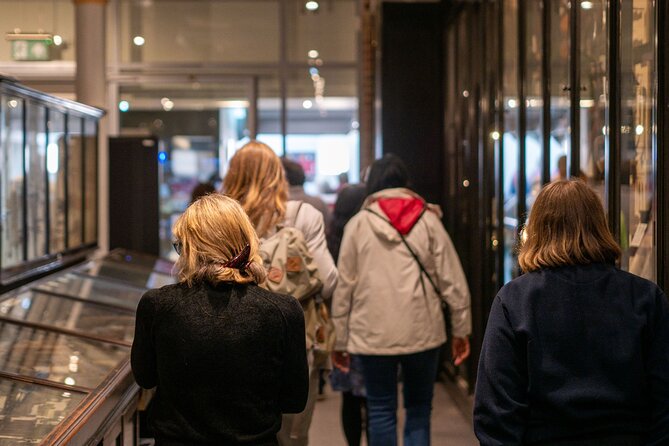
- Museum-first start at Oxford University Museum of Natural History, so you see the point immediately.
- Discussion-led pacing that challenges your assumptions without becoming preachy.
- Oxford collections in context, including how scholarship and collecting practices connect to empire.
- Small-group feel with a maximum of 15 people, which helps the conversation stay human.
- A guide-led route that also visits the Pitt Rivers Museum and moves through other nearby Oxford sites.
Oxford University Museum of Natural History: where the walking tour starts
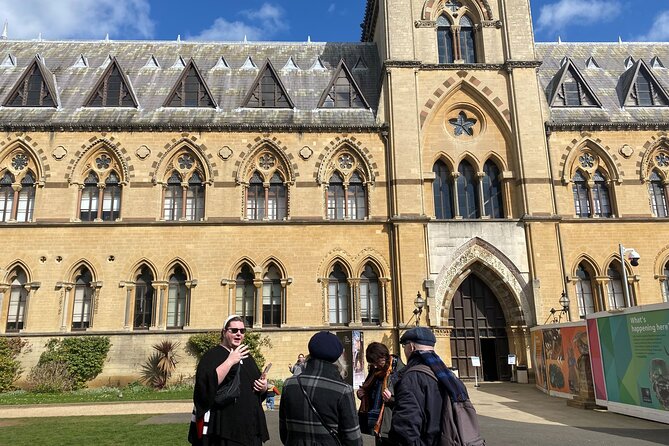
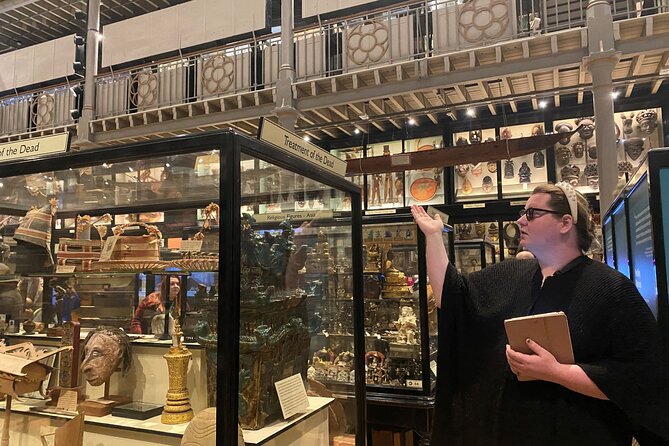
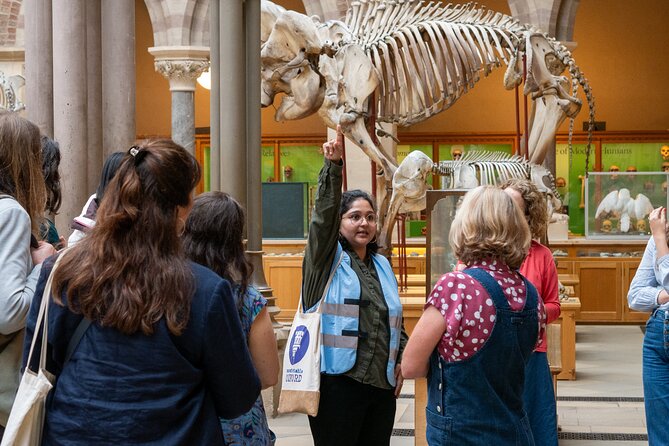
The tour kicks off at the Oxford University Museum of Natural History on Parks Rd (OX1 3PW). You don’t just pass by; you begin in the place where objects, specimens, and displays are right in front of you.
This is where the tone gets set. The museum is used as a starting point for conversations about colonial links—how knowledge systems, collecting, and imperial power shaped what museums show and how they explain it. Even if you’re not a museum superfan, you’ll get a different kind of orientation fast: you stop seeing the building as only pretty and start seeing it as a source of questions.
A nice detail is that the first stop is listed with admission ticket free for that starting point. That means you’re not doing that awkward thing where part of the time feels like paying extra to simply enter the doors. You also get the chance to orient yourself early, before the walk starts stretching out into Oxford’s wider university area.
You can also read our reviews of more tours and experiences in Oxford.



Linking collections to colonialism with the Pitt Rivers Museum stop
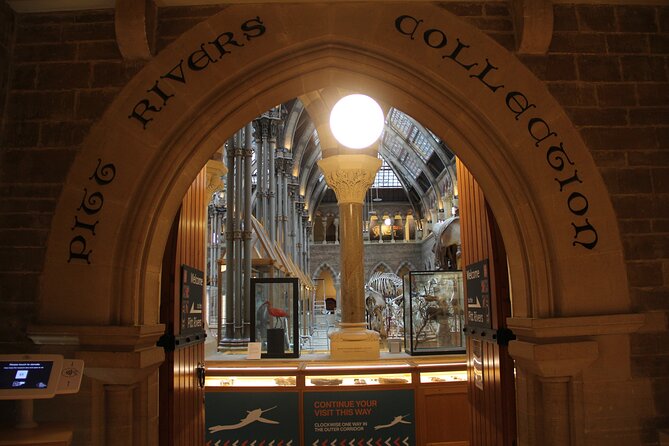
From the start, the route expands into related university and museum territory, including the Pitt Rivers Museum (Oxford). That pairing matters. The Oxford natural history museum gives you one way of thinking about classification and collecting, while Pitt Rivers often pushes you to look harder at objects and what they represent.
In the guided talk, one of the strongest themes is how major Oxford-linked enterprises connected to empire—and how the stories around them still shape how we read the city today. The Cecil Rhodes scholarship comes up specifically, including issues around diversity and the fact that Rhodes’ historical views included racist assumptions.
If you like history that’s not just dates and buildings, this kind of museum-to-message structure works. Instead of hearing empire discussed in the abstract, you’re seeing how imperial-era power fed into collecting, education, and the display of other cultures.
And importantly, the tone stays respectful. Based on how guides run the conversation, the goal isn’t to shame the city or paint everyone with the same brush. The goal is to help you read Oxford more accurately—and that can feel uncomfortable, but it’s also useful.
Discussion style: thoughtful, participant-friendly, and not preachy
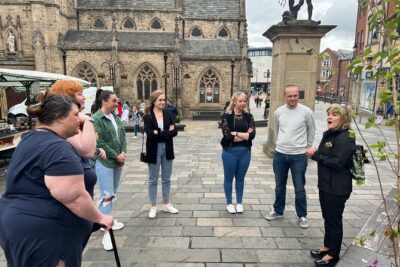
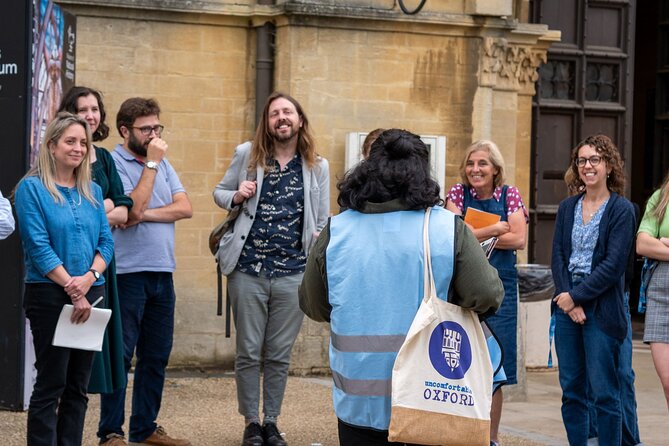
This tour is built around conversation. You’ll likely spend a good chunk of your time hearing context, then turning it into discussion with the group. That’s the core appeal if you’re tired of tours that treat you like a passenger watching a slideshow.
Guides in past groups—such as Cameron—are described as fostering interesting discussions along the way. Devika is noted for being sensitive and for keeping the group together so everyone had space to contribute. Ffion also stands out for delivering information in an accessible way, while still keeping the hard topics front and center.
What I appreciate about this style is that it’s not framed as a one-way argument. People get to ask questions, react, and wrestle with contradictions. One of the best feelings from this format is leaving with your brain still switched on, not with your head full of memorized facts.
That also means you should expect some moments that ask you to sit with nuance. Colonialism and the British Empire are not simple villains-or-heroes stories. If you’re the type who enjoys polite debate and careful wording, you’ll probably like the way this tour nudges you to think.
Guides handling sensitive topics with care (and what to watch for)
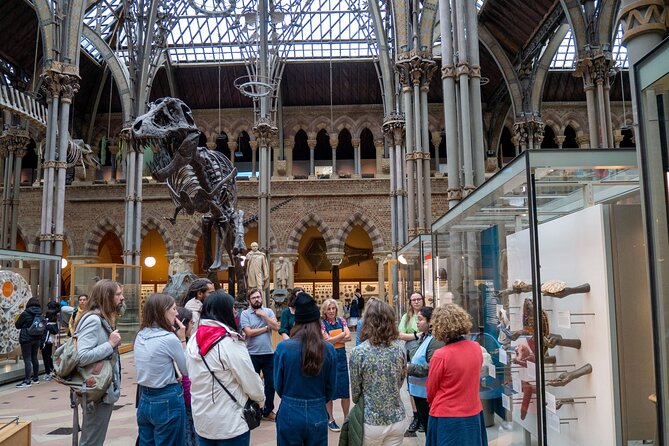
The experience depends a lot on how the guide manages the room. When it’s working well, you get an environment where you can have difficult conversations without it turning into an attack or a lecture.
You can see that in the guide notes from earlier tours: Devika is described as knowledgeable while also being sensitive to the subject matter. Ffion is described as excellent at keeping the group engaged, and discussions stay balanced rather than one-sided.
That said, there’s one practical thing to watch: meeting up. In one reported case, a guide didn’t connect with the group, leading to waiting outside for an extended period and a frustrated outcome. The provider later explained there was an issue reaching the party by phone and that they attempted to locate the group.
I’m not trying to scare you—this is just a reminder that “walking tour” + “group meeting point” means you should show up on time. If you book, make sure the phone number you provide actually works, and arrive at the start point a bit early so your group doesn’t end up playing museum bingo in the sun.
Walking route pacing: what 1 hour 30 minutes really means
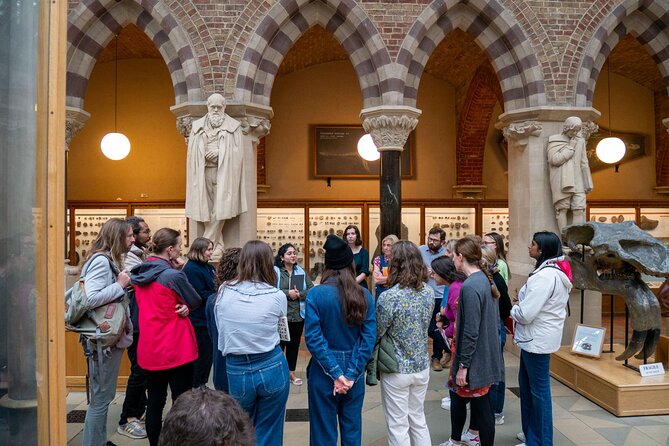
This tour is listed at about 1 hour 30 minutes and keeps a small limit of up to 15 travelers. That matters more than it sounds. In a smaller group, guides can actually respond to what you’re asking, and they can adjust the pace if the conversation needs room.
The walk itself is built to connect interior museum time with street-level context. You’re not sprinting across Oxford. You’re moving at a pace that supports talk—where you can gather, hear a point, then look around and see how the buildings and collections relate.
If you’re visiting for the first time, this length is a sweet spot. It’s long enough to give you an altered perspective on Oxford, but short enough that you can still fit other sights afterward. If you already know Oxford’s famous colleges, this kind of walk is especially handy because it shifts your focus from what Oxford looks like to how Oxford got its power and prestige.





Price and value: is $96.11 worth it?
At $96.11 per person, this is not a bargain-basement walk. The value comes from what’s included in that price: museum access during the tour, a guided route, and a structured conversation around British Empire and colonialism.
Here’s the key way to judge it for yourself:
- If you want passive sightseeing only, you’ll likely feel the price harder.
- If you want a guided interpretation that changes how you see the objects and the city, the cost starts to look reasonable.
The tour also includes a mobile ticket and is offered in English. Group discounts are listed, which can make it better if you’re traveling with a friend. And the “private tour” angle in the description suggests a tailored feel, even though the maximum group size is 15. In practice, that usually means you won’t feel lost in a crowd.
So I’d treat this as a paid experience aimed at interpretation, not just location-hopping. You’re paying for a guide who can connect museum displays to the uncomfortable parts of the story—and keep the conversation respectful.
Practical logistics that make or break your experience
The start point is the Oxford University Museum of Natural History at Parks Rd (OX1 3PW). The tour ends back at the meeting point. That simple loop helps you plan your day, especially if you’ve got another Oxford stop after this.
It’s also described as near public transportation, which is great in a city where walking is fun but routes and weather can change fast. Plan for typical British weather if you’re going in shoulder season—short delays outdoors can happen, and this tour includes a walking component.
For comfort, wear shoes you can handle on uneven pavement. The tour is short, but Oxford streets aren’t always flat, and you’ll be standing and walking between places while listening.
Finally, given the earlier meeting-mixup story, I’d recommend using your most reliable contact method. If the operator texts or tries to call, a working number is the difference between quick resolution and a long, awkward wait.
Who this tour is best for (and who might want to skip)
You’ll probably enjoy this if you like:
- Museum visits that are more than “look at the thing”
- Conversations about empire, colonialism, and how institutions explain the past
- A guided route that makes you slow down and think
It’s also a good choice if you want a deeper Oxford perspective without needing to be a specialist. Guides like Cameron and Ffion are described as making information accessible, while still pushing you to think.
I’d think twice if you want a purely celebratory “Oxford is wonderful” tour. This one asks you to face racist shortcomings and the problems in systems linked to empire, including how scholarship and collecting were shaped by those attitudes.
And if you’re very sensitive to discussion-based tours—where you might be asked for opinions or reactions—this could be emotionally demanding, even when run respectfully. The upside is that guides aim to avoid preaching and keep things considerate.
Should you book Uncomfortable Oxford’s Natural History Museum Tour?
If your ideal Oxford day includes both museums and conversation, I’d say yes. The combination of a strong museum starting point and a guided discussion about the British Empire gives you a way to see Oxford that most “greatest hits” tours don’t provide.
Book it if you want to:
- Get museum access in a structured way
- Hear how Oxford’s prestige connects to colonial history
- Talk (not just listen) during your sightseeing
Consider another option if you:
- Hate any kind of discussion about empire or racism
- Prefer a quieter, strictly factual tour
- Can’t afford the risk of being slightly late to the meeting point and waiting outdoors
In the end, this is a tour for people who want their Oxford more honest than postcard-perfect. It asks questions, and it doesn’t rush past discomfort. If that’s your style, it’s a smart use of 90 minutes in Oxford.
FAQ
Where does the tour start and where does it end?
It starts at Oxford University Museum of Natural History, Parks Rd, Oxford OX1 3PW, UK. The tour ends back at the same meeting point.
How long is the Natural History Museum Tour?
It runs for about 1 hour 30 minutes.
Is it offered in English, and is it open to most visitors?
Yes, it is offered in English. Most travelers can participate, and service animals are allowed.
What’s the group size limit?
The tour/activity has a maximum of 15 travelers.
Do I get a mobile ticket?
Yes, the tour includes a mobile ticket.
Can I cancel and get a full refund?
Yes. You can cancel up to 24 hours in advance for a full refund. If you cancel less than 24 hours before the start time, the amount paid will not be refunded.