REVIEW · BRISTOL
Guided Walking Tour Suspension Bridge Clifton Splendour & City.
Book on Viator →Bookable on Viator
Bristol clicks when you walk it. This guided stroll links Clifton Suspension Bridge and key city landmarks with stories from local guide Mike, who has lived in Bristol for 40+ years. I love the audio headsets for clear listening on the move, and I like how the route reaches places you won’t get from a bus stop. The only real catch is the walking adds up, and nature breaks are limited.
You’ll be out for about 2 hours 30 minutes to 3 hours, starting at Clifton Observatory (Litfield Place, Clifton) at 10:30am and ending at College Green near Park Street. The group is capped at 8, so it stays relaxed, and you’ll get a mobile ticket plus English commentary throughout.
In This Review
- Key Things You’ll Notice on This Bristol Walk
- Starting at Clifton Observatory: The Best Way to Get Oriented
- Clifton Suspension Bridge Up Close: More Than a Pretty Photo
- Royal York Crescent and Victoria Square: Brickwork With Stories
- Goldney Hall: Woodes Rogers, Quakers, and a Different Side of Bristol
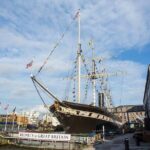
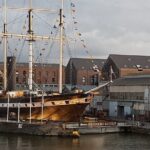
- Brunel’s SS Great Britain: A Great Ship Seen From the Right Angle
- Bristol Cathedral and St Marks Chapel: Medieval Weight, Easy to Appreciate
- Frogmore Street: Banksy, the Old Pub Story, and Living City Vibes
- Colston Statue and the Old City Wall: Trade, Power, and Real Debate
- How Long It Really Takes (and How Fit You Need to Be)
- Price and Value: About $35 for a Route, Not Just Spots
- Should You Book This Clifton Bridge to City Highlights Walk?
- FAQ
- How long is the walking tour?
- What time does the tour start, and where does it meet?
- Where does the tour end?
- Is the tour in English?
- Are there audio devices included?
- Do I need to pay admission fees for the stops?
- What if the weather is bad or I need to cancel?
Key Things You’ll Notice on This Bristol Walk
- Audio headsets make it easy to hear the guide the whole way
- A max group size of 8 keeps questions possible and the pace comfortable
- Clifton Suspension Bridge up close with a guided explanation of what you’re seeing
- A local guide named Mike with 40+ years of Bristol life behind the stories
- A route that mixes medieval icons with modern Bristol, from Bristol Cathedral to Banksy spots
Starting at Clifton Observatory: The Best Way to Get Oriented
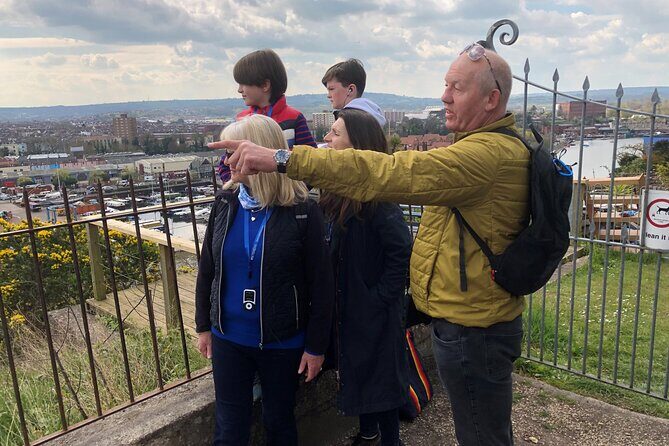
The tour begins at Clifton Observatory in Clifton, where you get a quick sense of how Bristol sits on a series of viewpoints and hills. That matters, because this walk doesn’t feel like a checklist. You move downhill through neighborhoods and streets that look familiar once you know the geography.
You also get the small-group advantage right away. With up to 8 people, the guide can steer attention where it counts: what to look for on buildings, what to ignore, and how to understand the city’s layout as you go. This is one reason people seem to love it for first-time visitors. You’re not just seeing famous landmarks; you’re learning how the pieces connect.
The logistics are simple: you’ll have a mobile ticket and the tour runs in English. And since you’ll be using audio devices, you don’t have to keep stopping just to catch every word. Bring water, wear comfortable shoes, and dress for weather—Bristol can change its mind fast.
You can also read our reviews of more walking tours in Bristol


Clifton Suspension Bridge Up Close: More Than a Pretty Photo
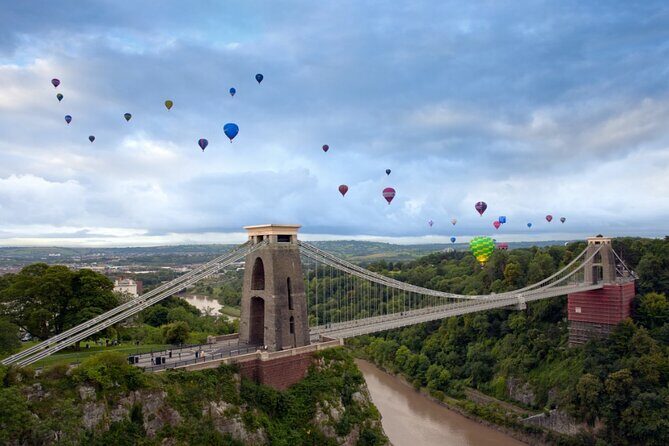
Clifton Suspension Bridge is the obvious headline, but the value here is how you experience it. You’ll walk over the bridge and get the guided story plus the visual details while you’re actually there—not later, not from a distance. It’s the kind of stop where context turns an impressive structure into a memorable one.
This part is about understanding scale and design. From the bridge, you can grasp why Clifton is famous for views and why the waterfront and gorge feel so central to the city’s identity. You’re also in the right place to take photos without rushing, because the walk is paced to let you see the span properly.
Practical tip: plan for standing time on the bridge. If it’s windy or rainy, keep your jacket secure and keep your phone (or camera) protected. Also, since you’re on foot for a while, give your legs a moment to warm up before you settle into bridge viewing.
Royal York Crescent and Victoria Square: Brickwork With Stories
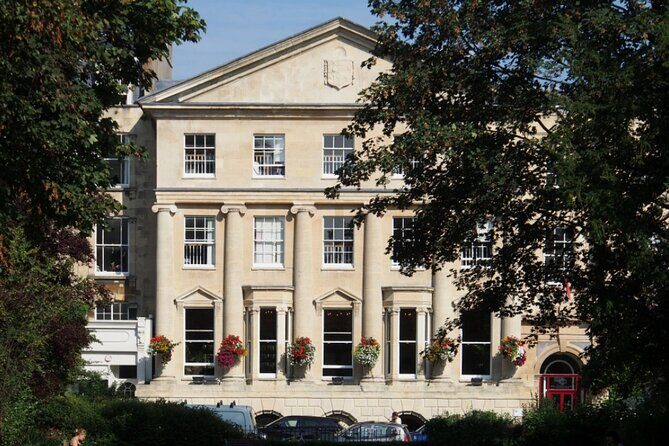
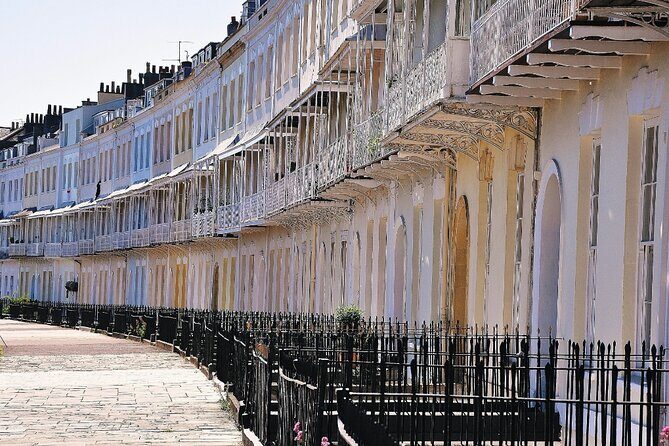
After Clifton, the route turns toward elegant street scenes and famous addresses. Royal York Crescent is the kind of place that looks great on postcards, but it’s even better when someone points out the details you’d likely miss on your own—like what makes the crescent feel cohesive and why it became such a symbol in Bristol.
Then you move to Victoria Square, where the tour leans into Bristol’s human stories. You’ll hear about the Battle of Boyces Avenue and see where WG Grace lived. That combo is a smart reminder: Bristol isn’t only stone and bridges. It’s also people, sport, conflict, and local legend layered onto the same streets you’ll walk every day.
What I like about stops like this is the way they break the tour into digestible chapters. One moment you’re dealing with engineering and height; the next you’re learning about 19th-century life in neighborhood scale. It keeps you engaged without feeling like information overload.
Goldney Hall: Woodes Rogers, Quakers, and a Different Side of Bristol
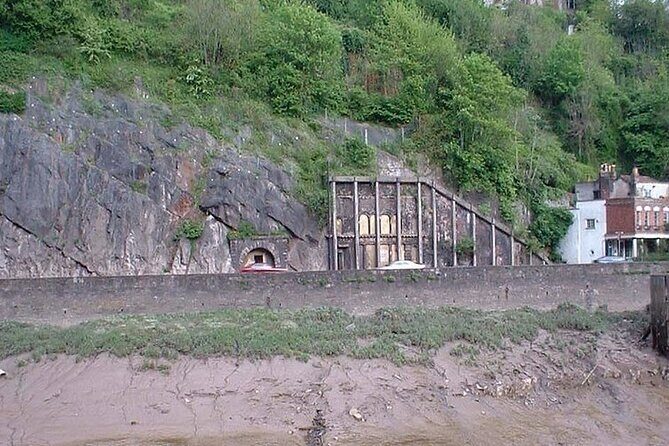
Goldney Hall shifts the tone. Instead of grand street curves and big landmarks, you get a deeper look at Bristol’s religious and trading-era influences through the story of Woodes Rogers and the Quakers.
This stop works well because the guide connects the setting to the historical forces behind it. You’re not just hearing names; you’re seeing a place shaped by those ideas. And since Goldney Hall is part of a broader Bristol narrative, it helps you understand why the city developed as it did—through trade, travel, and communities that brought their own values and networks.
If you like history, this is the point where it starts to feel personal. You realize Bristol was never only about one industry or one century. It kept changing roles. The tour helps you track that without turning it into a textbook.
Brunel’s SS Great Britain: A Great Ship Seen From the Right Angle
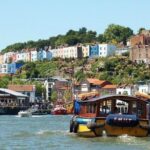
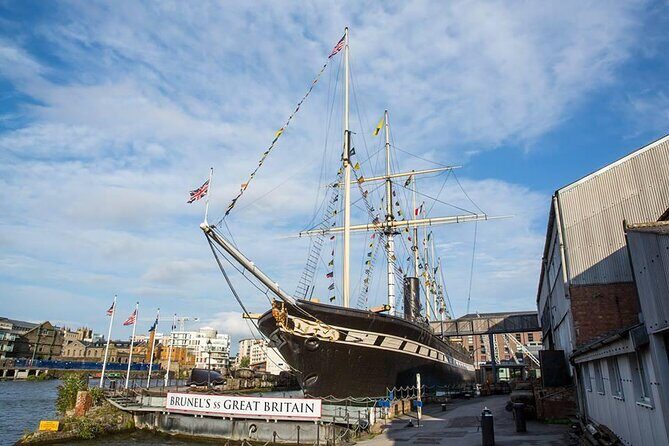
One of my favorite design choices of this route is how it handles Brunel’s SS Great Britain. You don’t just move past it. You view it from a lesser-known spot in Clifton Wood and near the Floating Harbour, then continue down to College Green and nearby areas.
That viewing angle helps. A big ship like this can feel abstract if you only see it head-on from a distance. Seeing it from the Clifton Wood side gives you a better sense of how the water and harbor landscape relate to the city’s engineering mindset—right alongside the suspension bridge story.
Then, as you move toward College Green, you get the feeling of arrival. The walking route is downhill overall, which many people find satisfying because it naturally sets your pace. You’re not constantly working uphill just to tick boxes.
Practical tip: wear shoes with decent grip. Harbor-adjacent areas and pathways can be slick if it’s damp.
You can also read our reviews of more guided tours in Bristol




Bristol Cathedral and St Marks Chapel: Medieval Weight, Easy to Appreciate
Bristol Cathedral is one of those places where it’s hard to fake the feeling. You’ll see the 13th-century setting and hear about key elements like St Marks Chapel and the Council House. The tour gives you the right entry point so you can appreciate why these buildings matter, not just that they exist.
This is also where the tour becomes a lesson in how the city tried to project stability. Cathedrals, especially long-standing ones, act like anchors. Even if you don’t know much about architecture, the guide helps you notice what to look for and why different parts of the cathedral connect to broader Bristol storylines.
Time here is tight but not rushed. It’s enough to understand the basics, take photos, and absorb the scale. If you’re traveling with kids, this stop often lands well because it’s visually dramatic without being complicated.
Frogmore Street: Banksy, the Old Pub Story, and Living City Vibes
From the cathedral, you shift into the streets where Bristol shows off its modern edge. Frogmore Street is where you’ll encounter Banksy’s well-hung lover and see other city landmarks like the Council House, Harveys Famous Warehouse, and the Hippodrome.
I like this segment because it proves the point that Bristol is not stuck in the past. It’s a working city that keeps making new culture while still honoring older places. Street art here isn’t treated like a separate attraction. It’s folded into the same walking story as older streets and civic buildings.
You’ll also hear the reputed oldest pub mention with the Hatchet. Even if you only partially remember the details, the bigger takeaway is this: Bristol’s culture is layered. A pub sign, a warehouse name, and a cathedral roof can all belong to the same narrative about who came through, what they traded, and how people gathered.
If the weather is rough, this area is still worth it because streets are more sheltered than open viewpoints. And since the tour uses audio headsets, you can keep moving without losing the thread.
Colston Statue and the Old City Wall: Trade, Power, and Real Debate
The walk closes in the old city areas around the Statue of Edward Colston. You’ll also pass through the Old City Wall and hear about Bristol’s ancient trade guilds and the statue’s place in that history.
There’s a lot to think about in this final stretch. Colston is one of those figures tied to Bristol’s trading past, and the guide’s framing makes it easier to understand why the city still talks about him today. You’ll also hear about Bristol’s sugar factory links as part of the broader economic story.
What I appreciate is that this stop lands after you’ve already seen enough of Bristol to understand the context. When you reach this point, you’re not arriving cold. You’ve walked from bridge and cathedral to street culture and harbor-related history, so the old-wall trade story feels grounded.
If you’re sensitive to heavy topics, this part may hit harder than the bridge segment. It’s not here for shock value—it’s here because it’s part of the city’s recorded story, and Bristol seems to process that reality in public.
How Long It Really Takes (and How Fit You Need to Be)
This tour runs about 2 hours 30 minutes to 3 hours. The route includes several stops and a fair amount of walking, and nature breaks are limited—so plan ahead. For anyone with moderate physical fitness, it should feel doable as long as you wear comfortable shoes and keep a steady pace.
The pacing tends to work for mixed groups: kids can enjoy the bridge and street art, adults get the historical context, and anyone in-between still has enough time at major viewpoints to take photos. The audio devices help a lot here, because you’re not constantly stopping just to hear the guide.
Group size matters too. With only up to 8 people, you’re less likely to feel lost or stuck at the back. That also helps if you want to ask questions when something catches your eye.
Price and Value: About $35 for a Route, Not Just Spots
At $34.72 per person, this isn’t priced like a museum ticket. You’re paying for guided storytelling plus a route that connects several major Bristol experiences in a single morning.
Here’s why the value feels strong for your time:
- You get guidance at multiple iconic stops, including Clifton Suspension Bridge and Bristol Cathedral
- Audio headsets help you actually follow the story without straining
- Each listed stop is indicated as admission ticket free, which keeps the cost focused on the experience itself
- The route covers dispersed areas that are much harder to line up on your own without wasting time
If you’re short on time in Bristol, this is the type of tour that can save you energy and guesswork. You don’t have to stitch together bridges, cathedral time, street art, and harbor-era ties by yourself.
Should You Book This Clifton Bridge to City Highlights Walk?
Book it if you want a well-paced introduction to Bristol that mixes big sights with street-level details. The strongest reasons to go are the audio headsets, the small group, and having a guide who clearly knows the city through decades of living there—Mike’s 40+ years in Bristol comes through in the way the stops connect.
Skip it (or think twice) if you don’t handle sustained walking well. This isn’t a slow stroll where you can wander for long stretches; you’re moving across neighborhoods and viewpoints for several hours, and there aren’t many planned breaks.
One last tip: bring water and plan for weather. Bristol can be dramatic, but with headsets and a tight route, you’ll still get a clear, enjoyable tour.
FAQ
How long is the walking tour?
It runs for about 2 hours 30 minutes to 3 hours.
What time does the tour start, and where does it meet?
It starts at 10:30am. You meet at Clifton Observatory, Litfield Place, Clifton, Bristol BS8 3LT.
Where does the tour end?
The tour ends at College Green, Bristol BS1 5TJ, near the Marriott Hotel at the bottom of Park Street.
Is the tour in English?
Yes, it’s offered in English.
Are there audio devices included?
Yes. Audio devices are provided so you can hear clearly while you walk.
Do I need to pay admission fees for the stops?
The stops listed are marked as admission ticket free.
What if the weather is bad or I need to cancel?
The experience requires good weather. If it’s canceled due to poor weather, you’ll be offered a different date or a full refund. You can cancel for a full refund up to 24 hours in advance.