REVIEW · LONDON
Handel Hendrix House General Admission
Book on Viator →Operated by Handel & Hendrix in London · Bookable on Viator
A strange pairing, and it works. You get two iconic music worlds in one stop: Handel’s London rooms upstairs and Jimi Hendrix’s nearby flat on the third floor. What makes it especially fun is how you move at your own pace through the spaces where both men lived and worked, spaced about 200 years apart.
I love that your ticket gets you unhurried entry during opening hours, so you can spend 20 minutes on the parts that pull you in and go slower on what you want to read. I also like the human touch: staff help you make sense of what you’re seeing, and there’s often live sound in the rooms—think harpsichord notes drifting through a home built for music. One possible drawback is that the building includes a 250-year-old staircase, so plan on some stairs and don’t expect everything to feel modern and flat.
Because it’s self-guided, this isn’t a scripted, “listen only” type of tour. If you want a strict timeline or a big group coach session, you may feel like you’re doing more exploring than being led. Still, if you’re up for music history you can control, this format is a win.
In This Review
- Key things to know before you go
- Your timing at Brook Street: how to plan a smooth visit
- Handel’s 25 Brook Street: the stairs and rooms that shape the story
- What to linger over: dressing room, bedroom, and rotating exhibits
- The Hendrix flat on the third floor: 60s London in period form
- Self-paced entry: how to get the most from 1 to 2 hours
- Staff help and the small moments that make it feel alive
- Price and value: is $19.98 a good deal?
- Who should book Handel & Hendrix House general admission?
- Should you book this ticket?
- FAQ
- What does the Handel Hendrix House general admission include?
- How long should I plan for this visit?
- What are the opening hours and last admission time?
- Is the experience self-paced?
- What language is the experience offered in?
- Is a mobile ticket used?
- Are service animals allowed, and can children go?
Key things to know before you go
- Self-paced admission means you choose how long to linger in each room during open hours.
- Baroque rooms at Handel’s address (25 Brook Street) include the staircase and the spaces tied to composing and rehearsing.
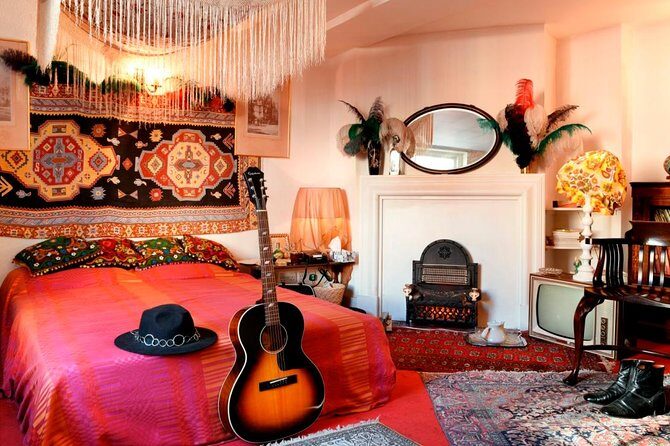
- Hendrix’s flat on the third floor brings you to a recreated 1960s setting connected to his time nearby.
- You might hear music: the house often features harpsichord atmosphere, and on some visits musicians warm up or rehearse.
- Last admission is 4:00 PM (Wednesday–Sunday, 10:00 AM–5:00 PM), so show up with time to enjoy.
- Mobile ticket in English makes it easy to enter, and confirmation is received at booking.
Your timing at Brook Street: how to plan a smooth visit
This is located in central London around Brook Street, with the Handel House tied to 25 Brook Street and the Hendrix flat represented on the third floor as part of the experience. The museum is open Wednesday through Sunday, 10:00 AM to 5:00 PM, with last admission at 4:00 PM. That last entry matters more than it sounds—if you roll in late, you’ll feel rushed on the stairs and in the rooms.
Because admission is flexible within opening hours, I suggest you arrive when you’re still fresh. If you’re the type who likes to read every label, give yourself the full 1 to 2 hours. If you’re more into the highlights—rooms, staircases, key objects—aim closer to an hour and you’ll still feel satisfied.
One practical tip: since it’s self-paced, set your own “soft goals.” For example, decide before you enter that you’ll spend time on the rooms connected to Handel’s composing and then make sure you reach the third floor for the Hendrix flat. That way, you won’t get so caught up in one side that you accidentally shortcut the other.
You can also read our reviews of more tours and experiences in London.



Handel’s 25 Brook Street: the stairs and rooms that shape the story
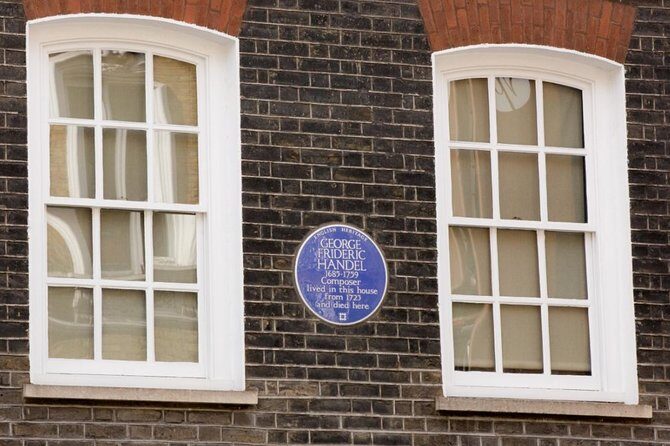
The experience starts with George Frideric Handel’s house and the preserved feeling of a home built for music. You’ll climb an approximately 250-year-old staircase, which is part of the point. It’s not just “getting from A to B”—the stairs change how you experience the building, and they slow you down in a good way.
Once upstairs, focus on the restored music rooms. This is where Handel lived from 1723 to 1759, and the story is anchored in the daily rhythm of a working musician: composing, rehearsing, and hosting conversations with musical figures of the baroque era. If you care about music beyond the headline works, this is where the museum helps you connect the big title—like Messiah—to the everyday work behind it.
A detail I really like is how the museum uses atmosphere to make the era feel real. The house often has musicians playing—especially harpsichords—to create sound that matches the rooms. On some visits, you may also catch additional music in the building as preparations happen for concerts later. Even if you’re not there for a performance, hearing instruments in the space turns the museum from visual to sensory.
And yes, Messiah is part of the story here. You’ll also hear playful, human bits about Handel’s character—like the story tied to his windows and threats toward performers who wouldn’t sing his arias. It’s the kind of detail that makes the past feel less like a textbook and more like real people with opinions.
What to linger over: dressing room, bedroom, and rotating exhibits
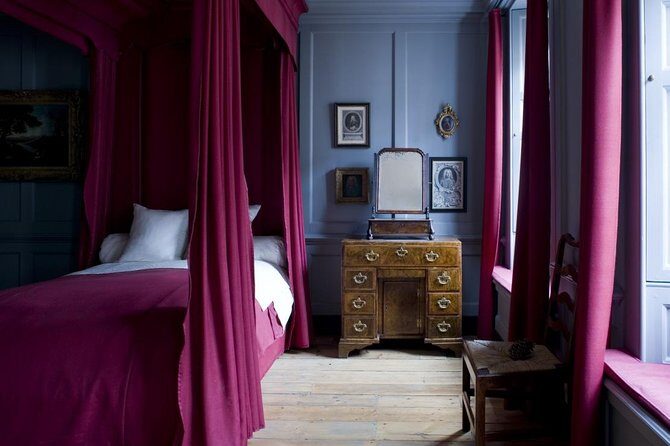
As you keep moving through the Handel side, you’ll reach the dressing room and bedroom, the places where Handel died. That shift—from composing rooms to the more personal spaces—gives the visit a natural emotional arc. It’s the moment when the museum stops being only about works and turns into life.
In these rooms, you’ll also see temporary additional exhibitions that connect Handel’s life and work to his broader circle. The value here is that it helps you avoid the “I saw the main rooms, done” effect. If you’re the kind of visitor who likes to understand the network around an artist—who he worked with, who he competed with, who he influenced—this section is where it clicks.
If you’re short on time, don’t skip it. The bedroom and dressing room can feel like a pause button after all the musical action. Even if you only take a few minutes there, it gives context to everything you saw upstairs.
The Hendrix flat on the third floor: 60s London in period form
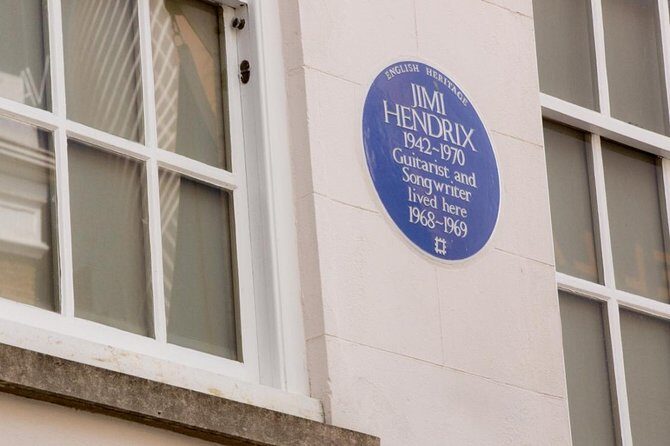
Then comes the fun switch. On the third floor, you move to the next-door flat connected to Jimi Hendrix, who lived nearby in the late 1960s. In this experience, it’s framed around 1968 to 1969, with the Hendrix flat represented as the place where he described it as the first place he truly called home with his girlfriend Kathy. The museum references Kathy Etchingham as a consultant on Hendrix’s room, and that matters because it signals they’re taking period details seriously rather than just using a themed display.
Expect a recreated, period-style layout: the main room is presented as how Jimi had it. You’ll learn how he lived and played there, plus other facts that connect Hendrix to London’s swinging cultural moment in the late 1960s. This section is the museum’s strongest pull for modern music fans because it feels less like history behind glass and more like a snapshot of a life in motion.
One of the best parts is that you don’t need to be a hardcore expert to enjoy it. You’ll still come away with something concrete: objects and references that support the story, and enough context to understand why London mattered to Hendrix’s rise.
If you like specific guitars and gear, pay attention to the display elements tied to Hendrix’s equipment. The experience includes standout showcases such as an Epiphone acoustic guitar and Roger Mayer’s Octavia, with explanations about Hendrix’s use of effects and why. That’s the sort of practical, “how it sounded and why it mattered” info that makes the Hendrix section satisfying even for people who aren’t only in it for nostalgia.
Self-paced entry: how to get the most from 1 to 2 hours
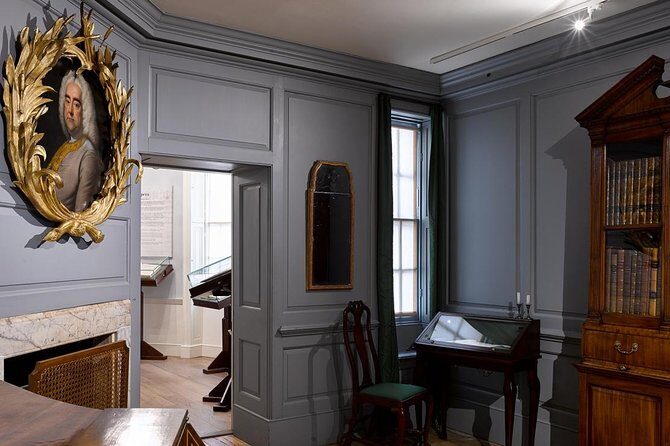
This is general admission with a self-guided approach. That’s a big deal. You control your route, how long you stop at each object, and how deep you go into the text.
A smart way to use your time:
- Plan to spend a majority of your hour on the Handel side first, then use the Hendrix floor as your finish. That keeps the visit moving and prevents the “I’m only doing one half” problem.
- If you want the most “wow” moments, don’t sprint through. The building’s design pushes you into natural pauses, and you’ll likely want to slow down on the staircase and on the bedrooms/personal spaces.
- If you’re a music fan, give at least one pass for sound-related atmosphere. The museum often has harpsichord playing to add character, and you might catch musicians rehearsing or warming up depending on the day.
Since it’s a 1 to 2 hour visit, I’d avoid building in a big long stop right after. Give yourself the breathing room to exit, browse the shop, and not feel like you’re rushing out to catch the next thing.






Staff help and the small moments that make it feel alive
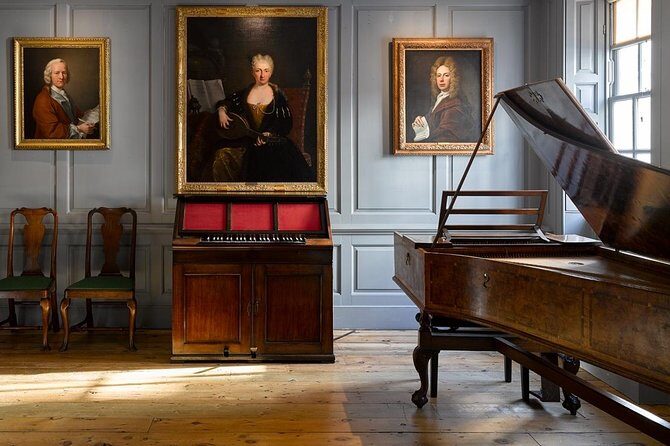
Even though this is self-paced, you’re not left alone. The museum staff can genuinely improve the visit by pointing out what to focus on and how to connect the rooms you’re walking through. The best moments tend to be the ones where you learn a detail you wouldn’t have found just from the labels.
There’s also a sense of real-world music activity happening around you. The experience can include harpsichord sound and other practice or warm-up activity when musicians are in the building for later performances. It gives the museum a live edge, like you’re visiting a home that still has music in it—not just a set designed for photos.
If you’re going as a musician or serious music nerd, this place can land especially well. The content is organized around how music was made in Handel’s world and how Hendrix shaped sound in his—so it’s not just “great names,” it’s music practice.
Price and value: is $19.98 a good deal?
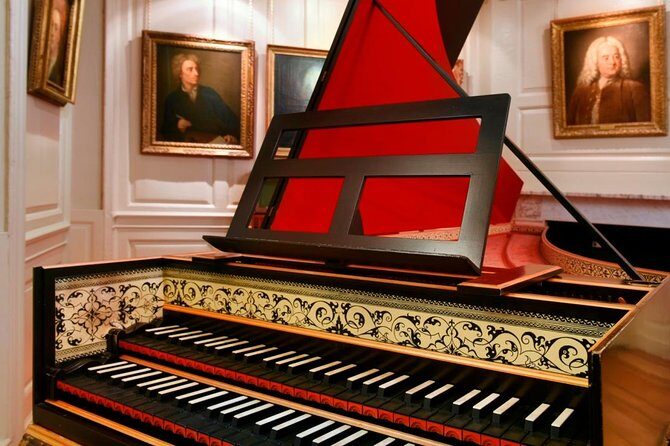
At $19.98 per person, you’re paying for two major storylines in one location: Handel’s household at 25 Brook Street and the nearby Hendrix connection on the upper floor. The value is strongest for people who care about both sides—baroque composition and 1960s rock—and like the idea of comparing how different musical eras can occupy the same city blocks.
Is it worth it if you only care about one artist? It can be, but your enjoyment will depend on your curiosity. If you’re mainly a Hendrix fan, the Handel rooms still give you a London backdrop for how the city shaped musical talent over centuries. If you’re mainly a Handel fan, the Hendrix side may feel like a left turn at first—until you see how the museum ties the story to a specific place and a specific time.
For me, the best value part isn’t the price number. It’s the way the museum uses self-paced exploring to help you control your interest. You can spend your time where your attention naturally goes, without feeling like you paid for a rigid itinerary that forces you through unrelated rooms.
Who should book Handel & Hendrix House general admission?

This is a great pick for:
- Music fans who want two eras in one visit without committing to a full-day plan.
- People who enjoy self-guided exploring and reading room details at their own speed.
- Visitors who like when a museum includes sound and atmosphere, not just objects.
- Travelers who want a central London stop that’s easy to fit between other plans because it typically runs about 1 to 2 hours.
It may be less ideal if you need a guide-led narration the whole time or if you dislike stairs. The experience includes climbing the old staircase, and that’s not optional.
Should you book this ticket?
I’d book it if you want a single London stop that makes music history feel tangible. The pairing of Handel and Hendrix works because the museum doesn’t treat it like a gimmick; it uses the setting, the rooms, and the objects to tell two coherent stories in one route.
You should think twice if you prefer structured tours with a set pace, or if you know stairs are a problem for you. Otherwise, the combination of self-paced access, Handel’s composing rooms, and the recreated Hendrix flat makes it a strong choice for travelers who like real places and real sounds.
If you’re planning your day, remember: you’ll want time to reach the third floor and still enjoy the personal spaces. Arrive earlier rather than later, and you’ll get the full payoff.
FAQ
What does the Handel Hendrix House general admission include?
Your ticket includes admission to the Handel and Hendrix Museum in London. You can explore the Handel House at your own pace, and then visit the next-door flat area tied to Hendrix’s late 1960s time.
How long should I plan for this visit?
Plan on about 1 to 2 hours for the full experience.
What are the opening hours and last admission time?
The museum is open Wednesday through Sunday, 10:00 AM to 5:00 PM, and the last admission is at 4:00 PM.
Is the experience self-paced?
Yes. You enter during opening hours and explore at your own pace.
What language is the experience offered in?
The admission is listed as being offered in English.
Is a mobile ticket used?
Yes, the ticket is a mobile ticket, and confirmation is received at the time of booking.
Are service animals allowed, and can children go?
Service animals are allowed. Children must be accompanied by an adult.