REVIEW · YORK
Immersive Murder Mystery in York, A City Treasure Hunt Experience
Book on Viator →Operated by CityDays · Bookable on Viator
A murder mystery beats the usual York walk. This story-led phone trail takes you solving 1491 clues near Clifford’s Tower and along the old walls. I especially like the Telegram-style clue system (no app download) and the option to race as a team via a leaderboard. One thing to plan for: the answers can be fairly cryptic, and if you’re stuck early you may need to use hints or you could drift off-route in York’s tight lanes.
You’ll cover about 4 km on foot, finishing in roughly 2.5 to 3.5 hours. The case is paced by 19 clue steps sent to your phone, and you’ll move from location to location by walking. Two optional tavern breaks break up the time—handy for a snack and a breather on any day.
In This Review
- Key things to know before you go
- York in 1491: why this murder mystery works as a walking tour
- Starting at Clifford’s Tower and getting clues on your phone
- The walking route: York walls, hidden lanes, and the 4 km pace
- Pub breaks at the one-third and two-thirds marks
- Clue style, hints, and the leaderboard pressure
- What to do when you get stuck (or your phone goes off-script)
- Pub, steps, and family fit: who will enjoy this most
- Price and value: $20.67 for 19 clues and a timed case
- The practical bottom line: should you book the York murder mystery trail?
- FAQ
- How long is the murder mystery treasure hunt in York?
- Where does the experience start and end?
- Do I need to download an app to get the clues?
- How do the clues work once I’m on the trail?
- Is there any competition during the experience?
- Are there pub breaks during the route?
- How much walking is involved?
- What happens if I get stuck or lost?
- What if I need to cancel or the weather is bad?
Key things to know before you go
- Telegram, not an app: clue messages come through like WhatsApp, so you’re not wrestling with downloads.
- 19 clues, 4 km, 2.5–3.5 hours: a solid half-afternoon workout with built-in pacing.
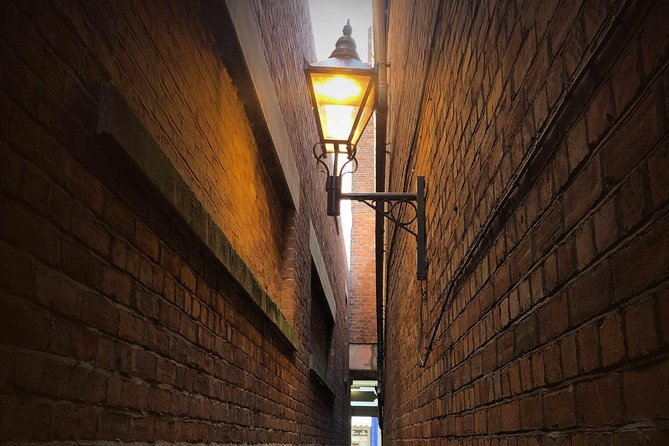
- York walls and back streets: expect steps, hidden passages, and a few moments of “how did we miss this?”
- Timed leaderboard: teamwork or friendly competition, your call.
- Two optional pub stops: likely around the 1/3 and 2/3 point for a reset.
- Hints and lost messages: if you’re stuck or wandering, help is built in.
York in 1491: why this murder mystery works as a walking tour
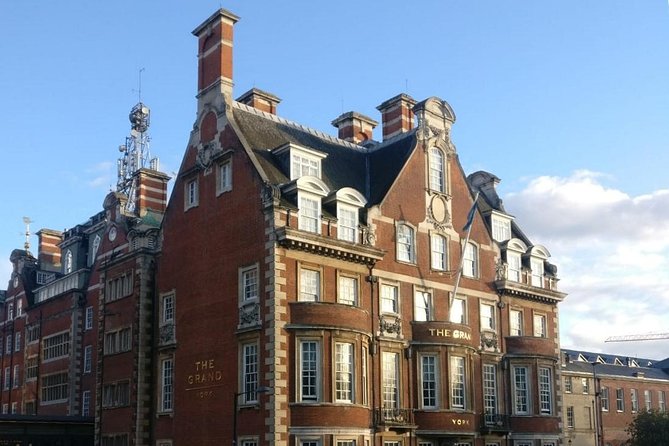
York has a way of pulling you into its past. This experience turns that feeling into a game: it’s set in 1491, with rumours swirling around a murder, and you’re the team trying to piece together what happened and why. The payoff isn’t just reaching the end—it’s learning the motive and getting to the final solution as you move through the city.
I like how the story gives you a reason to look closely. Instead of doing sightseeing by habit, you’re scanning street corners, reading clues, and making decisions based on what you see in front of you. In a place like York, where many sights are close together but easy to miss, that “search mode” makes the walking far more rewarding.
Your main trade-off is that this is a puzzle game first, with history worked into the trail. If you want a traditional guide who stops and explains everything out loud at each point, you might find the experience a bit more head-scratchy than narrated.
You can also read our reviews of more tours and experiences in York.



Starting at Clifford’s Tower and getting clues on your phone
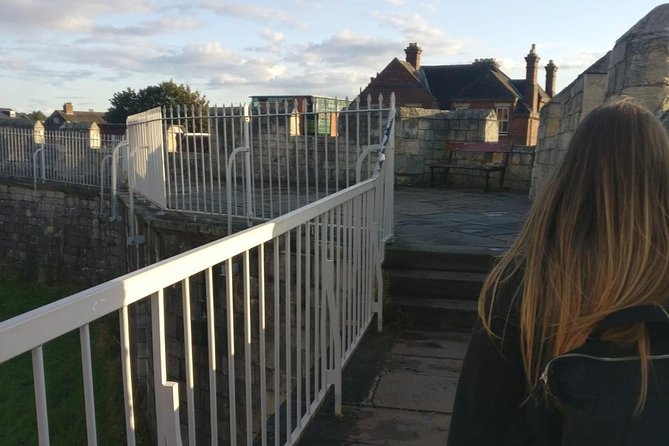
Your route starts at Clifford’s Tower, Tower St, York YO1 9SA, and it ends back at the same meeting point. That matters more than you might think: York’s centre is walkable, but it’s also full of small alleys and odd turns. A return-to-start loop helps you feel anchored, even when you’re off exploring.
The biggest practical win is how the clues are delivered. You get a mobile ticket, and the experience sends clue steps to your phone through Telegram (no cumbersome app to download). Each clue leads you to a new nearby location. You solve it, search for the answer on-site, then reply with the correct answer to move forward.
If you’ve done phone trails before, you’ll know the common pitfalls—wrong formats, unclear answers, or dead phones. Here, there are hints available when you’re stuck, and you can also request help if you’re lost by sending the right message. One helpful detail from actual encounters: teams who had a phone issue were instructed on adding other members so everyone in the group can receive the clues and reply.
Tip for smoother play: when a clue starts, keep your attention on the exact wording. A number of people found the early steps and the phrasing of some answers a little ambiguous, so slow down and treat it like a logic problem, not just a scavenger hunt.
The walking route: York walls, hidden lanes, and the 4 km pace
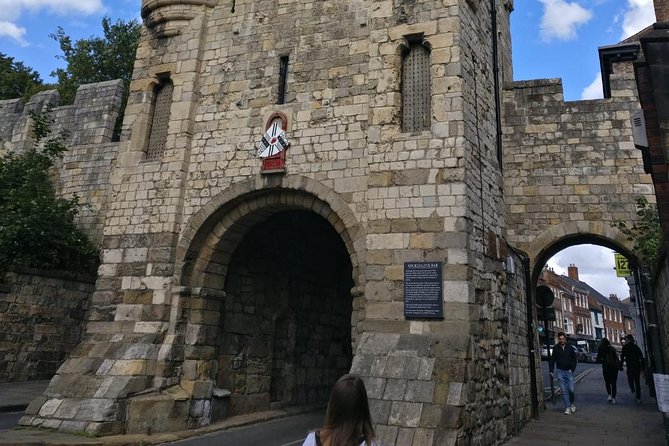
You’re looking at about 4.0 km total walking. That’s not huge in distance terms, but it can feel more than the numbers when you add York’s steep bits and the frequent stop-and-start rhythm of clue solving.
The trail includes time around the York walls and encourages you to explore hidden streets—places that are real, local, and easy to miss if you’re only following the main roads. Several people specifically enjoyed seeing areas they wouldn’t have found on their own, and the route is designed to mix open viewpoints with narrower passages.
Two practical considerations from real run-ins:
- Some directions that refer to wall exits can be confusing if an access point is blocked or locked at that moment. If you reach a wall entry that doesn’t work, don’t force it—shift to the next available option and keep your clue logic intact.
- York’s alleys can look similar. One shared example mentioned an alley name that was easy to misinterpret and led to extra confusion until they corrected course.
How it should feel overall: difficulty is rated 2/5, local knowledge is 1/5, and the route expects moderate fitness. That’s a good match for lots of families—especially families who enjoy games and don’t mind pausing often to solve and then move again.
Pub breaks at the one-third and two-thirds marks
The trail includes two optional pub breaks. The first comes around the 1/3 point of the route, and the second around 2/3. You’ll use these breaks to warm up, reset your legs, and keep the story moving without the whole thing feeling like a nonstop march.
These stops also make the experience more than a pure puzzle. You’re not just chasing answers—you’re taking breaks like a normal York afternoon: stepping into taverns, talking as a group, and letting the walking rhythm settle.
A couple of people wished there were more pub stops, which tells you something important: if you love the pub-crawl feel, you might want to plan extra time on your own outside the included breaks. If you don’t drink, the breaks still work as a timing tool and a chance to grab a snack or a quick drink to keep energy up.
Clue style, hints, and the leaderboard pressure
There are 19 clues across the route. That means you’ll likely solve one every 8–10 minutes on average, but it won’t feel that smooth—some clues will take longer, and some will snap into place quickly. Reviews reflect that mix: cryptic moments that slow you down, then satisfying little bursts where you finally see the answer.
The experience gives you two modes of motivation:
- Team play: work together to solve each clue, share the thought process, and keep moving.
- Competition: your progress is timed and ranked on a leaderboard, so you can race friends or family.
For me, the value of the leaderboard isn’t that you have to win. It’s that it keeps pace. York walking can easily turn into a slow wander. Here, you’re nudged forward by the idea that you’re on the clock.
When directions or wording get tricky, don’t struggle in silence. Use hints and lost-message support. Several people reported getting briefly lost due to unclear directions, but also said help messages brought them back on track.
One style note: the language is period-flavoured because the story is set in 1491. That can be fun if you like the atmosphere of roleplay, but it can feel a bit intense if you’re expecting modern, straightforward instructions at every step.






What to do when you get stuck (or your phone goes off-script)
Phone-based trails live and die by one thing: your phone. Here’s what the data supports about resilience and support.
If you can’t progress because of directions or clue confusion, hints and lost messages exist. If your phone setup is the issue, you should still be able to coordinate the group: one shared situation involved a phone dying, and the response provided instructions for adding other members so everyone else can keep receiving and sending clues.
Also, if something goes badly enough, there’s a strong customer service safety net. Multiple responses referenced a 100% money-back guarantee if the trail doesn’t work out for you, and a direct channel to contact support. Translation: you’re not stuck with a bad experience if the trail falls apart due to issues.
My practical advice: charge your phone fully before you start, bring a power bank if you have one, and keep your team coordinated. If one clue step becomes frustrating, don’t let it ruin the whole afternoon—use the hint system quickly, then reset your brain and move on.
Pub, steps, and family fit: who will enjoy this most
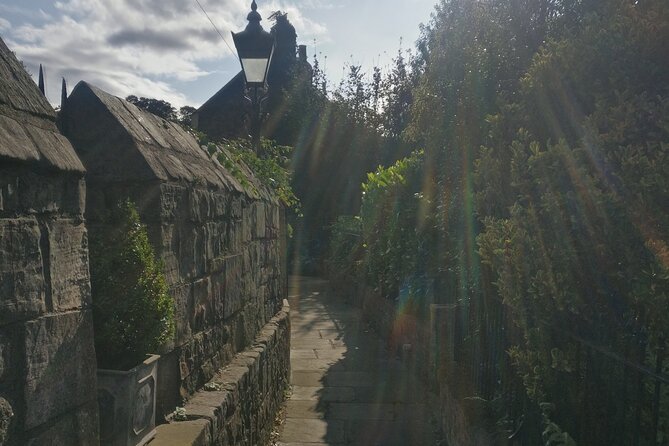
This is rated moderate physical fitness with an overall difficulty of 2/5. Distance is short enough for many people, but the experience includes steps and wall sections, so it’s not a flat stroll.
It’s also designed for group fun. In particular, it works well for families with kids who enjoy puzzles. One set of comments specifically called out that boys around early teenage age had a blast solving clues. Others mentioned mixed generations having a good time, with plenty of stops for chatting between clue steps.
Where it may not fit as well:
- If you expect heavy, continuous narration at each location, you might prefer a guided walking tour instead.
- If you dislike cryptic puzzle-solving, the early and some later clues may feel more like work than play.
- If you’re uncomfortable with period-flavoured language or tense roleplay tone, the style can feel intense.
My take: book it if your travel style includes problem-solving and you like discovering York in a slightly offbeat way. Book something else if you want a classic history walk with fewer decisions and more explanation.
Price and value: $20.67 for 19 clues and a timed case
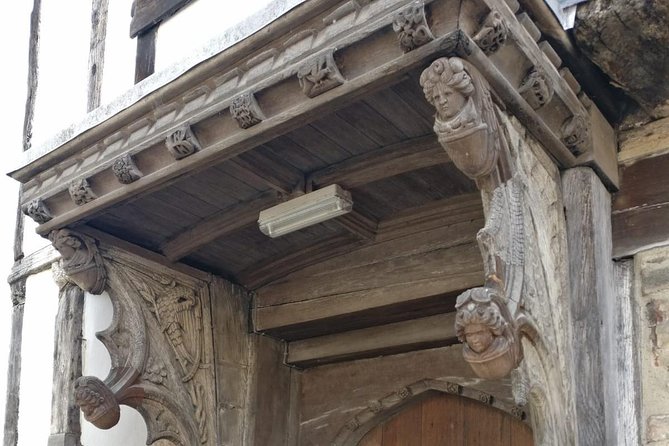
At $20.67 per person, this sits in the “good afternoon activity” range rather than a full-day premium tour. The value comes from what you get for that money:
- A full 2.5–3.5 hour planned route
- 19 clue steps that actively guide your walking
- Two optional pub breaks for breaks and atmosphere
- A Telegram-based system so you aren’t locked into a specific app store setup
- A private group experience where only your group participates
You’re essentially paying for structure and storytelling. The walking portion is something you could do on your own, but you’d miss the puzzle engine that forces you to look closely and keeps you moving through backstreets and wall sections at the right times.
The main value risk is if the puzzle difficulty doesn’t match your group. A few people felt parts of the route were ambiguous, had confusing directions, or didn’t deliver enough history. If you’re the type who gets irritated by unclear clue answers, that’s the scenario where the price might start to feel high.
The practical bottom line: should you book the York murder mystery trail?
I think this is a strong pick if you want York to feel like a story you’re participating in, not just a checklist of sights. The combination of Telegram clue delivery, 19 step puzzle chain, and York walls plus hidden streets creates a day that’s active, social, and surprisingly memorable.
Before you book, ask yourself two questions:
- Do you enjoy solving clues and reading what’s in front of you, even when it’s a bit cryptic?
- Are you okay with some navigation effort through tight York lanes, using hints or lost-message help if needed?
If you want straightforward directions all the way, or if you need constant narration, you might be happier with a traditional guided walk. If you enjoy puzzles, teamwork, and a timed bit of friendly rivalry, this one is well worth your afternoon—especially because it’s built to show you corners of York you’d likely skip.
FAQ
How long is the murder mystery treasure hunt in York?
The trail runs for about 2 hours 30 minutes on average, with some variation around 2.5 to 3.5 hours.
Where does the experience start and end?
It starts at Clifford’s Tower, Tower St, York YO1 9SA and ends back at the same meeting point.
Do I need to download an app to get the clues?
No. The clues are sent through Telegram, so there’s no cumbersome app to download.
How do the clues work once I’m on the trail?
Each clue is sent to your phone and points you to a nearby location on foot. You solve it, find the answer, and reply with the correct answer to get the next step.
Is there any competition during the experience?
Yes. Your progress is timed and ranked on a leaderboard, so you can work together or compete against friends and family.
Are there pub breaks during the route?
There are two optional pub breaks. One is around the one-third point, and the second is around the two-thirds point.
How much walking is involved?
The total distance is about 4.0 km.
What happens if I get stuck or lost?
You can request hints for clues, and you can also send a message to get help if you’re lost.
What if I need to cancel or the weather is bad?
You can cancel for a full refund up to 24 hours in advance. The experience requires good weather; if it’s canceled due to poor weather, you’ll be offered a different date or a full refund.