York’s best lessons are on the sidewalk. This private walking tour turns the main sights into a clear story, with a guide who adjusts the details to what you care about. You’ll cover the Minster, the abbey, the famous medieval streets, and end at Clifford’s Tower.
I especially like the way the tour is structured but not stiff. Guides tailor the commentary to your interests and keep it flowing, which matters in a city where you can otherwise wander and miss the connections. If you’re lucky enough to get a guide like Alan, Karen, Chris, Sean, or David, you’ll get both solid history and some genuinely fun local storytelling.
One thing to consider: you’re still moving stop to stop, and the experience runs in all weather. If you want a super casual, free-form conversation the whole time, you’ll want to set that expectation early so the pace and style match your group. Also, it’s best for guests with moderate fitness, since it involves walking.
In This Review
- Key highlights to look forward to
- Why this private York walk is such a good idea
- The route: from York Minster to Clifford’s Tower
- Stop 1: York Minster, from founding to today
- Stop 2: Henry VIII and other royal connections
- Stop 3: York abbey origins through current day
- Stop 4: A guided walk down a historic medieval street (the Shambles)
- Stop 5: A historic building’s founding and how it was used over time
- Stop 6: York Castle and Clifford’s Tower—what happened there
- Pace, questions, and what “private” really means on the ground
- Price and value: when $195.60 per group makes sense
- What to bring (and what to wear) for a 2-to-3 hour walk
- Pickup, meeting points, and how to keep the start stress-free
- Who should book this historical walking tour?
- Should you book this York private walking tour?
- FAQ
- Where does the tour start and where does it end?
- Can I get hotel pickup?
- How long is the walking tour?
- Is the tour private?
- What language is the tour offered in?
- Is food included?
- Do I need a printed ticket?
- What should I wear?
- What’s the cancellation policy?
- Do children need to be accompanied by an adult?
Key highlights to look forward to
- A private route with only your group (priced per group, up to 15)
- Tailored commentary so the story connects to your interests
- Central pickup options for less hassle at the start
- Minster, abbey, and castle in one walk—history layers without the guesswork
- Ends near Clifford’s Tower and the Castle Museum so you can keep exploring
Why this private York walk is such a good idea
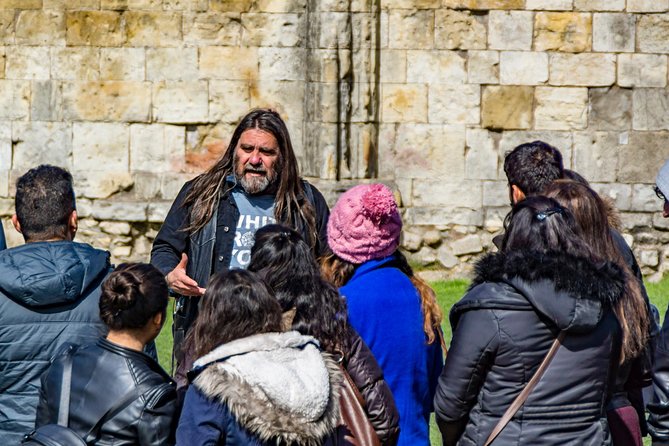
York’s historic center is dense. That’s great for sightseeing, but it’s also why first-time visits can feel like a blur of stone and street signs. This tour is built to solve that problem: it gives you a walking route that hits the big landmarks and, more importantly, explains how they connect across time.
The biggest value here is the private setup. Instead of joining a mixed group where you mostly listen and hope, your guide can steer the story toward your questions—royal politics, medieval life, or the dramatic events that shaped York. I also like that the experience can be paced for real people, not just “average tourists.” The result is that older visitors can keep up, and history fans won’t feel like they’re being talked at.
You’ll also get practical help beyond facts. In the better guide moments, you’ll hear local suggestions that make your stay easier—like timing for Evensong at York Minster, plus ideas for where to eat and drink nearby. Even if you do only a few of those tips, they make the tour feel worth it because they extend into the rest of your trip.
You can also read our reviews of more tours and experiences in York.



The route: from York Minster to Clifford’s Tower
This walk starts by York Minster and finishes near Clifford’s Tower and the Castle Museum. The exact start point is 36 Precentor’s Ct (YO1 7EH), but if you’re staying somewhere else in the central area, you can usually arrange to meet within walking distance of the city center. If you show up at the usual spot, you’ll meet opposite the West Entrance of the Minster near Bennett’s tea rooms.
The timing is typically 2 to 3 hours, so you’re not committing to an all-day schedule. That’s useful in York, where you’ll likely want time later for independent wandering, shopping, or just stepping into churches and small museums at your own pace.
The route also helps you understand York’s layout. You’re not just seeing buildings. You’re walking through a geography of power—religion near the Minster and abbey, then the civic and military storyline that leads you toward the castle and the drama associated with it.
Stop 1: York Minster, from founding to today
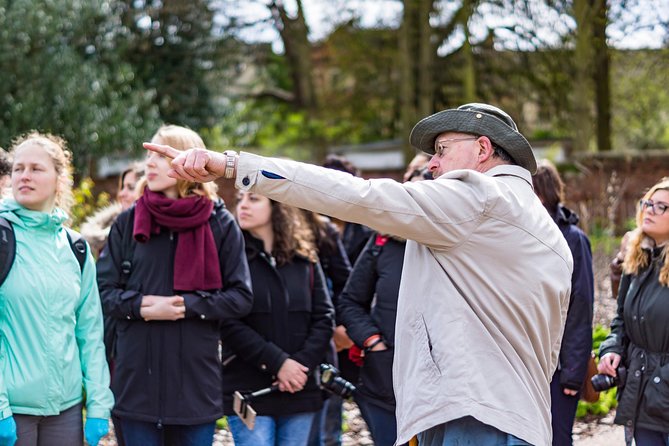
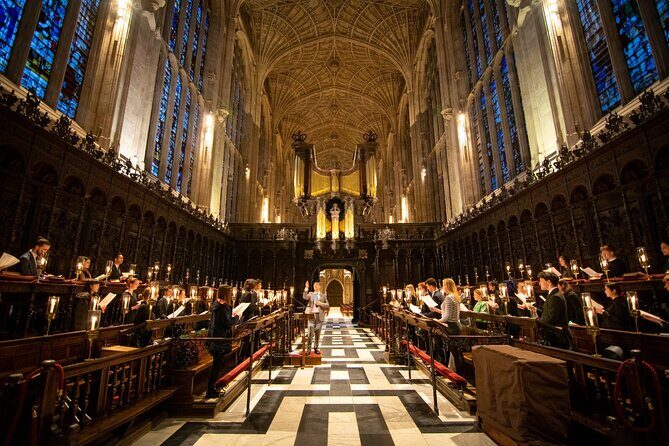
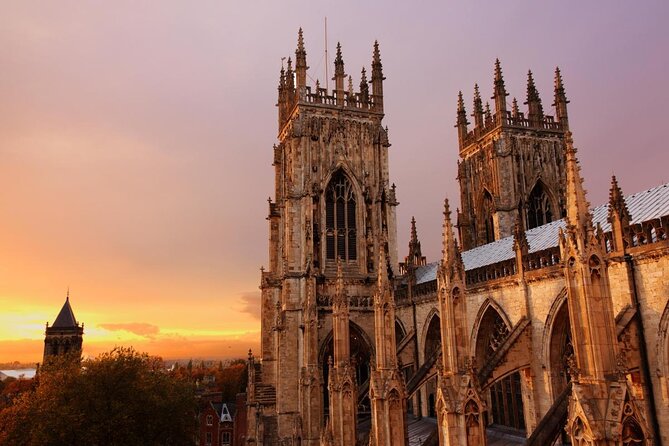
The first major focus is York Minster. Your guide starts with the Minster’s history from its founding and carries it forward to the present. This is a smart way to begin, because the Minster isn’t just a pretty landmark—it’s a living piece of York’s identity.
Here’s what I think you gain by starting here:
- You get the big timeline first, so later details about kings, church life, and architectural changes make sense.
- You learn what to look for when you glance up at carvings, windows, and structural features. Without that context, it’s easy to admire the building and miss what makes it important.
A good guide also tends to connect the Minster to the daily rhythm of York (services, visitor access patterns, and what you might notice if you return later). Even if you don’t plan to see everything up close, you’ll walk away with a mental map of what mattered and why.
Stop 2: Henry VIII and other royal connections
Next comes the building’s connections with Henry VIII and other kings. This section matters because York’s religious and political life wasn’t separate. Church power, royal decisions, and national events all shaped what was possible locally.
What I like about this part of the tour is that it turns a stone building into a political actor. You stop seeing the Minster as a static monument and start seeing it as something influenced by changing rulers, shifting priorities, and historical turning points.
If you’re the type who likes to understand the “why,” this stop is where your questions start getting answered. And if you’re not, it still works, because it gives the Minster a narrative hook: who had power, what decisions were made, and how those decisions echoed through the building’s story.
Stop 3: York abbey origins through current day
After the Minster, the tour shifts to the abbey, explaining its history from its founding to the present. York’s religious landscape has layers, and the abbey storyline helps you see how York’s institutions evolved rather than simply appearing fully formed.
Even when you don’t know much about church history, this stop gives you a framework. You learn that the abbey is part of the same long conversation as the Minster—just from a different angle. That makes York feel less like a list of unrelated attractions and more like one city with multiple chapters.
One practical benefit: when you later walk into other church or monastery-related places on your own, you’ll recognize recurring themes. You’ll also be better at spotting which parts are tied to the original founding versus later uses.





Stop 4: A guided walk down a historic medieval street (the Shambles)
Then you get a street walk—a detailed explanation on a historic street. In York, that often points people toward the Shambles, the city’s famous medieval street. The payoff here isn’t just photos. It’s learning how the street worked for daily life and what those tight lanes and old frontages tell you about the period.
This stop is great for two reasons:
- It teaches you to read the street like a clue, not just a postcard.
- It gives your legs a break from major landmarks while still keeping you in the history loop.
Look for the street layout and building shapes, because a good guide will connect those visible details to trade, household life, and how the street survived through change. You’ll likely come away knowing what makes it different from other old streets in England.
Stop 5: A historic building’s founding and how it was used over time
The next section focuses on the history of the founding of a building and its uses over the years. This kind of stop is underrated, because it teaches you that York’s buildings rarely stayed in one role forever. A structure might start with one purpose and then shift as the city’s needs changed.
The practical value is that you’ll start noticing reuse everywhere. Once you’re primed to think in terms of changing functions, York becomes easier to navigate. You’ll understand why buildings might look similar on the outside but have totally different stories behind them.
If you’re a fan of “what used to be here,” this stop tends to be the sweet spot. It’s not only about dates—it’s about how people adapted spaces when politics, economics, or religion changed.
Stop 6: York Castle and Clifford’s Tower—what happened there
The tour ends at Clifford’s Tower and is focused on the history of York Castle, including its centerpiece tower and the events connected to it. This is a strong finale because it shifts from religious institutions and medieval street life to power, conflict, and imprisonment.
Clifford’s Tower is dramatic on its own, but with a guide, you get the larger meaning behind it. You understand why the castle mattered, what it represented in York’s control systems, and why certain events left a mark.
I like ending here for another reason: the location sets you up to keep going. Since the tour finishes close to Clifford’s Tower and the Castle Museum, you can easily continue with independent exploration if you want more context or want to linger longer at exhibits.
Pace, questions, and what “private” really means on the ground
This is a private tour, so in theory you’re in charge of your group’s rhythm. The guide commentary is tailored to your interests, and many guests treat the walk like an extended question-and-answer session.
That said, the experience is still guided and stop-based. If you’re hoping for a purely conversational stroll with long detours, bring that up at the start. A good match looks like this: you tell your guide what you care about, they steer the content, and they adjust how much detail you want at each stop.
Most people seem to feel the pace works. In one case, two visitors aged 80 managed comfortably because the guide handled distance and timing with care. That’s a good sign if you have mixed mobility in your party.
One caution, based on less positive experiences: sometimes a private tour can feel less exclusive if the situation changes. If privacy is a top priority—like you’re booking for family time or special interests—be clear early on what “private” means for your booking and confirm it with the guide on arrival.
Price and value: when $195.60 per group makes sense
The price is $195.60 per group, up to 15 people. That structure matters. A group-price model can be a great deal when you’re traveling with friends or family, and it can still be reasonable when you’re just two people—if you value a guide who can tailor the history to your interests.
Here’s how I’d think about the value:
- For a small group (two to four), you’re paying for a guide and route that would otherwise be split across many people on a larger tour. You get flexibility and faster, more targeted explanations.
- For bigger groups, the per-person cost drops quickly. Since the tour is capped at 15, it can work well for small travel groups, reunions, or multi-family trips.
- Because it covers multiple major stops in one session, you avoid spending time searching for “what to see and in what order.” That’s part of the value too.
The tour is highly rated, with a 4.9 average and a strong recommendation rate. Also, it’s often booked around 50 days in advance, which usually signals that the time slots go quickly—especially in peak travel seasons.
What to bring (and what to wear) for a 2-to-3 hour walk
The tour runs in all weather, so you need to plan like York might surprise you. The guidance is simple: dress for the conditions and wear sensible footwear.
From a practical standpoint, I suggest:
- Comfortable shoes with grip, especially if the streets are damp.
- A small rain layer if rain is in the forecast.
- Water and a light snack if you think you might get hungry, since food and drinks aren’t included.
Also remember the tour is listed as requiring moderate physical fitness. You don’t need to be an athlete, but you should be ready for steady walking across historic streets.
Pickup, meeting points, and how to keep the start stress-free
Hotel pickup is offered if you’re staying at a central property. If not, you’ll meet at 36 Precentor’s Ct or at another convenient central location within walking distance.
The usual start is opposite the West Entrance of the Minster near Bennett’s tea rooms. That’s helpful because it’s easy to find if you’re already orienting yourself around York Minster.
If you want the smoothest start, I’d do this:
- Choose your meet-up point in advance (either the Minster area or your pickup option).
- Arrive a few minutes early so you can settle your group and your guide can start without delays.
You’ll also receive a mobile ticket, which makes it easier to manage on a phone while you’re walking and navigating.
Who should book this historical walking tour?
This tour is a good fit if you want a guided plan without feeling locked into a rigid schedule. It’s also ideal if:
- You’re visiting York for the first time and want a clear overview from the Minster to the castle.
- You like your history with connections—religion, royal power, and dramatic events in one storyline.
- Your group has mixed interest levels, from casual sightseers to history-focused travelers. The guide can tailor explanations so everyone leaves happy.
It may be less ideal if you want a very long, slow “linger and chat” experience with lots of spontaneous detours. It’s structured, and the stops keep moving.
Should you book this York private walking tour?
If you’re aiming to understand York quickly and correctly, I think this is an excellent booking. You get a private format, a guided route through the core highlights, and a guide who can shift details toward what your group cares about. Ending near Clifford’s Tower is a smart move because it turns the tour into a launchpad for more exploring.
I’d book it if you value:
- A first-day orientation (this tour is the kind that helps the rest of your trip click into place)
- A guide who tells stories connected to places, not just dates
- A practical 2-to-3 hour time window that doesn’t swallow your whole schedule
I’d pause and ask questions before booking if you have very specific needs around pace, conversation style, or if you want to be extra strict about the tour feeling fully exclusive. Otherwise, this one is strong—especially for travelers who want real context without spending time piecing together York’s layers on their own.
FAQ
Where does the tour start and where does it end?
It starts at 36 Precentor’s Ct, York YO1 7EH, UK. The tour ends at Clifford’s Tower, Tower St, York YO1 9SA, UK, close to the Castle Museum.
Can I get hotel pickup?
Pickup is offered if your hotel is in a central area. If not, you’ll meet at the usual departure location or another convenient location within walking distance of the city centre.
How long is the walking tour?
The tour lasts about 2 to 3 hours.
Is the tour private?
Yes. It’s a private tour/activity, and only your group will participate.
What language is the tour offered in?
The tour is offered in English.
Is food included?
No. Food and drinks are not included.
Do I need a printed ticket?
You’ll have a mobile ticket.
What should I wear?
The tour operates in all weather. Wear sensible footwear and dress appropriately for the conditions.
What’s the cancellation policy?
You can cancel for a full refund up to 24 hours before the experience’s start time. Free cancellation is available, with changes inside 24 hours not accepted for a refund.
Do children need to be accompanied by an adult?
Yes. Children must be accompanied by an adult.