REVIEW · ISLE OF MAN
Isle of Man Wildlife & Scenic Adventure with Wildlife enthusiast
Book on Viator →Operated by Isle of Man Guided Tours and Adventures · Bookable on Viator
Wildlife spotting starts at Douglas Head cliffs. This Isle of Man tour stitches together seabird haunts and coastal stops where you can search for peregrine falcons and Atlantic grey seals with a guide who brings binoculars and a spotting scope. I love the way the itinerary builds in short, targeted viewing moments (not long, random wandering), and I love that your group stays small and flexible. One thing to consider: it is a long day, so you will spend meaningful time in the vehicle between the best wildlife corners.
What makes it work well is the guiding style. You get a Blue Badge Driver Guide with a background in marine biology, and the communication around the experience is handled responsively. If you care more about birds than history, or you want to slow down because you’re seeing something good, the plan can bend.
Still, manage expectations on wildlife. You’re out in the open, and sightings depend on season and weather. Also, lunch and refreshments are not included, so you’ll want a plan for food and water during breaks.
In This Review
- Key points I’d plan around
- Private, 7.5-hour wildlife circuit that stays focused
- Marine Drive at Douglas Head: peregrines, wildflowers, and sea views
- Langness Peninsula SSSI: skylarks, curlews, and choughs
- The Sound Cafe and Calf of Man: Atlantic grey seals and coastal birds
- Peel’s harbor and ancient town feel: guillemots, eiders, and dolphins
- Ayres National Nature Reserve: shingle, dunes, lichen heath, orchids
- Point of Ayre Lighthouse: northern plain, terns, waders, and seals
- Snaefell uplands: hunting for birds of prey, including Hen Harrier
- Price, inclusions, and what you’re really paying for
- Who should book this Isle of Man wildlife adventure
- Should you book? My honest call
- FAQ
- How long is the Isle of Man wildlife tour?
- What does the tour cost?
- Is pickup available?
- Where does the tour start?
- Are admission tickets included?
- Is lunch included?
- What wildlife might I see on the tour?
- Is this tour private?
- Can I cancel for free?
Key points I’d plan around
- Binoculars plus a spotting scope for coastline birds and distant action
- Douglas Head to Peel keeps you on high cliffs and harbor views where seabirds love to work
- Langness Peninsula is a Special Scientific Interest with top-tier birdwatching potential
- Calf of Man views from The Sound are set up for Atlantic grey seal spotting
- Ayres National Nature Reserve shifts from seabirds to dunes, lichen heath, and orchid country
- Snaefell uplands add a bird-of-prey angle, including the elusive Hen Harrier in season
Private, 7.5-hour wildlife circuit that stays focused
This is built for small groups: up to 4 people per private tour. That matters more than it sounds. When you’re watching birds, the best action might pop up for 30 seconds, and then it’s gone. A tiny group makes it easier for your guide to park you in the right spot and keep everyone on the same target.
The tour runs about 7 hours 30 minutes. You’ll cover multiple coastal habitats in one outing, which is a real time-saver on an island where the good wildlife spots are spread out. It’s also private in an air-conditioned vehicle, which you’ll appreciate if the day is warm or breezy.
English-language guiding is offered, and you get a mobile ticket. The guide shows up with the gear: binoculars and a spotting scope. For bird life on cliffs and along shorelines, that combo is practical, not fancy.
Value-wise, the price is listed as $569.03 per group (not per person). For a group of four, that can work out like an efficient, all-in-one day of wildlife watching with transport and interpretation. If you’re traveling solo or as a couple, it still may be a solid option because you’re paying for door-to-stop logistics plus a guide who can identify what you’re actually seeing.
There is one trade-off: no lunch or refreshments. A good wildlife day is a “stop, watch, then eat something” rhythm. Plan to buy food at the right times so you don’t end up grabbing the first thing you see with tired legs.
You can also read our reviews of more tours and experiences in Isle of Man.

Marine Drive at Douglas Head: peregrines, wildflowers, and sea views
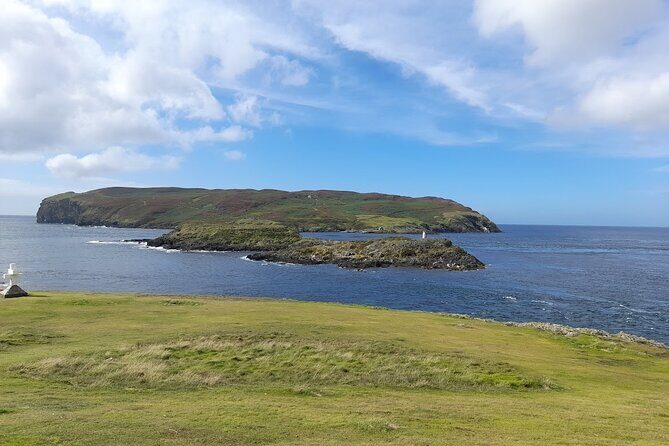
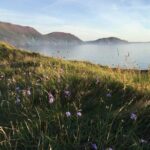
You start at Douglas Head, where the focus is high-coastal viewing along Marine Drive. The cliffs here sweep across the Irish Sea, and that open horizon is perfect for scanning.
This stop is set up for a few different wildlife styles at once:
- Peregrine falcons may be in their traditional cliff habitat
- Choughs can show around the Douglas area cliffs
- Wildflowers add color, especially in the seasons when the island is more floral
- You may also pick up passing marine life offshore
Why this stop works: cliffs are where seabirds and raptors “show work.” They use thermals, ledges, and predictable flight lanes. Even if you don’t get a close look at a falcon, you’re still in a strong birdwatching situation with lots of movement and sound.
A practical tip for your mindset: treat the viewing like a scan-and-wait game. The guide’s scope and binoculars help you check the sky first, then the ledges. If the wind is kicking up, you’ll often see more raptor motion because birds are riding currents.
The drawback is also simple: cliffs plus wind means you should dress for weather, even if the forecast looks mild. The views are worth it, but you’ll feel it on exposed sections.
Langness Peninsula SSSI: skylarks, curlews, and choughs
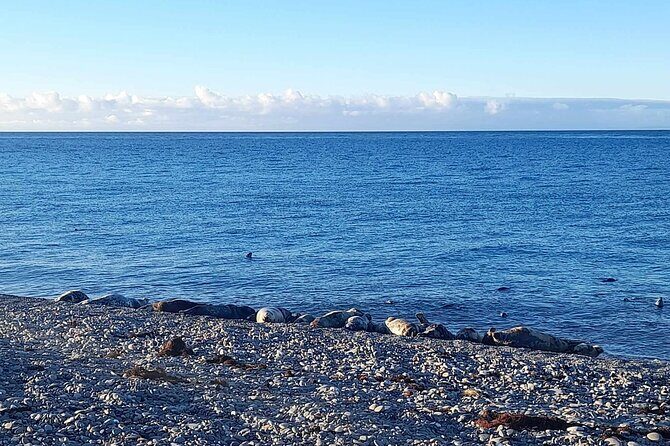
Next up is Langness Peninsula, a Special Scientific Interest recognized by UNESCO as one of the best places in the world to explore nature. That’s big language, but the itinerary is very specific about what to look for.
Depending on the season, this area can offer:
- Skylark
- Curlew
- Choughs
- Numerous waders
This is the stop where your day changes gear. Instead of cliff-top scanning, you’ll be looking for birds that use grass, edges, and open ground. Waders are especially telling because they can be harder to spot at first glance—until you know what movement to look for.
What I like about placing this stop mid-tour: after the dramatic cliff views, your brain gets a break from constant scanning for raptors. You shift to more patient, ground-based birdwatching.
What to watch out for: this kind of birding can be weather-dependent. If it’s very windy or visibility is poor, you might struggle to read the smaller birds. In those moments, stick close to the viewing cues your guide points out and use the scope when you get a clear line.
The Sound Cafe and Calf of Man: Atlantic grey seals and coastal birds
At The Sound, you overlook the Calf of Man, which is a Nature Reserve. This stop is built for sea-life spotting plus bird observation from a coastal viewpoint.
Highlights here can include:
- Atlantic grey seals
- Other passing marine life
- Several bird species
- Rocky shores and low-lying heath scenery that attracts wildlife
Why this matters: seals are often the wildlife payoff people remember from the Isle of Man. They’re visible on shore and active offshore, so you get chances in both directions. Even when there isn’t seal action at that exact moment, the location still supports bird variety and coastal movement.
The views can be exceptionally scenic, but the practical angle is that your sightlines are broad. That helps you scan from a distance without constantly repositioning.
One small reality check: “seals often” still means some days you’ll work harder for it. Don’t judge the day after one glance. Give the guide a minute to set you up and then settle in for a watch cycle.
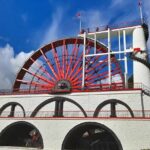
Peel’s harbor and ancient town feel: guillemots, eiders, and dolphins
Peel is a historic fishing town on the west of the island, and it brings more than wildlife—it brings atmosphere. You get an ancient castle setting, a marina, and coastal habitats close enough to watch without turning the day into an endurance event.
Peel also has very specific bird-and-marine mammal possibilities, including:
- Black Guillemots nesting in harbor walls and showing in the marina area
- Gull species
- Waders
- Eider Ducks
- Resident Bottlenose dolphins
- Atlantic grey seals
Here’s why this stop is valuable: harbor life is busy life. You tend to get repeat opportunities because birds and marine mammals come and go with fishing patterns, tides, and food availability.
The drawback is crowding risk—not because this is a packed tour, but because towns draw people. If a spot is busy, your guide can help you find alternate viewing angles so you’re not staring over everyone’s shoulders.
Also, remember you’re mixing town time with wildlife time. If you want to photograph, bring a steady approach. Fast shutter changes and quick repositioning can turn into frustration. Let your guide pick the “hold here” view, then use the scope and binoculars for the best moments.

Ayres National Nature Reserve: shingle, dunes, lichen heath, orchids
The Ayres National Nature Reserve changes the scenery tone again. Instead of harbor and cliff viewing, you shift into protected habitats that are shaped by shingle and sand dunes, plus lichen heath.
The kinds of things you can look for here include:
- Distinctive shingle and sand dune terrain
- Lichen heath
- Orchids (when in season)
- Flora and fauna supported by hedgerows that receive minimal management
This stop is for people who enjoy wildlife that is less obvious. Dunes and heath can look quiet until you start seeing the small clues—plant textures, color shifts, insect activity, and bird use of edge areas.
I also like the approach of this stop because it broadens your idea of Isle of Man nature. It’s not only coastal glamour. There’s a protected inland edge with its own rules and species associations.
Practical note: reserves like this can reward slow looking. If you rush, you’ll miss the detail wildlife offers in these habitats. Your guide can point out what’s worth focusing on so you don’t end up scanning blindly.
Point of Ayre Lighthouse: northern plain, terns, waders, and seals

Point of Ayre Lighthouse is the most northerly point on the island. The tour frames it in scale: Scotland is around 14 miles away from here, and the area feels like its own world.
The setting is the Northern plain, made up of sand and gravel deposited during and after the last Ice Age. That story matters because it explains the terrain you’re walking or viewing—low-lying lichen heath and shingle beaches.
What you may see depending on season:
- Choughs
- Nesting terns
- Various waders and sea birds
- Atlantic grey seals bobbing in the water or hauled up on shore
This is a “work the horizon” location. Terns and waders can be distant, and seals can be either offshore or on land. The spotting scope helps you keep the day moving instead of guessing.
The drawback is also the most obvious one: it can be windy and exposed. If you’re prone to feeling chilled, plan layers. If you wear thin layers for town stops, you’ll regret it here.
Snaefell uplands: hunting for birds of prey, including Hen Harrier
Snaefell brings the day into uplands—remote, open, and built for bird-of-prey searching. The itinerary keeps this stop timed so travel between points and refreshments fits into the overall schedule.
The birdwatching focus includes:
- Bird of prey species
- The elusive Hen Harrier (in season)
This is where your guide’s bird-reading skills pay off. Upland raptors can be seen as small silhouettes at first. You’re often trying to interpret flight style and movement cues, not just color.
Practical angle: don’t expect every upland stop to deliver the exact headline bird. The value is in the scanning process and the way the guide helps you understand what you’re seeing. Even if Hen Harrier doesn’t show, other raptor sightings can still make the last part of the day feel like it landed.
And yes, if the sky is dull and low, your “read the bird” game gets harder. That’s when patience becomes your friend.
Price, inclusions, and what you’re really paying for
Let’s talk value, not just cost. The listed price is $569.03 per group for up to 4 people. That might feel steep at first glance—until you look at what’s bundled in.
You get:
- A private, air-conditioned vehicle
- A Blue Badge Driver Guide with a background in marine biology
- Binoculars and a spotting scope
- Free admission tickets for the listed stops
- Pickup offered and a mobile ticket
- The whole itinerary arranged so you’re not piecing together a wildlife route yourself
The biggest value driver is time and interpretation. Isle of Man wildlife spotting isn’t only about getting to a scenic spot. It’s about knowing where to stand, what to scan for, and how to separate looks-alikes. That’s where a guide with a marine biology background can make a difference, especially for coastal species and marine mammal viewing.
The one clear non-inclusion is food. Lunch and refreshments aren’t included. So the real “effective cost” is the cost of buying what you need during breaks. Plan for it and it becomes a smooth day. Ignore it and you’ll feel it by mid-afternoon.
Finally, because this is private, you’re not stuck with a one-size-fits-all pace. For wildlife lovers, that matters.
Who should book this Isle of Man wildlife adventure
Book it if you:
- Care about birds and marine wildlife, especially cliff and shoreline species
- Want a guided day built around short, purposeful viewing spots
- Like the idea of seals plus waders plus coastal bird diversity in one circuit
- Prefer small-group attention over big-group bus trips
Consider skipping or changing expectations if you:
- Want a purely walking-focused day with long hikes (this is a sightseeing-and-spotting rhythm with driving between stops)
- Are on a tight food budget, since lunch and refreshments are not included
- Are easily bothered by wind and exposure at coastal viewpoints—Point of Ayre and cliff areas can be brisk
This tour also fits well if you’re into both natural habitats and the island’s human settings. Peel gives you that historic harbor-town context while you still keep wildlife as the main event.
Should you book? My honest call
If you want an efficient Isle of Man day that leans hard into wildlife watching, I think this is a smart booking. The itinerary covers multiple habitat types—cliffs, SSSI bird areas, seal viewing coasts, dune and heath reserve country, and upland raptor searching—so your chances feel spread out instead of hinging on one stop.
The biggest reasons to say yes are simple: small group privacy, expert field gear (scope + binoculars), and a guide who can adjust to your interests. If you come prepared for weather and plan for meals, you’ll get a day that feels focused and genuinely fun, not like you’re just driving from view to view hoping for the best.
FAQ
How long is the Isle of Man wildlife tour?
It runs for approximately 7 hours 30 minutes.
What does the tour cost?
It is priced at $569.03 per group, up to 4 people.
Is pickup available?
Yes. Pickup is offered, and you arrange it by contacting the provider after booking.
Where does the tour start?
It starts at the Isle of Man Steam Packet Company Ferry Travel ShopSea Terminal in Douglas, Isle of Man IM1 2RF.
Are admission tickets included?
Yes. The listed stops show free admission tickets.
Is lunch included?
No. Lunch is not included, and refreshments are also not included.
What wildlife might I see on the tour?
Depending on the season, you may spot peregrine falcons, choughs, skylarks, curlews, waders, Atlantic grey seals, Black Guillemots, Eider Ducks, and you may also have a chance to look for birds of prey such as Hen Harrier.
Is this tour private?
Yes. It is a private tour/activity, and only your group participates.
Can I cancel for free?
Yes. You can cancel up to 24 hours in advance for a full refund. If you cancel less than 24 hours before the start time, the amount paid is not refunded.