REVIEW · LIVERPOOL
Liverpool Beatles Shared Cab Tour
Book on Viator →Operated by Fab 4 Taxi Tours · Bookable on Viator
Beatles sights, sorted in three hours. This shared cab tour turns Liverpool’s biggest Beatles locations into a tight route, with a local guide giving you the story behind the songs as you ride between stops. I love how it helps you tick off key places fast without guessing your way around. I also like the relaxed, small-group feel that makes the whole thing less rushed than a big bus day. One consideration: you’ll get short breaks for photos and wandering, so you need to be ready to move.
You meet at the Hard Days Night Hotel and head out from there, then return right back to the start. It runs about 3 hours, uses a mobile ticket, and keeps the group to a maximum of 5—handy if you prefer a calmer experience in central Liverpool.
In This Review
- Key things I’d watch for before you go
- Why this Liverpool Beatles taxi tour makes sense
- Meeting at the Hard Days Night Hotel and starting clean
- Stop 1: Penny Lane, from lyrics to real streets
- Stop 2: Strawberry Field red gates and a calm 20 minutes
- Stop 3: Woolton Village, the 1957 meeting that mattered
- Stop 4: Eleanor Rigby’s tombstone and the feeling of place
- Stop 5: Mendips, where childhood turned into music
- Transport and timing: what the 3 hours really feels like
- Price and value: is $116.54 worth it?
- The guide’s role: context is the real product
- Who this tour is best for
- Should you book the Liverpool Beatles Shared Cab Tour?
Key things I’d watch for before you go
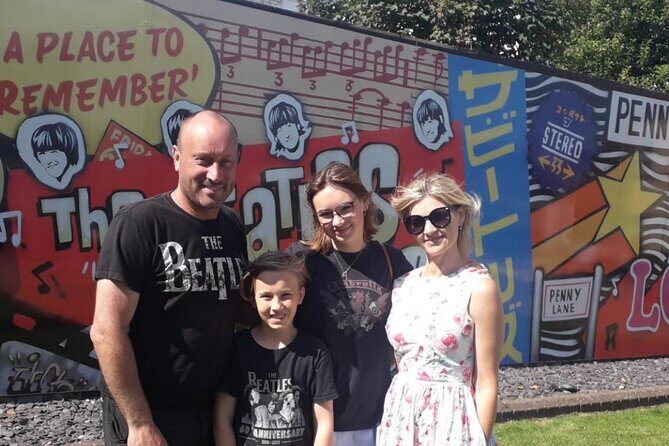
- Small group, short stops: max 5 travelers and tight time windows, great for focus, not ideal for long browsing.
- Song-linked route: you’ll hit major Beatles landmarks tied to specific lyrics and real places.
- Local guide context: you’re not just seeing sites—you’re getting the meaning behind them.
- Easy add-on day plan: you’re done in about 3 hours and can keep exploring Liverpool after.
- Value in transport: the shared cab is included, so you’re paying for route efficiency as much as sightseeing.
Why this Liverpool Beatles taxi tour makes sense
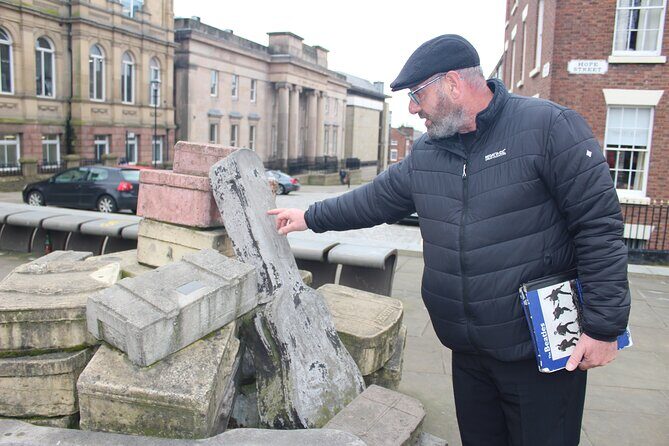
If you only have a half day in Liverpool, this kind of tour is a smart fit. The payoff isn’t just the famous names. It’s the fact that you’re taken point to point with less time wasted in transit planning, and you still get narrative context from a guide who can connect the places to the songs.
I also like that the pace is built for real life. You’re not stuck in traffic for hours with a huge bus load of people. In a small cab group, you can get your bearings fast, then spend the remaining time snapping photos, stepping out, and looking around.
The route also helps you avoid the most common DIY problem: you may reach the right address, but you miss why it matters. Here, you’re given the song-and-place connection before you arrive, so your time outside feels purposeful.
You can also read our reviews of more tours and experiences in Liverpool.



Meeting at the Hard Days Night Hotel and starting clean
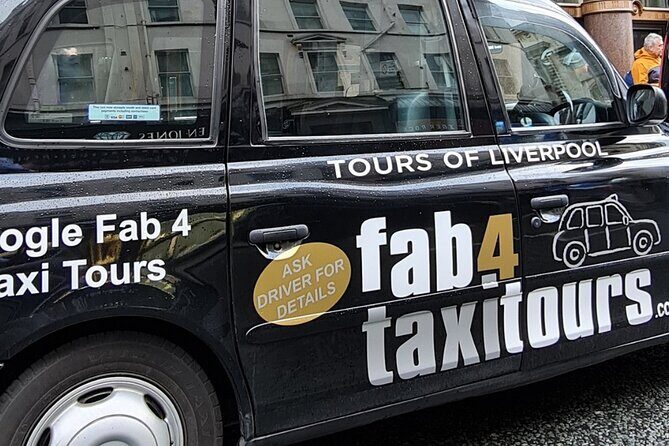
Your tour starts at Central Buildings, N John St, Liverpool L2 6RR, right at the Hard Days Night Hotel area. The practical benefit is simple: it’s a central, well-known meetup point, and the tour ends back at the same place.
The tour uses a mobile ticket, which means you don’t need to hunt for printouts. Also, it’s described as near public transportation, so if you’re staying somewhere else in Liverpool, you won’t feel trapped into taking taxis just to begin.
Stop 1: Penny Lane, from lyrics to real streets
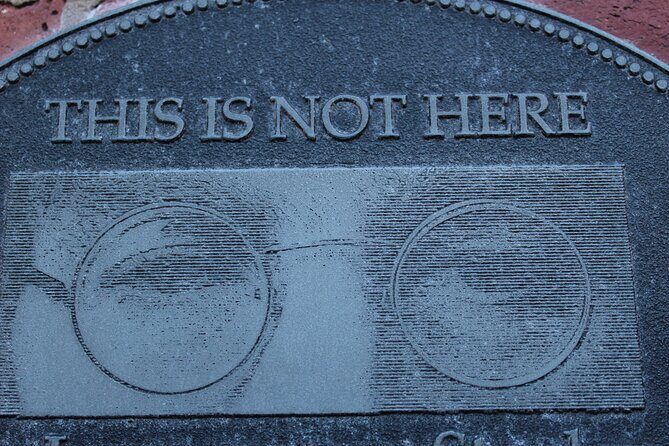
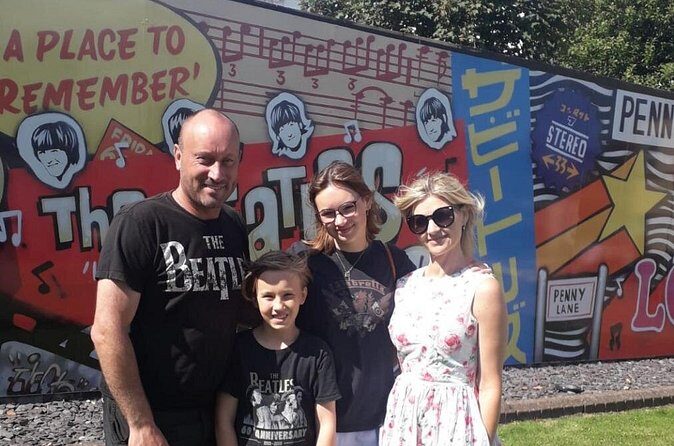
The day kicks off with a journey along the street that lives in Beatles listeners’ ears and hearts: Penny Lane. You’re guided past multiple recognizable sights, including a barbershop with photographs, a shelter in the middle of the roundabout, and an old bank.
Here’s why this matters. Penny Lane is one of those songs that people think they know, but the street details can feel different once you’re actually there. When you arrive with a guide’s pointers, you notice things you’d otherwise miss—especially the small, specific bits that make the place feel real rather than postcard-only.
Even if you’re not a super-detailed Beatles history fan, this leg is worth it because it sets the tone for the whole tour. It’s less museum, more “walk it in your mind first, then see it in front of you.”
Stop 2: Strawberry Field red gates and a calm 20 minutes
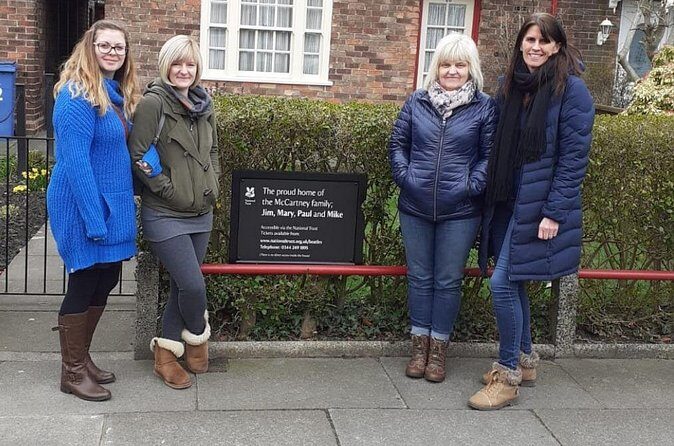
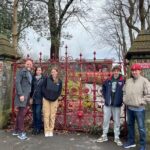
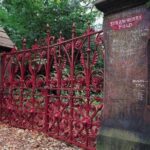
Next up is Strawberry Field, the spot linked to John Lennon’s 1967 classic. You’ll stand by the iconic red gates, learn why the place meant so much to him, and then get about a 20-minute break.
That break is a good length for this format. Long enough to step in, take photos, and look around without feeling like you’re doing a sprint. It’s also long enough to decide what kind of visitor you want to be:
- quick pictures and moving on
- slow walk around and soaking up the atmosphere
- a stop at the café if you want a breather and a drink
The tour notes that admission ticket is free for this stop, which helps you keep your day’s costs predictable.
Stop 3: Woolton Village, the 1957 meeting that mattered
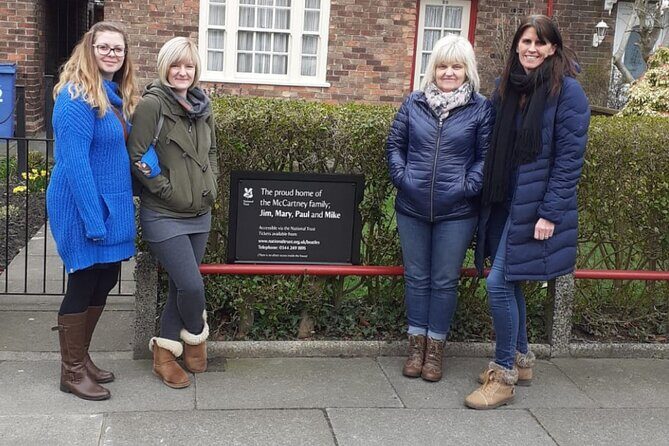
After Strawberry Field, you head to Woolton Village. This stop is built around a very specific moment: the place often described as the most important meeting in music history, where a teenage Paul McCartney met John Lennon for the first time in 1957.
You’ll get a guided explanation of how that single meeting sparked a partnership that changed the world. Then you’ll have about 15 minutes on site.
Fifteen minutes sounds short until you remember how the format works. You’re there to connect the story to the physical setting, not to turn the tour into a full-day pilgrimage. If you’re the kind of person who likes to take one careful walk and a few well-timed photos, this stop hits the sweet spot.
Again, admission is listed as free here, so you can focus on the experience rather than budgeting for entry.



Stop 4: Eleanor Rigby’s tombstone and the feeling of place
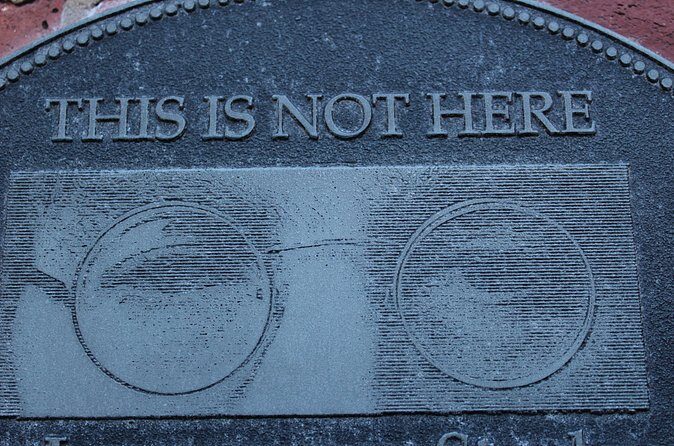
Then comes a quieter, more haunting stop: Eleanor Rigby. You’ll see the real-life tombstone that may have inspired one of the Beatles’ most haunting songs. It sits in the same churchyard where John once sang as a choir boy, which adds a strong layer of poignancy.
This is the stop where I think the guide really earns their keep. The tombstone is a tangible object, but the impact comes from hearing how the site connects to John’s earlier life and to the song’s mood. Without that framing, you’d still see something interesting. With it, you get a stronger emotional read on the moment.
You’ll have about 15 minutes here, which is enough time to pause, look, and take photos respectfully. This isn’t the place to rush. Treat it like a quick visit to a meaningful corner of the city, not a photo factory.
Admission is listed as free again, so you’re not paying for the emotional weight of the stop, just for the tour experience overall.
Stop 5: Mendips, where childhood turned into music
The final major stop is Mendips, the John Lennon home. You’ll stop for photographs outside the modest suburban house where John grew up, along with context about how this quiet corner of Liverpool shaped his childhood, his music, and his partnership with Paul.
You’ll only have about 10 minutes at this location, and that’s the right time for a “look from outside, take photos, and absorb the story” type of stop. This isn’t a place for long wandering, and the tour doesn’t position it that way.
What you can do with your time is simple: get a couple good exterior shots, then listen to the guide’s explanation so you leave with a clearer picture of how early life connects to later creativity. For many people, this is the “close the loop” stop—the one that makes the earlier stops feel less like trivia and more like a thread.
Admission is listed as free for this stop too.
Transport and timing: what the 3 hours really feels like
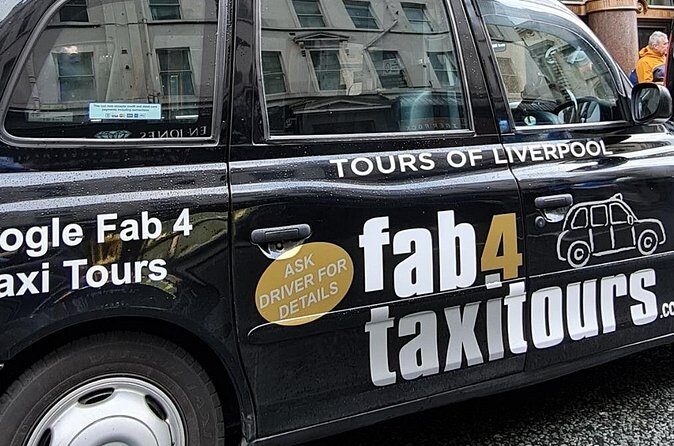
The tour runs about 3 hours, and it’s designed for efficiency. You’re doing multiple locations in a row, with cab rides between them, plus brief time outside at each stop.
That’s a big part of the value. Liverpool’s Beatles sites are spread across the city enough that DIY planning can eat up your day. A shared cab tour helps you spend your limited time looking at the places, not figuring out routes and parking and transit.
Also, the tour keeps a maximum of 5 travelers. In practice, that usually means less waiting around and less crowd pressure at each stop. It doesn’t create a private tour vibe, but it should feel calmer than bigger group bus travel.
Duration and pacing are the tradeoff: you’re moving quickly between key highlights, so you’ll want to be decisive when the guide gives you the time window for photos.
Price and value: is $116.54 worth it?
At $116.54 per person for an approximately 3-hour shared cab tour, the sticker price can look steep at first glance. But when you price it by what’s included, the math starts making more sense.
What you’re paying for:
- Transport included via shared cab, which is usually the biggest cost if you’re doing this hop-to-hop
- A professional guide, who connects the locations to the songs with context you likely won’t pick up if you just walk the addresses
- Route efficiency: you cover several major stops quickly, instead of spending hours cobbling together a DIY route
You’re also not paying separate admission for the stops listed in the itinerary, since each stop notes admission ticket free. The tour also says group discounts may be available, which can help if you’re traveling with someone else.
What isn’t included is gratuities, which is typical. If you like good guide storytelling, plan a small tip so you can reward the work you got.
Bottom line: I’d call this a good value if you want the highlights in one focused morning or afternoon and you care about the story behind the landmarks. If you’re the type who wants to linger for an hour at every site, this format may feel too time-tight.
The guide’s role: context is the real product
The transport gets you places. The guide is what makes the places click.
This tour’s selling point is that a local guide provides context and insight that many visitors don’t get. You’ll hear why each site matters—like why Strawberry Field meant so much to John, or how the Woolton meeting in 1957 set the chain reaction in motion.
I like tours where the guide is giving you something useful you can take with you as you look. That’s the difference between seeing a gate and understanding it, seeing a tombstone and feeling why it’s part of the song’s emotional world, and taking photos of a house without understanding the link to the early years.
If you’re even mildly curious about the human side of the Beatles story, the guide layer is what turns a list of landmarks into a satisfying sequence.
Who this tour is best for
This shared cab format works especially well if you:
- have limited time in Liverpool and want key Beatles landmarks in one go
- prefer small groups over crowded bus tours
- like story-led sightseeing more than wandering on your own
- want a simple plan that lets you keep exploring after the tour ends
It may be less ideal if you:
- want long, slow walks and lots of free time at each stop
- hate tight time windows for photos
- are hoping for a deeply immersive experience at just one location
Should you book the Liverpool Beatles Shared Cab Tour?
I’d book it if you want a focused Beatles highlights loop with less logistics stress. This is a practical way to see Penny Lane, Strawberry Field, Woolton Village, the Eleanor Rigby tombstone, and Mendips without turning your day into route planning.
I’d also choose it if you enjoy getting the “why” from a local guide. The route is built around song-linked context, and the short stops feel more like smart previews than rushed checkmarks.
Skip it only if your style is slow travel. If you want to spend a long time at a single site, a multi-stop cab tour will likely feel too compressed.
If you want one solid Beatles experience that helps you get your bearings fast, this is one of the better options in Liverpool.