REVIEW · LIVERPOOL
Liverpool Heritage, History, Culture Walking Tour-Shore Excursion
Book on Viator →Operated by Liverpool Famous Walking Tours · Bookable on Viator
History in Liverpool moves fast. This shore-focused walking tour puts you straight at the cruise terminal with local guides like Michael, Carl, Peter, and Pam steering the story from maritime legends to music streets.
I really like two things: you get a solid hit of Liverpool architecture (old docks and landmark buildings) and you still get Beatles culture woven in without turning it into a one-note theme.
One thing to consider: this is a Liverpool heritage walk first, so if you’re hunting for a full-on Beatles deep dive, the balance may feel lighter than you expect.
In This Review
- Key Things That Make This Tour Worth Your Time
- Meeting at the Liverpool Cruise Terminal: Get Your Bearings Fast
- Two Hours Plus of “Liverpool Everywhere”: What the Route Feels Like
- From the Titanic Memorial to the Marine Stories: Why Liverpool Had to Matter
- The Three Graces: Cunard, Port of Liverpool, and the Liver Building
- Waterfront and Film Spots: A City That Borrowed Its Own Face
- Beatles Statue Moment: Quick Photo, Big Fan Signal
- Royal Albert Dock: Maritime History Meets Modern Liverpool
- Thomas Steers Way and the “Look Down” Dock Moment
- Sailors Home Gateway: Golden Liver Bird Photo Stop
- Derby Square, Liverpool Castle’s Memory, and Queen Victoria
- Mathew Street: Cavern Club Footsteps and Music Street Energy
- Castle Street and the Medieval Thread
- Liverpool Town Hall and Exchange Flags: Civic Liverpool in 18th-Century Clothing
- Our Lady and St Nicholas Church and Garden: A Thoughtful Ending Near the Ship
- Price and Value: Why $37.10 Can Make Sense on a Cruise Day
- Practical Tips So You Enjoy It (Not Just Survive It)
- Who This Walking Tour Is Best For
- Should You Book This Liverpool Heritage, History, Culture Walking Tour?
Key Things That Make This Tour Worth Your Time
- Meet at the terminal, not across town so you can start fast and stay on schedule
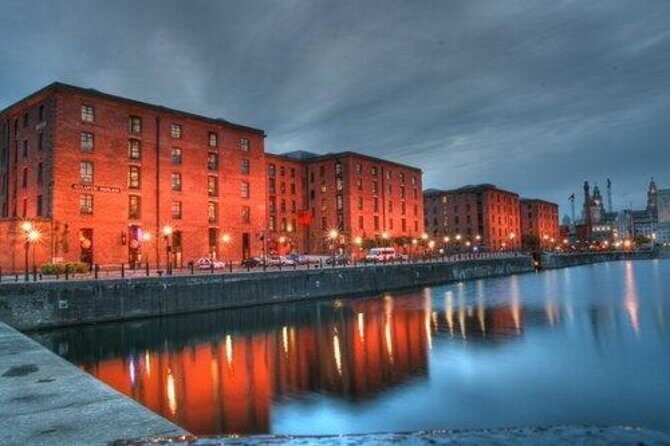
- Waterfront and dock history with modern landmark buildings in the same loop
- Beatles moments like the Beatles Statue and Mathew Street photos, timed into the city story
- Royal Albert Dock and Bill Fury stop for fans who want more than just postcard sights
- Outdoor-only route with free-access stops and a realistic walking pace
- Finish near the ship at Our Lady & St Nicholas Church so you’re not scrambling at the end
Meeting at the Liverpool Cruise Terminal: Get Your Bearings Fast
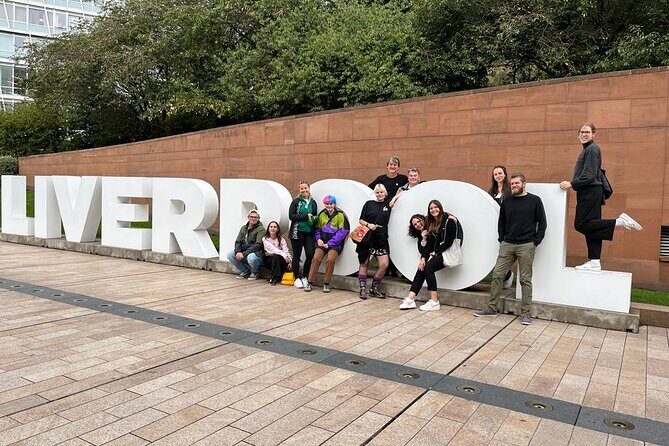
This tour is designed for the reality of cruise days: you meet at the Liverpool Cruise Terminal, go over quick basics, then hit the streets. The meeting point is very specific: Gate 2, Princes Parade (Liverpool L3 1DL). That matters. In port cities, “close” can still mean a painful walk. Here, it’s built for efficiency.
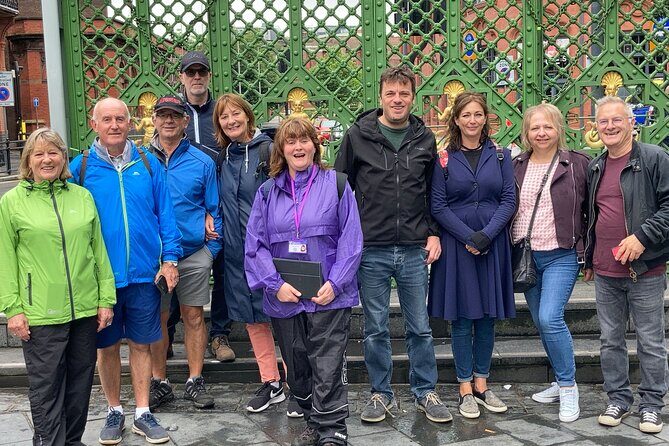
You’ll also like the small group size. The max is 20 travelers, which keeps the walking pace manageable and makes it easier to ask questions without feeling like you’re shouting into the wind.
Guides run the tour with a steady mix of storytelling and practical pacing. People mention how guides like Michael and Carl are friendly, professional, and quick to answer questions. Another guide, Pam, has even helped find pauses with shade and seating at stops when conditions call for it. That’s the kind of small care that makes a long walk feel shorter.
You can also read our reviews of more walking tours in Liverpool


Two Hours Plus of “Liverpool Everywhere”: What the Route Feels Like
Expect about 2 hours 15 minutes of walking. In one case, it was described as roughly 4 miles round-trip—not a sprint, but long enough that you’ll want to treat it like exercise. The good part is that the stops are spaced so you get a story, then a look, then a photo opportunity.
The physical level is described as easy to moderate street-level walking. You’re on sidewalks, but you’ll also pass areas with uneven cobbles, so plan for your feet. Bring comfortable no-slip shoes. If you forget, Liverpool will remind you—cobblestones aren’t just pretty, they’re opinionated.
Weather is a factor too. The tour requires good weather. If the forecast looks rough, it’s worth packing for a damp day (and keeping your phone secure). The operator also notes that if it’s canceled due to poor weather, you’ll be offered another date or a full refund.
From the Titanic Memorial to the Marine Stories: Why Liverpool Had to Matter
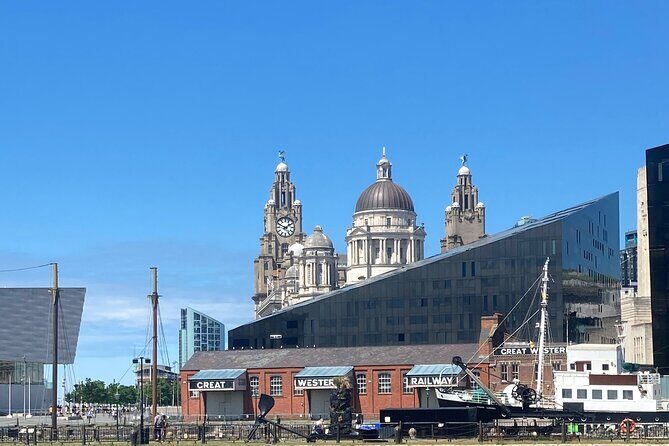
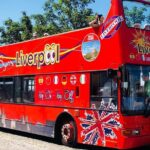
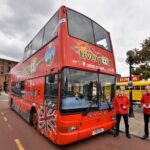
The tour kicks off with the Cruise Liverpool area and then moves to the Memorial to the Marine Engine Room Heroes at the Titanic Memorial. Even if you think you already know the Titanic basics, this stop puts Liverpool’s role into perspective—why this city is tied to ships, crews, and the maritime world that shaped its economy.
It’s a smart opener. It sets the tone: Liverpool isn’t just about music. It’s also about work—dock work, shipbuilding, sailors, and the people who helped keep the world connected. You’ll likely leave this stop looking at the waterfront with different eyes.
The Three Graces: Cunard, Port of Liverpool, and the Liver Building
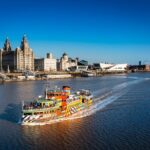
Then you hit one of Liverpool’s most photo-friendly architecture zones: the area collectively called the Three Graces. You’ll learn about the heritage and design of the Cunard Building, the Port of Liverpool Building, and the Liver Building.
This is a great part of the tour if you like buildings with character. These aren’t random landmarks; they were built to project power—commerce, shipping, and confidence. The tour’s value here is the explanation: you’re not just seeing the skyline. You’re hearing how these buildings relate to the city’s fortunes and identity.
If you’re the type who reads plaques while other people rush to the next photo, you’ll have fun here. If you’re more about views, you’ll still enjoy it, because the lineup is made for skyline shots.
Waterfront and Film Spots: A City That Borrowed Its Own Face
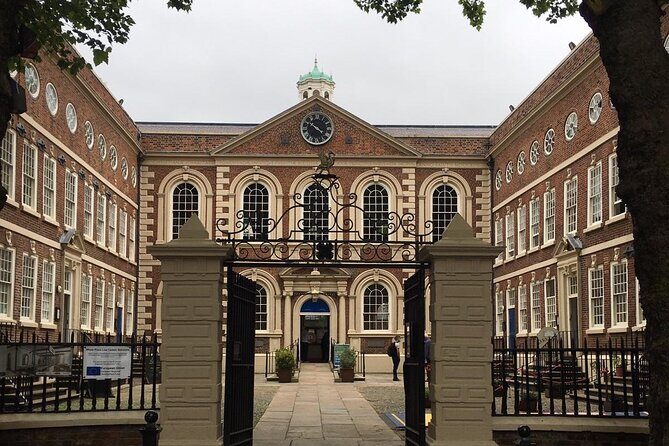
Walking the Liverpool Waterfront and nearby streets, the tour leans into something locals know: Liverpool shows up on screens. You may recognize places from films and TV—even when Liverpool is standing in for somewhere else.
This is where you get a “walk and spot it” mindset. Your guide will point out connections so you’re not just passing buildings. You’re learning how the city’s look became a visual shortcut for storytellers.
It’s a small thing, but it changes your experience of the walk. Instead of “I saw buildings,” you’ll think, “Oh—I’ve seen this before.”
You can also read our reviews of more historical tours in Liverpool



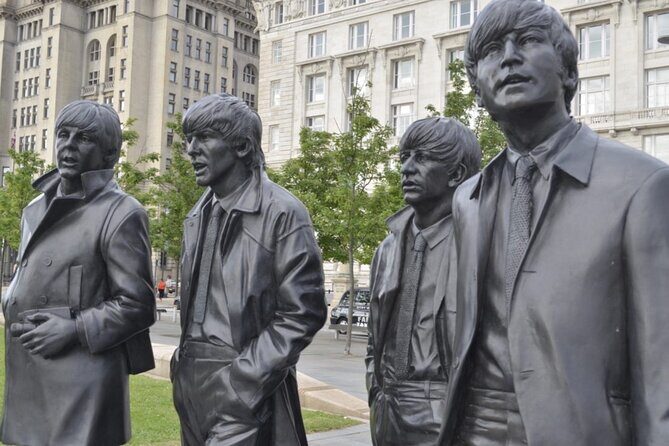
Beatles Statue Moment: Quick Photo, Big Fan Signal
For Beatles fans, there’s a stop for a selfie with the Beatles Statue. The sculptor is Andrew Edwards, and you’ll pass by it as part of the route.
A practical note: access to the statue can be restricted on occasion. When that happens, the tour swaps in alternative statues. That’s a sensible backup plan. It keeps the Beatles element present even when the original spot isn’t accessible.
Also, keep expectations realistic. This isn’t presented as a Beatles-only tour. You’ll get Beatles culture, but it’s threaded into a broader Liverpool narrative—history, architecture, and streets tied to the city’s identity.
Royal Albert Dock: Maritime History Meets Modern Liverpool
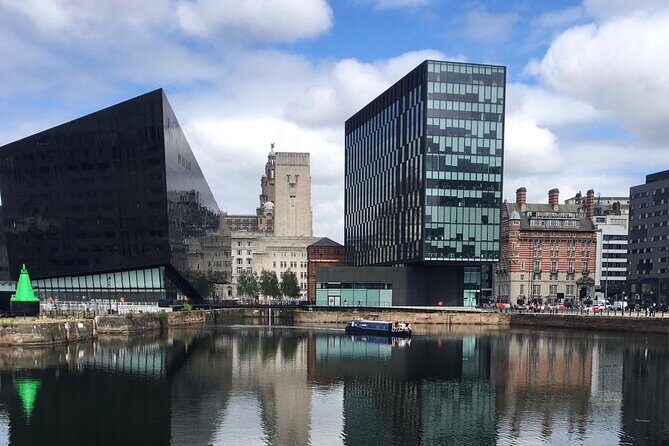
Next up is Royal Albert Dock Liverpool, one of the big names in the dock-and-waterfront story. The tour connects the Titanic narrative to the wider maritime history of the docks and how the dock system helped shape the city.
You’ll also see standout architecture—old and newer elements in the same frame. That mix is a big part of why docks areas in Liverpool feel like both heritage and ongoing life.
There’s also a Beatles-adjacent fan stop here: a bronze statue to Bill Fury, which has become a shrine spot for fans. Even if you’re not a superfan, it’s the kind of detail that makes the tour feel specific, not generic.
Thomas Steers Way and the “Look Down” Dock Moment
At Thomas Steers Way, you’re on the site of Liverpool’s first dry dock. The tour uses that fact in a visual way, pointing out a large water fountain tied to the maritime theme and offering a quick peek through a porthole.
This is one of those stops that’s short but memorable. It turns “history” into a tangible object you can stand beside and look through—like the city briefly lets you step into the working-dock past.
You’ll also spot the oversized Liverpool selfie sign, with colors that change according to the season or events. It’s touristy, sure. But on a cruise day, touristy can be a blessing when you want a quick, satisfying photo without hunting for it yourself.
Sailors Home Gateway: Golden Liver Bird Photo Stop
The Liverpool Sailors Home Gateway is a monument honoring the maritime community, and it’s also built for photos. There’s a golden Liver bird you can aim your camera at for the classic Liverpool look.
This stop helps keep the tour grounded. A lot of Liverpool history can drift into “big famous names.” Here, the focus returns to the people who lived and worked by the water.
Derby Square, Liverpool Castle’s Memory, and Queen Victoria
As you pass through Derby Square, the tour touches on the history of Liverpool Castle, which once stood here, and now you’ll see an imposing monument to Queen Victoria.
This is a useful stop because it widens the timeline beyond ships. Liverpool wasn’t only a dock city; it also had defenses, power centers, and civic identity. Even passing through, you get a sense of layers—medieval to imperial to modern.
Mathew Street: Cavern Club Footsteps and Music Street Energy
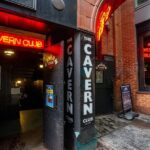
Then you reach Mathew Street, one of the most famous music streets in the world. The tour frames it around the Cavern Club and the broader musical influence that made this area legendary.
You’ll have a chance to take a photo in front of the Cavern Club, plus you’ll hear links across the street’s musical past. This is the “music fans, rejoice” section. But it’s also where non-fans benefit. Street-level storytelling makes the neighborhood feel lived-in, not museum-like.
One more practical tip: Mathew Street can be busy. Plan your photo quickly and keep your spot in the group. Cobblestones + crowd + phone at arm’s length is a recipe for dropped phones. (Not fun.)
Castle Street and the Medieval Thread
Walking along Castle Street, you’ll get a view of buildings framed in a way that hints at the medieval times. It’s not a long stop, but it ties the “past” theme together so the city doesn’t feel like it’s jumping from docks to Beatles without transition.
This is also a good “reset” section. After Mathew Street, you might want calmer pacing. Castle Street feels like a breather before the civic-center landmarks.
Liverpool Town Hall and Exchange Flags: Civic Liverpool in 18th-Century Clothing
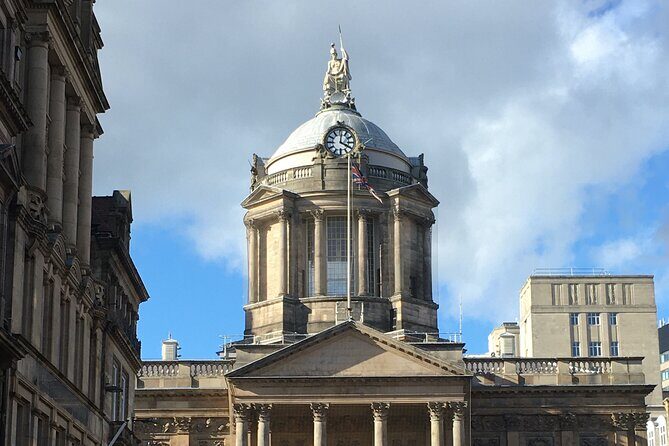
Next are the civic heavy hitters: Liverpool Town Hall and Exchange Flags.
You’ll pass the current Grade I listed Town Hall, and learn its story reaches back through predecessors dating to the 1500s. That’s a long line of civic decisions shaping the city, not just commerce and music.
Then Exchange Flags comes into view, with a Grade II listed courtyard facing the Town Hall. The tour includes the Second World War story tied to the site, plus the Nelson Monument that dates to the early 1800s.
If you care about governance, trade, and how cities brand themselves with monuments, this part gives you that angle. It’s not flashy like waterfront photos, but it’s powerful in a quiet way.
Our Lady and St Nicholas Church and Garden: A Thoughtful Ending Near the Ship
The tour ends at Our Lady and Saint Nicholas Church and Garden, a site where worship has existed for over 750 years. You’ll see historically interesting tombstones and sculptures, and you’ll learn about Liverpool’s links to the Slave Trade and North American history.
This stop is the moment the tour slows down emotionally. It’s also a reminder that Liverpool’s story includes painful chapters, not just music and ships. If you like tours that treat history seriously, you’ll probably appreciate this ending.
The tour finishes a short walk from the cruise terminal—about 2 minutes—and your guide can escort you back, or you can choose to keep exploring and do some shopping around the waterfront area.
Price and Value: Why $37.10 Can Make Sense on a Cruise Day
At $37.10 per person for about 2 hours 15 minutes, this is priced like a typical shore excursion, but it punches above its weight in scope. Why?
- You get a real local guide for the whole loop, not just a quick “meet and greet.”
- The stops are set up so you spend time looking instead of buying extra tickets.
- You cover multiple Liverpool themes—maritime history, major architecture, and music streets—in one connected route.
Also, admission noted for the stops is free in this tour’s structure. That means your money mainly buys interpretation and timing—helping you see the right places in the right order while staying on a cruise schedule.
If your ship day is short, this is the kind of value that helps you avoid the “I only saw one neighborhood” problem.
Practical Tips So You Enjoy It (Not Just Survive It)
A few small things can improve the experience a lot:
- Bring a bottle of water/drink. No food or drink is included.
- Wear no-slip shoes because you’ll pass over cobbles and uneven spots.
- Keep your phone charged for the selfie stops (Beatles Statue, Cavern Club area, Liver bird moments).
- If the Beatles Statue is restricted, don’t worry—your guide should provide alternative statues.
- Service animals are allowed, and well-behaved dogs are welcome in the group setting, but busy streets mean you’ll all need patience.
Who This Walking Tour Is Best For
This tour suits you if you want:
- A balanced Liverpool experience: docks, architecture, civic landmarks, and music culture.
- A shore day plan that starts at the terminal and ends near it.
- A guided walk with room for questions and photo stops.
It may not be your top choice if:
- You want only a Beatles-only itinerary. This one gives Beatles culture, but it’s still Liverpool-first.
- You struggle with walking on cobblestones. It’s manageable for many people, but the footing matters.
If you’ve already got a Beatles-focused plan, this tour can be the perfect complement because it shows where Beatles fame fits inside Liverpool’s bigger identity.
Should You Book This Liverpool Heritage, History, Culture Walking Tour?
I’d book it if you want the fastest way to get your bearings in Liverpool during a cruise stop: the terminal start, the dock-and-architecture loop, and the music street hits are all built for a short timeline. Guides like Michael and Carl stand out for narration and professionalism, and even when you’re not a Beatles superfan, you’ll likely enjoy how the music is treated as part of a wider city story.
Skip it if you’re expecting a Beatles-only deep dive. This is more like Liverpool in one loop, with Beatles sprinkled in at the most memorable photo points.
If you want a smart first bite of Liverpool—maritime, civic, and musical—this one delivers.