REVIEW · LIVERPOOL
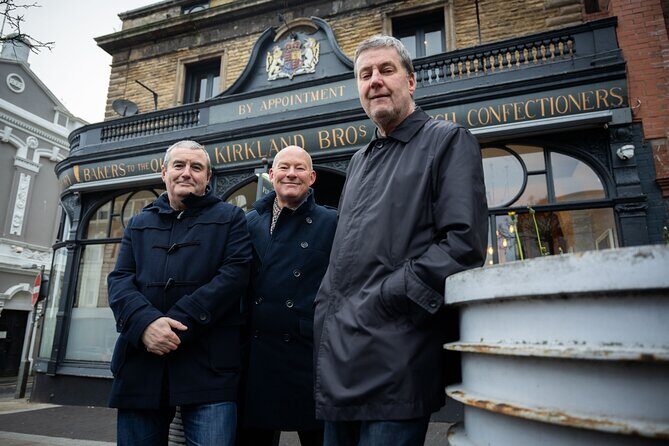
Liverpool Music Icons Tour led by a member of 90s band The Farm
Book on Viator →Operated by Brit Music Tours · Bookable on Viator
Liverpool’s music story comes with names you know. This tour is led by a member of 90s band The Farm, and you’ll spend 2.5 hours seeing where groups actually practiced, recorded, and hung out, plus hearing personal, scene-level stories you won’t get from the usual stops. I like the slow-paced walking route and the small group size (max 12), which makes questions feel natural instead of rushed. One possible drawback: it’s a lot of walking and standing, so if you want a light, sit-down sightseeing day, this might feel a bit intense.
You’ll start at LIPA, tied to Paul McCartney, then move into central Liverpool with a guide who clearly knows the era. I also like the payoff at the end: you get a complimentary drink and time for a real chat, selfies, and memorabilia. Still, this is a music-scenario tour, not a broad city-views tour, so if you’re only interested in the most famous postcard landmarks, you may want to pair it with other classic-sight stops.
In This Review
- Key Highlights Worth Your Time
- Where the Tour Starts: LIPA and Paul McCartney’s School Connection
- Central Liverpool on Foot: Studios, Superclub Energy, and Real Hangouts
- Probe Records and the “Second Wave” Story You Don’t Get Elsewhere
- Rehearsal Rooms: Ministry and Crash, Plus Bands You Can Name
- Mathew Street Wrap-Up: The Drink, the Chat, and the Signatures
- How Much It Really Costs (and Why It May Be Good Value)
- Getting the Most Out of It: Who This Tour Fits Best
- A Few Practical Tips Before You Go
- Should You Book This Liverpool Music Icons Tour?
- FAQ
- How long is the Liverpool Music Icons Tour?
- Where does the tour start and where does it end?
- What language is the tour in?
- What’s included in the price?
- Is there a limit on group size?
- Do I need a print ticket?
- Is the meeting point near public transportation?
- Can I get a refund if I cancel?
Key Highlights Worth Your Time
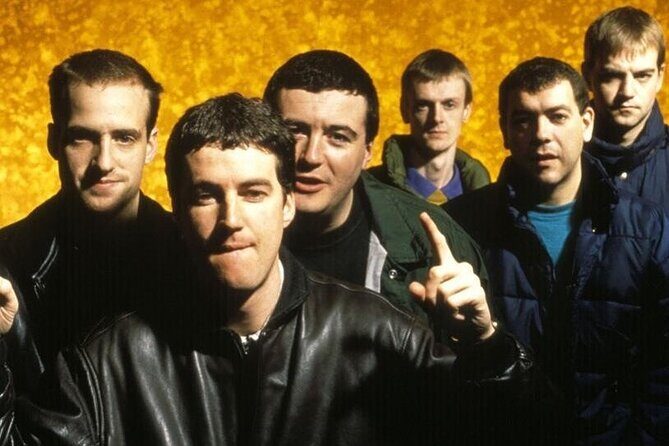
- A The Farm musician guide with hands-on stories from the Liverpool scene
- LIPA and Paul McCartney’s school connection to set the tone right away
- Places off the usual tourist route, including pubs, clubs, and studios you’d miss on your own
- Ministry Rehearsal Rooms and Crash rehearsal rooms, tied to major bands you can name
- A small-group format (max 12) so you can ask questions and get photos
- Mathew Street wrap-up with a complimentary drink and free memorabilia
Where the Tour Starts: LIPA and Paul McCartney’s School Connection
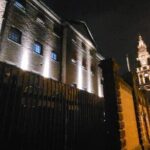
The tour begins at Liverpool L1 9HF, at LIPA, the music school founded by Paul McCartney. Even if you’re not a music-education person, this start point matters. It frames Liverpool’s sound as something built by place and people, not just luck or marketing.
LIPA also connects directly to Paul McCartney’s schooling. That’s a nice grounding moment before you go hunting for the more specific, deeper cuts: gig venues, pubs, and recording spaces tied to later decades. It’s the kind of opening that helps you understand why the city could produce so many bands in waves.
For your timing, the tour starts at 11:00 am and runs about 2 hours 30 minutes overall. It’s long enough to feel like a real experience, but it doesn’t try to pack in half the city.
You can also read our reviews of more tours and experiences in Liverpool.
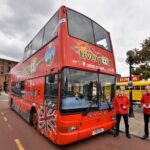
Central Liverpool on Foot: Studios, Superclub Energy, and Real Hangouts
From there, you’ll walk through central Liverpool at an easy, slow pace, aimed at sites you might not find on a first-time sightseeing checklist. The focus is on music infrastructure: rehearsal spaces, recording locations, and the pub-and-nightlife circuit that kept bands fed between shows.
One big win here is the way your guide links places to eras. You’ll hear stories tied to Liverpool’s global momentum in the 1980s, and you’ll also get context on how different scenes formed and changed over time. The tour doesn’t just point at buildings; it explains why certain venues mattered.
Two standout types of stops in this section include:
- The biggest studio complex outside London (you’ll be shown it and told what made it significant)
- The first UK superclub that changed the face of dance music in the UK (again, explained in plain terms)
Even if you don’t memorize names of venues on the spot, you’ll leave with a sharper mental map of how music careers connect to specific buildings, not just vague nightlife districts.
Also, the pacing helps. Several stops include time for your questions. And because you’re moving as a small group, you’re not stuck watching one person steer the whole line like a slow-moving parade.
Probe Records and the “Second Wave” Story You Don’t Get Elsewhere
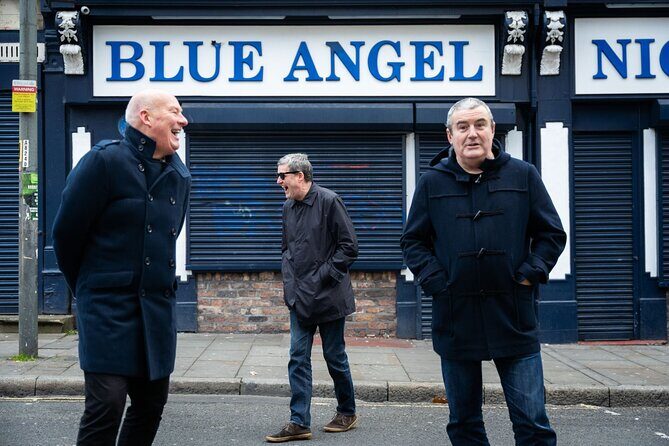
As the tour continues, you’ll reach the area tied to Probe Records, described as the home base for the second wave of Liverpool groups in the 1970s, 1980s, and 1990s.
This is where the tour feels especially useful for music fans who want more than famous-band trivia. Probe Records represents the kind of behind-the-scenes ecosystem that makes a city scene work: labels, promotion, and the network that connects local acts to bigger stages.
The practical value for you: after this stop, you’ll likely start spotting the logic of the whole story. It’s easier to understand why some bands grew when they did, and why certain venues and studios kept getting reused by new lineups.
Rehearsal Rooms: Ministry and Crash, Plus Bands You Can Name
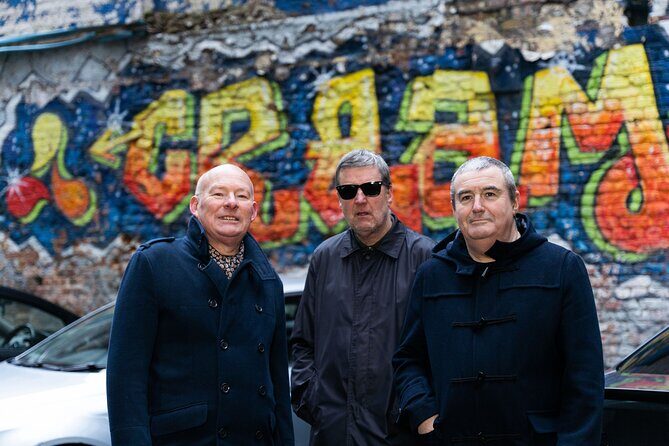
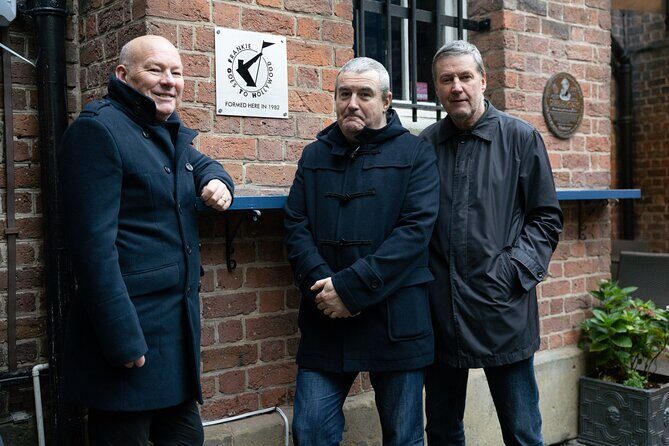
One of the most praised parts of this tour is the rehearsal-room focus, and it’s for a good reason. Ministry Rehearsal Rooms and Crash rehearsal rooms are the kind of places that turn music mythology into something concrete. You’re not just hearing about music; you’re seeing the spaces where bands shaped songs before they ever reached bigger crowds.
This section includes a list of bands that rehearsed there, which is a fun way to measure your own fandom against the city’s real-world output. The names mentioned include:
- Frankie Goes To Hollywood
- The Farm
- The La’s
- Space
- Cast
- Flock of Seagulls
- China Crisis
- The Zutons
- The Lightning Seeds
- The Wombats
- Shack
That lineup gives you an immediate sense of range: pop, alternative, dance-adjacent music, and indie-era rock all in one rehearsal-room story. And it’s not just about famous groups either. This part of the tour also helps you understand how the scene kept reinventing itself—different generations cycling through similar spaces, but with new sounds and new goals.
If you’re the type who likes to ask questions like Where did they practice? and What was the building like back then? this is the section you’ll enjoy most. The guide’s personal angle makes the history feel lived-in rather than recited.
Mathew Street Wrap-Up: The Drink, the Chat, and the Signatures
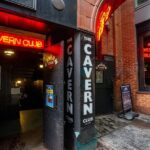
The tour ends in central Liverpool at Mathew Street, with the final stop built for conversation. You’ll arrive for a personal chat with your musical icon guide at an iconic pub, with a complimentary drink.
This is more than a nice ending. It’s a chance to tailor the experience to your interests. If you’re curious about a band’s timeline, a venue’s role, or how Liverpool’s scene connected across decades, this is the moment to ask.
You’ll also have time for:
- pictures and selfies
- questions
- memorabilia being signed (when available)
You receive a free item of memorabilia as well. On some departures, people reported a signed lyric sheet, which is the kind of souvenir that feels connected to the story rather than just a generic giveaway.

How Much It Really Costs (and Why It May Be Good Value)
The price is $82.68 per person for about 2 hours 30 minutes. That sounds steep if you’re comparing it to basic city walking tours with no extras. But here, the value case is clearer.
What you’re paying for includes:
- a musician-led experience (not just a generic guide)
- a small group (max 12), which keeps the conversation real
- access to the kind of venues and rehearsal spaces that are hard to find on your own
- the complimentary drink and free memorabilia at the end
Also, tours like this tend to sell well. The average booking window is 51 days in advance, so if you want a spot on a popular date, it helps to book early rather than waiting for the last minute.
One more note: gratuities aren’t included, and they’re listed as optional. If you feel your guide earned it, tipping is a fair way to show appreciation.
Getting the Most Out of It: Who This Tour Fits Best
This is a great fit if you:
- like Liverpool music beyond just the most famous names
- want to see real performance and rehearsal ecosystem locations
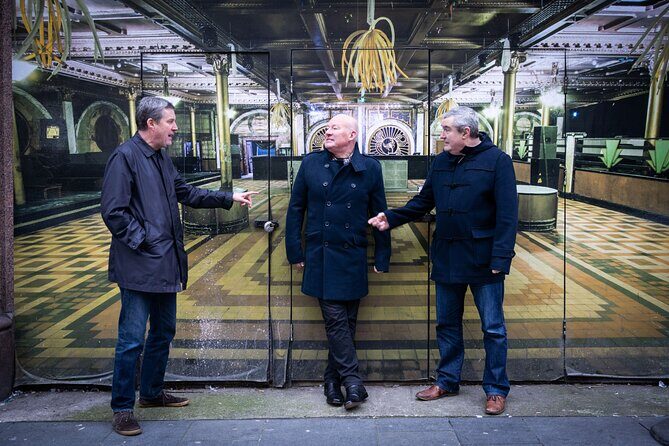
- enjoy stories from people who lived through the scene
- like a guided walk where you can ask questions
It’s also a solid choice for couples or a group of friends who share a music interest. The max of 12 keeps it intimate, and the structure means you’ll cover enough ground without feeling trapped on a fast bus schedule.
If you’re not a music fan at all, or if you only want broad sightseeing, the tour may feel more niche. It’s not trying to replace a classic attractions day. Think of it as a focused “how the music machine worked” tour of Liverpool.
A Few Practical Tips Before You Go
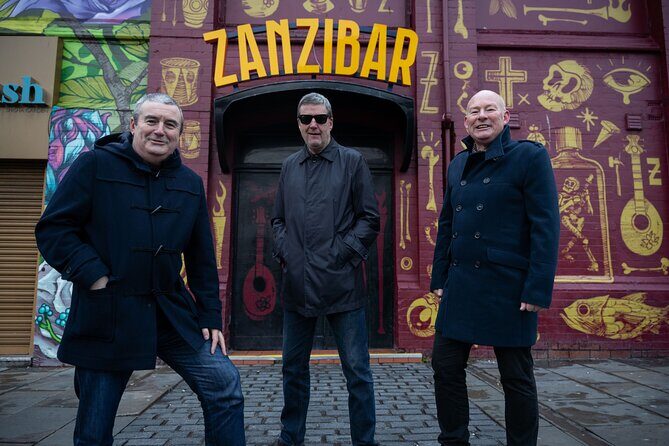
The tour is near public transportation, which helps a lot in Liverpool. Still, plan for walking on uneven city sidewalks. Wear comfortable shoes, especially if you’re doing other activities later the same day.
Because it’s a slow-paced walk, you don’t need to sprint between stops. But you will spend time on your feet, particularly during the central Liverpool section.
It’s also run in English, and you’ll get a mobile ticket, which is simple.
Should You Book This Liverpool Music Icons Tour?
I’d book it if you want a Liverpool day that feels like it was built by someone who actually knows the scene—specifically a guide connected to The Farm, with stops tied to studios, rehearsal rooms, and the pub-and-club life bands needed. The combo of small group size, real music venues, and the Mathew Street chat with a complimentary drink makes it more than a standard sightseeing walk.
Skip it (or pair it carefully) if your idea of travel is mostly wide-open views and must-see monuments, because this is intentionally music-centered and venue-focused. Also, if walking is tough for you, you’ll want to think twice—this route is designed as an easy stroll, but it still adds up.
If you fit the music-enthusiast category, this is the kind of tour where you’ll leave with names, places, and stories that make Liverpool feel like one big connected sound.
FAQ
How long is the Liverpool Music Icons Tour?
It’s about 2 hours 30 minutes in total.
Where does the tour start and where does it end?
It starts at Liverpool L1 9HF, UK and ends at Mathew Street, Liverpool, UK.
What language is the tour in?
The tour is offered in English.
What’s included in the price?
The tour includes the services of your iconic guide. You also get a complimentary drink and a free item of memorabilia at the end.
Is there a limit on group size?
Yes. The tour has a maximum of 12 travelers.
Do I need a print ticket?
No. It uses a mobile ticket.
Is the meeting point near public transportation?
Yes. The tour meeting area is near public transportation.
Can I get a refund if I cancel?
Yes. You can cancel up to 24 hours in advance for a full refund. If you cancel later than that, you won’t receive a refund.