REVIEW · SHEFFIELD
Map Reading and Navigation Course in Peak District
Book on Viator →Operated by Pure Outdoor Ltd · Bookable on Viator
Get un-lost in one day. This Peak District navigation course in Bamford turns first-time worry into map-and-compass confidence, with a guide’s calm coaching plus practical time using real tools. I especially like the focus on compass basics you can actually apply, and the fact that coffee and tea are part of the day.
The only real drawback to plan around is simple: there’s no lunch included, so you’ll want to eat before you arrive or bring your own snacks if you need them.
In This Review
- Key things to know before you go
- Why Bamford Is a Smart Base for Peak District Navigation
- The Adventure Hub Classroom: Maps, Grid References, and Rights of Way
- Compass Skills That Actually Work: Bearings, Types, and Direction Checks
- On-Trail Practice in the Hills and Moorland
- What You Get for the Price (and What You’ll Need to Bring)
- Weather, Group Size, and Comfort: Small Details That Matter
- Who This Course Is For—and Who Should Skip It
- Should You Book This Peak District Navigation Course?
- FAQ
- Where does the course start?
- What time does it begin?
- How long is the course?
- What is included in the price?
- Is lunch provided?
- How many people are in the group?
- What language is the course taught in?
- Does it run in bad weather?
- What are the cancellation terms?
Key things to know before you go
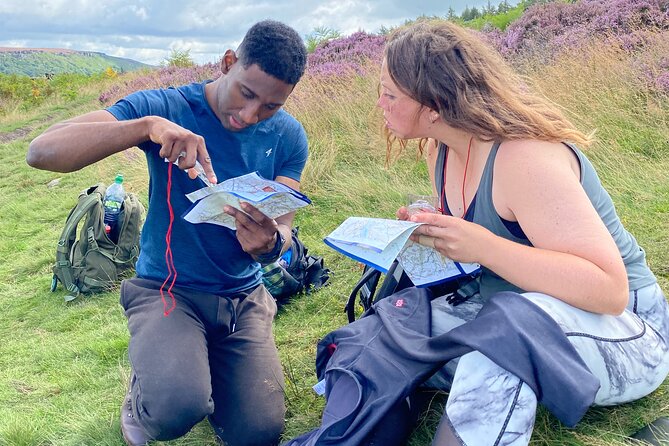
- Small group (max 8): more chances to ask questions while you practice.
- Coffee and tea included: a tiny detail that helps when you’re learning early.
- Compass + map setup: you’ll learn how to set the map and check direction on the go.
- Beginners welcome: theory covers grid references, scale, and rights of way before field practice.
- All-weather operation: dress for wind, rain, and mist, not just sun.
- Language: English + mobile ticket: straightforward for first-timers.
Why Bamford Is a Smart Base for Peak District Navigation
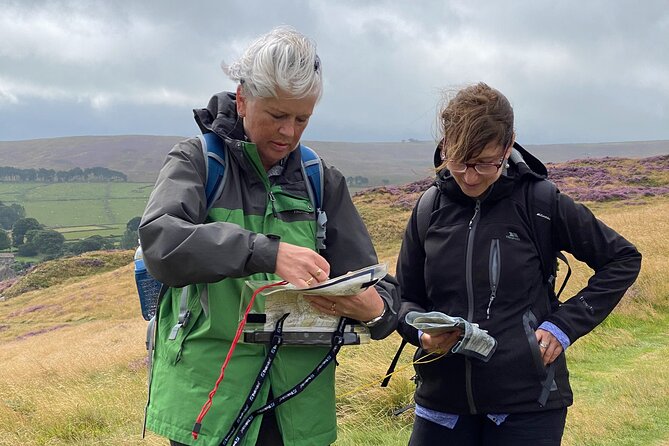
This course starts in Bamford (Hope Valley), right in the Peak District. That matters more than you’d think. A navigation lesson is only useful if the surroundings feel like the places you’ll actually walk after the course. Here, you’re set up to work with moorland and tracks and trails, not a classroom screen.
You’ll begin at 9:30am, and the day is designed as a “right way in a day” intro. In other words, it’s not trying to make you a trekker with a wall chart of backcountry skills. It’s trying to give you the core moves: read a map, use grid references, understand scale, respect rights of way, and then verify your direction with a compass.
I also like the training base angle. The course is based at The Adventure Hub in the heart of the Peak District. Having a fixed hub means you can switch from indoor basics to outdoor practice without feeling scattered. It keeps momentum, and it helps you learn faster because you’re not guessing what you’re supposed to do next.
You can also read our reviews of more tours and experiences in Sheffield.


The Adventure Hub Classroom: Maps, Grid References, and Rights of Way
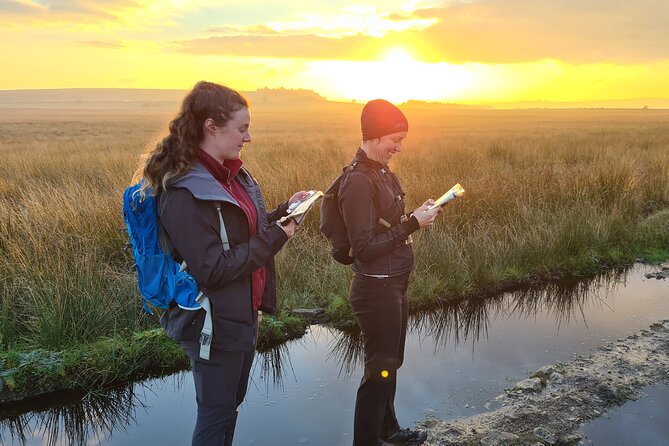
The morning is where the confidence gets built. You’ll start at the training facility (The Adventure Hub), then move through the fundamentals you need before heading out.
Here are the exact topic areas you should expect:
- Maps: what you’re looking at and how to read it like a tool, not a picture.
- Grid references: turning what you see into a precise location you can point to.
- Scale: understanding distances so your map reading matches the ground.
- Rights of way: knowing how routes work, what you can follow, and how to avoid accidental wrong turns.
This mix is useful because navigation isn’t one skill. It’s a chain. If you can read the map but don’t understand scale, you’ll guess distances. If you can follow bearings but don’t use grid references, you’ll “aim” but not land where you meant to. By covering all of these in one day, the course helps you stop depending on luck.
You’ll also get guide commentary throughout, and that’s a big deal for beginners. When you’re new, it’s easy to get lost in definitions. A good guide turns those definitions into practical cues—what to check first, what to ignore, and what to do when your brain blanks.
The course also provides coffee and/or tea. It sounds basic, but it helps you focus. Learning navigation with a calm start is easier than learning it while you’re hungry.
Compass Skills That Actually Work: Bearings, Types, and Direction Checks
A compass isn’t just one gadget. There are different types, and a lot of first-timers struggle because they’re not sure what their compass is asking them to do.
That’s why this course includes time on:
- Different types of compasses
- How to use them correctly
- How to set the map and check your direction
The goal is simple: you should learn a repeatable process. Not a one-off trick. In the real Peak District, conditions change. Clouds roll in. Wind scrambles your sense of direction. Paths may fork. When that happens, you need a method that works even when your mood doesn’t.
Here’s the mindset shift that makes the compass section click:
1) Take your reference from the map.
2) Use the compass to verify direction.
3) Check again as you walk.
That loop is what keeps you from drifting. And when you’re a beginner, drifting feels like you’re failing. In reality, drifting is normal. The difference is whether you notice it early.
I’ve seen first-day navigation lessons work best when the instructor keeps it clear and encourages questions. The teaching style credited in course feedback includes guides who explain step-by-step and keep the atmosphere comfortable, with names like Gavin and Rick coming up in descriptions of how supportive and enjoyable the instruction feels. (You’ll still be led by a professional guide either way, since that’s part of what’s included.)
On-Trail Practice in the Hills and Moorland
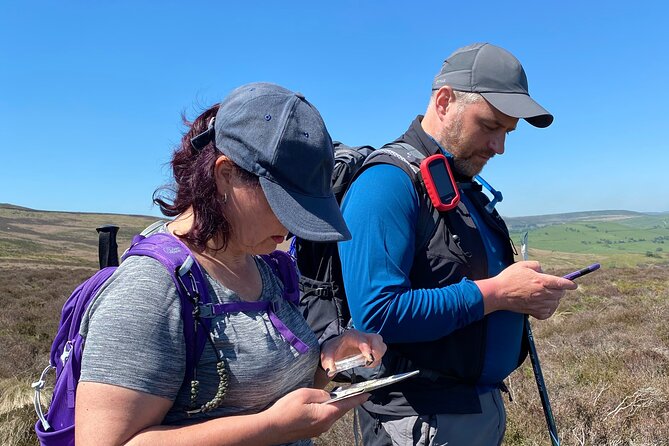
After the basics, the course gets practical. You’ll spend the majority of your day out exploring the tracks and trails around the Peak District. The point of the outdoor practice is to make the classroom content real.
In practical terms, you’ll work through things like:
- Using map reading to identify where you are
- Finding where you want to go using grid references
- Aligning your route thinking with scale (so distance makes sense)
- Using rights of way so your route is legitimate and logical
- Applying compass checks to confirm direction
Because this is a one-day course, the practice needs to be efficient. A key advantage here is the group size: up to 8 travelers. That small number helps you get feedback while you try. With larger groups, you can spend the day watching instead of doing. With a tight group, you can correct mistakes before they become habits.
Also, the course runs in all weather conditions. That isn’t a marketing line; it’s a training reality. You’re learning navigation, and navigation is exactly what you need when visibility drops. So dress for the Peak District, not for a postcard day.
At the end of the session, it finishes back at the meeting point. The structure matters. You’re not stuck “solo” trying to remember everything on the drive home. You close the loop while the skills are still fresh.
What You Get for the Price (and What You’ll Need to Bring)
The price is $136.73 per person for about a day. For a beginner navigation course, value comes from what you’re buying: time with a professional guide and structured practice. You’re not just learning facts. You’re building a repeatable system.
Here’s what’s included:
- Coffee and/or tea
- Professional guide
And what’s not included:
- Lunch
So think about calories and comfort. If you go in without eating, you’ll spend the morning mentally juggling hunger instead of map symbols. If you need it, pack a snack for the day. The course length is “about 1 day,” and with outdoor learning, timing can stretch depending on conditions.
You’ll also get a mobile ticket, and the course is offered in English. That keeps things simple.
One more cost-value factor: you’re learning skills you can keep using on future walks across the UK. If you plan to do self-guided hiking, this kind of training can save you from paying for repeated ad-hoc help later. Even if you end up using a phone app sometimes, a compass-and-map method is your backup when batteries die or reception goes missing.
If you’re watching risk, check your plan for weather. The course operates in all conditions, so bring layers, waterproofs, and decent footwear.


Weather, Group Size, and Comfort: Small Details That Matter
Peak District weather is famous for changing its mind. This course makes that part of the learning. Since it runs in all weather conditions, you should treat the day like field training, not a casual stroll.
Practical comfort tips:
- Wear layers you can adjust quickly
- Bring a waterproof layer that actually blocks rain
- Use footwear suited to uneven ground and possibly muddy trails
Now, about logistics. The start is Bamford, and it says it’s near public transportation. That’s helpful if you don’t want to deal with car stress. The course ends back at the meeting point, so you’re not guessing your way out after.
Two other small points can affect how smooth your day feels:
- Confirmation is received at booking unless you book within 7 days, in which case you get confirmation within 48 hours subject to availability.
- Service animals are allowed, and the course notes that most travelers can participate.
There’s also evidence that the instruction style can adapt to different needs. In course feedback, the teaching is described as disability-aware, including support for a group member who relied on lip reading. That’s a good sign if you want a calm, considerate learning environment.
Finally, if plans change, there’s free cancellation up to 24 hours in advance for a full refund. That reduces booking stress when weather or schedules are tricky.
Who This Course Is For—and Who Should Skip It
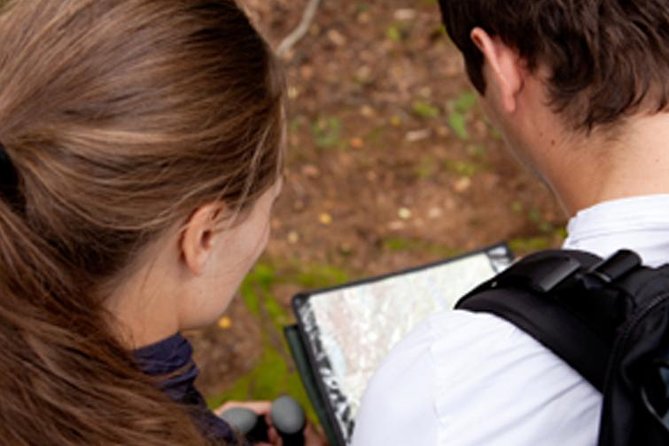
This course fits best if you’re:
- A beginner who wants to start self-guided walks with real confidence
- Someone who has never used a compass (or hasn’t used one in a long time)
- A walker who wants a structured intro to map reading, grid references, scale, and rights of way
- A practical learner who prefers doing over watching
You might not love it if you:
- Already navigate comfortably and want advanced route planning or complex navigation scenarios (this is an intro-focused one day course)
- Want a long lunch break and a fully catered day. Lunch isn’t included here, so you’ll need to plan for food yourself
One thing I’d emphasize for beginners: your goal at the end of the day isn’t perfection. It’s familiarity. You want to know what to do when things feel confusing—how to re-check your map, how to verify direction, and how to keep your route aligned.
If that’s your goal, you’ll get a lot out of the one-day format.
Should You Book This Peak District Navigation Course?
If you’re planning to explore the Peak District (or other UK walking areas) on your own, I think booking makes sense—especially if you’re nervous about map reading or compass use. This course is built around the exact skills you need to start, with guide support and hands-on practice, plus coffee and tea to keep you going.
Book it if you want structure. Don’t book it if you’re looking for a long, leisurely hike with sightseeing only. This is training. It’s focused. And that focus is what gives you value.
If you’re the type who learns best by doing, and you want to stop relying on luck or apps, this one-day navigation course is a smart start.
FAQ
Where does the course start?
The course starts in Bamford, Hope Valley S33, UK.
What time does it begin?
The start time is 9:30am.
How long is the course?
It lasts 1 day, approximately.
What is included in the price?
Coffee and/or tea and a professional guide are included.
Is lunch provided?
No, lunch is not included.
How many people are in the group?
The course has a maximum of 8 travelers.
What language is the course taught in?
The course is offered in English.
Does it run in bad weather?
Yes, it operates in all weather conditions, so you should dress appropriately.
What are the cancellation terms?
You can cancel for a full refund if you cancel at least 24 hours before the experience’s start time. Free cancellation is available, and changes less than 24 hours before the start time aren’t accepted.