REVIEW · LONDON
Private tour with an accredited expert guide Hampton Court Palace
Book on Viator →Operated by Sarah Slater Blue Badge Tourist Guide @ The History Guides · Bookable on Viator
Henry VIII comes alive at Hampton Court. This private walking tour with White Badge guide Sarah Slater makes you see the palace as a working court, not a pile of rooms.
I like that Sarah is not just a guide, she’s a long-time lecturer at Hampton Court Palace, so you get explanations that connect people, politics, and places. I also like the small-group pace, with time to ask questions without feeling rushed.
You’ll get a satisfying sweep: Tudor Gatehouse, Tudor kitchens, state apartments with standout artworks, then the Great Hall and the Haunted Gallery. After that the tour turns to the Baroque side built in 1689 for Mary II and William III, and you end with the gardens and major set pieces like the Maze.
The one real downside to plan for: admission costs are not included, and the palace may also close certain spaces like the Chapel Royal on short notice.
In This Review
- Key highlights worth planning around
- Why this private Hampton Court tour works
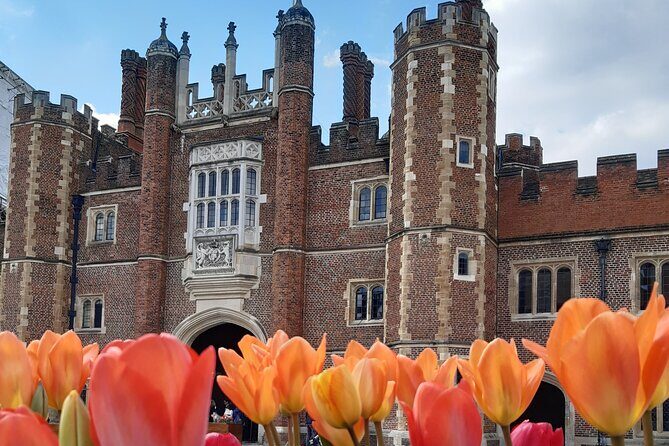
- The Tudor Gatehouse: how the tour sets the mood fast
- Tudor Kitchens and the working court feeling
- Tudor State Apartments: where art and power meet
- The Great Hall and the Haunted Gallery story moment
- Moving into the Baroque wing built for competition
- Hampton Court gardens: Maze, Vine, Tennis, and the King’s Privy Garden
- How long you truly need (and how this tour paces it)
- Price and value: what you’re really paying for
- Practical planning tips that save time at Hampton Court
- Should you book this Hampton Court private tour?
- FAQ
- Is this a private tour?
- How many people can join the tour?
- How long is the tour?
- Is the tour offered in English, and do morning or afternoon times work?
- What’s included in the tour price?
- Do I need to buy Hampton Court Palace admission tickets separately?
- What type of ticket do I receive?
- Where do we meet, and where does the tour end?
- Can the Chapel Royal close during the tour?
- What’s the cancellation policy?
Key highlights worth planning around
- White Badge guide, Sarah Slater: accredited and acknowledged for her expertise, and she has worked as a guide lecturer at Hampton Court Palace since 2008
- A story that spans reigns: from Henry VIII’s Tudor world to the Baroque wing from 1689 under Mary II and William III
- Tudor details you’d otherwise miss: Tudor Kitchens, Tudor State Apartments, and famous works like the Abraham Tapestries
- The Haunted Gallery moment: a Catherine Howard ghost story paired with architectural context
- Gardens with real attractions: the hedge Maze, Great Vine, Royal Tennis Court, and the King’s Privy Garden
- Up to 15 people in a private setting: you can ask questions and steer the pace toward what interests your group
Why this private Hampton Court tour works
Hampton Court Palace is big, busy, and full of visual noise. A self-guided visit can turn into a blur of doors and labels, even if you enjoy history. This tour is built to do the opposite: connect the buildings to the people who ran them.
I like that you move as a group but still go at your own pace. That matters here because the palace rewards attention. When you stop to understand what you’re looking at, the place suddenly makes sense.
The other reason this is a good buy is simple: you’re not paying for generic facts. You’re paying for a guide who’s been working at Hampton Court for years, so she can point out the meaning behind the details and keep the story moving.
You can also read our reviews of more guided tours in London



The Tudor Gatehouse: how the tour sets the mood fast
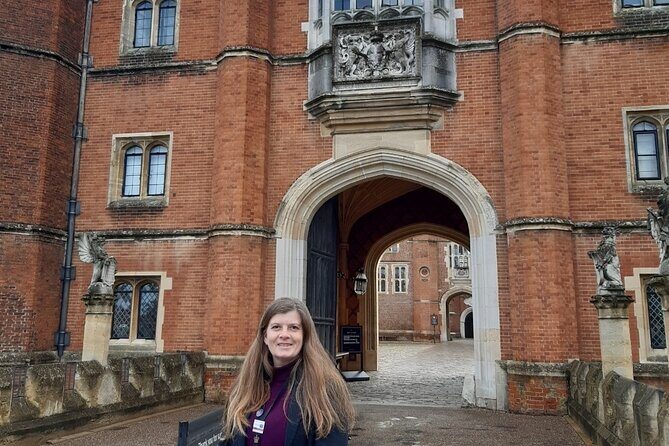
Most visitors arrive at Hampton Court and start walking. You’ll start with a moment of setup that changes everything: passing through the Tudor Gatehouse feels like stepping into the 1500s.
From there, the tour frames the palace as a place that ran like a real machine. You don’t just hear that servants worked there—you’re guided to notice courtyards and Tudor Kitchens in a way that brings the atmosphere forward, including the sense of a busy working environment.
This is where the tour earns its time. Instead of scattering your attention, it gives you a mental map for everything you’ll see next.
Tudor Kitchens and the working court feeling
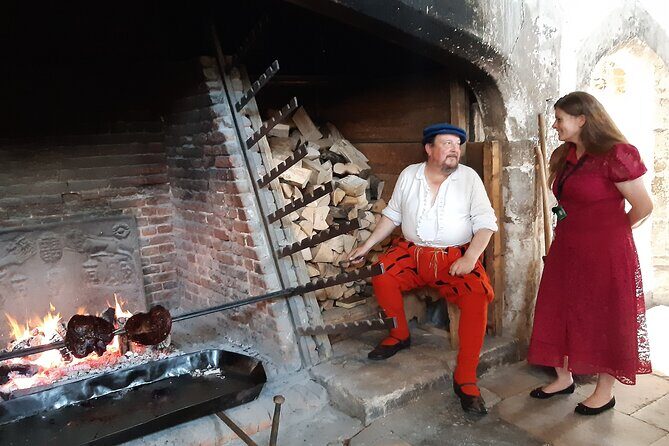
The Tudor Kitchens are more than a room you stand in. They’re a window into logistics: meals on a scale fit for the court, and the staff who made it happen.
I like how this part leans into the reality of the place. When you understand the court as an ongoing system—food, servants, schedules—Henry VIII stops being a name and becomes a ruler running an operation.
If your group likes practical details, this is a strong section. If your group hates slow museum stops, keep an eye on timing and ask questions while you’re there, since this tour is designed to handle that.
Tudor State Apartments: where art and power meet
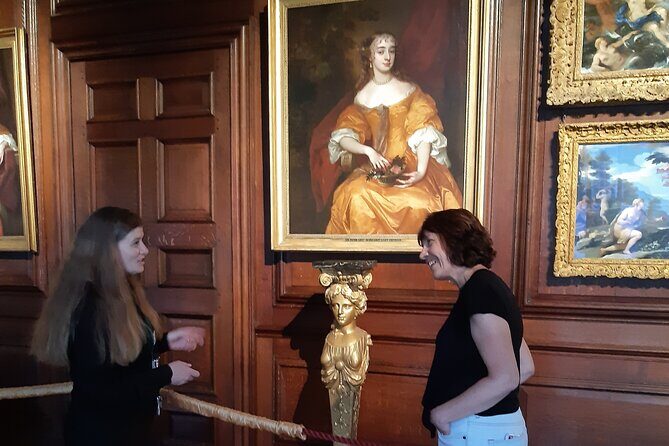
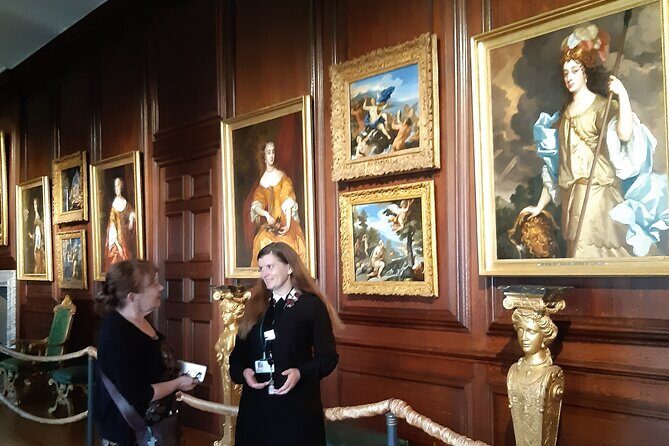
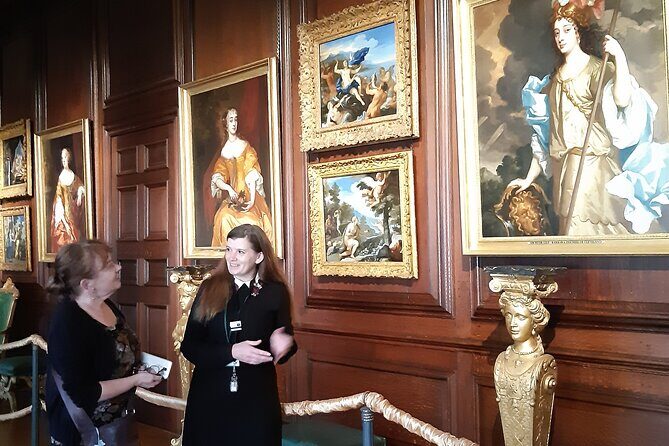
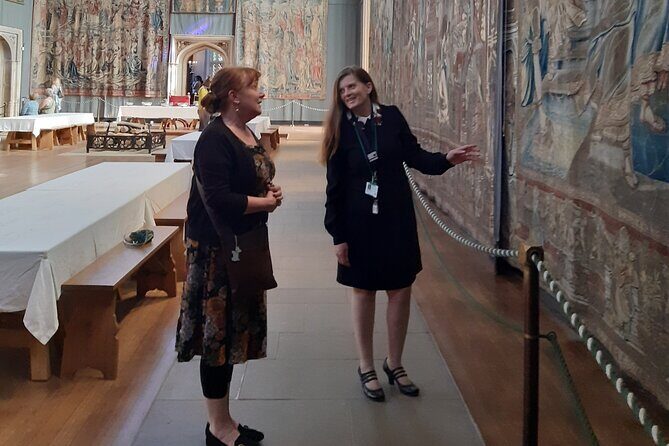
Once you move to the upper floors, the tone shifts from daily work to performance and authority. The Tudor State Apartments are where the palace signals status, and you’ll see examples described as some of the finest period artwork and tapestries, including the Abraham Tapestries.
You’ll also get pointed attention to a painting of the Family of Henry VIII. What helps here is the explanation of how these images support the story of rule, legitimacy, and dynasty. It’s not just decoration; it’s messaging.
A potential consideration: if your group only wants the action parts of Tudor history, you may need to guide the conversation. The tour format gives room for that tailoring, so you can spend more time on architecture and court life if that’s your focus.
The Great Hall and the Haunted Gallery story moment
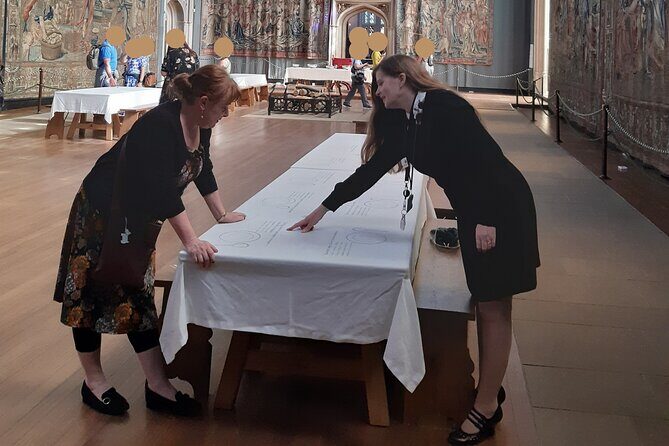
The Great Hall is one of those spaces that makes you stand taller without trying. You’ll walk through it as part of the broader court story, not as a standalone photo stop.
Then comes the Haunted Gallery, where the experience leans into narrative. You’ll hear a ghost story of Catherine Howard, Henry VIII’s fifth wife, while moving along the gallery.
This is one of the most memorable segments because it turns a difficult period into something your group can picture. Catherine Howard isn’t just a trivia fact; you see her as part of the same system of court politics and danger that ran the palace.
You can also read our reviews of more private tours in London






Moving into the Baroque wing built for competition
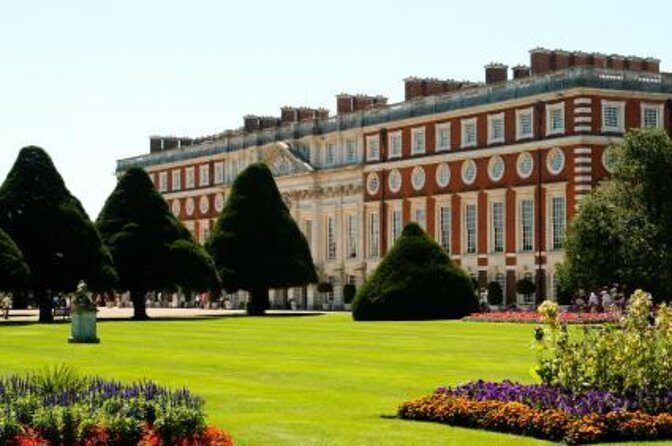
After the Tudor focus, the tour changes gear into the Baroque side of the palace. You’ll see the area built in 1689 by Queen Mary II and King William III, described as a deliberate rival to Versailles near Paris.
This matters because it shows you Hampton Court didn’t freeze in time. It kept evolving, and each new royal era left a visual argument behind. When you compare the styles, you start to understand how tastes, power, and politics shift across generations.
If you care about architecture and how rulers wanted to be seen, this is a great transition. It also gives your group a break from the Tudor-heavy storyline without losing momentum.
Hampton Court gardens: Maze, Vine, Tennis, and the King’s Privy Garden
After the palace interiors, the gardens are where the tour gets easy to enjoy even if you’re tired. You’ll hit major highlights, including the world-famous hedge Maze, the Great Vine, the Royal Tennis Court, and the King’s Privy Garden.
I love that the guide connects these features to the kind of leisure and display the royals valued. The Maze isn’t just a maze. It’s court entertainment, a designed experience. The Great Vine is similarly impressive because it turns landscape into something almost like architecture.
A simple tip: wear shoes you’re happy to walk in. Even with a guided pace, garden stops take longer than you think because everything is photogenic and worth a closer look.
How long you truly need (and how this tour paces it)
The tour runs about 2 to 2.5 hours. That’s a smart window for Hampton Court because it’s enough time to cover major sections without turning the visit into a full-day slog.
The bigger win is the pacing philosophy. You’re not forced through the palace like a checklist. You’ll have plenty of time to ask questions, which keeps the tour from feeling like a lecture and makes it feel more like a guided conversation.
If you’re planning a same-day London schedule, this length is workable. If your group is the type that could spend hours reading and re-reading captions, you’ll probably still want to extend your visit after the guide finishes.
Price and value: what you’re really paying for
The tour price is $345.84 per group for up to 15 people, and it’s offered in English. That can be great value when you spread the cost across a fuller group, especially compared to paying separate guide costs for each person.
Here’s the math you can use: if you fill all 15 spots, the guide fee works out to about $23 per person. Even if your group is smaller, you’re still buying something tangible: a guided walkthrough and tailored attention from an accredited guide who knows the palace from years of leading and lecturing there.
Important: this price is for the guide experience, not for palace entry. Hampton Court Palace entrance fee is listed at £30.90 per person, and there is also an admission fee listed at £32.00 per person. Because those fees are separate, your total trip cost depends heavily on group size.
My advice: price this out based on your number of people and your willingness to pay for time saved and stories gained. If you’re the main history lover, a private guide can feel worth it even with a smaller group.
Practical planning tips that save time at Hampton Court
You’ll have a mobile ticket, which is handy when you’re juggling phones, weather, and transit. The meeting point is 64 Hampton Ct Way, Molesey, East Molesey, KT8 9AU, UK, and the tour ends back at that same location.
The palace is near public transportation, which matters because Hampton Court can feel like a detour if you’re coming in by bus or rail. Having an easy return point keeps your day calm.
One more planning detail: the Chapel Royal is a working chapel and may close at short notice for services. If your group is hoping to see every chapel moment, plan for flexibility and treat that space as a bonus rather than a guaranteed stop.
Should you book this Hampton Court private tour?
Book it if you want Hampton Court Palace to feel understandable, not overwhelming. This is especially worth it if your group includes people who like architecture, court politics, and clear storytelling, or if you want a guide who can handle questions without brushing you off.
I’d also book it if you’re traveling with kids or teens, because the format is built to keep attention and turn the palace into something your group can visualize. When history becomes a story with scenes, it’s easier to stay engaged.
Skip or reconsider if your group is totally fine wandering at their own rhythm and reading signs alone, and if you don’t mind missing context. In that case, you might prefer a self-guided visit to control every minute.
FAQ
Is this a private tour?
Yes. This is a private tour/activity, and only your group will participate.
How many people can join the tour?
The tour can accommodate up to 15 people.
How long is the tour?
It lasts about 2 hours to 2 hours 30 minutes.
Is the tour offered in English, and do morning or afternoon times work?
Yes, the tour is offered in English. You can choose from morning or afternoon tours to suit your schedule.
What’s included in the tour price?
Your private tour includes an accredited personal guide, Sarah, who is a White Badge Guide with the Institute of Tourist Guiding. Her long-term experience as a guide lecturer at Hampton Court Palace is also part of what you’re paying for.
Do I need to buy Hampton Court Palace admission tickets separately?
Yes. Entrance fee and admission fees into Hampton Court Palace are not included. The listed fees are £30.90 per person and £32.00 per person.
What type of ticket do I receive?
You receive a mobile ticket.
Where do we meet, and where does the tour end?
You meet at 64 Hampton Ct Way, Molesey, East Molesey KT8 9AU, UK, and the tour ends back at the meeting point.
Can the Chapel Royal close during the tour?
Yes. The Chapel Royal is a working chapel and may close at short notice for services.
What’s the cancellation policy?
You can cancel for free up to 24 hours in advance for a full refund. If you cancel less than 24 hours before the start time, the amount you paid will not be refunded.