REVIEW · LONDON
London Sightseeing Private Black Cab Tour with Hotel Pick Up
Book on Viator →Operated by London Sightseeing Taxi Tours · Bookable on Viator
A black cab tour saves your London time. This private 4-hour loop uses door-to-door hotel pickup to line up the big landmarks fast, with guide storytelling and lots of photo chances. You’ll roll past sights like St. Paul’s Cathedral, Big Ben, Parliament, and Buckingham Palace, plus the “wait, is that the Prime Minister?” moment outside Downing Street.
My favorite parts are the simple logistics (pickup and drop-off in central London) and the way guides keep the day moving for the best angles. One possible drawback: stop time is short at each landmark, and attraction entry tickets are not included, so this works best if you mainly want photos, views, and orientation rather than long museum-style visits.
In This Review
- Quick hits
- A Black Cab Route That Uses Time Like Gold
- Hotel Pickup and a Private Guide: What You’re Actually Paying For
- Tower Bridge: More Than a Photo Backdrop
- St. Paul’s Cathedral: A Dome on the Skyline
- Big Ben and Westminster Abbey: Time, Power, and Ceremony in One Sweep
- A practical way to think about this pairing
- Parliament and Buckingham Palace: The Political Core, Then the Royal Stage
- Leicester Square and Piccadilly Circus: When London Turns Into Movies
- Trafalgar Square and Nelson’s Column: The 169-Foot Anchor
- Downing Street Mystery: Seeing 10 Without Trying to Enter
- Westminster Bridge’s Green Detail: The Kind of Fact You’ll Remember
- London Eye: Panoramic Views Without Adding Another Ticket Task
- Price and Timing: When This Tour Is a Great Fit
- What Makes the Guides Different (and Why That Matters)
- Should You Book This Private Black Cab Tour?
- FAQ
- How long is the private black cab tour?
- What size group is this for?
- Is hotel pickup and drop-off included?
- Are attraction tickets included (like St. Paul’s or the London Eye)?
- Is the tour offered in English?
- Will I use a mobile ticket?
- Is the tour private, or will I join other people?
- Are service animals allowed?
- Is there free cancellation?
Quick hits
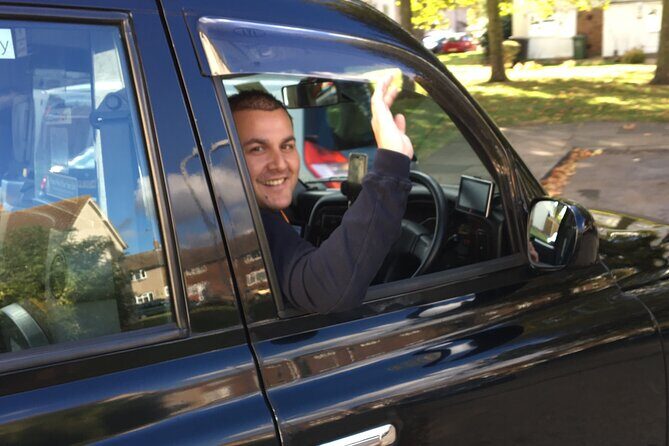
- Hotel pickup and drop-off in central London means you don’t waste time finding meeting points
- Black cab comfort plus local driving skills help you cover a lot without feeling rushed
- Photo stops at St. Paul’s, Big Ben, and Trafalgar Square are built into the route
- West End window shopping with quick stops at Leicester Square and Piccadilly Circus
- Iconic exterior details like Westminster Bridge’s green paint and London’s black-door mystery
A Black Cab Route That Uses Time Like Gold

London can feel like a test when you only have a day and too much stuff on your mental list. This kind of private black cab tour is a smart antidote because the day is organized into a tight route. You’re not coordinating trains, not timing buses, and not playing the London-to-London guessing game that starts with, Where is this stop again?
I also like the “get it done” energy. You get a guided pass through the city’s headline sights—then your brain starts clicking the map into place. That matters on a first visit. Once you’ve seen how Tower Bridge, St. Paul’s, Westminster, and the West End fit together, you can explore later with way more confidence.
The black cab format helps here. The guide-driver (and private vehicle) can thread through traffic and position you for the best views. In rain, that benefit is even bigger—guides have handled bad weather well, keeping the plan intact and finding ways to keep the photo moments going.
You can also read our reviews of more private tours in London
Hotel Pickup and a Private Guide: What You’re Actually Paying For
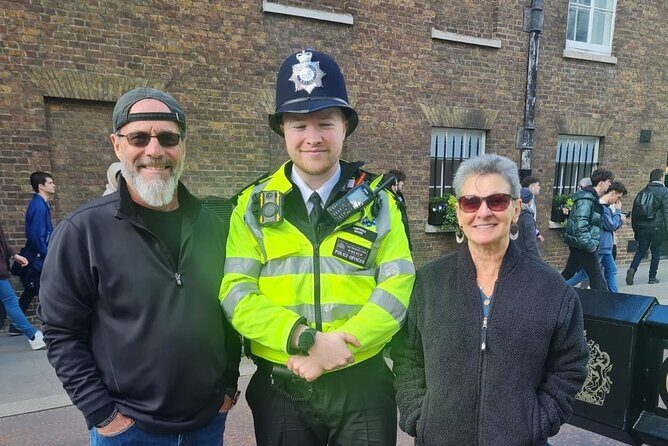
At about $441.04 per group (up to 6), the price can sound high until you think in terms of what you’d spend on taxis plus your time. If you fill all six spots, the math is about $74 per person. Even at fewer people, you’re buying a streamlined experience: your guide meets you where you’re staying, and you don’t have to build a route from scratch.
More important than the vehicle is the private guide. With a group, you lose time negotiating your interests and your pace. Here, a single guide can tailor the narration and stop timing to your day. Some guides have also added personal touches, like taking photos of you and sharing them afterward, or providing small “make it fun” extras when the mood is right (including umbrellas on rainy days, when conditions call for it).
This is the kind of tour that also works well when you want clarity fast. One afternoon can turn into a real orientation: where the political core sits, how the royal sites are arranged, and where the city’s biggest public spaces connect.
Tower Bridge: More Than a Photo Backdrop
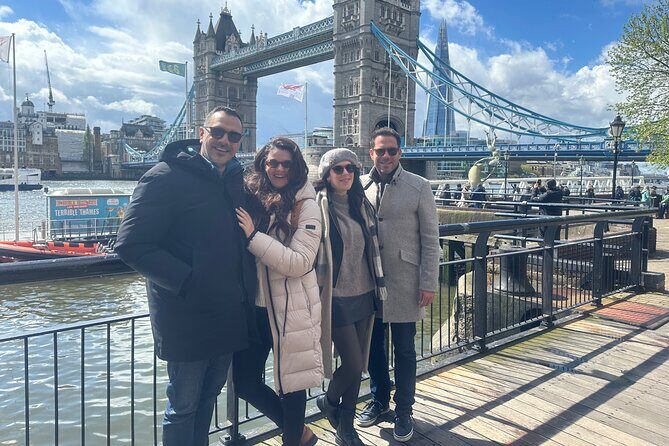
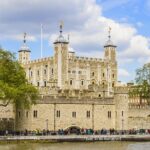
Stop 1 is Tower Bridge, and it’s worth paying attention to what it actually is. It’s not just a bridge; it’s a bascule bridge. That means it can be raised for ships to pass. Tower Bridge opened in 1894, and it has been opened over 1,000 times to handle Thames traffic.
You’ll get around 10 minutes here. That’s enough time for the classic shots and a quick understanding of why this bridge matters to how London works—commercial traffic first, skyline second. If you’re hoping for a long look or indoor details, plan for that separately, because this stop is about seeing and framing, not lingering.
Tip for your photos: early or late in the day often feels better for light. Also, if the sidewalk is busy, ask your guide where to stand for a less chaotic shot—this is exactly where a local driver earns their keep.
St. Paul’s Cathedral: A Dome on the Skyline
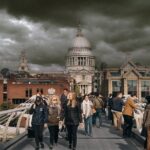
Next up is St. Paul’s Cathedral, a “look up” landmark. The dome has dominated London’s skyline for more than 300 years, and seeing it from the right angle helps you understand why locals treat it like a compass point.
You’ll have about 10 minutes. Most people use this to grab exterior photos and get the big architectural idea: this isn’t just a church building; it’s a London landmark that people build memories around. If you want to go inside, you’ll need to handle tickets separately, since admission is not included.
This is also a good stop for your overall wayfinding. St. Paul’s sits in a part of the city where many sightlines connect to other major points. A quick guide explanation here can make later stops feel less random and more like a coherent route you can map in your head.
Big Ben and Westminster Abbey: Time, Power, and Ceremony in One Sweep
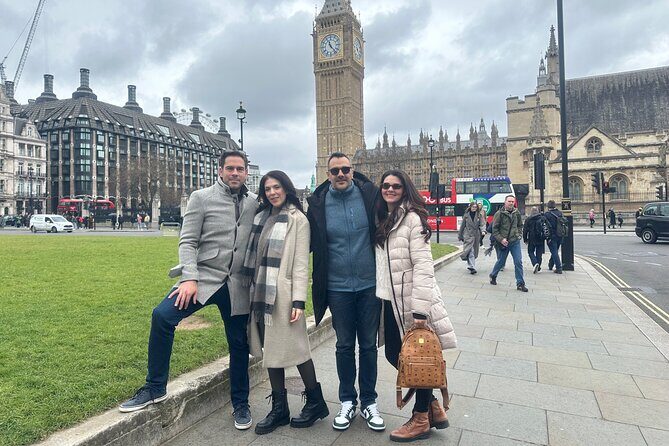
Big Ben is next. You’ll see the iconic clock tower and hear a bit about what it symbolizes—chimes marking the passage of time for over 150 years. You get a short window (about 10 minutes), usually enough for the postcard angle and a few extra “wait, look at that detail” moments.
Then you move to Westminster Abbey, described as a place of worship, celebration, and ceremony for over 1,000 years. The tour frames it as a Gothic masterpiece that has endured through centuries of London life. Ten minutes won’t turn you into an expert on the building, but it will give you the big picture and help you decide later whether you want an entry visit on a different day.




A practical way to think about this pairing
Big Ben and Westminster Abbey work together because they anchor two types of London attention:
- the public, everyday kind (time and the clock tower)
- the ceremonial, historic kind (religious and state tradition)
If you’ve only got one afternoon, you’ll feel more “oriented” after these stops than after many longer, less-focused sightseeing plans.
Parliament and Buckingham Palace: The Political Core, Then the Royal Stage
After Westminster, you’ll pass by the Houses of Parliament—the beating heart of British politics. Even if you don’t go inside, the location matters. This area is where London’s identity as a governance center becomes visible in architecture and scale.
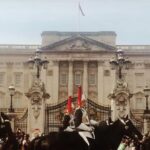
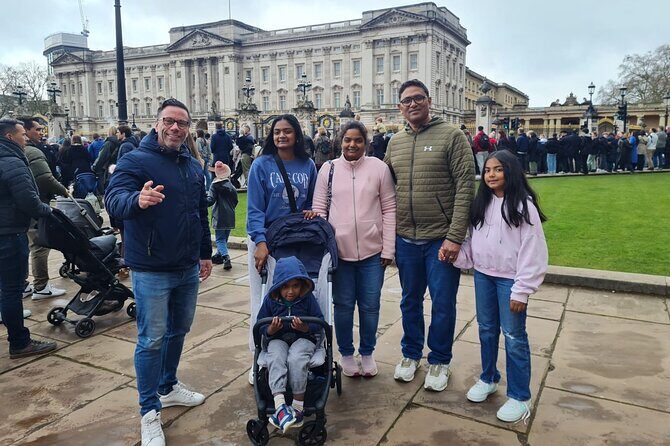
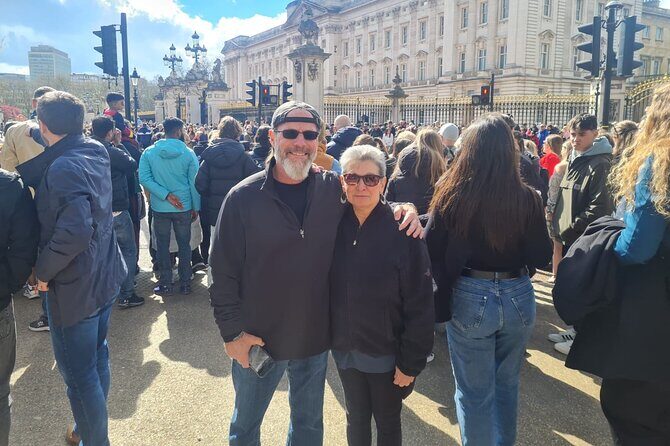
You also stop near Buckingham Palace, the official residence of the British monarch. The tour context emphasizes centuries of tradition and ceremonial color, including the Grenadier presence. Again, about 10 minutes is the standard window, mostly for photos and the “yes, that’s exactly what it looks like in real life” effect.
If crowds are thick (they often are), the guide can help position you so you’re not standing in the least photogenic spot for the whole stop. That’s a small thing, but it changes how the day feels.
Leicester Square and Piccadilly Circus: When London Turns Into Movies
Next is Leicester Square—a spot tied to film premieres and red carpet events. It’s also a place where celebrity sightings are the whole point. Even when nobody famous shows up, the energy of the area tells you why people come here.
Then you roll to Piccadilly Circus. The name comes from Piccadill, a fashionable collar from the 19th century, and today the intersection is known for its ionic advertising displays and its role as a central bus hub in London’s West End. It’s a good “break” from the more formal sites, because you shift from stone history to city pop culture.
A short note of advice: this is the part of the day where your camera roll can fill up fast. Plan one or two photos you really care about, and don’t try to capture everything. Your guide’s timing helps you avoid feeling like you’re sprinting.
Trafalgar Square and Nelson’s Column: The 169-Foot Anchor
Then comes Trafalgar Square and Nelson’s Column. The column commemorates Admiral Horatio Nelson’s victory at the Battle of Trafalgar in 1805. It’s also extremely tall—169 feet—and guarded by four lion statues at its base.
This stop is often free of the “admission-ticket headache” since you’re viewing it outdoors. That’s a big deal if you want the day to feel smooth. Ten minutes here is enough time to get the iconic framing, plus a couple of wider shots that show the square’s layout.
If you’re the kind of person who likes to understand what you’re seeing, this stop is a great anchor. It gives you a clear sense of how London uses monuments as storyboards—names and events you can recognize later as you wander.
Downing Street Mystery: Seeing 10 Without Trying to Enter
One of the most fun exterior moments is 10 Downing Street. It’s described as the official residence of the Prime Minister of the UK and said to be one of the most heavily guarded residences in the world. The tour also points out the famous black door and explains that behind the modest exterior is a complex of offices and meeting rooms. Access is restricted, which adds to the mystique.
The big truth here: you’re not going inside on this format. You’re getting the photo and the context. Ten minutes is about right if your goal is to see the landmark and connect it to the wider story of Westminster and Parliament.
If your dream is to stand in front of the door and feel like you’re part of the UK’s political spotlight, this stop scratches that itch—without derailing your day.
Westminster Bridge’s Green Detail: The Kind of Fact You’ll Remember
Between the formal monuments, you also pass by Westminster Bridge, noted for its green paint. The detail is tied to the nearby Houses of Commons: the bridge is painted green to match the leather seats there, for aesthetic harmony. It’s a tiny thing, but it’s the type of detail that sticks after the tour ends.
This is one reason I like tours like this: they don’t just point at the biggest objects. They explain small design choices that make the whole place feel intentional.
If you like architecture, or if you just want a break from staring at the same stone facade, this kind of note makes the city feel more personal.
London Eye: Panoramic Views Without Adding Another Ticket Task
The last big stop is the London Eye. It stands 135 meters tall and offers panoramic views over the city. The tour context explains that it began as a temporary attraction for the millennium celebrations in 2000, then became permanent because people loved it.
On this tour format, you’re mostly set up for the exterior and quick views from the area rather than a full ride. Admission tickets are not included, so if you want the actual capsule experience, plan that separately.
Still, seeing the London Eye at the end of a concentrated landmark run can feel satisfying. It’s a visual punctuation mark. After all the stone and ceremonies, the Eye gives you a reminder that London also has modern “big view” engineering.
Price and Timing: When This Tour Is a Great Fit
This is a 4-hour private experience offered in English, with hotel pickup and drop-off in central London. The day is designed around short stops—about 10 minutes each—so it’s meant to be efficient, not slow.
That makes it a strong choice if:
- you’re on a tight schedule and want a big-picture first pass
- you want photos at the headline sites without building a complicated route
- you’re traveling with kids or teens and want the plan to stay interesting (guides have been praised for keeping families engaged)
- you have limited mobility and want more driving with short, manageable stops (at least in spirit—this format mixes vehicle time and brief walking)
It may not be the best fit if:
- you want long entry visits inside major sites
- you’re hoping for a relaxed pace with time to wander and browse
- you don’t want any extra spending, since attraction entry tickets are not included
About the booking rhythm: this kind of tour is commonly booked about 55 days in advance on average, so if you’re traveling in busy periods, booking earlier helps you lock in the timing you want.
What Makes the Guides Different (and Why That Matters)
A private tour only works if the guide can steer the day. The most praised guides in this format show up in three ways:
They keep the route on track. London traffic can scramble plans, but a good guide can adjust while still hitting the big sights.
They get the photo angles right. Many people highlight that the guide helps with picture-taking and chooses good stopping points. That matters because the best views are often not where the crowd is standing.
They handle real-life conditions. Rain is normal in London, and it changes the mood. Guides have been praised for being prepared—sometimes with umbrellas—and for keeping the tour fun even when the weather tries to ruin it.
Guides you may hear about include Greg, Paul, Dave, Perry, Lee, Maria, Simon, Wes, Nick, Clifford, Jeff, and David Henry. The consistent theme is not just facts—it’s the ability to make the day flow.
Should You Book This Private Black Cab Tour?
If you want a high-impact afternoon that helps you get your bearings fast, I’d say yes. This tour is at its best when you treat it as orientation plus photo time: you’ll see the headline London landmarks, learn what connects them, and return to your hotel with a map in your head.
Skip it or pair it with other plans if you’re the type who needs long interior visits. Since tickets aren’t included, you’ll likely need a second day for museums, cathedral entries, or big-ticket experiences.
My practical advice: book this for your first full day in London (or first afternoon after you’re settled). Then spend your remaining time wandering more freely, because you’ll understand where you are—and why that corner matters.
FAQ
How long is the private black cab tour?
The tour duration is about 4 hours.
What size group is this for?
It’s a private tour/activity for your group, priced per group up to 6 people.
Is hotel pickup and drop-off included?
Yes. Pickup and drop-off are included for any central London location.
Are attraction tickets included (like St. Paul’s or the London Eye)?
No. Attraction tickets are not included, and you’ll typically only have short exterior stops during the tour.
Is the tour offered in English?
Yes, it’s offered in English.
Will I use a mobile ticket?
Yes, a mobile ticket is provided.
Is the tour private, or will I join other people?
It’s private. Only your group will participate.
Are service animals allowed?
Yes, service animals are allowed.
Is there free cancellation?
Yes. You can cancel up to 24 hours in advance for a full refund. If you cancel less than 24 hours before the start time, the amount paid is not refunded.