REVIEW · WINDERMERE
8 Lakes and Magnificent Scenery – Afternoon Half Day Tour
Book on Viator →Operated by English Lakes Tours · Bookable on Viator
Kirkstone Pass to Windermere views in one afternoon. This half-day Lake District tour is a smooth, story-filled driving route that swaps hiking miles for smart photo stops and roadside panoramas. I like the way it strings together poetry places, ancient sites, and classic lake scenery so you get your bearings fast.
I also love the small-group size (up to 7) because you’re not stuck in a sea of strangers. Your guide’s commentary keeps you oriented—what you’re looking at, why it matters, and which spots are worth saving for later on your own.
One possible drawback: some stops are short but involve getting out and walking on uneven ground, and a couple of people noted the van can feel tight. If you’re picky about window views, try to grab a seat early.
In This Review
- Key Highlights Worth Your Time
- The Value Play: What You’re Actually Buying
- Getting There and What the “4 Hours” Feels Like
- Kirkstone Pass: Highest Road, Big Air, Instant Wow
- Ullswater: Serpentine Shape and the “Beauty Meets Grandeur” Mix
- Castlerigg Stone Circle: Walk In, Feel Small, Notice the Mountains
- Ashness Bridge: The Most Photo-Ready Bridge in the Place
- Surprise View: One Stop That Covers a Big Chunk of the Map
- Wordsworth Country: Grasmere, Rydal Water, and a Literary Time Machine
- Ambleside and Bridge House: A Quirky Landmark Over Stock Ghyll
- Windermere and Bowness: The Victorian Rail Boom Still Runs the Show
- Derwentwater and Keswick: Lakeside Beauty with Mining DNA
- Bassenthwaite, Thirlmere, and the Big Fell Passes
- Touring Tips That Make This Tour Easier
- Who This Tour Fits Best (and Who Might Want Something Else)
- Should You Book This Afternoon Lake District Tour?
- FAQ
- How long is the 8 Lakes and Magnificent Scenery afternoon tour?
- What’s the group size and language?
- What’s included in the ticket price?
- Is food included?
- Do I need to do any walking?
- What should I bring for the weather?
- Where do you meet for the tour?
Key Highlights Worth Your Time
- Kirkstone Pass panoramas from the highest road in the Lake District, with chances to spot Herdwick sheep and dry-stone walls
- Ullswater’s dramatic shape and Wordsworth-approved “beauty and grandeur” scenery from a quick lakeside stop
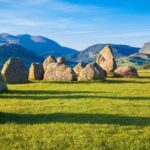
- Castlerigg Stone Circle up close in a dramatic mountain setting, with time to walk right into the circle
- Ashness Bridge viewpoint over Derwentwater with a classic tumbling-stream photo angle
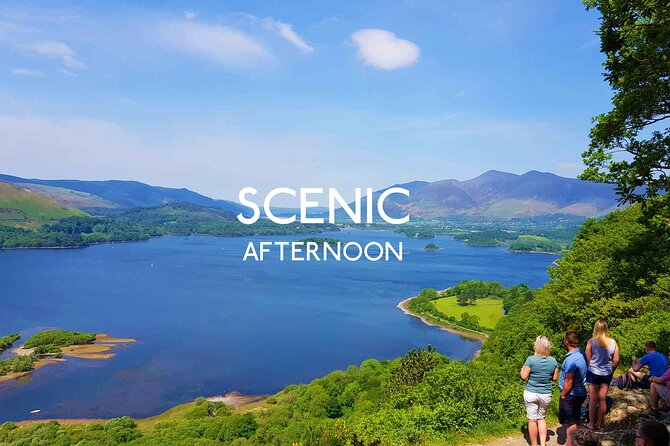
- Surprise View’s wide-range vista spanning Derwentwater, Borrowdale, Keswick, Bassenthwaite, and even Scotland on a clear day
- Wordsworth country without the planning headache, including Grasmere, Rydal Water, and a gingerbread stop
The Value Play: What You’re Actually Buying
At about $123.62 per person for a roughly 4-hour afternoon tour, you’re paying for three things that add up fast: transportation, interpretation, and included admission at the stops where it counts.
The driving part matters because the Lake District is gorgeous but not simple to navigate in short time. With this tour, you’re not zigzagging around pull-outs and worrying about parking. You’re in an air-conditioned minivan with WiFi and charging points for most devices, which is a real comfort perk on windy, changeable afternoons.
Then there’s the guide. The best part of this format isn’t just hearing facts—it’s getting the landscape context while you’re staring at it. On this route, you’re constantly pointed toward what to notice: the mountain shapes, the lake connections, the old routes, and the human stories behind the scenery. That turns four hours into a guided orientation you can build on later.
Finally, entrance fees for the itinerary are included. So when you stop at places where you might otherwise pay on your own, you don’t hit the “wait, what’s extra?” moment.
Food isn’t included, so plan a snack or drink before you go (or grab something after you’re back). The tour has regular comfort/photo breaks, but it’s still a half-day—think sightseeing pace, not a meal tour.
You can also read our reviews of more tours and experiences in Windermere.
Getting There and What the “4 Hours” Feels Like
This is designed as a smooth afternoon loop starting from one of several centrally located meeting points. Options include places around Windermere and Bowness, plus Oxenholme Station (meet outside the ticket office). You’ll get collected from the departure point tied to your booking, and it’s important not to switch meeting points last minute without telling the operator.
The timing feels like: you ride most of the time, then you hop out for brief stops. Many of the stops are in the 10–15 minute range, with just a little walking at a few locations. It’s not “stay on the bus the whole time”—photo stops happen often—but you should still be ready for brief, stop-and-go movement.
Group size caps at 7. In practice, that’s the difference between a tour where you can hear your guide and a tour where you’re mostly just watching other people take photos.
Kirkstone Pass: Highest Road, Big Air, Instant Wow
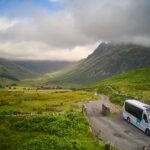
Kirkstone Pass is where the tour turns from “nice views” into “okay, wow.” As you twist and climb, you’re on the highest road in the Lake District and one of the most spectacular. The route lets you pull out near the top at the old Kirkstone Pass Inn area for panoramic views.
Expect breezy air. It’s the kind of stop where it’s worth stepping out even if you’re only there for 10 minutes. You’ll look down long valleys where Windermere Lake sparkles in the distance. On a clear day, the view can stretch as far as Morecambe Bay. Sheep and walkers are part of the scene—Herdwick sheep roaming the fell sides near dry-stone walls, with trails that look like they’ve held footsteps for centuries.
As you descend the other side, the tour builds in another photo opportunity aimed toward Brothers Water, with the road winding away in a way that makes it easy to understand how these valleys connect.
Practical tip: this is one of the best moments to take a wide shot first, then a few close-ups after. Wind can make fine details harder, but the overall panorama stays worth the effort.
Ullswater: Serpentine Shape and the “Beauty Meets Grandeur” Mix
Next comes Ullswater, the second-longest lake in the area. The stop is short, but it’s timed for the kind of view that makes you understand why poets and painters kept returning.
Ullswater’s outline is dramatic—serpentine, with soaring fells around it. The surrounding woodland includes oaks, birch, and hazel, and it’s often described as one of the best examples of pre-plantation Lakeland scenery. In other words, you’re seeing older natural-feeling patterns rather than the more uniform look you get in some managed forests.
There’s a Wordsworth connection too. He called Ullswater a “happiest combination of beauty and grandeur,” and standing there (even briefly) you can see why that line sticks.
Possible drawback: because the stop is short, you won’t get the slow, lingering lakeside walk you might want. This is the “get the big picture” version of Ullswater.
Castlerigg Stone Circle: Walk In, Feel Small, Notice the Mountains
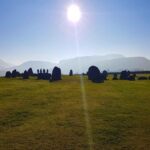
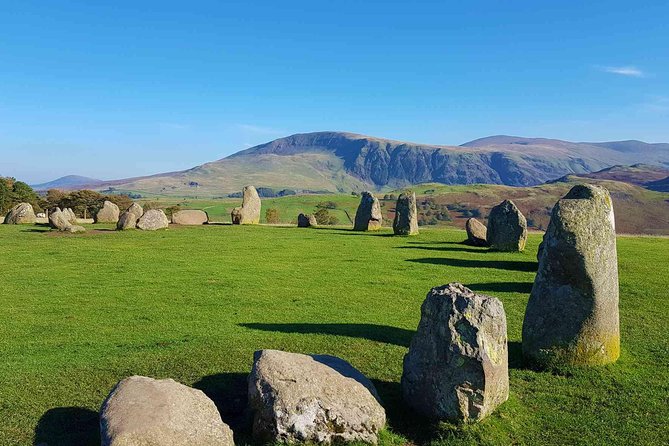
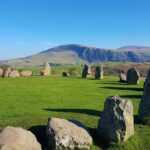
Then it’s ancient history in a jaw-dropping setting: Castlerigg Stone Circle. You’ll arrive at a hill with mountains all around, and the circle has 48 stones placed more than 5,000 years ago.
The romantic Victorian story is that Druids used the stones, and today the real purpose remains partly mysterious. What’s not mysterious is the atmosphere. This is one of those places where the view feels part of the artifact. The tour gives you time to take a short walk and then get right into the circle itself—an important difference from many sites where you just look through fencing.
Practical tip: wind can be strong on the hill. Wear something that cuts the chill, even if it’s warm down in the towns.
Ashness Bridge: The Most Photo-Ready Bridge in the Place
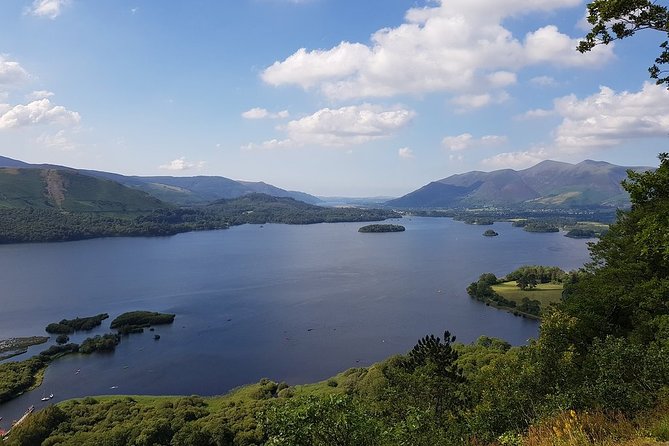
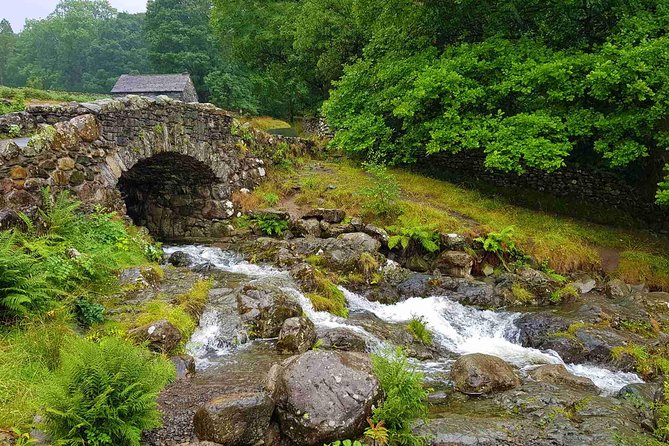
If you’ve ever seen an Ashness Bridge photo, it likely came from this spot. The tour climbs up a well-hidden single-track road to an old dry-stone packhorse bridge over a fast, tumbling stream.
The stop is usually around 10 minutes, but the effort is real: there’s a steep climb for about half a mile. Once you’re there, you’re looking toward Derwentwater and the towering Skiddaw peaks rising above Keswick.
This stop earns its fame because the composition is easy: bridge, water movement, and peaks in one frame. If the weather’s changing, move fast with your camera and take one wide shot early.
Surprise View: One Stop That Covers a Big Chunk of the Map
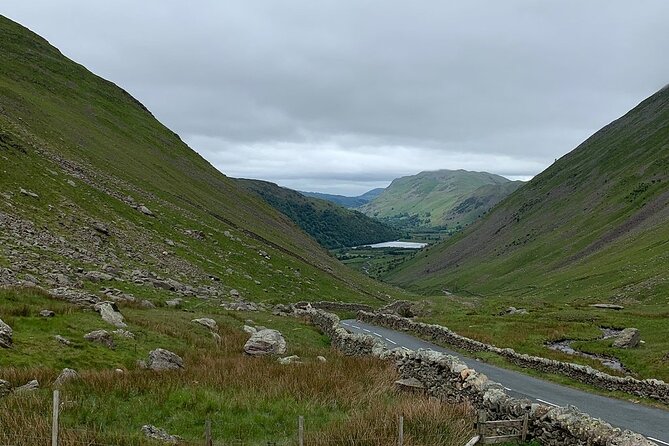
Surprise View is exactly what it sounds like—a high viewpoint perched on an oak-lined cliff edge. The tour gives you about 15 minutes here, and in that time you can get a strong sense of how lakes, valleys, and towns line up in real space.
From here you can look across Derwentwater toward the Skiddaw range, out over Borrowdale Valley, and see Keswick, Bassenthwaite Lake, and—on a good day—the distant shores of Scotland.
The photo opportunities are the main event, but the bigger value is orientation. After this stop, you’ll understand why people plan multi-day hikes: the views are layered. Each glance shows another “target” area you might want to visit later.
Wordsworth Country: Grasmere, Rydal Water, and a Literary Time Machine
After the big mountain viewpoints, the route shifts into the poet-and-lakes groove: Grasmere and nearby waters.
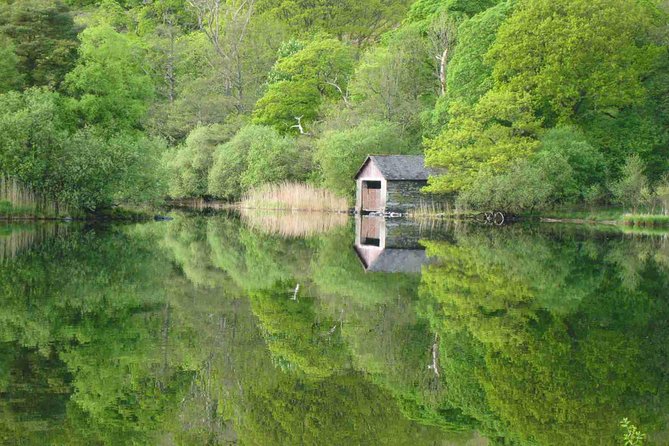
You get a stop at Grasmere Lake, tied directly to William Wordsworth and his circle. The guide talks about the way he, Dorothy, and John spent lazy days by the water—swimming, fishing for pike, rowing out to an island for summer picknicks, and wandering the shores while listening to birds carry across the wind. Today there’s still evidence of outdoor life here, including wild swimming and colorful rowboats bobbing along.
Then you move to Rydal Water, a smaller lake that often gets spoken of in the same breath as Grasmere. The tour explains it was originally called “Rothaymere,” meaning the lake in a valley where rye was grown. You may also hear about wildfowl around the shoreline—gulls roosting, and the chance of seeing red squirrels in larches or Herdwick sheep in pastures.
There’s also a scenic roadside focus here, including Wordsworth’s seat area with steps leading up from a rocky knoll. Even if you don’t climb up, you’ll understand why this spot holds attention.
Ambleside and Bridge House: A Quirky Landmark Over Stock Ghyll
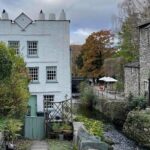
As you continue through the southern lakes region, you pass Ambleside and its famous Bridge House. This is described as one of the most photographed buildings in the Lake District.
The tour frames it with a small slice of local lore: Bridge House straddles the clattering Stock Ghyll stream, and you’ll often see it from the road as a quick photo stop. You don’t spend long here, but it’s one of those “I get it now” landmarks—when you’ve got the stream sound and the tight streets of town nearby, it looks exactly like the kind of building that would be loved by artists and visitors for generations.
Windermere and Bowness: The Victorian Rail Boom Still Runs the Show
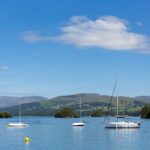
This is where the tour gives you the lake that most visitors picture first: Windermere, named after a Norse hero and known as England’s largest and most visited lake.
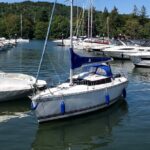
You’ll hear the story behind how Windermere became magnetic for visitors over centuries. The guide’s driving route also helps you notice features: rocky inlets, secluded bays, grassy banks, wooded heights, and a northern skyline with volcanic peaks. There are also local boat tales and practical history, including why a local ferry stop mattered at night.
If your route includes Windermere village or Bowness, you’ll also get the Victorian rail context. Windermere village grew with the railway arrival, while Bowness is older, with narrow streets clustered behind the parish church and cottages connected to boatmen and fishermen.
The tour includes fun name-check history too:
- The church window includes coat of arms details tied to an ancestor of George Washington.
- Dickens stayed at the famous Hole in t’Wall inn.
- A promenade stroll leads to boating areas with big boats, small boats for hire, and even tiny rowing craft.
Practical tip: if you want to linger, do it after the tour. On the half-day format, you’re seeing the area’s vibe more than taking it slow.
Derwentwater and Keswick: Lakeside Beauty with Mining DNA
Next, the tour focuses on Derwentwater, “the Queen” of the English Lakes. From viewpoints and roadside overlooks, you’ll see islands and craggy fells, plus names like Cat Bells and the dramatic Jaws of Borrowdale.
The guide adds folklore: hermits, hedgehogs, squirrels, and even mock sea battles—because this area was shaped by people, not just geology.
Then you drive into Keswick, described as a northern tourist capital packed with shops, cafes, bars, hotels, and Victorian guest houses. The tour doesn’t ignore the darker layer beneath tourism: mining is part of why Keswick existed in the first place. You’ll also hear Wordsworth regularly visited and connected with Samuel Taylor Coleridge, and how Coleridge compared their year to cycles of retirement and then crowds of tourists.
This is a great stretch for learning how the Lake District keeps reinventing itself: nature attracts, industry built the towns, and tourism now runs the rhythm.
Bassenthwaite, Thirlmere, and the Big Fell Passes
You’ll get to Bassenthwaite Lake via a viewpoint associated with Surprise View. Bassenthwaite is described as the northernmost major stretch of water and noted for a shoreline protected by the park’s plants and animals.
The guide highlights birdlife and the chance of seeing ospreys, plus the vendace fish—an Arctic-related fish found in very few places in Britain.
From there, the tour mentions the story behind Thirlmere, including the tragic fate of villages Armboth and Wythburn buried under the waters, tied to 19th-century Manchester industry. It’s a reminder that the Lake District’s calm surfaces sometimes cover hard history.
Then come the fell stories around Blencathra (Saddleback). You’ll hear it wears purple heather in summer and can have a snowy cap in winter, with older names tied to the ancient Cumbric language and a tale connected to an Earl and Lordship of a Manor in 2014. You may also hear a sharp-edged ridge story—Sharp Edge—with a famous, risky scramble reputation.
For walkers, it’s a tease. For passengers, it’s still valuable because it helps you read the mountain shapes from the road.
Finally, Helvellyn enters the picture too. You don’t need to climb it, but you learn it’s the third-highest peak in the Lake District and famous year-round, especially for ridge routes like Striding Edge. The tour also mentions the Helvellyn Weather Assessors who climb between December and March to assess avalanche risk and conditions like wind chill and snow depth, plus the Wordsworth link and the poem story about Foxie (with Foxie surviving, as the guide story goes).
Touring Tips That Make This Tour Easier
Here’s how to get the most out of this route without fighting it.
Wear solid shoes. There’s “a little walking” on the itinerary, some uphill, and some uneven or potentially wet ground. Ashness Bridge in particular is a steep climb.
Bring waterproof layers. Lake District weather can flip fast, even in summer. A waterproof coat with a hood is the best cheap insurance.
Plan your photo strategy. Many stops are short, so take one wide establishing shot first. Then go for details like dry-stone walls, stone textures at Castlerigg, or the bridge-and-water angle at Ashness Bridge.
Seat choice can matter. A couple of people noted the van felt crowded and window views could get blocked on some departures. If you have a choice, pick the side that gives you a better shot of the viewpoints and also lets you see during drive-bys.
Bring a snack for the gap. Food isn’t included, and you’ll likely be busy enjoying lakes and stories rather than hunting for a meal mid-tour.
Who This Tour Fits Best (and Who Might Want Something Else)
This tour works best if you want:
- a high-impact overview of the Lake District in a half day,
- classic viewpoints plus a few “legend and poetry” stops,
- a low-effort way to see lakes like Windermere and Ullswater without planning driving routes.
It’s also a strong first-day choice if you’re staying nearby, because it helps you understand where you’ll want to return. More than one guide on this route has a style that mixes humor and detail, and guide names from past departures include Tim, Gillian, Sandra, and Steve—so you’ll likely get a lively storytelling approach with a skilled driver behind the wheel.
If you want a long hike, this isn’t that. Even though you’ll see steep country, the format favors viewpoints and short walks, not hours on trails.
Should You Book This Afternoon Lake District Tour?
If your goal is to see a lot of famous Lake District scenery without the logistics headache, I think this one’s a strong yes. The value comes from included admissions, guided context while you look at the views, and the efficient mix of lakes, stone-age history, and Wordsworth country.
I’d book it especially if you’re:
- short on time (four hours is your reality),
- interested in how the region got shaped by people as well as geology,
- traveling with limited patience for parking and route planning.
I’d hesitate if you:
- dislike even short uphill walks,
- need guaranteed window access,
- want long, slow stays at each lake rather than quick photo stops and drive-by context.
Bottom line: this tour is built for orientation and memorable photo moments. If you want to leave the Lake District knowing where everything is and what connects it, it’s a smart afternoon plan.
FAQ
How long is the 8 Lakes and Magnificent Scenery afternoon tour?
It’s about 4 hours.
What’s the group size and language?
It’s a relaxed, friendly small-group tour with a maximum of 7 guests, and it’s offered in English.
What’s included in the ticket price?
All entrance fees for the locations on the itinerary are included, along with guide services, transportation in an air-conditioned minivan with WiFi and charging points for most mobile devices, and regular photo/comfort stops.
Is food included?
No. Food and drink aren’t included.
Do I need to do any walking?
There is a little walking involved, including some uphill and on uneven or wet terrain. Wear suitable, comfortable shoes.
What should I bring for the weather?
Bring a waterproof coat with a hood, since Lake District weather can change quickly even in summer months.
Where do you meet for the tour?
Meeting points depend on the option you choose, and you’ll be collected from that linked departure point. Examples given include Windermere station entrance, Pier 1 beside the lake shore, and Oxenholme Station outside the ticket office. If you change departure points, you must inform the operator in advance.