REVIEW · WINDERMERE
Private Tour: The Brontes: Full Day All-Inclusive Tour with an Expert Guide
Book on Viator →Operated by English Lakes Tours · Bookable on Viator
That moor air hits different once you know the stories. This full-day, private Brontë route from Windermere gives you the places behind Wuthering Heights and Jane Eyre with an expert guide’s straight-to-the-point explanations. You’ll spend real time in Haworth at the Brontë Parsonage and see how the everyday world of Charlotte, Emily, Anne, and Branwell shaped their writing.
What I like most is how the day mixes big literary connections with small, concrete details you can actually picture later. I also appreciate that you travel in comfort with a qualified driver for safety on country lanes, plus live commentary throughout. One drawback to consider: this is an all-day outing and food and drinks aren’t included, so you’ll want a plan for lunch and snacks, especially in winter.
In This Review
- Key highlights that make this Brontë day work
- From the South Lakes to Haworth: how the day stays organized
- Clapham and the Yorkshire Dales stop: the setting behind the setting
- The Lowood-school connection: education, hardship, and why it shows up
- Wycoller ruins and Ferndean Manor: chasing Charlotte Brontë’s footsteps
- Entering Haworth: a village that still carries the Brontës
- Brontë Parsonage Museum: where the writing happened
- Black Bull Inn and the apothecary: the darker real-world details
- Industrial Yorkshire versus the moors: making sense of the emotional engine
- Price and value: what you’re really paying for at $708.94 per person
- Who this Brontë tour suits best
- Should you book this Brontë tour from Windermere?
- FAQ
- How long is the private Brontë full-day tour from Windermere?
- What time does the tour start, and is pickup included?
- Is entry to the Brontë Parsonage Museum included?
- Are food and drinks included?
- What languages is the tour offered in?
- Is this tour private?
- Is mobile ticketing used?
- Can children join, and how does seating work?
- Can I cancel and get a full refund?
Key highlights that make this Brontë day work
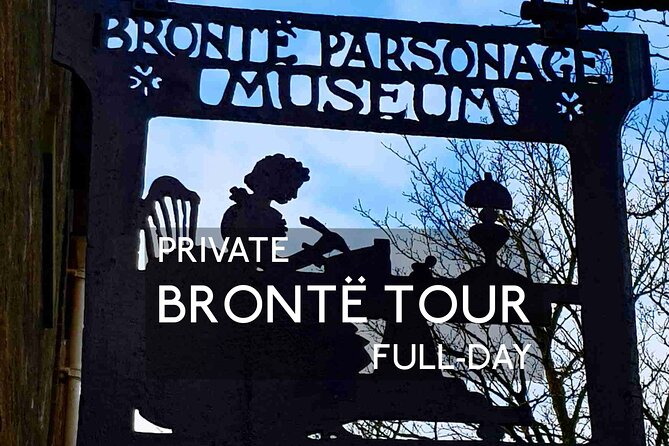
- Bronte Parsonage Museum entry included, so you can go where they lived and wrote without hunting tickets
- Expert guide storytelling that links specific locations to Jane Eyre, Wuthering Heights, and The Tenant of Wildfell Hall
- More stops than a single-site visit, including Haworth, Clapham, the Lowood-school connection, and Wycoller
- Haworth’s High Street view of how the village still feels rooted in the 1800s
- Black Bull Inn and the apothecary stops that turn footnotes (and dark details) into lived context
- Small-group feel with private touring for your group only, plus air-conditioned transport
From the South Lakes to Haworth: how the day stays organized
The biggest win here is time management. In about 8 hours you cover multiple places that would eat up your day (and patience) if you tried to do it solo. You start at 9:00 am, and pickup is offered from most hotels in the South Lakes area, which helps if you’re already settled near Windermere.
This tour also isn’t just a driver ferrying you around. There’s a guide with live commentary on board and—this matters—there’s also a qualified driver working alongside them. On routes with narrow lanes, that extra safety layer is a relief. Even when the day feels packed, you’re not constantly waiting for directions or figuring out timing.
You should also note the tour is private (your group only) and runs in English. If you’re the type who likes asking questions, this format tends to be ideal because the guide can keep the narrative moving without juggling strangers’ needs.
You can also read our reviews of more tours and experiences in Windermere.


Clapham and the Yorkshire Dales stop: the setting behind the setting
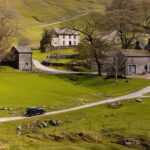
Not every Brontë fan wants only buildings and battlefields of trivia. This day also gives you the wider physical world the books sprang from. After leaving the Lakes, you drive through the Yorkshire Dales for a stop in Clapham, a pause that helps you shift from plot summaries to place-based thinking.
In practice, this is where the guide’s explanations make the most difference. Moors, villages, and trade routes weren’t random scenery; they shaped daily life—work rhythms, isolation, travel choices, and who could access what. Seeing a village like Clapham in the middle of the day gives your brain a more grounded “map view” of how the Brontës’ Yorkshire felt beyond Haworth.
If you’re trying to decide what kind of traveler you are, here’s a quick test: if you enjoy learning how people actually lived—not just what happened in the novels—you’ll likely find Clapham a smart, worthwhile stop.
The Lowood-school connection: education, hardship, and why it shows up
One stop hits a nerve for many readers: the infamous school the Brontë sisters attended, tied directly to Jane Eyre’s Lowood. Even without you obsessing over chapter-by-chapter parallels, you can usually feel why this connection is so strong. The books don’t treat education as a neutral background. For the Brontës, it’s part of a wider story about vulnerability, discipline, and how little control young people had.
This is where I’d expect the guide to do their best work: connecting what you see with what you read, and then explaining the social conditions that made those experiences possible. It’s one thing to know Lowood exists. It’s another to visit the kind of environment that shaped the emotional pressure behind the fiction.
If you’re sensitive to darker themes, keep that in mind. This is not a sunshine-only literary day. Victorian England could be harsh, and the tour leans into that reality rather than softening it.
Wycoller ruins and Ferndean Manor: chasing Charlotte Brontë’s footsteps
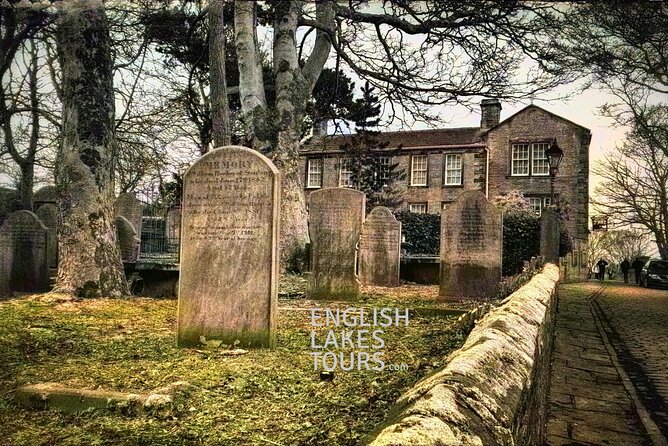
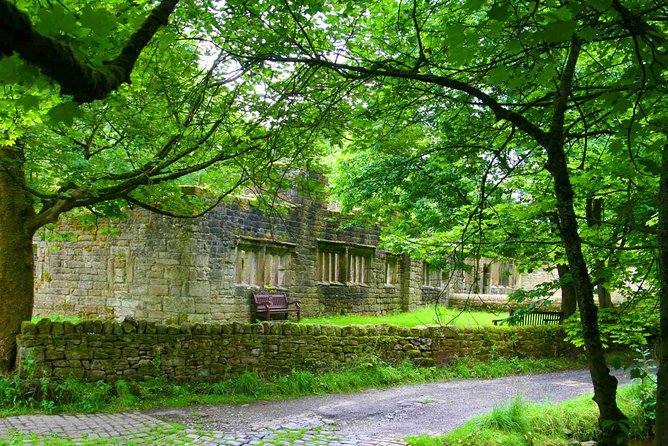
Then you head to Wycoller, a pretty village with a ruinous hall that functions as the model for Ferndean Manor in Jane Eyre. This stop is valuable because it shows how writers borrow, transform, and compress. A ruined site in one place becomes a meaningful fictional estate somewhere else.
On a practical level, you also get a strong sense of atmosphere. The moor-edge world around Haworth isn’t just dramatic in photos. Walking around (even briefly) in conditions that feel windy and cold helps you understand why the novels lean into weather and mood. The guide’s narrative makes you notice details you might otherwise pass over—how the setting frames characters and how restriction can feel physical.
This is a good stop for people who like the craft of writing: how inspiration becomes scenes, how “real life” gets rebuilt into something more symbolic, and why certain locations keep reappearing in Victorian literature.
Entering Haworth: a village that still carries the Brontës
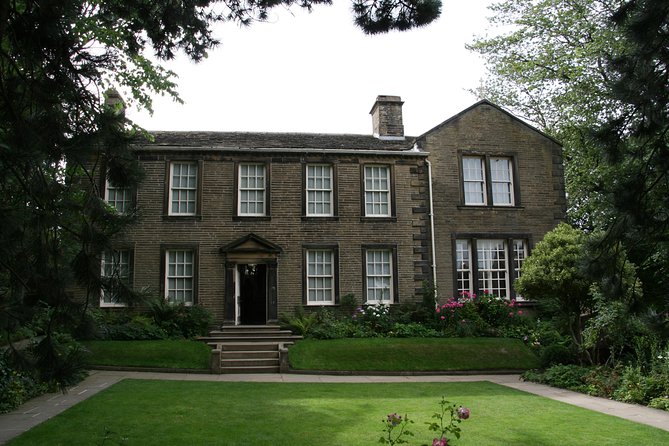
Haworth is the heart of the day. You’ll spend time wandering the High Street, described as hardly changed since the Brontës walked there about 150 years ago. That line isn’t just marketing. When you’re in the street itself, the village scale and character make the stories feel closer to daily life rather than museum glass.
This is where you’ll appreciate the pacing. You’re not sprinting from one photo point to the next. You have enough time to look around, take in the village rhythm, and connect the local details to the family’s world.
Also, because this is a private, guided day, you can make the experience match your interests. If you care about literature, focus on how the guide links Haworth’s streets to the books’ textures. If you care about history, lean into the guide’s framing of industrial-era hardship and the contrast with moor freedom.

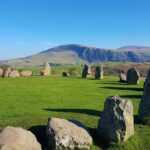

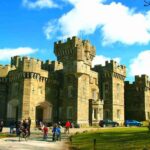


Brontë Parsonage Museum: where the writing happened
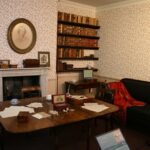
The big anchor stop is the Bronte Parsonage Museum, with entry included. This is where you’ll learn what life was like for Charlotte, Emily, Anne, and Branwell, as well as the role of their father, Rev. Patrick Brontë. The Parsonage isn’t treated as a generic “author house.” It’s presented as home, workplace, and family stage all at once.
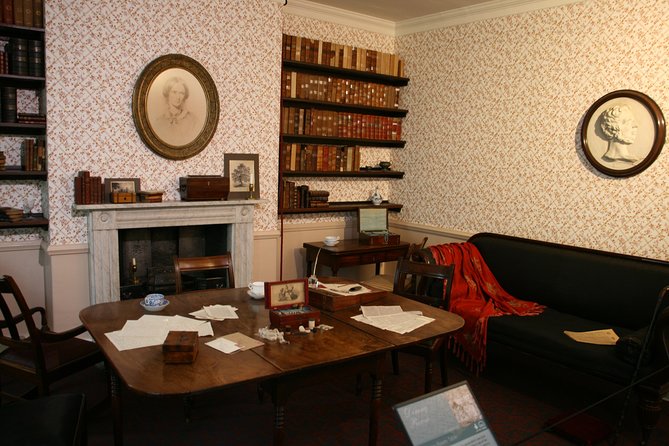
Expect to see the places connected to writing and daily routine—where they sat and wrote works including Wuthering Heights, Jane Eyre, and The Tenant of Wildfell Hall. One extra detail that makes people talk afterward is the clock inside the home: it’s described as still ticking today, adding a small but powerful sense of continuity. It’s the kind of moment that makes the past feel less sealed off.
If you love this kind of immersion, this stop will likely be your favorite part of the day. If you’re less into museums, the guide’s explanations help you see the Parsonage as a living context, not just an exhibit.
Black Bull Inn and the apothecary: the darker real-world details
After the Parsonage, you’ll make time for two Haworth stops that many literature fans find oddly gripping because they’re not polished into romance.
First is the Black Bull Inn, linked here to Branwell drinking. Second is the Old apothecary, connected to where he bought laudanum. These aren’t side plots. They’re part of understanding the pressures around the Brontë family—expectations, emotional strain, and the hard edges of Victorian life.
A guide can make a huge difference at stops like these. Without commentary, you might think, okay, this is where something happened. With commentary, you connect it to how the family’s circumstances influenced the emotional intensity and tragedy threaded through their stories.
This section of the day is also a reminder: the moors may feel like freedom in fiction, but in real life, people still lived with illness, money trouble, and consequences.
Industrial Yorkshire versus the moors: making sense of the emotional engine
The day keeps returning to the contrast between harsh industrial life and the moors’ sense of freedom. That theme matters because it explains why the books carry both intensity and restraint. You get talk of a world where death was on the doorstep, plus the “pull” of the moors as a space that felt wider than everyday rules.
If you’re a reader who always wondered why the Brontës wrote with such emotional voltage, this framing helps. You stop thinking of their work as simply “dramatic” and start seeing it as a response to limitations and losses people couldn’t escape.
The best part is how the route itself supports the idea. When you move from village streets to moor-linked settings—then back into the Parsonage—you can feel how the physical geography echoes the emotional geography of their writing.
Price and value: what you’re really paying for at $708.94 per person
At $708.94 per person, this isn’t a bargain-bin tour. So you should ask what you’re buying besides transport.
You’re paying for:
- Private touring for your group only, not shared crowd management
- A full-day plan that hits multiple Brontë-linked locations without you steering
- Entry into the Brontë Parsonage Museum, which saves time
- A guide plus a qualified driver, which is both comfortable and safer on rural roads
- Air-conditioned vehicle and live commentary, which keeps the day coherent
For value, I think this works best if at least one person in your group is deeply interested in Brontës (or if you just love guided storytelling). If you’d rather wander independently and pay only for tickets, you might spend less on paper by DIYing. But you’ll likely spend more in stress, timing, and context gaps—especially if the weather turns.
One thing to plan for: food and drinks aren’t included. With a winter day and a full schedule, I strongly recommend budgeting for lunch or bringing a snack so you’re not making decisions in a rush.
Who this Brontë tour suits best
I’d aim this tour at a few types of travelers:
- Literature lovers who want the real places behind Jane Eyre and Wuthering Heights, not just generic “author history”
- History and society buffs who care about what Victorian life forced people to endure
- Nature-and-mood travelers who enjoy moor air, dramatic views, and how weather shapes tone
- Small groups who want a private day with conversation and questions
It’s also a strong match if you’re traveling from the Windermere / South Lakes area and want someone else to handle the driving, timing, and interpretation.
Should you book this Brontë tour from Windermere?
Book it if you want a guided, story-driven day that turns Yorkshire into context for the novels. The combination of the Parsonage Museum, Haworth’s still-recognizable streets, and the extra literary setting stops makes this feel like more than a single-site visit.
Skip (or consider alternatives) if you’re price-sensitive, hate long days, or you’d rather control your own pace with no structured stops. Also, go in knowing it’s a winter-minded outing where comfort and planning matter—especially since you’ll need to cover your own food and drinks.
If you’re on the fence, this is my nudge: if you love the Brontës for the emotional intensity of their work, you’ll leave with a stronger sense of why those characters feel so real.
FAQ
How long is the private Brontë full-day tour from Windermere?
It runs for about 8 hours (approx.).
What time does the tour start, and is pickup included?
The start time is 9:00 am, and pickup is offered from most hotels in the South Lakes area.
Is entry to the Brontë Parsonage Museum included?
Yes. Entry into the Bronte Parsonage Museum is included.
Are food and drinks included?
No. Food and drinks are not included, so you’ll need to budget for lunch/snacks separately.
What languages is the tour offered in?
The tour is offered in English.
Is this tour private?
Yes. It’s a private tour/activity, meaning only your group participates.
Is mobile ticketing used?
Yes. A mobile ticket is provided.
Can children join, and how does seating work?
Children can join but must be accompanied by an adult, and all passengers including children must have a seat purchased for them.
Can I cancel and get a full refund?
You can cancel for a full refund up to 24 hours in advance of the experience start time.