REVIEW · WINDERMERE
Private Tour: 8 Lakes and magnificent scenery – Afternoon tour
Book on Viator →Operated by English Lakes Tours · Bookable on Viator
Eight lakes in four hours beats tour slog. This private afternoon tour is built for people who want the big-hits view-and-story combo of the Lake District without a car plan. You ride in a comfortable vehicle with live commentary, and you get frequent stops to take photos and reset your legs.
What I like most is the way the guide connects the scenery to real places: Wordsworth’s lake moments, Beatrix Potter’s water-side homes, and even Neolithic stones at Castlerigg. The one thing to factor in: it’s a fast route with short stops, plus a bit of uphill and uneven ground, so you won’t be doing long hikes.
In This Review
- Key highlights you’ll feel right away
- A Windermere afternoon that actually fits real travel days
- The private vehicle matters more than you think
- Kirkstone Pass: the steep, scenic start
- Ullswater: National Trust heritage and Wordsworth’s daffodils
- Castlerigg Stone Circle: short stop, big atmosphere
- Derwentwater and Ashness Bridge: Potter country with a famous view
- Surprise View: Bassenthwaite, Solway, and Scotland if the sky cooperates
- Grasmere and the Wordsworth route: thirlmere, Dunmail Raise, Dove Cottage area
- Rydal Water and a quick look at the Bridge House
- Ending on Lake Windermere: big water, easy finish
- Price and value: what $339.42 per person buys
- Who should book this eight-lakes afternoon tour
- Should you book this tour or not?
- FAQ
- What time does the afternoon tour start, and how long is it?
- Do I get pickup from hotels around Windermere or Ambleside?
- What’s included during the tour?
- Are tickets or admissions included for the stops?
- What should I wear or bring for the Lake District weather and short walks?
- Is this tour suitable for children?
Key highlights you’ll feel right away
- Private, not crowded: only your group in the vehicle
- Eight lakes in one afternoon with smart photo-stop pacing
- Guide Tim’s storytelling keeps the route from feeling like a checklist
- Kirkstone Pass views that look back down to Windermere and Ambleside
- Castlerigg Stone Circle on a plateau with 360-degree fell views
- Bassenthwaite-to-Scotland views from Surprise View, when weather cooperates
A Windermere afternoon that actually fits real travel days
The Lake District can swallow your whole day fast—one wrong turn, and suddenly you’re driving in circles, late for dinner, and too tired for photos. This tour solves that with a tight, afternoon-friendly route and a private vehicle that handles the driving while you focus on stops and views.
It also helps that you’re starting at 2:00 pm. That’s a nice compromise: you still get daylight and clear-ish sightlines most of the year, and you aren’t trying to squeeze this in at the crack of dawn. The timing feels designed for visitors staying around Windermere, Bowness, Ambleside, or Keswick.
And yes, eight lakes in four hours is ambitious. But the structure keeps it from feeling rushed in the wrong way: the guide builds in viewpoint breaks, then moves you along efficiently between water bodies so you’re not waiting around with nothing to do.
You can also read our reviews of more tours and experiences in Windermere.
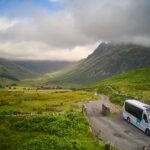
The private vehicle matters more than you think
You’re paying a premium, so you want the experience to feel more than “a minivan ride with a map.” Here, the private transportation is a big part of the value.
You get an air-conditioned vehicle, onboard WiFi, and charging points at most seats. That’s practical if you’re bouncing between lookout points and your phone is already running your photos, GPS, and ticket info. A mobile ticket also means you’re not fumbling with paper while the weather changes its mind every five minutes.
If you’re traveling with family, couples, or a small group of friends, the private setup makes a difference. You can linger a few minutes for the shot you actually want without feeling like you’re holding up a bus of strangers. It’s also easier to manage kids when the guide can keep the group together and stop only when it’s worth stepping out.
The trade-off is simple: you’re not roaming freely. This is a guided route with set stops, so it’s best if you’re happy with short walks and quick photo windows.
Kirkstone Pass: the steep, scenic start
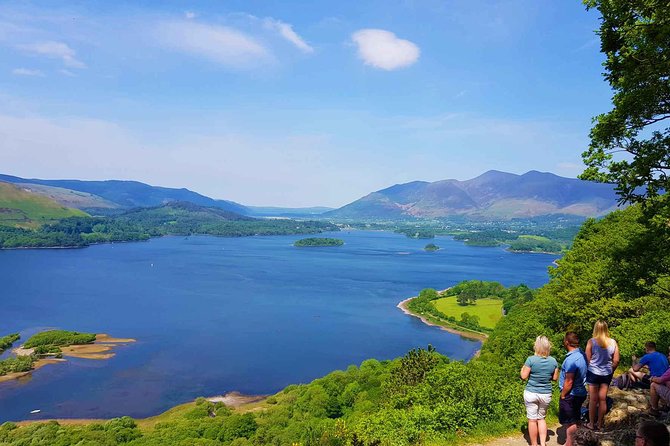
Your afternoon climb begins at Kirkstone Pass, up toward the Kirkstone Inn, the highest inhabited building in the Lake District. Even if you’ve never heard the name before, you’ll recognize the vibe: big altitudes, serious viewpoints, and roads that feel like they earned every hairpin.
This stop works because it sets the “wow” tone early. From the roadside viewpoint, you look back down the valley toward Lake Windermere and Ambleside. It’s the kind of perspective that helps you understand the geography fast. Instead of learning lakes one by one, you get a mental model for how the valleys fold and where the water fits in.
A small consideration: it’s a pass with a climb, so plan for cold wind at the top even when the town feels mild. Wear a layer and keep your waterproof handy—if the Lake District decides to rain, it doesn’t do it politely.
Ullswater: National Trust heritage and Wordsworth’s daffodils
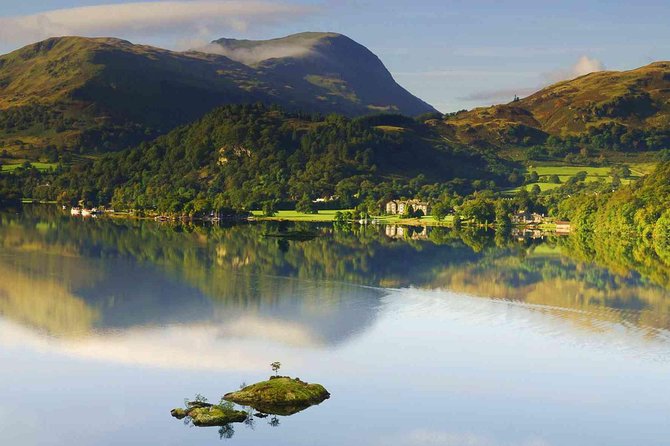
Next up is Ullswater, reached through a dramatic drop from Kirkstone Pass. The road comes down with steep valley walls rising on both sides, and that motion alone makes the lake feel grand before you even fully see it.
Ullswater is also where the tour starts layering literature and walking routes into the scenery. The guide points out the church-shaped rock associated with the valley’s name, then brings you to a viewpoint photo stop where you can glimpse the ribbon of road descending toward Brothers Water.
Two things I’d call out as “useful on-the-ground” details:
- Ullswater was among the early lakes acquired by the National Trust, which helps explain why the area feels protected and visitor-friendly without becoming theme-park busy.
- The valley is a launch point for major hill walks, especially the Striding Edge route up to Helvellyn, the third-highest mountain in the Lakes.
Then you hit the Wordsworth connection. At Wordsworth Point, you see the spot where William and Dorothy Wordsworth observed wild daffodils—an inspiration for one of his most famous poems. Even if you’re not a deep poetry person, it’s a nice way to anchor a view with a story you can remember.
Photo tip: the lake shore access point is your best bet for skyline-and-water framing, but only attempt anything close to the edge if conditions are dry. Rainy wind makes footing slippery quickly.
Castlerigg Stone Circle: short stop, big atmosphere
After Ullswater, the drive heads north and west, passing fell silhouettes where the scale of the mountains becomes obvious. Even from the road, Blencathra (with its Sharp Edge ridge) is the kind of mountain that makes you understand why locals talk about weather and routes like they matter—because they do.
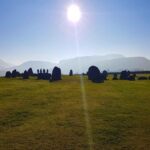
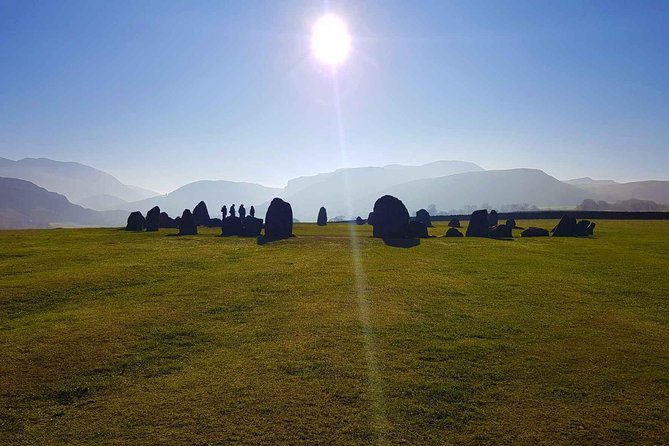
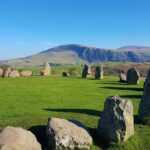
Then you’re at Castlerigg Stone Circle, one of the most spectacularly located Neolithic sites in the UK. You stand on a plateau with 360-degree views over the surrounding fells, and you get a sense of how ancient people picked places that were visible, meaningful, and probably very weathered over time.
What’s concrete and helpful here:
- The circle includes 38 free-standing stones, some reaching about 3 metres (10 feet) tall.
- It dates to the Neolithic period, roughly 4,000 to 5,000 years ago.
This stop is short, but it’s the kind of pause that resets your senses. You go from modern roads and lake photos to something that feels grounded and quiet. If you like geology, big weather views, or ancient sites, you’ll appreciate it more than you expect.

Derwentwater and Ashness Bridge: Potter country with a famous view
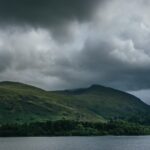
As you continue, you reach the shores of Derwentwater, one of the Lake District’s major lakes. The drive along the wooded eastern side matters because it gives you glimpses of place names you’ll recognize if you’ve read about the region.
The guide also connects Derwentwater with Beatrix Potter, pointing out her water-side holiday homes Lingholm and Fawe Park. You even get a fun fact about the area being used as a filming location for scenes from Star Wars. That sort of detail doesn’t replace the scenery, but it keeps the ride from becoming silent sightseeing.
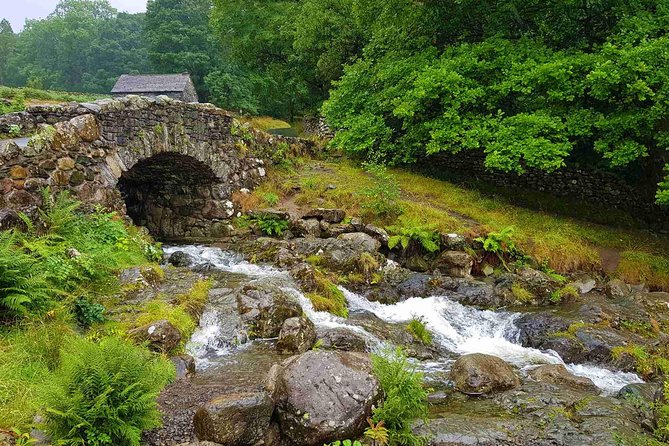
Then comes Ashness Bridge, described as the most photographed bridge in the Lake District. You’ll see why once you’re there: the viewpoint looks out over Derwentwater, with views that also include Bassenthwaite Lake and the River Derwent.
What I like about Ashness Bridge as a stop is that it’s forgiving for different travel styles. If you want a quick photo, you can get it. If you want a moment to watch the water and clouds shift, you can do that too.
The caution is weather. Bridges and viewpoints can get windy. If you’re traveling with anyone who hates heights or gusty spots, keep extra care around edges.
Surprise View: Bassenthwaite, Solway, and Scotland if the sky cooperates
From Ashness Bridge, the tour heads up again toward Surprise View. This is a classic Lake District trick: a little elevation, then a huge sense of distance.
From here, you look across Derwentwater toward Bassenthwaite Lake, out over the Solway, and on to the distant shores of Scotland. When conditions are clear, it’s a big “you’re really at the top of the world” feeling. When it’s rainy or misty, you’ll still enjoy the direction and scale, but the distant portion may fade.
This stop is especially valuable because it helps you see why the Lake District feels both contained and open. You get enclosure from the valleys, then openness from the sightlines.
Practical move: bring a hooded waterproof and keep your camera strap tight. A drizzle isn’t the problem. Gusts are.
Grasmere and the Wordsworth route: thirlmere, Dunmail Raise, Dove Cottage area
The tour then shifts toward Grasmere, the seventh lake on the route, by making its way back down and along the area connected to Wordsworth country.
Along the way, you pass Thirlmere, originally two smaller lakes that were purchased by Manchester City Corporation Waterworks in 1889. The area was dammed with a dam whose greatest height was 104 feet, and the settlements of Armboth and Wythburn were submerged.
This part is quietly fascinating. It gives you a real-world reminder that these lakes aren’t just “pretty scenes.” They’re tied to the region’s utility, growth, and trade-offs—what people gained and what disappeared. If you’re the type who likes the why behind the what, this adds real value.
Then you drive by Dunmail Raise, known as both a pass and a cairn on the top. There’s even a local legend that Dunmail, the last king of Cumberland, is buried beneath it after being slain by the English. Whether you treat that story as history or folklore, it helps you feel the region’s layered identity: natural beauty plus human myth.
When the tour reaches Grasmere, you’re back in the Wordsworth orbit. William Wordsworth lived at Dove Cottage, and the route continues past Nab Cottage, the home of his friend and author Thomas de Quincey.
This area is ideal for travelers who want literary landmarks without paying separate entry fees or building an hour-by-hour plan. You get a sense of place fast, and your photos come with context.
Rydal Water and a quick look at the Bridge House
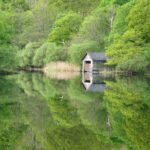
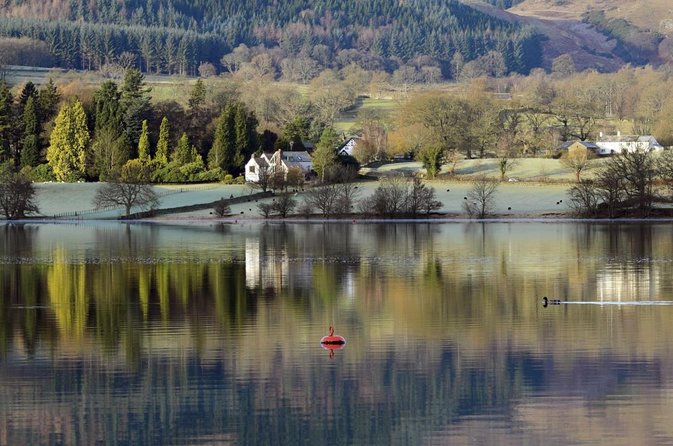
Next is Rydal Water, the final lake on the route. The water here is often described as mirror-like, which is exactly what you hope for on an afternoon tour: reflections in the right light make a landscape feel twice as dramatic.
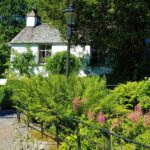
The tour also passes Wordsworth’s last and favorite home off the road at Rydal as you return toward Ambleside. Even if you don’t get out for a long walk, the route gives you enough of a feel for how close the homes sit to the water and the fell edges.
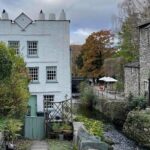
Then you get a quick Urban-Cumbria moment: a view into Ambleside with Bridge House, described as the smallest house in Cumbria. It’s brief, but it’s a nice palate cleanser after the big sweeping views.
This stop also helps you transition from “photo mode” into “we’re nearly done” mode without the day ending on a flat note.
Ending on Lake Windermere: big water, easy finish
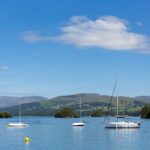
For drop-offs, the tour drives along Lake Windermere, the largest lake in England. This is a smart wrap-up because Windermere tends to be the anchor lake for many visitors staying nearby, so the final drive lets you connect what you saw at viewpoints back to the lake you’re actually going to spend time around later.
If you’re heading back to Bowness or Windermere, that shore drive is also a calmer way to end than rushing into the next stop. It turns the tour into a scenic bridge between guided discovery and independent wandering.
Price and value: what $339.42 per person buys
At $339.42 per person for an approximately 4-hour private tour, you should think about what you’re really paying for.
You’re not paying for entry tickets—many stops include free admission tickets in the plan. You’re paying for:
- A guide who keeps the route coherent (especially with the kind of engaging, lively energy reported by guests, including guide Tim)
- Private transportation with stops timed for views
- Comfort touches like WiFi and charging points
- The ability to see a lot of named places without stress
For couples and families, private routing can work out surprisingly well when you compare it with renting a car plus parking plus fuel plus the cost of figuring out where to go next. The tour also saves energy. You’re using someone else’s driving and local guidance so you can spend your brainpower on enjoying what you see.
The biggest “value check” for me: if you want long hikes and independent wandering, this might feel too structured. If you want a confident, scenic hit list with context, it’s a strong deal.
Who should book this eight-lakes afternoon tour
Book it if:
- You’re staying around Windermere or Ambleside and want an afternoon plan that doesn’t demand full-day stamina.
- You like guided context—Wordsworth, Beatrix Potter, and even the stone circle timeline.
- You prefer a private vehicle and clear stops over piecing together routes on your own.
Skip it or consider a different format if:
- You want long walks and lots of time at one lake.
- You’re sensitive to short uphill stretches and uneven or wet ground near viewpoints.
Also, it’s a good fit for families, but pack for weather and uneven surfaces. This route includes “a little walking,” so comfortable shoes matter.
Should you book this tour or not?
If you want an afternoon that gives you big Lake District views plus real stories tied to specific places, I think this is an easy yes. The private setup, guided commentary, and photo-stop rhythm make the route feel smooth rather than frantic.
My only hesitation is pace. You’re moving through a lot of named spots in a short window, so if your ideal day is slow and hiking-heavy, you may want a different day tour. If your ideal day is seeing eight lakes with context and coming back energized (not exhausted), then this is a smart booking.
FAQ
What time does the afternoon tour start, and how long is it?
The tour start time is 2:00 pm, and the duration is about 4 hours.
Do I get pickup from hotels around Windermere or Ambleside?
Yes. Pickup is offered from most hotels in the area.
What’s included during the tour?
You get a knowledgeable guide with live commentary, private transportation in an air-conditioned vehicle, WiFi on board, and charging points for most mobile devices at seats.
Are tickets or admissions included for the stops?
Admission tickets are listed as free for the stops mentioned in the route details.
What should I wear or bring for the Lake District weather and short walks?
Bring a waterproof coat with a hood, since weather can change quickly. Wear suitable, comfortable shoes because there is a little walking involved, including some uphill and uneven or wet terrain.
Is this tour suitable for children?
Most travelers can participate, and all passengers including children must have a seat purchased. Children must be accompanied by an adult. Service animals are allowed.