REVIEW · CAMBRIDGE
Curious Cambridge – The History Tour that’s FUN!!!
Book on Viator →Operated by Terrible Tours · Bookable on Viator
Cambridge can feel like just dreaming in stone. This tour makes it human and funny, with story-first history you can remember. You’ll love the walk past world-famous colleges without the hassle of getting inside, and you’ll also get a quick tour of the city’s big moments going back a thousand years. One thing to consider: it’s a paced walking route, so comfortable shoes matter.
I especially liked how guides bring the places to life with local details and humor. In the group, you may hear from guides such as Peter, Ben, Simon, Chuck, and Chris, and the tone stays light even when the facts get deep. The colleges you pass are a big part of the draw, but you should know upfront that you won’t enter the colleges during the tour.
If you want a sit-down lecture, look elsewhere. If you want to get your bearings fast and leave with Cambridge story nuggets, this is a smart way to spend 90 minutes in the center.
In This Review
- Key things to know before you go
- First impressions: a Cambridge history walk that doesn’t feel like school
- How the walk flows: from Cambridge beginnings to the University’s big stars
- Stop 1: Jesus Green Lock House and a fast start in the city
- Stop 2: Magdalene College and the story of Cambridge’s port
- Stop 3: St John’s College, the Round Church, and the seeds of the University
- Stop 4: Trinity College, Newton, and a pranking tradition
- Stop 5: Trinity Hall and the transformation of a street-name
- Stop 6: Gonville and Caius College, Nightclimbers, and a weird instruction
- Stop 7: Cambridge Market Square, bell chimes, and Town vs Gown fights
- Stop 8: St Bene’t’s Church, the oldest building, the secret of life, and the Corpus Clock
- Stop 9: Castle Hill and the layered conquests of the city
- The guide experience: storytelling that adapts to your group
- What’s not included (and why that’s still okay)
- Value for your money: why the price feels fair
- Who this tour is best for
- Quick practical notes before you set out
- Should you book this Cambridge history tour?
- FAQ
- FAQ
- How long is the Curious Cambridge history walk?
- What does the tour cost?
- Do you enter the colleges during the tour?
- Where does the tour start and end?
- Is the tour offered in English?
- What’s the group size limit?
- Is it refundable if plans change?
Key things to know before you go
- 90 minutes on foot: enough time to connect the dots without turning it into an all-day commitment
- No college entry: you’ll see key exteriors and learn what happened behind the walls
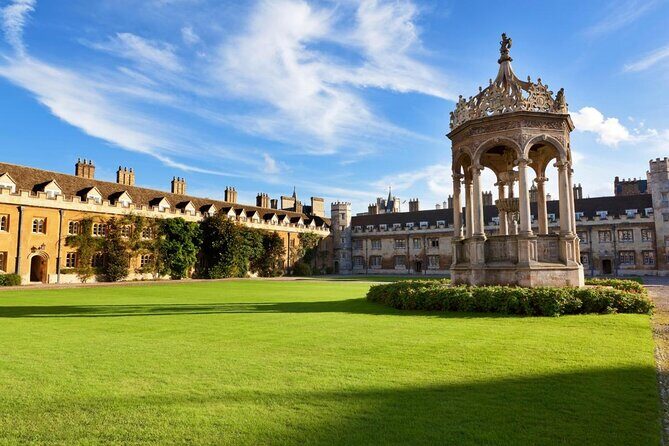
- College highlights include Trinity, St John’s, and Trinity Hall with specific stories attached
- St Bene’t’s Church stop ties the oldest building to the Corpus Clock and a real science legend
- Small group size (max 25) keeps the walk lively and question-friendly
- Ends at the Corpus Clock opposite King’s College, a great place to keep exploring afterward
First impressions: a Cambridge history walk that doesn’t feel like school
Cambridge has a way of making visitors slow down. You see the spires, the courtyards, the river bends, and you can tell it’s old. The problem is that a lot of history tours turn into facts you forget five minutes later.
This one goes the other direction. It uses entertaining stories, then points you at what to look for on the street. You’re not memorizing dates. You’re building a mental map: who lived here, why the university formed where it did, and how the city’s power shifted over centuries. The result is a walk that feels easy to follow and surprisingly fun.
Another practical win: the route is tight and centered. You start at Jesus Green Lock House and finish by the Corpus Clock (Chronophage) opposite King’s College. That ending matters. It puts you right where you can keep going on your own if the mood hits.
You can also read our reviews of more historical tours in Cambridge
How the walk flows: from Cambridge beginnings to the University’s big stars
This is a guided route with stop-by-stop storytelling. The exact pace can shift based on questions, but the stops are built to cover Cambridge’s key “why it matters” points. You’ll spend roughly ten minutes at most stops, with the whole experience around 1 hour 30 minutes.
You’ll also get something I really like in a city tour: you pass major landmarks multiple times in your imagination. Each stop adds a new layer, so Trinity stops being just a name and turns into a character in the city’s story.
And yes, the group stays small enough that it doesn’t feel like you’re marching with a busload of strangers. With a maximum of 25 people, you can hear the guide and ask questions without the tour turning silent.
Stop 1: Jesus Green Lock House and a fast start in the city
Your meeting point is Jesus Green Lock House, Cambridge (CB4 3AX). It’s a good place to start because you’re already near the river area, and Cambridge history makes more sense when you can sense how the water shaped movement, trade, and growth.
Even before the first named college stop, you’re set up to think about Cambridge as a living town, not just a university postcard. You’ll get a quick framing of how old the city is and why the route later links religion, education, and everyday street life.
Stop 2: Magdalene College and the story of Cambridge’s port
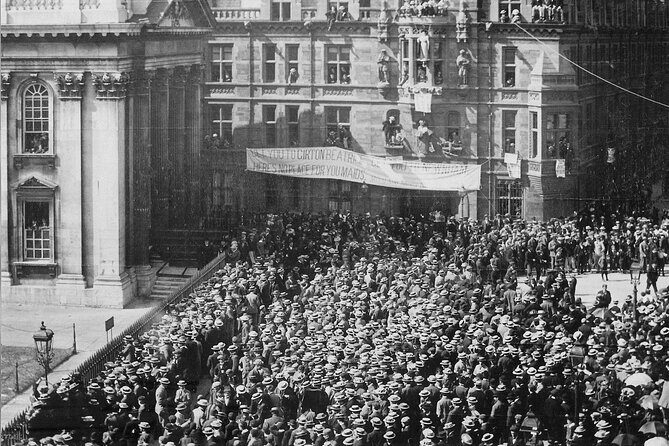
Next you head to Magdalene College, focusing on the Magdalene Street and Bridge area. The guide turns this section into more than a pretty corner by explaining that it was once the heart of what was essentially the port of Cambridge.
That’s the kind of detail that helps you understand the city’s layout. Ports mean commerce. Commerce means money. Money means institutions. So when you later hear about the university’s rise, it’s not floating in the air—you can see why the area mattered.
One small caution: because it’s a bridge and roadway area, pay attention to pedestrian flow. If the street is busy, your group can still move smoothly, but you’ll want to stay close and not drift.
Stop 3: St John’s College, the Round Church, and the seeds of the University
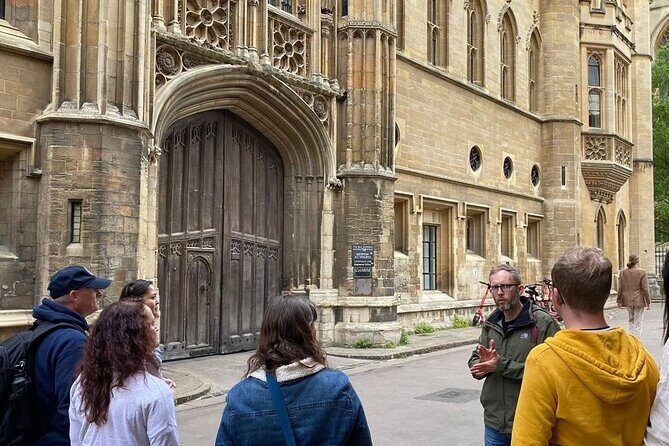
At St John’s College, the centerpiece is the Round Church and how it connects to the early seeds of the University. You’re not getting a lecture in a hall. You’re being taught to look at the relationship between buildings and the way an academic system formed.
This stop is especially good if you’ve ever wondered why Cambridge feels like it evolved in bursts. The architecture gives you clues. The guide connects those clues to how learning took root and spread.
If you like architecture that has a purpose beyond decoration, this is one of the better moments on the route. You’re learning why specific shapes and locations show up when they do.

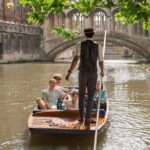


Stop 4: Trinity College, Newton, and a pranking tradition
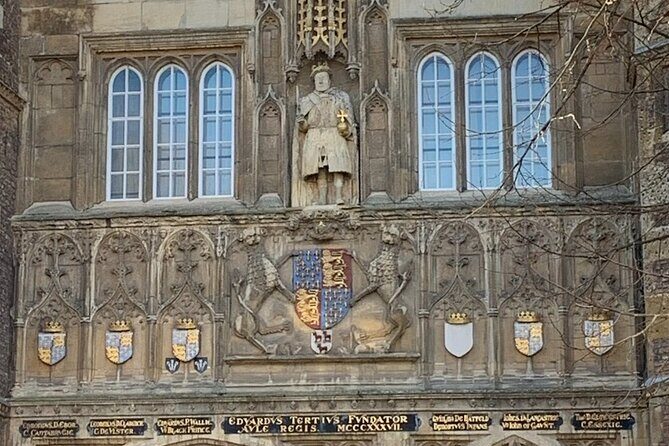
Then it’s Trinity College, where the storytelling hits two big notes: academic power and a sense of playful tradition.
You’ll hear that Trinity is described as the richest college in either Oxford or Cambridge, plus it’s home to Newton. You’ll also get a mention of one of Cambridge’s longer-running prank stories tied to Trinity. That mix—serious scholarship and mischievous campus folklore—is exactly why this tour feels lively.
This is a great stop for first-timers. Even if you don’t know much about the university, you start to grasp how student culture and institutional wealth shaped the place.
Practical tip: take a second to look around before you move on. College exteriors can look similar at a glance. The guide helps you spot the details that make each one distinct.
Stop 5: Trinity Hall and the transformation of a street-name

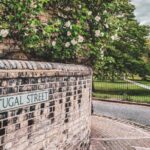
At Trinity Hall, you’ll hear about Trinity Lane and how it came a long way from being known as pisspot lane. The guide keeps the tone light here, including the friendly reassurance that no one needs to carry umbrellas for the story.
Under the humor, there’s a point worth remembering: street life changes, reputations change, and what starts as rough or practical sometimes becomes polished over time. Cambridge doesn’t just age. It edits itself.
If you’re traveling with kids or teens, this stop often lands well because it’s approachable. It also keeps the walk from becoming one-note.
Stop 6: Gonville and Caius College, Nightclimbers, and a weird instruction
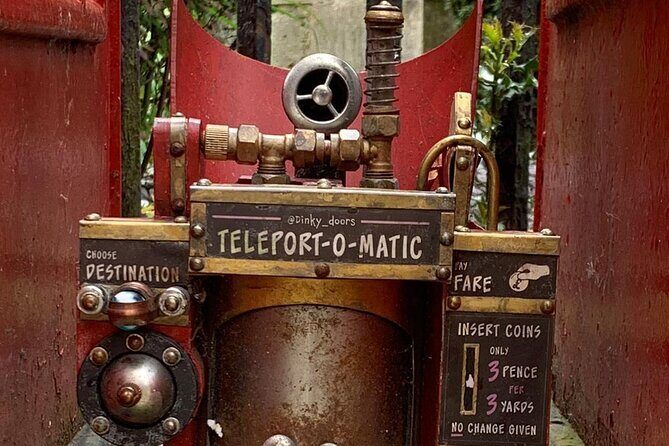
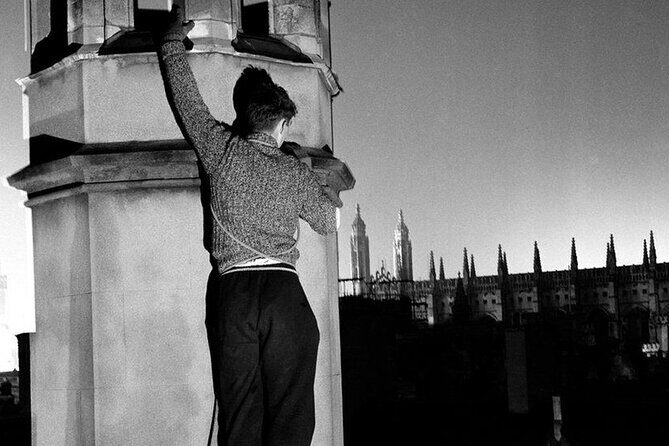
Next up is Gonville and Caius College, with a focus on Caius. Here the theme is odd-but-memorable campus lore—especially the famous Nightclimbers and a strange instruction from the founder.
This stop is all about how myths travel. People repeat stories because they’re entertaining, and then those stories become part of the institution’s identity. You don’t need to be a scholar to enjoy it. You just need to listen.
A quick realism check: if you expect scientific explanations for every strange detail, you might find the tour leans into the “this is the story people tell and why it matters” angle. That’s not a flaw. It’s how the tour stays fun.
Stop 7: Cambridge Market Square, bell chimes, and Town vs Gown fights
At Cambridge Market Square, you’ll get the city’s street-energy side. The guide highlights the famous bell chimes (the kind that people brag about globally), and it also describes the square as home to one of England’s oldest markets.
Then comes the social drama: Town vs Gown punch-ups. It’s one of those themes that makes Cambridge feel like a real place with real tensions, not just an academic bubble. You start to see how ordinary residents and the university community sometimes didn’t agree.
This stop is also a smart timing moment. Market squares are naturally open-air pauses where you can reset your feet, look around, and take photos if you want.
Because it’s a public square, just be aware of crowds. If it’s busy, expect a bit of stop-and-go.
Stop 8: St Bene’t’s Church, the oldest building, the secret of life, and the Corpus Clock
This is one of the most important stops on the route: St Bene’t’s Church on Benet Street.
You’ll hear that St Bene’t’s is where you can see the oldest building in Cambridge. Then the guide links the church to the laboratory where someone really did discover the secret of life, plus the pub where the announcement was made—along with a pint-related detail. Finally, you’ll connect all of it to the Corpus Clock.
This stop matters because it bridges three worlds you might otherwise keep separate:
- religion and old architecture
- science and real historical breakthroughs
- public life, where serious ideas get discussed in everyday places
Even if you’re not a science buff, the human side of the story helps you remember what you’re looking at.
One more tip: the church area can be busy, and you’re moving on afterward. If you want time to focus on the details, stand where the guide indicates and take your pics quickly.
Stop 9: Castle Hill and the layered conquests of the city
Finally, you reach Castle Hill, which the guide frames as the place Cambridge started. This part is built around a layered timeline: Romans, Vikings, and Normans all conquered the last bridge before the sea.
That’s a powerful way to understand Cambridge’s long timeline without turning it into a history worksheet. By the time you get to Castle Hill, you’ve already seen the port story and the university rise. Now you see the city’s “origin point” concept—who controlled movement, trade, and defense.
Because this is an elevated or prominent area compared with some other stops, you’ll likely get better views and a stronger sense of direction. It’s a nice final storytelling chapter before you end near King’s College.
The guide experience: storytelling that adapts to your group
The quality of a walking tour lives or dies on the guide. This tour’s reviews make it clear you’re likely to get an energetic storyteller who makes the route feel personal.
I like that guides in this program lean into relatable pacing and humor. Some names you might see associated with past tours include Peter and Ben, with comments about guides making the tour match different backgrounds and interests. Simon is highlighted for enthusiasm and storytelling that even a 15-year-old enjoyed. Chuck gets credit for keeping things informative and entertaining. And Chris is mentioned for handling mixed ages well.
You don’t need to be a history nerd to enjoy this. You just need a willingness to look at the street and listen. That’s the whole recipe.
Also note: the tour is offered in English and uses a mobile ticket. You’ll likely want to keep your phone handy for check-in, and you’ll be good.
What’s not included (and why that’s still okay)
This is a walk focused on seeing the colleges. The tour makes it clear that you won’t enter the colleges, mainly for time and cost reasons.
That’s the trade-off. If you want interior visits—chapels, libraries, and museums—you’ll need to plan those separately. The payoff is that you can cover more ground in less time and keep the price reasonable for what you’re getting.
And honestly, for many first-timers, the outside view is enough to get the mental picture. The guide gives you enough context that later, when you visit a site on your own, it feels like you already know the story.
Value for your money: why the price feels fair
The cost is $27.74 per person, for about 90 minutes, with a small group cap of 25.
That price sits in the sweet spot for a city walking tour. You’re paying for:
- a guided route that strings landmarks into a narrative
- a storyteller approach instead of just a map
- the convenience of a set start and end point in the center
- a visit plan that includes major Cambridge names without charging extra for entry
So if you’re thinking about what else you’d do for an hour and a half, this is a strong “first taste” option. You’ll leave with a route you can repeat on your own later.
If you’re traveling on a tight schedule, this also gives you planning power. Once you know where the stories land, you’ll have a better instinct for what to revisit deeper.
Who this tour is best for
This is a great fit if:
- you want Cambridge highlights fast without a crowded, exhausting day
- you like history told as story, with humor and memorable details
- you’re bringing teens or kids who might otherwise find history tours tough
- you prefer outside views and street-level understanding over timed indoor tickets
It might feel less ideal if:
- you only want interior access
- you expect long stops for photos or reading plaques
- you want a quiet, museum-style lecture
Quick practical notes before you set out
- Duration: about 1 hour 30 minutes
- Language: English
- Ticket: mobile ticket
- Group size: up to 25
- Route: starts at Jesus Green Lock House and ends by the Corpus Clock opposite King’s College
- You should be prepared to walk and follow the group
Should you book this Cambridge history tour?
Yes, if you want your first dose of Cambridge to be fun and structured. I’d book it early in your trip if you can. The route gives you a framework for everything you see after—especially around the colleges and the city’s old central squares.
Skip it only if you’re specifically hunting for inside visits and timed entry experiences. Otherwise, this is one of those tours that helps you understand what you’re looking at while keeping your feet moving and your brain awake.
FAQ
FAQ
How long is the Curious Cambridge history walk?
It’s about 1 hour 30 minutes (approximately).
What does the tour cost?
The price listed is $27.74 per person.
Do you enter the colleges during the tour?
No. You’ll see the colleges, but the tour states you will not enter them.
Where does the tour start and end?
It starts at Jesus Green Lock House, Cambridge CB4 3AX and ends at the Corpus Clock area on Trumpington Street, opposite King’s College.
Is the tour offered in English?
Yes, the tour is offered in English.
What’s the group size limit?
The tour has a maximum of 25 travelers.
Is it refundable if plans change?
Yes. There is free cancellation, and you can cancel up to 24 hours in advance for a full refund.