REVIEW · CAMBRIDGE
MIT Campus Guided Walking Tour
Book on Viator →Operated by Trademark Tours · Bookable on Viator
MIT has a special kind of brainpower—and this tour packages it well. You start near Kendall Square and walk through landmark spaces that feel instantly important, from the Great Dome to the Infinite Corridor. It’s a student-guided way to understand what MIT culture is like in real life, not just from brochures.
I especially liked getting a student perspective from guides such as Austin and Ruben, who can answer questions with specifics about classes, labs, and campus traditions. I also love the chance to see inside select buildings and classrooms, not just admire architecture from the sidewalk.
One thing to plan for: the group can run large, and you may struggle to hear every detail when you’re farther from the guide since microphones are not allowed on campus. On a hot day, that same walking time can feel longer too—bring water and comfortable shoes.
In This Review
- Key things to know before you go
- A Student-Led Glimpse of MIT at Kendall Square
- Getting Your Bearings on a Tight, Under-1-Mile Walk
- Great Dome and the Infinite Corridor: MIT’s Most Famous “You Have To See It” Spaces
- Stata Center: Where Architecture Matches the Way MIT Thinks
- Charles River Views: The Cambridge-Boston Border You Can Actually Feel
- MIT Culture and “Hacks”: The Tradition Behind the Myth
- Inside Buildings and Classrooms: Why the Access Matters
- Price and What You Really Get for $22
- Timing, Group Size, and Hearing the Guide
- Where It Ends: MIT COOP and the Easy Souvenir Moment
- Should You Book This MIT Guided Walking Tour?
- FAQ
- Where does the MIT campus walking tour start?
- How long is the tour?
- What will I see on the route?
- Is it mostly outside or do we go into buildings?
- What should I bring and wear?
- Can I cancel for a refund?
Key things to know before you go

- Student-led guidance: You’ll get campus context from someone living the MIT rhythm.
- Inside-access moments: Several buildings and classrooms can be accessible during the walk.
- MIT icons on foot: Great Dome, the Infinite Corridor (825 feet / 251 meters), and Stata Center show up in a tight route.
- Culture beyond buildings: You’ll hear about MIT traditions, including the old “hacks” prank culture.
- Short walk, big payoff: The route is under 1 mile, but you still cover key sights around Kendall Square.
- Ends at MIT COOP: It’s a convenient last stop for MIT gear and souvenirs.
A Student-Led Glimpse of MIT at Kendall Square

This tour is built for people who want more than photos. If you’re a prospective student, a curious parent, or an alum with a checklist of places you want to see again, it hits the sweet spot. You meet at the Marriott Hotel at 255 Main St, Cambridge, and then you’re quickly among the sights that define modern MIT.
Kendall Square isn’t just a location—it’s the energy hub. You get a sense of how tech, research, and campus life overlap right here. Even if you’re not an engineer, you’ll follow along because the guide connects buildings to the people who use them.
The pacing is designed to be easy on your feet: the walking route is under 1 mile, and the whole tour runs about 1 hour 10 minutes. That means you’re not committing to a long campus hike before you grab lunch or explore more of Cambridge and Boston.
You can also read our reviews of more walking tours in Cambridge



Getting Your Bearings on a Tight, Under-1-Mile Walk

One reason I like this format is that it respects your time. A lot of campus tours turn into a half-day wandering exercise. This one stays focused and keeps you moving through the most recognizable MIT zones.
You’ll start together, walk as a group, and end back at the starting area. That makes it simpler to build the rest of your day. It also helps if you’re on a schedule—maybe you want to fit this between museums, a Freedom Trail-style day in Boston, or a river walk in Cambridge.
The group is usually around 30 people, which is a good size for questions. Still, based on real-world experience, it can sometimes be bigger. If you’re sensitive to hearing, try to position yourself closer to the guide early. When you can’t hear well, the whole tour becomes more like a sightseeing stroll instead of a storytelling experience.
Great Dome and the Infinite Corridor: MIT’s Most Famous “You Have To See It” Spaces
If you only had time for one MIT stop, I’d still push you toward this core area—because it’s where the myth becomes visible. The tour routes you past the historic Great Dome, and then toward the Infinite Corridor, which is listed at 825 feet (251 meters) long.
Why does the Infinite Corridor matter? Because it’s not just a hallway. It’s a campus spine—somewhere students pass daily, where campus energy feels concentrated. When your guide talks about what it means to move through that space, the architecture stops being scenery and starts becoming routine life.
If you like details, this is the section where the “MIT vibe” becomes real. You’ll also get context for the campus layout and why certain buildings feel like they’re speaking to specific research communities. The guide’s job is to help you read the campus like a map—fast.
A practical note: corridor-style spaces often mean standing still for a moment, then walking again. Wear shoes you can keep on for an hour without thinking about them.
Stata Center: Where Architecture Matches the Way MIT Thinks

Next comes the Stata Center, a huge building with 720,000 square feet of space. It’s an MIT landmark for a reason: it’s instantly memorable, and it signals that creativity and research come in all forms.
On this tour, I like how the Stata Center isn’t treated like a roadside attraction. You’ll hear how buildings connect to work culture and how MIT’s design philosophy shows up in real spaces. The guide ties the “what” (the building) to the “why” (the people and projects that use it).
This stop is especially good if you’re coming from a traditional university background. You’ll see that MIT isn’t trying to be old-school pretty. It’s trying to be functional, flexible, and idea-friendly. Even if you don’t care about architecture, you can still appreciate how the campus communicates priorities.
Charles River Views: The Cambridge-Boston Border You Can Actually Feel
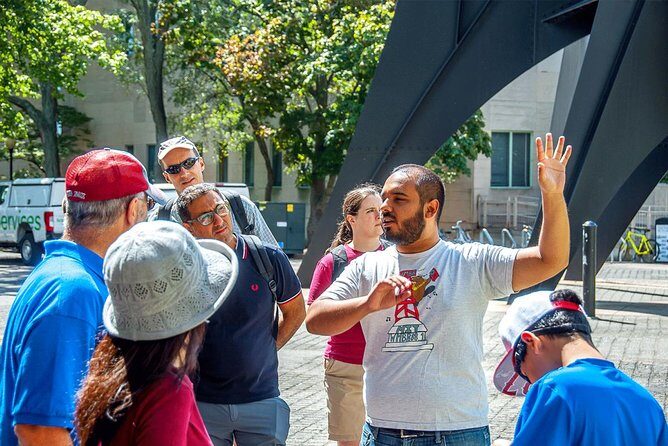
MIT isn’t sealed off from the city. That’s one of the best parts of touring here: you can see how campus life interacts with its surroundings. The tour includes a stop near the Charles River, which separates Boston and Cambridge and offers views that change your perspective fast.
This is a welcome breather in the middle of a campus-heavy walk. It gives you a sense of scale. You’re not just visiting a bubble; you’re in the middle of a major metro area where innovation is happening outside the gates too.
If you’re doing a longer trip, this river moment also helps you connect MIT to the rest of your day. The view acts like a mental reset before you dive back into buildings and campus traditions.
You can also read our reviews of more guided tours in Cambridge






MIT Culture and “Hacks”: The Tradition Behind the Myth
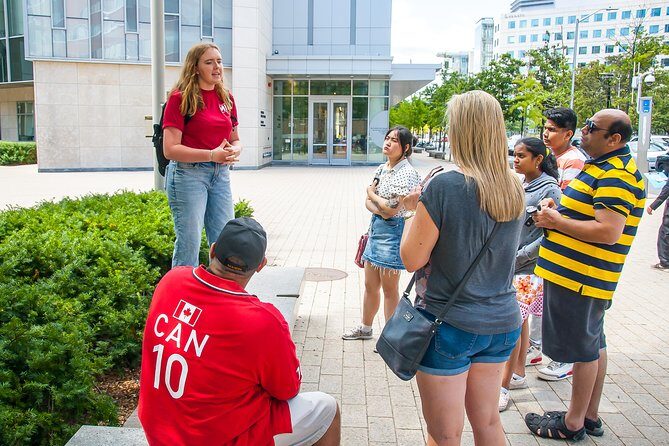
MIT has a reputation for being intense, but it’s not only about academics. You’ll learn about campus culture, including the older tradition of pranks called hacks.
I like this angle because it puts the school’s character into everyday human behavior. It’s one thing to say MIT is unique. It’s another to hear the story behind the “why” that made those traditions take hold. When a student guide explains it, it feels less like folklore and more like a window into student life—how people bond, how they push boundaries, and how humor fits into serious work.
This is also a great place for questions. If you’re wondering what the student vibe is like—socially, culturally, emotionally—this tradition topic often leads into the bigger picture.
Inside Buildings and Classrooms: Why the Access Matters
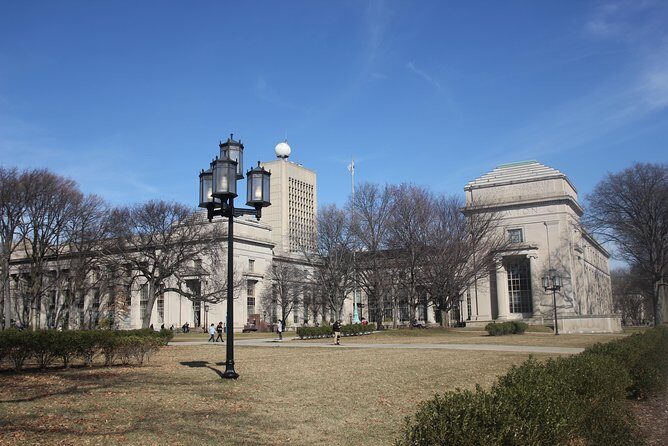
One of the strongest reasons this tour earns high marks is the access component. Multiple guides and tour moments include getting inside MIT buildings and seeing spaces like labs and classrooms when possible.
That makes a huge difference. Looking at a campus from outside teaches you style. Going inside teaches you function. You get a feel for what kinds of rooms people actually use and how the campus supports research and teaching.
I’d treat this part as the main “value driver.” If you’re choosing between tours in the Boston area, this is the one that tends to feel real quickly—because you’re stepping into the place rather than only circling it.
Still, keep your expectations flexible. Access can depend on what’s happening on campus during your time window. If you get inside, consider it a bonus; if you don’t enter every space, the tour still works as an orientation.
Price and What You Really Get for $22
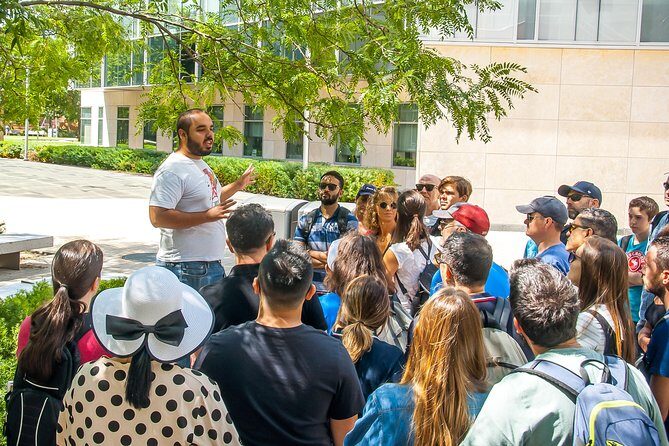
At $22 per person for about 70 minutes of guided walking, this tour is fairly priced if what you want is a focused introduction. You’re paying for three things: a student-led interpretation, a route that targets MIT’s recognizable landmarks, and the chance to see inside select buildings.
You’re not paying extra for transportation because you’re walking a compact loop around Kendall Square. You’re also not trying to decode a massive campus by yourself. The guide’s job is to compress a lot of context into a short time—so you don’t waste your first MIT hour guessing what everything means.
There are also discounts available for kids and seniors, which can make it a better family value. And because it ends near the MIT COOP, it’s easy to turn your interest into something tangible at the end.
If you’re a minimalist traveler who hates organized groups, it may feel like less of a deal. But if you want an efficient orientation, the price-to-time ratio works.
Timing, Group Size, and Hearing the Guide
This is a walking tour, so schedule matters. It’s offered in multiple times, and you book ahead with a mobile ticket. Confirmation comes at booking, and you’ll want to arrive with time to gather.
The real variable is sound. Campus rules prevent microphones, so when the group grows, it can get harder to hear every sentence. Some tours may feel intimate, and others may feel more crowded—so choose your spot wisely. If you can, aim for earlier departures when the group is less likely to be packed shoulder-to-shoulder.
Also remember: even with an under-1-mile route, MIT tours can feel warm if you’re outdoors for long stretches. Bring water and plan for weather. You’ll have a better experience if you’re not thinking about your thirst mid-story.
Where It Ends: MIT COOP and the Easy Souvenir Moment
You’ll finish at the MIT COOP, which is described as the best place for souvenirs. That matters more than it sounds. Instead of trying to remember where to buy something after the tour, you wrap up with the one-stop shop that fits the theme perfectly.
Even if you’re not a souvenir person, the ending stop is useful because it reinforces what you just learned. The campus identity shows up in the merchandise, the design style, and the overall student culture vibe.
You’ll still want to plan your spending on your own—souvenirs aren’t included. But the setup is convenient.
Should You Book This MIT Guided Walking Tour?
Book it if you want a short, high-signal introduction to MIT with a student guide, landmark stops, and occasional inside access. It’s a good fit for prospective students, families, and adult visitors who want the real campus feel without committing to a longer day.
Skip or go with extra caution if you’re hard of hearing or you get frustrated when you can’t hear clearly. The no-microphone rule means you’ll want to stay close to the guide, especially if the group ends up larger.
If you’re choosing what to do in Cambridge during a tech-focused visit, this tour is a practical way to connect the dots quickly: Kendall Square energy, iconic campus spaces, Charles River context, and student culture stories like hacks.
FAQ
Where does the MIT campus walking tour start?
The tour starts at the Marriott Hotel, 255 Main St, Cambridge, MA 02142, USA.
How long is the tour?
It runs about 1 hour 10 minutes (with a historic walking tour time of about 70 minutes).
What will I see on the route?
You’ll pass key MIT landmarks and areas such as the Great Dome, the Infinite Corridor, the Stata Center, plus Kendall Square and views near the Charles River.
Is it mostly outside or do we go into buildings?
The tour includes seeing top sites and includes time at locations where you can get an inside view of campus buildings (the exact amount of access can vary).
What should I bring and wear?
Wear comfortable shoes. The route is less than 1 mile, but you’ll still be walking for about an hour. Bring water if it’s hot.
Can I cancel for a refund?
Yes. You can cancel up to 24 hours in advance for a full refund. If you cancel less than 24 hours before the start time, the amount paid will not be refunded.