REVIEW · CAMBRIDGE
The Original Uncomfortable Cambridge™ Tour
Book on Viator →Operated by Uncomfortable Cambridge Tours · Bookable on Viator
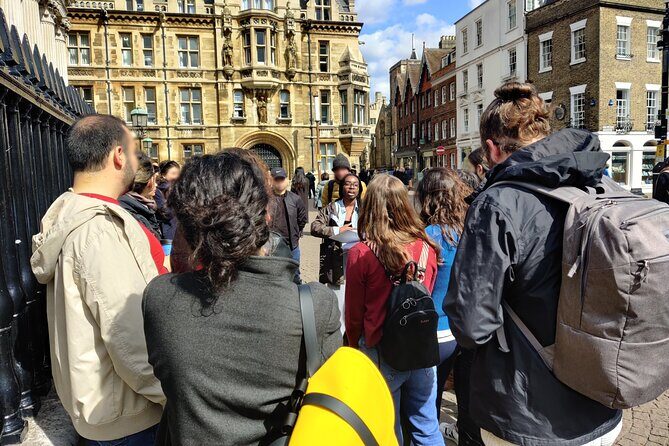
Cambridge looks different when you walk with a student. That’s the main draw of the Original Uncomfortable Cambridge™ Tour: a Cambridge University student guide leads a compact loop through famous college corners, but the commentary aims at the stuff tourists often skip. I love how it mixes recognizable landmarks with short, thought-provoking stories that push you to look twice at the city’s power, privilege, and change.
Two things I like most are the way the tour stays interactive (you’re not just hearing a lecture) and the focus on multiple angles of university life, from women’s progress to community histories. The one consideration: this is a walking tour and it’s not recommended if you have difficulty walking, so wear shoes with real grip and plan for some steady pace.
In This Review
- Key things you’ll notice on this tour
- A student-led Cambridge tour that doesn’t play it safe
- Price and what you actually get for $27.56
- The route: from King’s College through the city’s biggest debates
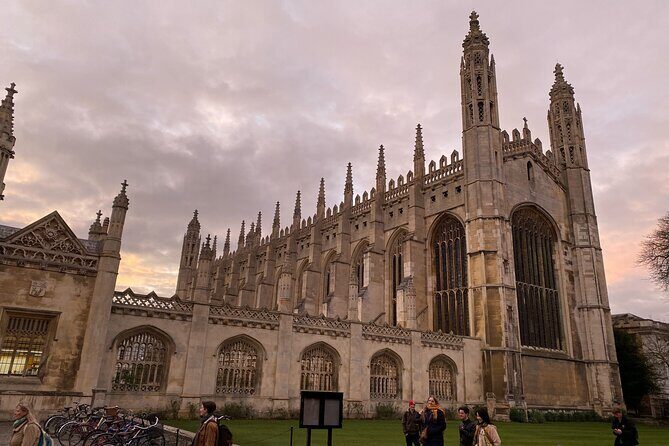
- Stop 1: King’s College (first meeting point for the story)
- Stop 2: Great St Mary’s Church (medieval tension: city vs. university)
- Stop 3: Trinity Hall (problematic donations and power)
- Stop 4: The Backs (English Civil War and Cromwell’s legacy)
- Stop 5: Darwin College (women’s fight for full membership)
- Stop 6: Queens’ College (Black students at Cambridge)
- Stop 7: St Catharine’s College (enslavement, repatriation, and controversy)
- Stop 8: King’s College (LGBTQIA+ histories and memory)
- Why this tour feels different: the “thought-provoking” delivery style
- What you’ll learn (without a textbook vibe)
- Group size, timing, and pace: how to enjoy it without rushing
- Tickets, entrances, and what to do about admissions not included
- Who this tour is best for
- Before you go: simple prep that makes the tour better
- Should you book the Original Uncomfortable Cambridge™ Tour?
- FAQ
- How long is the Original Uncomfortable Cambridge™ Tour?
- How much does the tour cost?
- How many people are in the group?
- Is the tour offered in English?
- What does the tour include?
- Are admissions to college stops included?
- Is Great St Mary’s Church admission included?
- Where does the tour start and end?
- Is the tour dependent on weather?
- What’s the cancellation policy?
Key things you’ll notice on this tour
- Capped at 15 people for a small-group feel that makes Q&A and back-and-forth easier
- Student guides like Shubham and Malak bring an opinionated, lively rhythm, often in short bursts
- College-heavy route: you’ll see major sites while discussing uncomfortable topics tied to the university
- Free church stop at Great St Mary’s Church, while several college admissions are not included
- A theme shift by stop: medieval tensions, civil war legacy, women’s membership, Black student history, and more
A student-led Cambridge tour that doesn’t play it safe
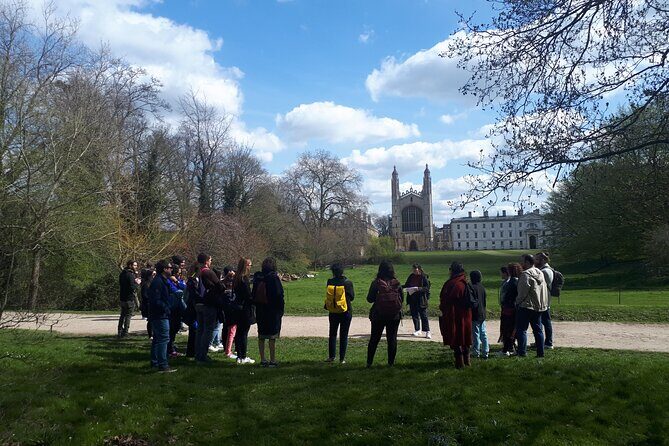
This tour is built on a simple idea: Cambridge is not only spires and prestige. The Original Uncomfortable Cambridge™ Tour uses a small group and a student guide to connect major sites to the issues those institutions have wrestled with. Instead of “Here’s what you should admire,” you get “Here’s what has been contested, changed, or kept quiet.”
The best part is the pacing. The tour keeps commentary in manageable chunks, which means you’re more likely to stay switched on—especially when the topics get sensitive or complicated. It also makes the stories feel current, not like museum labels.
And yes, you will still get those classic Cambridge visuals. You’re walking through the same area that brings first-timers to college architecture—just with a different lens.
You can also read our reviews of more tours and experiences in Cambridge.


Price and what you actually get for $27.56
At $27.56 per person for about 1 hour 30 minutes, the value comes less from “lots of admissions included” and more from the guide time and the tight route through important spots. You’re paying for context, not just access.
What’s included is a Cambridge University Student Guide and the tour is offered in English. You’ll also have a mobile ticket.
What’s not included is admission to several of the colleges on the route, including Trinity Hall, Queens’ College, St Catharine’s College, and King’s College. Great St Mary’s Church is free for your stop there, so you’ll have at least one no-cost interior moment (time permitting, based on what the tour covers on the day).
So if you want a tour where the main value is guided interpretation—paired with a few exterior college views—this price is reasonable. If you’re hoping everything is ticketed and fully inside, budget extra for any college admission fees you decide to pay.
The route: from King’s College through the city’s biggest debates
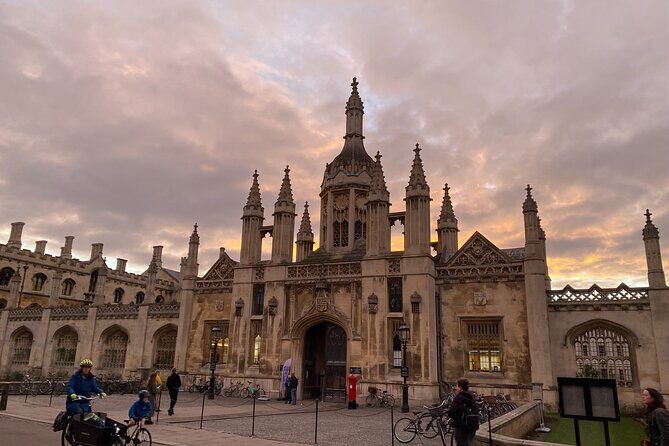
You start at the Cambridge Tourist Information Centre at The Guildhall, 11 Peas Hill, Cambridge CB2 3PP. The walk ends around King’s Parade, Cambridge CB2, and the tour loops back to King’s College for the closing theme. It’s designed as a compact circuit, with specific stops and short on-site segments, so you keep moving rather than spending the whole time parked somewhere.
Here’s what to expect at each stop and why it matters.
Stop 1: King’s College (first meeting point for the story)
The tour begins at King’s College, where you meet your student guide. This is a classic Cambridge landmark—and using it as the starting point matters, because it frames everything that comes next. You’re not just seeing a famous place; you’re being primed to question what fame hides.
Practical tip: King’s College can be busy. Arrive a minute early and keep your phone charged in case your mobile ticket needs a scan or confirmation.
Stop 2: Great St Mary’s Church (medieval tension: city vs. university)
Next up is Great St Mary’s Church, with a stop focused on medieval tensions between the city and the university. This works well because it reminds you Cambridge didn’t always feel harmonious and orderly. The university’s growth shaped the city, and the relationship clearly had friction.
This is also one of the few stops where admission is listed as free, so it’s a good time to get a break from thinking strictly in terms of colleges.



Stop 3: Trinity Hall (problematic donations and power)
At Trinity Hall, the guide discusses problematic donations to the university. That topic lands because it’s concrete: money and influence aren’t abstract. The guide is essentially nudging you to ask who benefited, who paid, and how institutional legitimacy gets built.
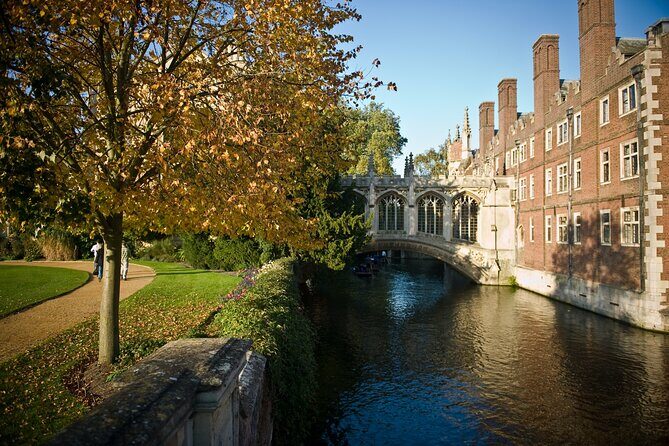
Stop 4: The Backs (English Civil War and Cromwell’s legacy)
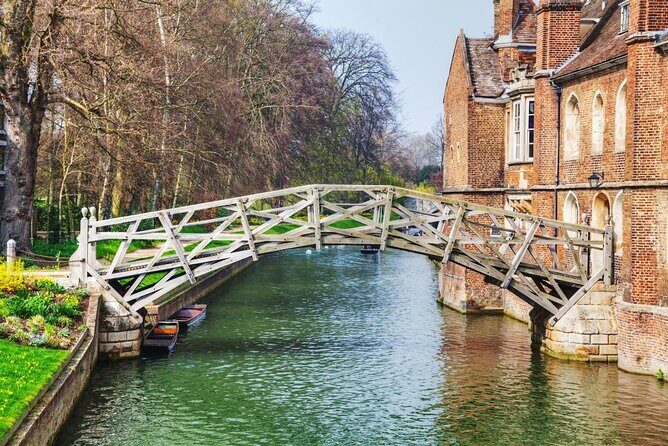
Then you move toward The Backs, where the tour connects Cambridge’s landscape to the English Civil War and Oliver Cromwell’s legacy. Even if you know Cromwell’s name, you’ll likely enjoy the way the guide ties the story to place—what’s visible, what’s remembered, and what has been reinterpreted over time.
This stop is also a good sensory change: you’ll feel the classic riverfront Cambridge vibe while hearing a political story that’s anything but polite.
Stop 5: Darwin College (women’s fight for full membership)
At Darwin College, the tour reviews how women worked to become full members of the university. This section is valuable because it shifts the lens from politics and money to membership and access. It also makes it easier to connect historical steps to what students can or can’t do today.
Stop 6: Queens’ College (Black students at Cambridge)
Next is Queens’ College, with a stop focused on the history of Black students at Cambridge University. The tour doesn’t treat this as a side note. It frames it as an essential part of Cambridge’s real story, not a modern add-on.
Stop 7: St Catharine’s College (enslavement, repatriation, and controversy)
At St Catharine’s College, the guide tackles controversies over histories of enslavement and object repatriation. This is the kind of topic that often gets simplified, so the tour’s value is in the “uncomfortable” framing—where you’re asked to sit with ambiguity and responsibility instead of getting a neat moral.
If you’re sensitive to heavy subjects, this is the portion where it’s easiest to see why the tour is named Uncomfortable. In a way, that’s the point: Cambridge has uncomfortable records.
Stop 8: King’s College (LGBTQIA+ histories and memory)
The tour finishes back where it started—King’s College—with LGBTQIA+ histories and memory. This closing theme ties the loop together. The message you carry out isn’t just “Cambridge has achievements.” It’s “Cambridge has lived experience, conflict, and changes in recognition.”
For me, the strongest part of the ending is that it connects memory to the physical environment you’ve been walking through. Place becomes evidence, not wallpaper.
Why this tour feels different: the “thought-provoking” delivery style
From the people who rate it highly, a clear pattern shows up: guides keep things engaging, questioning, and fun. You might find the structure “short bursts” especially effective because it prevents fatigue. Rather than one long talk, you get repeated mini-lessons tied to each location.
That approach also keeps you active. You’re not just collecting facts—you’re responding to them, even if it’s quietly. If you like tours where your brain stays switched on, this style fits.
Also, the route covers several kinds of “history” in one loop: civic tension, political upheaval, gender access, racial representation, and institutional responsibility. It doesn’t try to cover everything. It chooses specific threads and then makes those threads tangible by matching them to particular sites.
What you’ll learn (without a textbook vibe)
You won’t leave with a list of names only. You’ll leave with a way of looking.
This tour helps you notice how universities work:
- Institutions are built through relationships—between city and university, donors and power, and members and access.
- Stories get remembered and retold unevenly, which affects what feels “official.”
- Changes in membership and recognition (women, Black students, LGBTQIA+ histories) are part of the university’s evolution, not separate from it.
And because it’s student-led, the tone tends to feel less like a monologue. You can ask questions and get answers that sound grounded in actual study and lived campus perspectives.
Group size, timing, and pace: how to enjoy it without rushing
With a cap of 15 travelers, the tour is small enough that it doesn’t feel like an airport shuttle with walking instructions. You’ll still be on your feet for the whole loop, but the size makes it easier to keep up and easier for the guide to notice when people have questions.
The tour runs about 1 hour 30 minutes total, with stop times ranging around 10 to 20 minutes each. That means you’re not lingering forever at any one spot, which is ideal if you want a taste that still covers a lot of ground.
Weather is a factor, too. The experience states it requires good weather, and if it’s canceled due to poor weather, you’ll get a different date or a full refund. Plan for layers even in Cambridge—cool wind and sudden showers happen.
Tickets, entrances, and what to do about admissions not included
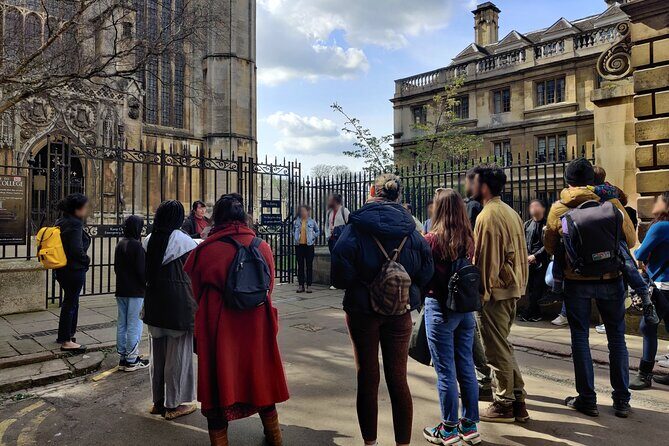
Several college admissions are not included, including King’s College at your first stop. That doesn’t mean you see nothing—most tour stops are about interpretation at or near key spots.
Still, you’ll want to decide your strategy:
- If you’re mainly there for the guided story, you can stick to the stops without paying extra admissions.
- If you want to add indoor exploring, you’ll likely need to pay separate admission where required.
The tour includes Great St Mary’s Church at no cost, which helps balance the “pay to enter” parts elsewhere. It’s smart to treat this tour as your guided “map of ideas,” then use any leftover time after to explore where you want more.
Who this tour is best for
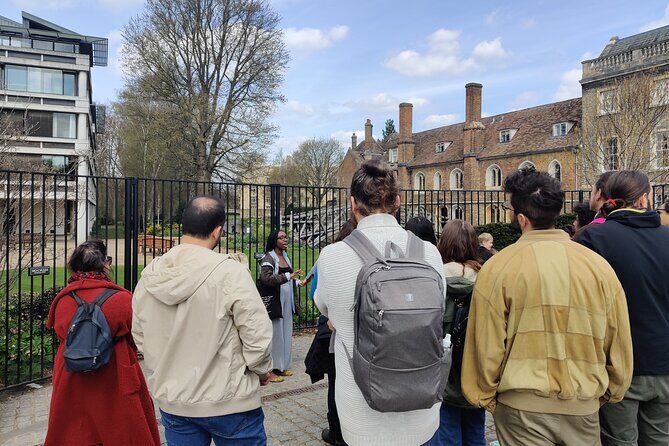
This is a strong match if you:
- Want a Cambridge University-flavored walking tour but with tougher, less-polished themes
- Like student-guided explanations that feel lively, not scripted
- Enjoy short segments and interactive Q&A more than long museum-style narration
- Are comfortable with topics involving controversy and historical injustice
It may be less ideal if:
- You have difficulty walking (the tour explicitly isn’t recommended for that)
- You want a purely scenic, lighthearted overview only
- You expect every stop to include paid entries or museum access
Before you go: simple prep that makes the tour better
Bring comfortable shoes. The route is short but the walking adds up, and you’ll want stable footing by water and around campus streets. Dress for variable weather, because the tour runs only when conditions are decent.
Also, keep expectations realistic about admissions. Several major college entrances are not included, so decide in advance whether you want to pay extra on the day or focus on the exterior viewing and commentary.
If you like meeting guides who can explain Cambridge in a personal way, the tour’s student format is exactly what you’re looking for. You might even get a guide like Shubham or Malak, both named in top-rated experiences.
Should you book the Original Uncomfortable Cambridge™ Tour?
I think you should book it if you want Cambridge that feels honest. This tour isn’t trying to be mean or sensational. It’s more like a spotlight on the parts of university history that require adult conversation: funding, inequality, membership, representation, and memory.
It’s also great value for the time: for just 90 minutes, you cover a lot of major sites while hearing a cohesive set of themes—civic tension, civil war legacy, women’s progress, Black student history, enslavement and repatriation controversies, and LGBTQIA+ histories.
Skip it if you’re only chasing the classic postcard version and prefer gentle storytelling, or if walking is hard for you.
FAQ
How long is the Original Uncomfortable Cambridge™ Tour?
It lasts about 1 hour 30 minutes.
How much does the tour cost?
The price is $27.56 per person.
How many people are in the group?
The tour is capped at a maximum of 15 travelers.
Is the tour offered in English?
Yes, it’s offered in English.
What does the tour include?
It includes a Cambridge University student guide.
Are admissions to college stops included?
No. Admission is not included for several colleges on the route, including King’s College (at the first stop) plus Trinity Hall, Queens’ College, St Catharine’s College, and others listed as not included.
Is Great St Mary’s Church admission included?
Yes. The Great St Mary’s Church stop is listed as free.
Where does the tour start and end?
It starts at the Cambridge Tourist Information Centre, The Guildhall, 11 Peas Hill, Cambridge CB2 3PP, and ends at King’s Parade, Cambridge CB2.
Is the tour dependent on weather?
Yes. It requires good weather, and if it’s canceled due to poor weather, you’ll be offered a different date or a full refund.
What’s the cancellation policy?
You can cancel for free up to 24 hours in advance for a full refund. If you cancel less than 24 hours before the start time, the amount paid is not refunded.