REVIEW · LONDON
Explore Biblical Artifacts at the British Museum
Book on Viator →Bookable on Viator
One sentence hook: The Bible starts feeling real here.
This half-day British Museum tour turns big stone galleries into a story you can follow, with Scripture connections woven into what you see across Assyrian, Egyptian, Greek, and Roman rooms. You’ll spend about 3 to 4 hours focused on biblical people and events, using a Google Doc study handout plus help setting up a Bible app you can use even offline.
What I like most is the way it gives you real context, not just facts. You get David’s “timeline in your head” approach (he’ll connect names like Joseph, Moses, Jonah, and Paul to the objects around you), and you also get practical support so you can actually use the material—like folding-stool options at the museum for comfort and the tour’s study notes you can keep afterward.
One possible drawback: it’s still a museum visit, so you’ll be on your feet for a few hours in public spaces, and some people may feel it more in warmer galleries. If you’ve just landed from a long flight, this may be a tough schedule.
In This Review
- Key highlights you can plan your day around
- Entering the British Museum with a biblical lens
- Meeting David and getting your Bible-ready setup
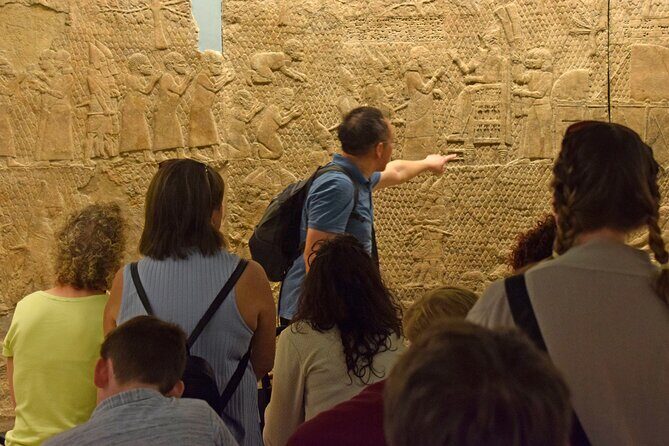
- Ground-floor start: Assyrian, Egyptian, and Greek galleries
- Assyrian room: scale you can’t ignore
- Egyptian galleries: pharaohs and the Joseph–Moses thread
- Greek galleries: Parthenon sculptures and the later connection to Paul
- After a break: the route makes sense
- Upstairs Roman galleries: Jesus, Paul, and the first-century world
- Optional Persia and Babylon stops: when time lets the story expand
- Comfort and pacing in real museum conditions
- Price and value: is $77.50 worth it?
- Who this tour fits best (and who might want a different style)
- Your best plan for the rest of the day in London
- Should you book Explore Biblical Artifacts at the British Museum?
- FAQ
- How long is the Explore Biblical Artifacts tour?
- Where does the tour start?
- Is the tour in English?
- What’s the group size limit?
- What Bible-study support do I get?
- Do I need internet to use the Bible on my phone?
- Are there places to sit during the tour?
- Is there museum admission cost included?
- Is this tour suitable if I just arrived from a long flight?
- What is the cancellation policy?
Key highlights you can plan your day around
- Small group size (max 10) makes it easier to ask questions and keep your bearings
- David’s biblical timeline approach connects Scripture to specific museum objects
- Google Doc study notes plus a Bible app option for airplane-mode reading
- Assyrian lamassu beasts (40-ton scale) and other iconic works, up close through guided context
- Roman galleries linked to Jesus and Paul, with objects that match the New Testament world
- Folding stools available at the museum, so standing isn’t the whole experience
Entering the British Museum with a biblical lens
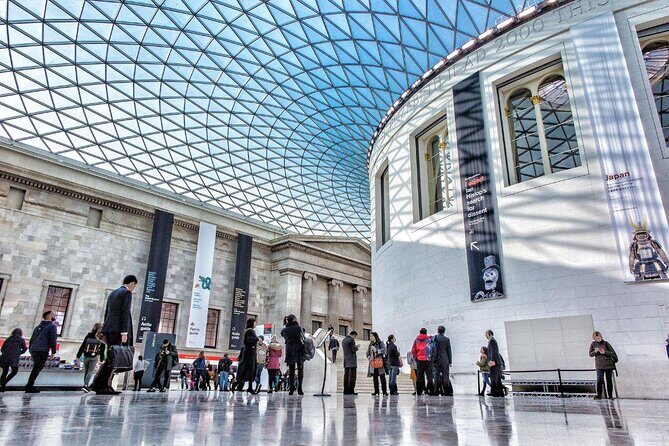
The British Museum is huge. Without a plan, it can turn into aimless wandering and lots of “cool…next room?” energy. This tour gives you a route and a purpose, so you’re not just looking at artifacts—you’re learning how different empires interacted with the people and themes that show up in the Bible.
I like that the focus stays anchored in human stories: rulers, cities, conflicts, and cultural touchpoints. That matters because the Bible can feel like names on a page until you see the physical world those names belonged to. Here, you’re pairing the text with what the British Museum preserves: large sculpture, carved monuments, and Roman-era material tied to the first-century Mediterranean.
You’re also not locked into one narrow track. The tour starts on the ground floor and then moves up, with optional add-ons if time and your interests line up.
You can also read our reviews of more museum experiences in London


Meeting David and getting your Bible-ready setup
This experience is built around making it easy to follow along. You’re not handed a pile of reading and left to figure out how it fits. Instead, you get pre-study through a Google Doc full of study notes and related Bible verses. That’s a big deal for visitors who want to feel prepared without doing hours of homework.
A second smart tool is the Bible app workflow. The tour encourages using a Bible app that works without internet (YouVersion is a solid example), so you can look up passages while you’re in the galleries. If you prefer airplane mode, this reduces stress. You can focus on what you’re seeing rather than hunting for Wi‑Fi.
One thing that popped up in multiple accounts: David helps people get the app working right before you start fully moving through the museum. That’s practical. It means you’re not watching the tour while your phone stares back at you with a loading screen.
Ground-floor start: Assyrian, Egyptian, and Greek galleries
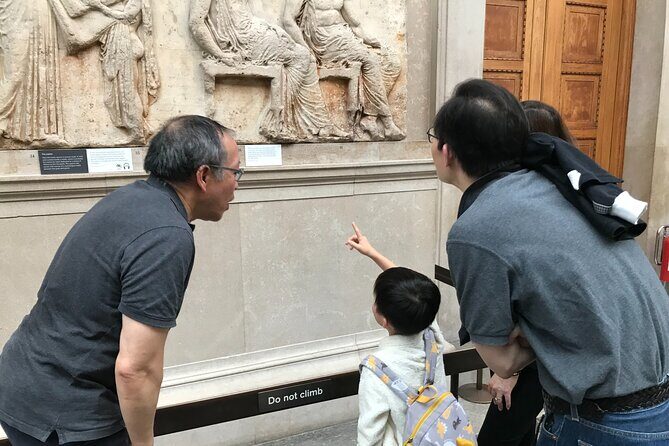
You begin on the ground floor with a run that helps you understand the “older world” behind many biblical references. This is where the tour’s storytelling really gets traction, because you’re seeing empires with their own political style, art, and messaging.
Assyrian room: scale you can’t ignore
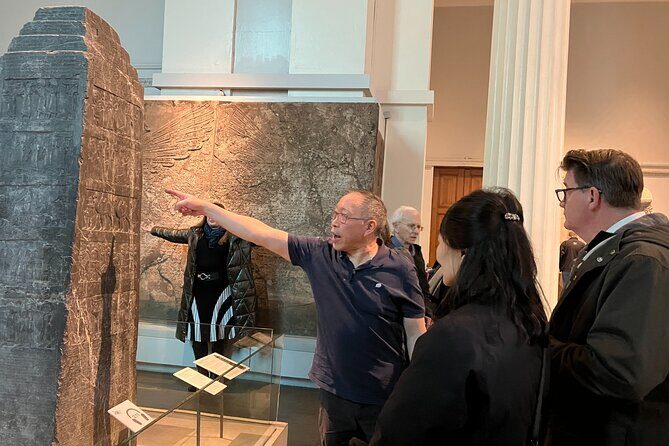
The highlight here is the 40-ton Assyrian lamassu beasts. Even if you’ve seen photos, seeing them in person lands differently. They’re not decorative; they’re symbolic guardians tied to royal power and city protection. David’s take is that this kind of imagery helps you picture what the ancient Near East looked like when the Bible was taking shape in that world.
You’ll also get biblical connections anchored to Assyrian-era references, including people and themes that show up across stories like Jonah and the reigns associated with Ahab and Hezekiah. The point isn’t to force a one-to-one match for every detail. It’s to help you track the flow of history and understand why these cultures mattered in the biblical narrative.
Egyptian galleries: pharaohs and the Joseph–Moses thread
Next comes the Egypt storyline. You’ll see statues of famous pharaohs, and David uses them to bring the background into view for biblical figures such as Joseph and Moses. Egypt can feel abstract when you only read it in Bible passages; seeing the art and monumental scale helps it stop being a distant backdrop.
If you like grounding concepts in physical artifacts, Egypt is a strong match here. The tour doesn’t treat Egypt as a footnote—it ties the setting to how ancient people expressed authority and identity.






Greek galleries: Parthenon sculptures and the later connection to Paul
You also visit the Greek section, including Parthenon temple sculptures of Athens. This is a key transition because it sets you up for thinking about the world Paul moved through later. It’s a different style of art and public life than what you saw in Assyria and Egypt, which is helpful for understanding why the cultural setting matters.
David’s approach ties the Greek context back to the Bible’s later storyline, including Paul in the Greek thread. If you’ve ever wondered how the Bible travels across cultures, this is where it becomes visible.
After a break: the route makes sense
After the initial ground-floor sequence, you take a break and reset before going upstairs. That matters because your brain will want time to connect names to rooms without rushing.
Upstairs Roman galleries: Jesus, Paul, and the first-century world
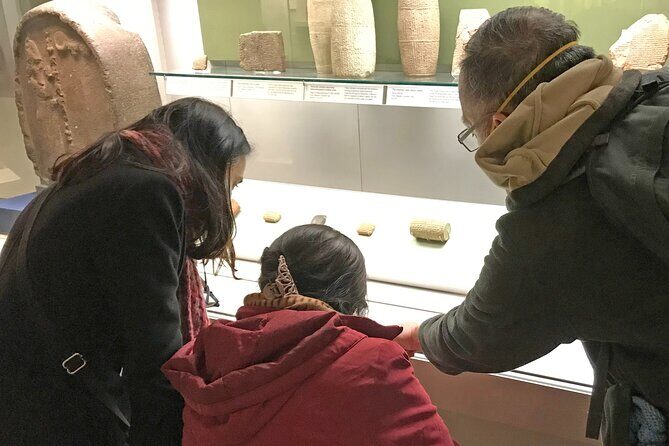
Roman galleries are where the tour becomes especially meaningful if you care about the New Testament setting. The Roman rooms help you understand the political and cultural atmosphere that surrounded Jesus and Paul.
You’ll look at Roman emperors and objects that connect directly to stories about Jesus and Paul. The tour also keeps the conversation linked to biblical characters, not just Roman art for Roman art’s sake.
A few practical benefits here:
- You’re moving from earlier empires into the closer historical neighborhood of the New Testament.
- You get to see how Roman rule expressed itself through objects that traveled and persisted.
- You start noticing repeated themes—authority, public messaging, and power—showing up in different forms across centuries.
One detail that showed up in accounts: Roman-era items like coins can help connect faces and names to the era. That small shift—when you go from “a leader mentioned once” to “here’s the material culture”—often makes the stories feel less vague.
Optional Persia and Babylon stops: when time lets the story expand
The tour includes optional galleries for Persia and Babylon as time allows. This is a thoughtful feature because it lets you steer the experience toward your interests.
If your Bible reading includes lots of Old Testament periods tied to exile, return, and shifting empires, these sections can feel like extra chapters. Even when you don’t go all the way into every related theme, seeing the broader imperial landscape helps you interpret why the biblical narrative changes tone in certain historical moments.
One review highlight you might care about: follow-up material included extra clarification, including a video link connected to the use of a Persian king’s rhyton for pouring wine. That’s the kind of detail that turns “ancient objects” into “ancient practices.”
Comfort and pacing in real museum conditions
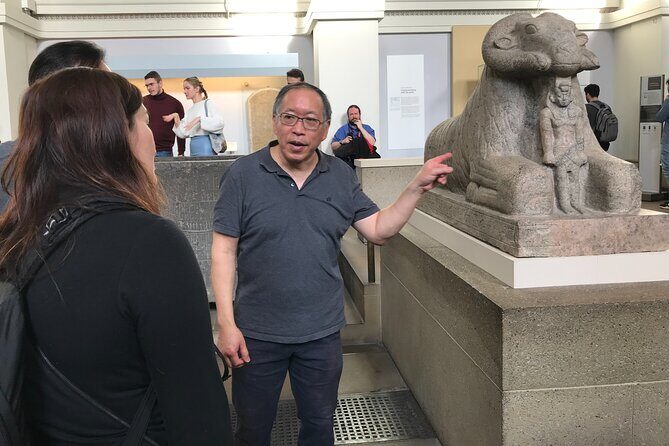
This is a half-day plan, but half-day in a museum can still mean a lot of standing. The good news is that the tour account includes a practical solution: folding stools are available at the museum if you want to take one with you during the tour.
Also pay attention to weather and room temperature. One account mentioned warm conditions affecting comfort for teens. That’s not a reason to skip—just a reminder to bring what helps you: water, a light layer you can remove, and shoes that won’t punish you after a few hours.
Pacing is another factor. Most descriptions point to about 3 hours, but smaller groups have stretched the experience closer to 4 to 5 hours, which can be great if you love questions and extra context. If you’re on a tight schedule, check that your day can flex a bit.
Finally, there’s a note that this isn’t recommended for people who have just landed and are dealing with jet lag. If you’re fresh off a long haul, consider a slower day with lighter walking.
Price and value: is $77.50 worth it?
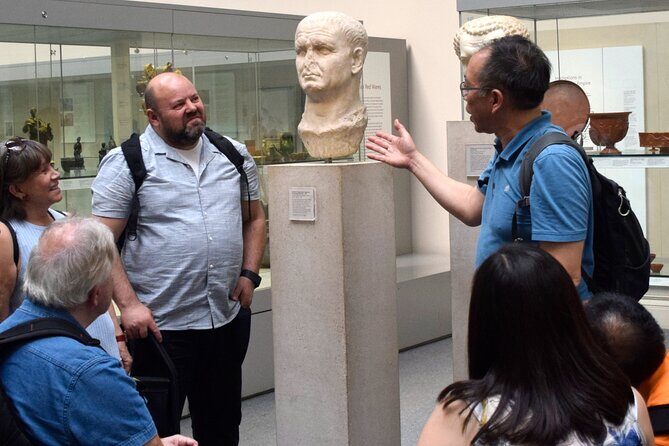
Let’s talk money in plain terms. $77.50 per person is not a throwaway add-on. But it can make sense because you’re paying for:
- a guided route through complex galleries
- guided connections between Scripture and specific objects
- pre-study notes via Google Doc
- offline-friendly Bible app use help
- a small group setting (max 10)
The value calculation gets better if you’re the kind of visitor who wants to leave with understanding, not just photos. If you like piecing together timelines—especially across Assyrian, Babylonian/Persian contexts, Greek worlds, and then the Roman period—this tour does that work for you.
If you’re hoping for a casual stroll with minimal thinking, you might feel the cost more than the benefit. But if you want the museum to connect to your Bible study (or to challenge your understanding in a thoughtful way), this is the kind of paid guide that can turn a pricey attraction into a worthwhile learning session.
Who this tour fits best (and who might want a different style)
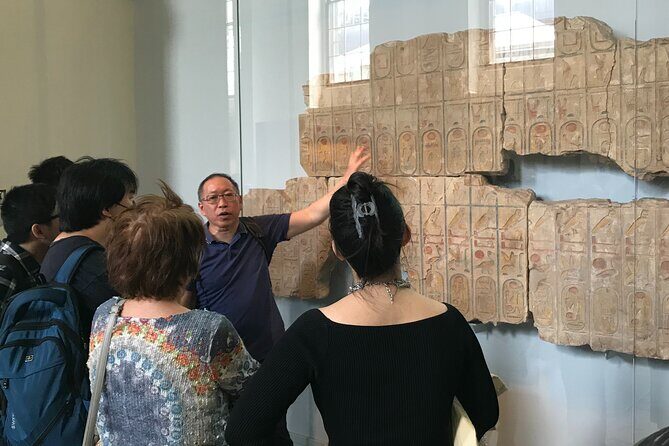
This works best for you if:
- You want biblical artifacts with direct Scripture connections and a guided timeline.
- You enjoy asking questions and getting answers in the moment.
- You like using notes and apps to follow along without needing internet.
- You’re planning a first-time British Museum visit and don’t want to guess what matters.
It may be less ideal if:
- You hate standing for extended periods, even with the option of a folding stool.
- You’ve got very limited time and can’t flex if the group takes a slower, deeper route.
- You’re arriving in London exhausted after a long flight.
For families, it can still be a hit, but pay attention to comfort and temperature. One account noted warmth issues for teens, and some older children engaged well. If you’re traveling with kids, it’s smart to bring snacks and plan a longer rest window after.
Your best plan for the rest of the day in London
The tour is designed so you can treat it as a strong start (or pivot) to the rest of your London day. Plan on a half-day window, then use the remaining hours to explore at your own pace—nearby neighborhoods, coffee, or another museum you can browse without a guided structure.
Here’s the key: don’t overload your schedule immediately after. Even when the tour feels fast, you’ll likely want a breather. The goal is to carry the new context with you, not to stack more walking before your brain fully absorbs it.
Should you book Explore Biblical Artifacts at the British Museum?
Book it if you want the British Museum to function like a map for Bible study—one that connects ancient empires to biblical names, themes, and settings. The strongest reasons are the guided timeline, the usable study prep (Google Doc + Bible app that can run offline), and the fact that the tour uses the museum’s biggest objects—like the 40-ton lamassu—as real anchors for understanding.
Skip or reconsider if standing for 3–4 hours in public galleries is a problem for you, or if you’re arriving jet-lagged and need a lighter day.
If you’re on the fence, this is where I’d land: for $77.50, you’re buying clarity and direction inside a huge museum. That’s a rare kind of value in London, where self-guided visits can be hit-or-miss.
FAQ
How long is the Explore Biblical Artifacts tour?
It runs about 3 to 4 hours.
Where does the tour start?
It starts at the British Museum, Great Russell St, London WC1B 3DG, UK.
Is the tour in English?
Yes, it’s offered in English.
What’s the group size limit?
The maximum group size is 10 travelers.
What Bible-study support do I get?
You receive a Google Doc with study notes and related Bible verses.
Do I need internet to use the Bible on my phone?
The tour recommends using a Bible app that works in airplane mode. YouVersion is mentioned as a good option.
Are there places to sit during the tour?
Folding stools are available at the museum if you choose to take one along.
Is there museum admission cost included?
The tour notes that admission ticket is free.
Is this tour suitable if I just arrived from a long flight?
It’s not recommended for travelers who are jet-lagged after a long haul flight.
What is the cancellation policy?
You can cancel for a full refund if you cancel up to 24 hours in advance. If you cancel less than 24 hours before the start time, it isn’t refunded.