REVIEW · NEWCASTLE UPON TYNE
Farne Islands Longstone Lighthouse 2-Hour Trip from Seahouses
Book on Viator →Bookable on Viator
Longstone Lighthouse is a small island with big stories.
What makes this trip special is the setup: you sail out from Seahouses, land on Longstone Island, and get commentary tied directly to the rescue legend of Grace Darling, told by the man who tends the light.
I really like two things about this experience. First, you get expert guidance that explains what you are actually seeing, not just facts read off a board. Second, the chance to see gray seals and seabirds up close from the island is built right into the timing, so the wildlife is part of the main event.
One drawback to plan for: access depends on conditions. Landings are at the boatman’s discretion after departure, and the optional inside lighthouse visit has extra entry rules and limits on who can go.
In This Review
- Key highlights worth booking for
- Seahouses to Longstone in about 2 hours: short time, real payoff
- Longstone Lighthouse and Grace Darling: why George’s keeper talk lands
- Landing on Longstone Island: 30 minutes for seals, seabirds, and a walk
- Optional inside visit to Grace Darling’s Lighthouse: what you’re really paying for
- On-the-water comfort: weather, moderate fitness, and what to bring
- Price and value: is $34.69 a fair deal for seals and keeper stories?
- Who should book this, and who should sit it out?
- My take: book it if you want keeper-led history and real wildlife time
- FAQ
- How long is the Farne Islands Longstone Lighthouse 2-hour trip?
- Where does the trip start and end?
- What’s included in the price?
- Can I go inside Grace Darling’s Lighthouse?
- Are there rules for dogs on this trip?
- Is the tour suitable for everyone?
Key highlights worth booking for
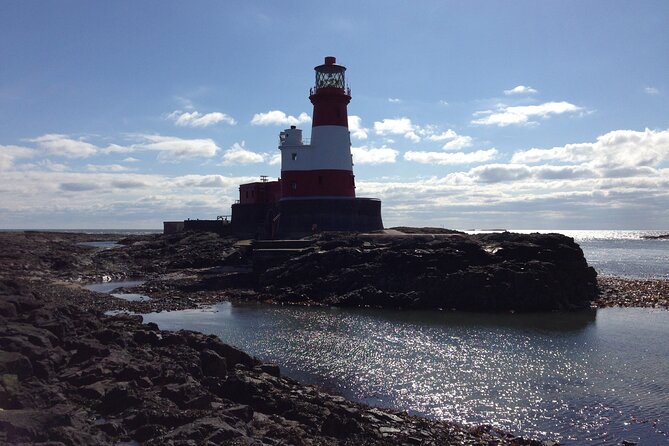
- Skipper George, Trinity House attendant, shares lighthouse life and points out what matters most on the route to the shore
- Grace Darling rescue route talk, paced for a relaxed stop on the island
- Gray seal colony and seabirds, with puffins possible in summer
- Optional lighthouse interior, with a small cash fee that goes to charity
- 30 minutes on Longstone Island for a walk around if you skip the interior visit
- Dog-friendly landing rules: only island you can land with a dog, if it’s on a lead and kept away from wildlife
Seahouses to Longstone in about 2 hours: short time, real payoff
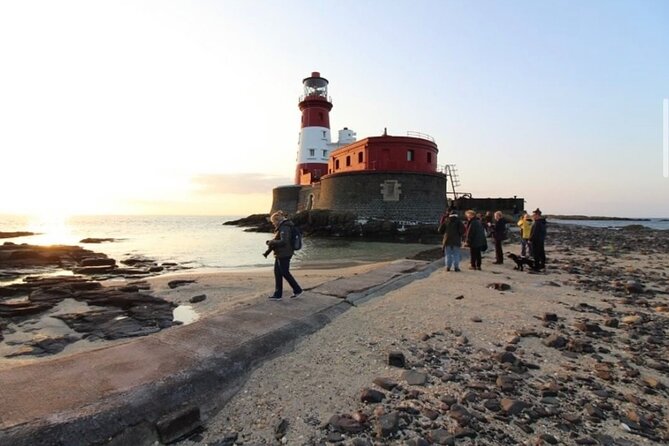
This is a tight-format boat trip, roughly 2 hours from Seahouses and back. That matters on the Farne Islands because weather can change quickly, and you do not want a half-day commitment that turns into a washout. The plan is simple: get you out to Longstone Lighthouse, land for a set window, then head back to harbor.
The group size stays capped at a maximum of 74 travelers. That is big enough to keep departures frequent, but small enough that the skipper can still run through what you’re looking at without the sound getting swallowed by chaos. Expect the boat to feel like a moving viewing platform more than a sightseeing cruise with lots of extra stops.
One practical point: bookings are typically made around 6 days in advance on average. That often means you should not leave it until the last minute, especially if you want a specific day. Not because it is always sold out, but because you are dealing with a nature setting where the schedule can shift.
You can also read our reviews of more tours and experiences in Newcastle upon Tyne.


Longstone Lighthouse and Grace Darling: why George’s keeper talk lands
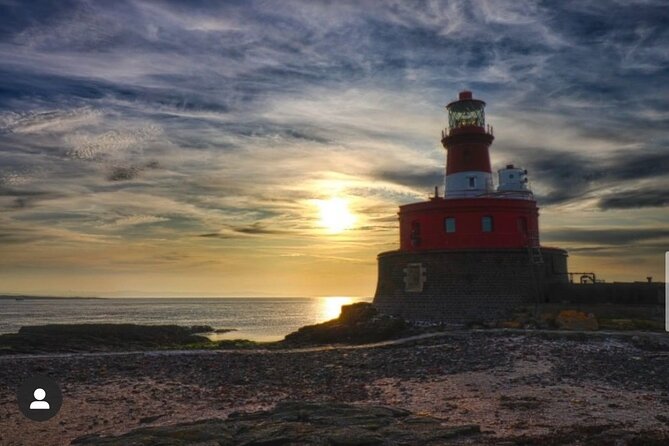
The headline here is Longstone Lighthouse, tied to the Grace Darling story. But what really improves the experience is who’s telling it. The skipper, George, is the current lighthouse attendant, described as being with Trinity House, and he guides you with a focus on how the lighthouse functions and what it meant for rescue times.
During the stop, you follow what is described as Grace Darling’s rescue route with the attendant himself. That changes the feel from generic storytelling to something more grounded. Instead of hearing a legend floating in the air, you are learning it as a route: where the danger and the sightlines mattered, and how the lighthouse’s role connected to the coast.
I also like that the access feels direct. You have exclusive access to Longstone Islands and Grace Darling’s lighthouse, which you do not usually get on standard island day tours. Exclusive access can sound like marketing, but here it affects the whole timing: it helps create a more focused visit with less waiting around.
As for views, you are not just looking at a lighthouse on a rock. You are looking out at a seabird nesting world and a marine-mammal hotspot, then getting the historic layer on top. That pairing is a big part of why this trip plays well for both wildlife fans and history fans.
Landing on Longstone Island: 30 minutes for seals, seabirds, and a walk
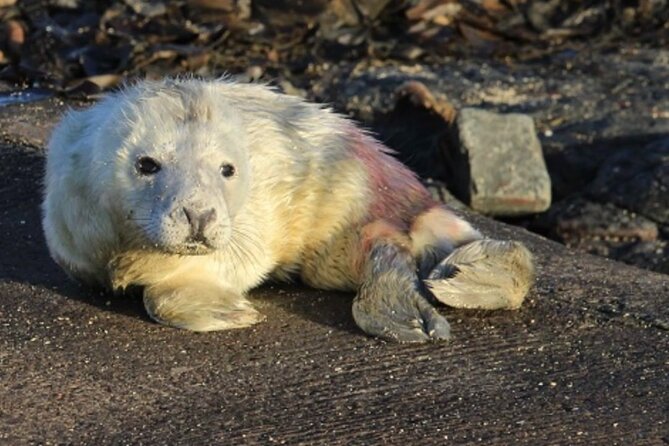
Once you are on Longstone Island, the experience is built around a single stop. You get a full tour around the island with expert commentary, so you are not stuck wandering blind. The guiding approach is designed to help you match the birds and seals to the places they nest, rest, or move.
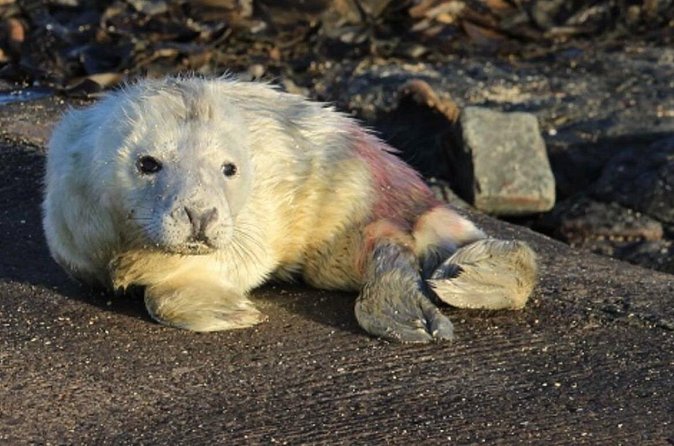
The wildlife side is a major reason people love this island. Longstone Island is home to a gray seal colony, and you also have seabirds nesting on the cliff faces. In summer, puffins can show up, which turns a gray day into a day you can still talk about later.
You usually have about 30 minutes on the island for the shoreline walk and island view time, and there’s a neat split depending on your choices. If you opt out of the optional interior lighthouse visit, you can still walk around the island while the group is inside. That means your time on land does not vanish; it just changes focus.
Dog policy is another thing I find genuinely useful to know up front. This is described as the only island where you can land with your dog, as long as the dog stays on a lead and away from wildlife. If you’re traveling with a dog and want an actual landing (not just a distant boat sighting), this is the kind of detail that can make or break your plan.
The main consideration: landings are made at the boatman’s discretion after departure. That means your timing and what you can do may adjust based on conditions. In practice, this is part of why the trip stays weather-sensitive, so you should keep your expectations flexible.
Optional inside visit to Grace Darling’s Lighthouse: what you’re really paying for
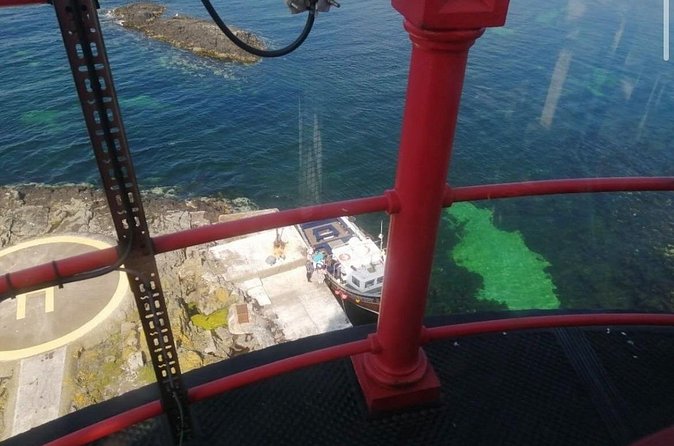
The lighthouse interior is an optional extra. If conditions allow, you can tour inside Grace Darling’s Lighthouse, with a small fee paid on entry in cash. The fee is described as going to charity.
The big value of doing the interior is context. From the outside, the lighthouse is a shape on the coast. Inside, you get a sense of lighthouse life in a more hands-on way, guided by the same attendant who is sharing the rescue route talk. That link matters because it turns the story into something practical: what it took to run the light and how that role connected to the dramatic rescue period.
There are also clear rules if you want to go in. The lighthouse tour has mobility and health considerations: you need sound mobility, and it specifically notes no breathing or heart conditions. There’s also a height rule for children, with no children under 120 cm for the lighthouse tour.
One more reality check from the experience notes: the visit is not a full climb to the top. If you’re picturing a dramatic summit view from the very highest point, plan for something else. You may still get a memorable interior look, but it is not a climb-and-stand-at-the-pinnacle kind of tour.
If the lighthouse interior sounds like more work than you want, you are not stuck. You can choose to stay outside and spend that same window walking the island with the commentary focus on cliff-side nesting, seal activity, and local quirks.
On-the-water comfort: weather, moderate fitness, and what to bring
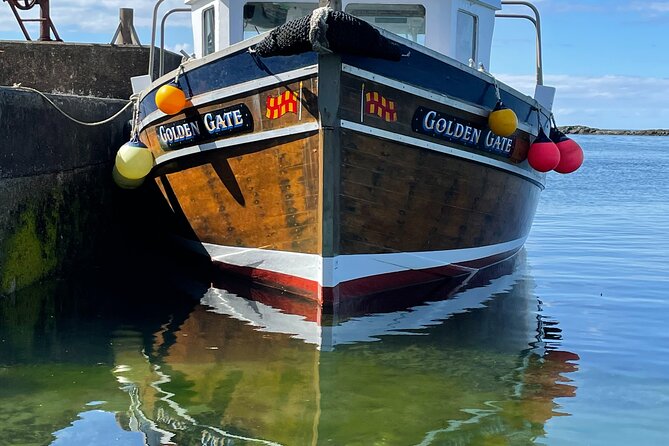
This trip runs on good weather. If weather turns, you may be offered another date or a full refund, so you’re not locked in no matter what. Still, you should assume your day might be gray, windy, and damp even when it does not feel like a storm.
The activity expects moderate physical fitness. That is not about athletic performance; it’s about being steady during the boat transfer and able to move around the island and meet the lighthouse interior requirements if you choose that option. If you’re traveling with anyone who struggles with stairs or uneven footing, the interior rules become especially relevant.
Food is simple: there’s no food or drink available on board or at the visit. You can bring your own, and I’d treat that as part of your comfort plan. Even if the stop is short, a snack and a warm drink can make the difference between tolerating wind and enjoying the day.
Pack for sea air. Layers beat one bulky coat. Bring something that blocks wind, especially if you’re hoping for photo time around the island cliffs where birds nest. If you’re prone to getting cold quickly, consider gloves and a hat.
Service animals are allowed, and that is good to see. If you’re traveling with a dog, remember the lead-and-wildlife rule; it is not just for safety, it’s to keep the animals calm and protected.



Price and value: is $34.69 a fair deal for seals and keeper stories?
At $34.69 per person for about 2 hours, this isn’t a bargain-price throwaway. It’s priced like a specialty wildlife-and-lighthouse experience, and that is exactly what it delivers if you care about interpretation and access.
Here’s what you’re paying for, beyond the boat ride:
- Full expert commentary, not just directions
- A stop at Longstone Lighthouse with exclusive access
- Time on the island for wildlife viewing and an island tour
- The chance to learn from George, the lighthouse attendant
What you’re not paying for: there’s no included meal, and the inside lighthouse visit is an extra paid entry (cash fee for charity). If you want interior access, factor that into your total budget. Also, because landings are discretion-based, you should be mentally ready for a day where conditions slightly change how the stop feels.
Still, the value is strong because the trip concentrates multiple priorities into one short window: lighthouse story, seal colony wildlife, and seabird cliff nesting. If you try to piece those together on your own, you usually lose time and end up with less interpretation. Here, the commentary and the route talk happen during the most relevant moments.
If you mainly want an easy, totally low-effort wildlife safari from the boat only, you may find it a bit more structured than you need. But if you like understanding what you’re seeing and walking onto the island, the price feels aligned with the access.
Who should book this, and who should sit it out?
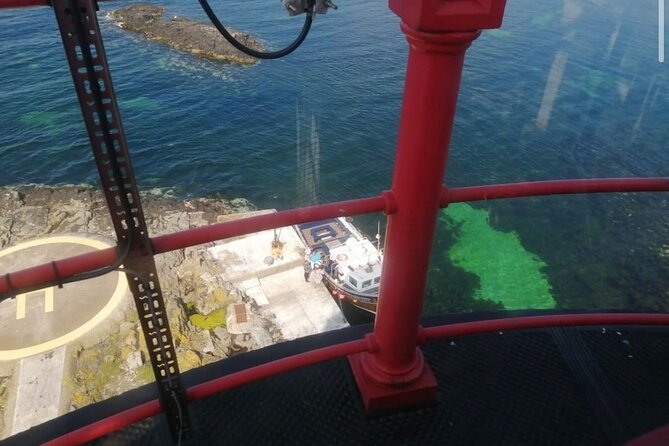
This works best for people who enjoy:
- Wildlife viewing with context (seals, cliff birds, and seasonal puffins)
- Lighthouse history tied to a real attendant’s perspective
- A short tour that doesn’t eat the whole day
It’s also a strong pick if you’re traveling with a dog and want a true island landing option, provided your dog is on a lead and you can keep it away from wildlife.
You should think twice if:
- Anyone in your group has breathing or heart conditions and wants the interior lighthouse tour (the rules are strict)
- You have very young children who don’t meet the 120 cm height requirement for lighthouse interior
- You want guaranteed top-of-lighthouse climbing views (the interior visit is not described as a full climb to the highest point)
And one more practical note: it’s a moderate fitness activity. That means it’s not extreme, but you should be ready for uneven terrain and moving around during the stop.
My take: book it if you want keeper-led history and real wildlife time
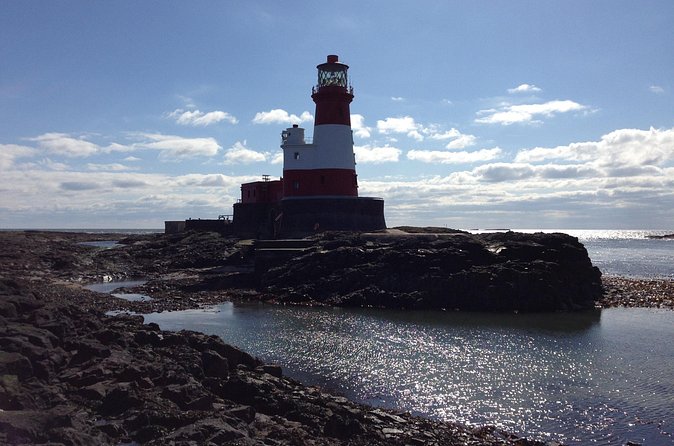
If your goal is a focused Farne Islands outing that combines Longstone Lighthouse, Grace Darling storytelling, and a real chance at seeing seals and seabirds, this trip is an easy yes. The standout is the human element: George’s keeper perspective makes the stop feel more than a quick photo stop.
If you dislike nature tours that depend on conditions, then treat this as a plan you book with flexibility. The experience requires good weather, and landings can shift at the boatman’s discretion. But if you’re the type who likes being outdoors and adjusting to the coast, you’ll likely find the short duration is a plus, not a compromise.
FAQ
How long is the Farne Islands Longstone Lighthouse 2-hour trip?
It lasts about 2 hours, with the tour ending back at the Seahouses meeting point.
Where does the trip start and end?
It starts at Golden Gate Farne Islands Boat Trips Harbour, Seahouses NE68 7RN, UK, and returns to the same meeting point.
What’s included in the price?
You get full expert commentary during the island portion of the trip. There is no food or drink included.
Can I go inside Grace Darling’s Lighthouse?
You can opt for an inside guided tour when conditions permit. There is a small fee paid on entry in cash, and the fee is described as charity-linked.
Are there rules for dogs on this trip?
Yes. Longstone Island is described as the only island you can land with a dog, as long as the dog is kept on a lead and away from wildlife.
Is the tour suitable for everyone?
It requires moderate physical fitness. For the lighthouse interior, you must have sound mobility and there are notes against participation with breathing or heart conditions, and children under 120 cm are not allowed for the lighthouse tour.