Treasure hunts can feel oddly perfect in Newcastle. I love how Captain Bess guides you with phone-based clues, making familiar streets feel like a game. I also like that you can move at your own pace and stop for anything that catches your eye. One possible drawback: the pirate-style narration and slang may not be the easiest fit if you want strictly plain, modern English.
What makes this work (and why it feels less like a chore) is the design: no paper, no downloading, and no fixed start time pressure. You’ll get your instructions on your phone in a WhatsApp-like chat flow, and you can request hints if you’re stuck.
It’s also easy to bring friends. One purchase covers up to six phones, and you can play together as a team (or split up and race each other) while staying on the same route.
In This Review
- Key things I’d flag before you play
- How this phone-run treasure hunt plays (without the usual hassle)
- Price and value: $20.81 for a flexible 2-hour city loop
- Your game plan: start at Grey’s Monument, then play your way
- Stop-by-stop: the Newcastle route you’ll follow
- Stop 1: Tyne Bridge
- Stop 2: Grey’s Monument
- Stop 3: Newcastle Town Wall
- Stop 4: The Black Gate
- Stop 5: Central Arcade
- Stop 6: Blackfriars Medieval Friary
- Stop 7: NewcastleGateshead
- Stop 8: The Lit & Phil
- Stop 9: Newcastle Cathedral
- Stop 10: Grey Street
- Stop 11: Theatre Royal
- Captain Bess, pirate talk, and when language matters
- Flexible pacing: how to use the hunt like a real city walk
- Should you book it? Yes, if you like puzzles and flexible sightseeing
- FAQ
- FAQ
- Do I need to download anything or print a ticket?
- How does the phone interface work?
- Can I start at different times?
- How long is the treasure hunt?
- Where do I start and where does it end?
- What if I can’t find an answer?
Key things I’d flag before you play

- Captain Bess sends the maps and clues to your phone, so you’re not hunting for directions in a crowd.
- You can ask for hints instead of getting stuck and grumpy.
- One booking works for up to six phones, which is a big win for groups.
- You control the pace and can pause for shops, photos, or even a pub detour.
- The route brings you through major sights from Tyne Bridge to Theatre Royal.
How this phone-run treasure hunt plays (without the usual hassle)
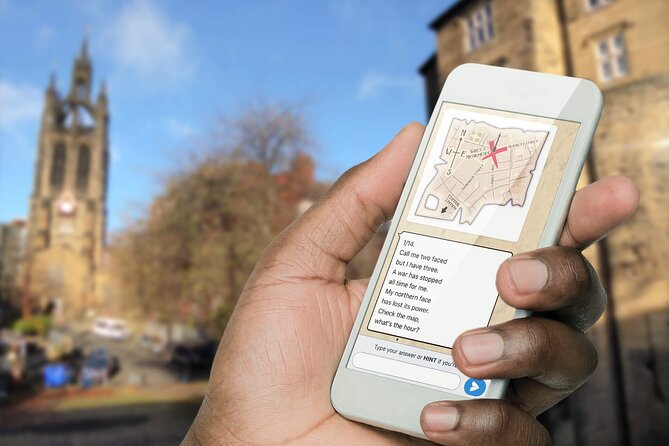
This is a city treasure hunt designed for your phone, so your experience starts the moment you’re ready. Instead of meeting a guide at every stop, you follow maps and prompts that arrive in your mobile chat. The whole thing runs like WhatsApp, which matters more than it sounds. If you’re used to modern messaging, you’ll pick it up fast—no tech struggle, no weird learning curve.
You also don’t need to download anything or print anything. That’s practical in a place like Newcastle, where you might be walking in and out of shops and cafés and don’t want to manage files or paper instructions. And since it’s a mobile ticket, you’re not stuck showing QR codes with a dying battery and shaky reception.
The game format is simple: you follow the route, and then you search for answers based on the clues. The best part is that you’re not expected to be a brainbox or a local historian. If you miss something, you can ask for hints and keep going. That keeps the hunt fun, not frustrating.
You can also read our reviews of more tours and experiences in Newcastle upon Tyne.



Price and value: $20.81 for a flexible 2-hour city loop
At $20.81 per person for about two hours, this isn’t priced like a full guided walking tour with a driver, a live script, and a long lecture. You’re paying for an interactive experience—your phone becomes the guide—and the value shows up when you treat it as a choose-your-own-pit-stops walk.
The biggest value lever is the “up to six phones” rule. If you’re traveling with friends or family, you can split costs while still staying in the same game. In practical terms, it means you’re not paying separate hunt fees for each person just because your group likes to play together.
Also, it’s listed as a private tour/activity for your group only. That can matter in a treasure hunt, where being able to stop, argue over a clue, or decide who’s taking the lead without blending into other groups improves the vibe.
Your game plan: start at Grey’s Monument, then play your way
You meet at Grey’s Monument, located at 150 Grainger St, Newcastle upon Tyne NE1 5AF. The experience ends back at the meeting point, which is one of the smartest design choices for a phone puzzle. You don’t have to worry about transportation back to where you started, and you can gauge your timing without stress.
Timing is flexible. You can begin when you want, and the hunt is designed for a “walk, think, and wander” pace. The route length fits a moderate walking level, so wear shoes that handle pavement and sidewalks. If you prefer short bursts and frequent breaks, this setup actually supports that.
Opening hours run from 8:00 AM to 6:00 PM, Monday through Sunday. That’s helpful if you’re planning a day where you want to dodge the busiest times or pair the hunt with breakfast, lunch, or an evening show.
Stop-by-stop: the Newcastle route you’ll follow
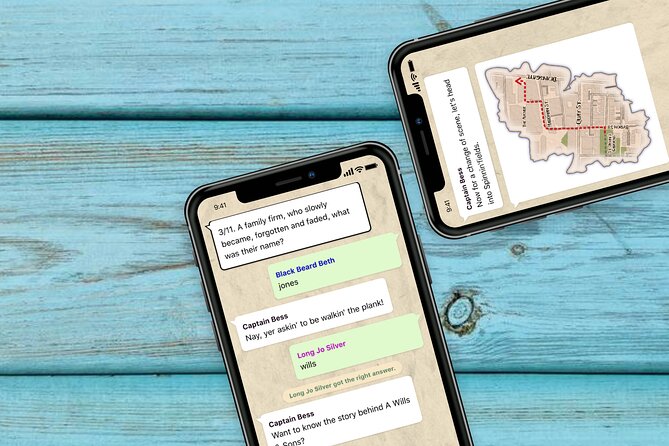
Below is how the experience typically feels as you move through each landmark. The clues and maps are what connect the dots, but the stops give you the structure so you don’t end up walking in circles for no reason.
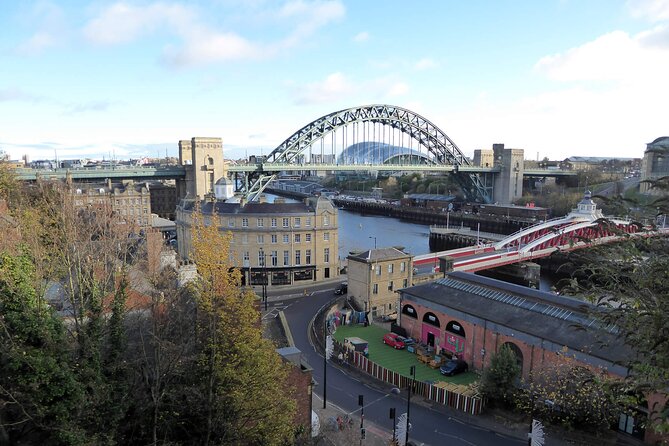
Stop 1: Tyne Bridge
You’ll start the hunt’s main momentum right away with Tyne Bridge. This opening stop is a good warm-up: it gets you into “look closely, solve quickly” mode while your game system is still fresh in your hands.
Practical tip: when you arrive, take a moment to read the map prompt before you start walking. It prevents the classic mistake of strolling one block in the wrong direction while you’re still figuring out how the chat clues work.





Stop 2: Grey’s Monument
Then you circle back through Grey’s Monument as part of the route sequence. Even if you already used it as your meeting point, it becomes a checkpoint that helps anchor the rest of the hunt. It’s also a nice reminder that you’re playing a loop-style walk, not a one-way trek.
Stop 3: Newcastle Town Wall
Next comes the Newcastle Town Wall. This is where the hunt shifts from “big skyline views” to “street-level noticing.” In a phone clue game, that change matters. You start scanning details because the answer often comes from what you can spot near where you are.
If you’re with friends, this is a good moment for teamwork. One person reads prompts, another person looks around, and a third person double-checks the clue logic before you commit to your next move.
Stop 4: The Black Gate
After the Town Wall, you head to the Black Gate. Gates and entry points are built for treasure hunt logic because they naturally frame the “look here, then look there” behavior the game needs. Expect the clue to push your attention toward what’s immediately around you, not what’s far away.
If you’re stuck here, use the hint option. The game is meant to keep you moving, and hints are part of the design—not a sign you failed.
Stop 5: Central Arcade
Then you move into Central Arcade. This is a smart variety stop because it’s a change in setting. The hunt often feels most fun when you swap from outdoor landmark walking to a more enclosed, shop-lined space where you can slow down.
Also, this is a good place to pause if you want a snack or a quick restroom break. You’ll be much happier later if you don’t “power through” every stop.
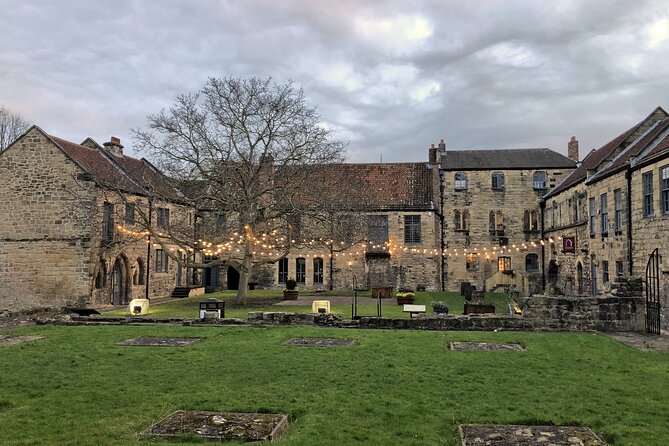
Stop 6: Blackfriars Medieval Friary
Your route continues to Blackfriars Medieval Friary. The name alone tells you this is another architectural and atmosphere shift. In clue games, these pauses are useful because they break up the walking rhythm and give you a reason to stop, read, and look at the surroundings.
If your group enjoys taking photos, this is the kind of place where pictures don’t feel random—they fit the hunt’s sightseeing structure.
Stop 7: NewcastleGateshead
Next is NewcastleGateshead. This is one of those stops where the clue experience probably leans more on the location vibe than a single iconic object, since the label reads like a broader area than one building.
Practical tip: don’t rush this part. When a clue points to an area, going too fast means you’ll miss the exact spot the game expects.
Stop 8: The Lit & Phil
Then you reach The Lit & Phil. This kind of stop tends to reward the “slow scan.” Instead of sprinting ahead with blind confidence, you’ll get more out of standing where the map suggests, then carefully checking what the clue wants you to notice.
It’s also a nice moment to regroup. If your team has split, this is where you can come back together and align on the answer before you head to the next stage.
Stop 9: Newcastle Cathedral
After that comes Newcastle Cathedral. Again, the game’s value here is less about learning a lecture and more about guiding your eyes. You’ll get prompts that turn a big landmark into an interactive puzzle.
If you want a calmer experience, this is a good stop to take your time at and solve without distractions.
Stop 10: Grey Street
Then you walk toward Grey Street, a change that often feels like the hunt stepping from landmark scale into the everyday city-street feel. This is where you might notice shops, storefront details, and the kind of things you’d normally walk past.
If you spot a shop window that calls your name, you can stop and browse. The whole experience is designed so you don’t lose progress when you slow down.
Stop 11: Theatre Royal
You finish with Theatre Royal and end back at the Grey’s Monument area. Ending at a performance-focused landmark is a fun final note because it makes the hunt feel like part of a larger day out.
By the end, you should have a clearer sense of how the city pieces connect—and you’ll be in a better position to choose what you want to explore next without guessing.
Captain Bess, pirate talk, and when language matters
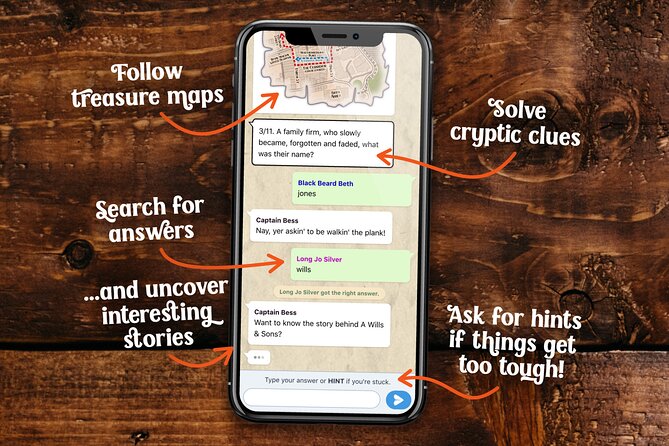
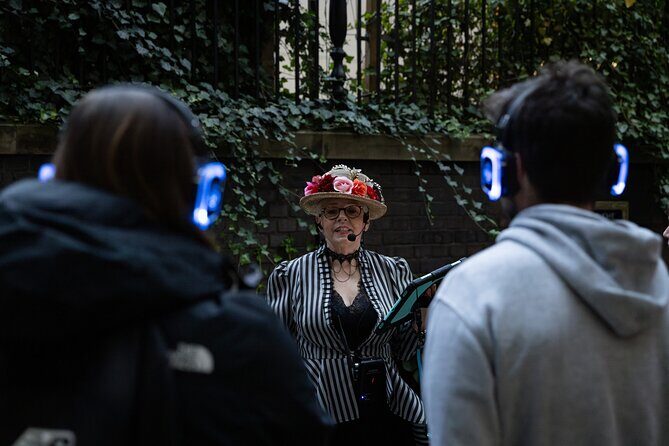
The experience is guided by a character named Captain Bess, who sends the prompts and keeps the tone playful. That pirate-style narration is part of the charm for many people, but it’s also the biggest “fit” issue to consider.
If you prefer very straightforward, literal English, the pirate slang can slow your reading and make clue-solving feel harder than it needs to be. That doesn’t mean you can’t do it—you can still ask for hints—but it’s worth knowing your own tolerance for playful dialect before you buy.
My practical advice: if English isn’t your first language (or you’re traveling with someone who struggles with slang), plan to lean on hints early rather than late. Early hints help you stay confident and keep the game moving.
Flexible pacing: how to use the hunt like a real city walk
This treasure hunt is built so you can stop whenever you like. That’s not just a convenience; it changes how the experience feels. Instead of treating the city like a checklist, you can treat it like a place to hang out.
If you want to turn it into a mini pub crawl later, you can. The game doesn’t trap you in strict timing, so adding a drink or a quick sit-down pause is possible as long as you keep moving toward the next clue.
A couple of smart pacing habits:
- Don’t answer instantly. Read the clue prompt fully, then look around.
- If you’re behind, don’t sprint. Use a hint, then focus on the next immediate target.
- When you enter a shop-lined area (like the arcade), slow down. Clues in those zones often reward observation more than walking speed.
Also, because the start is flexible and there’s a looping route back to the meeting point, you can fit this into your day like a curated walk rather than a rigid tour schedule.
Should you book it? Yes, if you like puzzles and flexible sightseeing

I’d recommend this if you want a light, fun way to see Newcastle without needing a long guide lecture. You get a structured walk through recognizable places, but you’re in charge of the pace. The phone chat system makes it easy to manage, and hints prevent the game from turning into a frustrating scavenger hunt.
You might want to skip it if you strongly dislike pirate-style slang or if you get annoyed by clues that require interpretation. Some people also prefer a more direct, faster “walk and see” itinerary. If that’s you, this hunt may feel a bit slow—because the whole point is solving, not just passing landmarks.
FAQ

FAQ
Do I need to download anything or print a ticket?
No. The experience doesn’t require downloading or printing. It uses a mobile ticket and sends your maps and clues to your phone.
How does the phone interface work?
It works like WhatsApp, with a chat-style flow for maps, clues, and hints.
Can I start at different times?
Yes. You can start when you want, rather than being tied to one fixed departure moment.
How long is the treasure hunt?
It takes about 2 hours on average.
Where do I start and where does it end?
You start at Grey’s Monument (150 Grainger St, Newcastle upon Tyne NE1 5AF, UK) and the activity ends back at the meeting point.
What if I can’t find an answer?
You can ask for hints if you’re stuck, so you’re not left trying endlessly without progress.
If you want a Newcastle day that mixes sightseeing with a puzzle you can control, this phone-led hunt is a solid pick. If you hate slang, clues, and any hint of a game element, choose a more straightforward guided walk instead.