Wild plants, explained on foot.
This beginner-friendly foraging walk teaches a practical foraging code and how to spot what’s edible versus what’s not, with just enough seriousness to keep you safe. I love that it packs in around 50 edible wild plants (plus a few poisonous ones), so you get real learning instead of a quick whistle-stop chat.
The second thing I like is the hands-on bonus: you’ll get sampling of foraged food/drinks and also homemade natural skin salves and creams. One consideration: the walk can feel more like a guided lesson close to the start area (it doesn’t turn into a big roaming hike), so if you want long countryside miles, manage your expectations.
In This Review
- Key highlights at a glance
- Foraging basics you can actually use: the foraging code
- Where the walk starts (and why it affects the experience)
- Spotting around 50 edible wild plants: how the ID lessons work
- The edible versus poisonous contrast: why it’s taught early
- Where the foraged plants can go: recipe ideas and practical use
- Tasting foraged foods and drinks: learning by eating
- Natural skin salves and creams: foraging beyond the plate
- The booklet you take home: health benefits and study ideas
- Price and value: is $47.52 worth it?
- Group size and pace: what a max 15-person tour means
- Who should book this foraging walk
- Quick practical tips before you go
- Should you book it?
- FAQ
- Where is the meeting point?
- How long does the foraging walk last?
- What language is the tour offered in?
- Is there a limit on group size?
- Do I need to print anything, or is there a mobile ticket?
- Will we taste foraged food or drinks?
- Are poisonous plants included in the teaching?
- Is the experience suitable for beginners?
- Can I cancel for free, and up to when?
- Is it accessible by public transportation, and are service animals allowed?
Key highlights at a glance
- Foraging code first, so you start with rules you can use again later
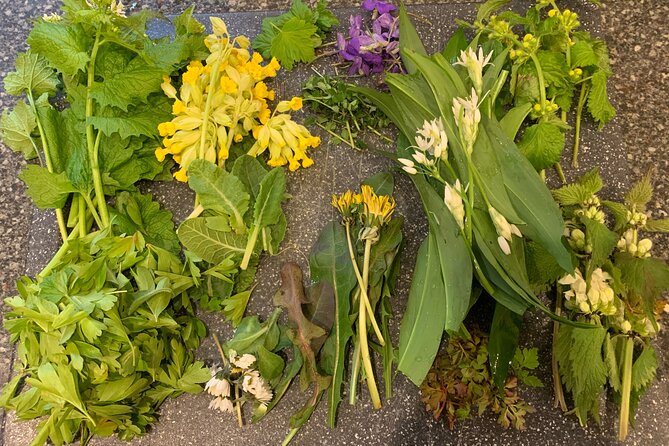
- About 50 edible wild plants identified on foot, with a few poisonous examples
- Tasting included: foraged food and drinks, plus learning how to use plants in real life
- Booklet for take-home studying, including health benefits and further study ideas
- Homemade skin salves and creams, so foraging goes beyond the kitchen
Foraging basics you can actually use: the foraging code
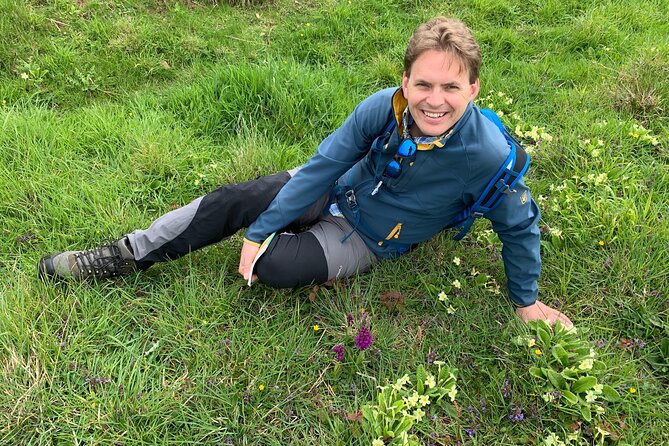
The best foraging lessons teach you how to think, not just what to pick. Here, you start with a short introduction into a foraging code, which is basically your safety and ethics checklist in plain language.
The point is simple: you learn how to approach plant ID carefully, how to avoid risky shortcuts, and how to pay attention to the details that separate edible plants from lookalikes (including poisonous ones). That matters because foraging isn’t only about curiosity—it’s also about restraint.
Even at beginner level, you’re not treated like a tourist who wants cute photos. You’re taught to notice. You’ll be looking at the kinds of things that make identification possible: leaf shape, growth habits, and the general feel of the plant in its setting.
You can also read our reviews of more tours and experiences in Oxford.


Where the walk starts (and why it affects the experience)
You meet at Waitrose & Partners Cheltenham, on Honeybourne Way, Cheltenham GL50 3QW, UK. The session then ends back at the same meeting point, so the experience is designed as a tight, focused loop rather than a long point-to-point trek.
That also explains why a recent highlight is learning intensity over distance. In practice, you can expect to spend a lot of time stopping, looking, and comparing plants right near where you start—great for beginners who want clarity fast. If your idea of value is stretching legs for hours, you might find it a bit short on pure walking mileage.
For me, the trade-off is worth it. When you’re learning plant ID, every extra minute spent wandering away from your guide is time you lose to confusion. This format helps you build confidence instead of just collecting plant names.
Spotting around 50 edible wild plants: how the ID lessons work
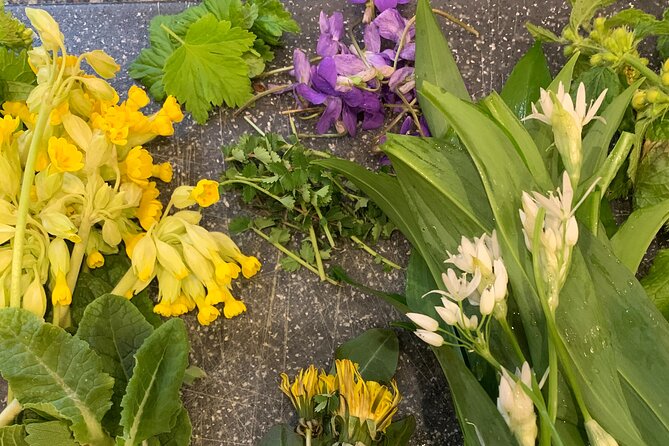
A big promise here is around 50 different edible wild plants, and the walk is built around seeing many types rather than repeating the same few favorites. That’s ideal if you’re new, because you quickly realize that foraging isn’t one plant story—it’s a set of patterns you learn over time.
You’ll also see a few poisonous plants, which is a smart teaching move. It helps you understand what a “red flag” looks like, without turning the whole experience into fear-mongering. You’re learning boundaries.
Here’s how to get the most out of this part of the walk:
- Ask questions early when you’re confused, not after everyone has moved on.
- Watch how the guide compares similar plants. That’s usually where beginners get the biggest upgrade.
- Take a moment to memorize the plant’s overall structure, not only one leaf feature.
At this stage, your goal isn’t to become a foraging expert by the end of 2.5 hours. Your goal is to leave with a safer way to approach identification next time.
The edible versus poisonous contrast: why it’s taught early
One of the strongest parts of this kind of course is seeing that safety comes first. The inclusion of poisonous plants isn’t there to scare you—it’s there to make you treat identification as a real skill.
Many people start thinking of foraging as a hunt for tasty free food. But the lesson you want is different: foraging is quality control. You don’t pick because something is “probably edible.” You pick because it matches what you’ve learned, and because conditions make it the right plant.
If you’re the type who gets tempted by quick wins, this part helps slow you down. It builds the habit of checking and rechecking, which is the difference between a fun hobby and a dangerous one.
Where the foraged plants can go: recipe ideas and practical use
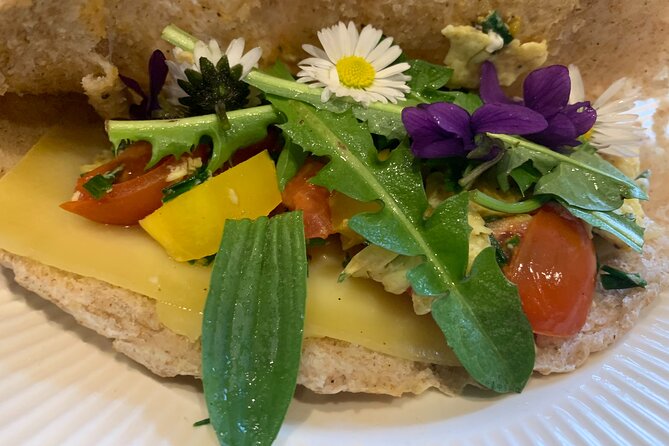
After you identify plants, you get information on how they can be used, including recipe ideas. This is where the walk becomes more than a nature chat.
I like how that practical angle makes the plants feel less abstract. Instead of thinking, I saw a weed, you can picture, I can actually use this in a meal, drink, or preparation.
You’ll also receive guidance that connects the plant to everyday use. Even if you don’t cook the recipes exactly, the takeaway is useful: it trains your brain to think like a forager-chef, not just a collector.





Tasting foraged foods and drinks: learning by eating
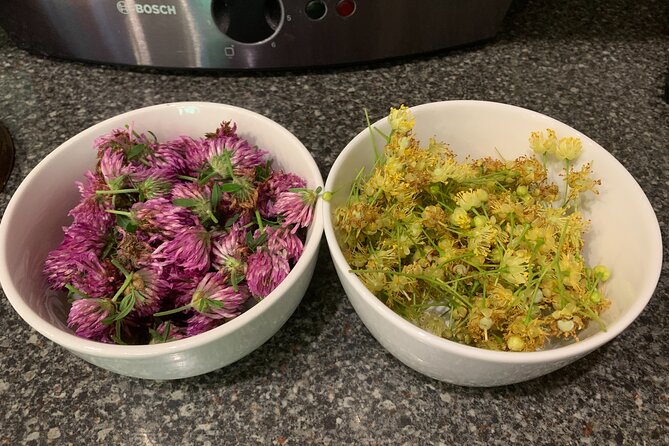
This experience includes sampling of foraged food/drinks, which is a huge confidence builder for beginners. You get to connect identification with flavor and texture, which is how learning sticks.
Tasting also teaches you something many beginners skip: not every edible plant is the right plant for your taste. Some are best in small amounts, some need preparation, and some shine only when paired well.
So if you’re hoping to leave with a list of things you’ll definitely eat at home, set that goal slightly differently. Instead, aim to leave with a shortlist of plants you understand and feel comfortable trying.
Natural skin salves and creams: foraging beyond the plate
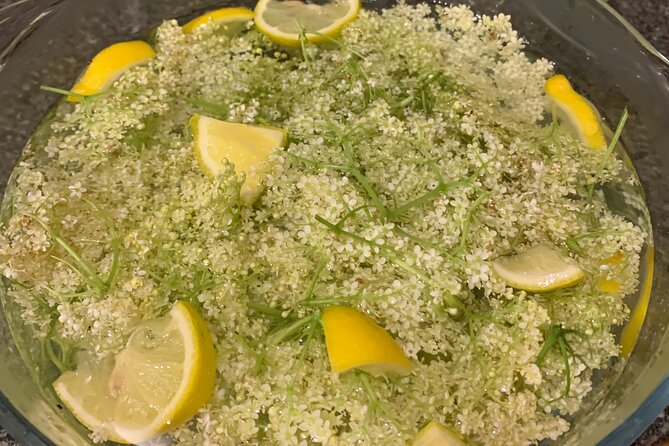
One of the most distinctive extras here is the homemade natural skin salves/creams element. That takes foraging into a traditional, practical direction: using plant materials in everyday care.
Even if you don’t expect to make your own salves soon, it’s valuable to see a different application. It broadens your understanding of what “edible” knowledge can lead to—how plants can be used in more ways than cooking alone.
It also changes the tone of the experience. It’s not just outdoors and then done. You’re shown that plants can be used thoughtfully, with purpose.
The booklet you take home: health benefits and study ideas
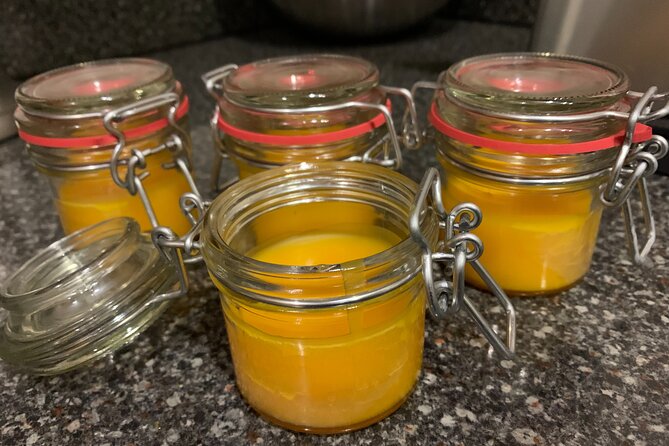
Every participant receives a booklet with selected health benefits and further study ideas. This is where you can turn a one-off walk into ongoing learning.
For beginners, this kind of booklet does two jobs:
1) It gives you a memory trigger when you’re back at home and you forget the details.
2) It provides a roadmap for what to learn next, so you don’t feel stuck the moment the walk ends.
Because you’re learning about many plants in a short time, take the booklet seriously. Review it a day or two later, not weeks later. Plant ID depends on fresh recall.
Price and value: is $47.52 worth it?
At $47.52 per person for about 2 hours 30 minutes, this isn’t the cheapest activity, but it also isn’t a premium-price-only experience with big bells and whistles. The value comes from the mix of things you get:
- guided identification of a very large number of wild edible plants (plus poisonous examples)
- tasting of foraged foods and drinks
- practical recipe ideas you can use
- take-home booklet with health benefits and study prompts
- sampling and learning related to homemade natural skin salves/creams
- a small group size cap of up to 15 people
That small group number matters. When you’re learning safety rules and identification, you want your questions answered without waiting your turn for too long.
If you only want a casual stroll and a few plant photos, you may feel you’re paying for more instruction than you need. But if you want a structured beginner start, this pricing lines up with what you’re getting.
Group size and pace: what a max 15-person tour means
With a maximum of 15 travelers, you’re less likely to be swallowed by a crowd. In a foraging setting, smaller groups help because you can actually see what’s being pointed out.
The pace will be stop-and-go. That’s the correct pace for learning plant ID. It’s also why the walk doesn’t turn into a long hike; time is spent on recognition and explanation.
If you learn best by asking questions, this size makes it more realistic to get answers without feeling rushed.
Who should book this foraging walk
This is a great fit if you:
- are brand new to foraging and want a structured start with safety rules
- want to identify many edible plants in one session
- like hands-on learning, including tasting and practical takeaways
- want a take-home booklet you can use later
It’s less ideal if you:
- came hoping for a big “proper walk” through countryside scenery
- want long-distance exercise rather than plant identification practice
Quick practical tips before you go
You’ll get the most out of the experience if you dress like you’re going outdoors. Expect time spent looking closely at plants and stopping often. Wear comfortable shoes, and bring a water bottle if you tend to run warm.
Also, keep an open mind about the tasting and the skin-care side. Even if those parts aren’t your main interest, they make the learning stick.
Should you book it?
I’d book this if you want a beginner-friendly introduction that treats foraging like a real skill: safe, practical, and hands-on. The standout value is the combination of lots of plant identification, tasting, recipe ideas, and a take-home booklet.
Skip it only if your top priority is a long scenic walking route. For distance lovers, it’s more lesson-focused than mileage-focused. If that trade-off sounds fair, this is a fun, useful way to learn something you can bring into daily life.
FAQ
Where is the meeting point?
You start at Waitrose & Partners Cheltenham, Honeybourne Way, Cheltenham GL50 3QW, UK. The activity also ends back at the same meeting point.
How long does the foraging walk last?
The duration is about 2 hours 30 minutes.
What language is the tour offered in?
The experience is offered in English.
Is there a limit on group size?
Yes. The maximum group size is 15 travelers.
Do I need to print anything, or is there a mobile ticket?
It uses a mobile ticket.
Will we taste foraged food or drinks?
Yes. The foraging walk includes sampling of foraged food/drinks.
Are poisonous plants included in the teaching?
The walk includes identifying around 50 different edible wild plants plus a few poisonous ones.
Is the experience suitable for beginners?
Yes. It’s described as a foraging walk for beginners, with a short introduction into the foraging code and what to look out for.
Can I cancel for free, and up to when?
You can cancel for a full refund. Cancellation is free up to 24 hours in advance of the experience start time.
Is it accessible by public transportation, and are service animals allowed?
It is near public transportation, and service animals are allowed.