REVIEW · PLYMOUTH
Half Day Guided Canoe Trip in Totnes
Book on Viator →Operated by Paddle Devon · Bookable on Viator
A canoe trip that feels calm, not chaotic. This half-day guided outing on the River Dart has you learning the basics, then gliding with the tidal flow through scenic sections starting in Totnes. I like that the crew keeps it relaxed and paced for the group and that you get a real 15-minute safety briefing before anyone hits the water.
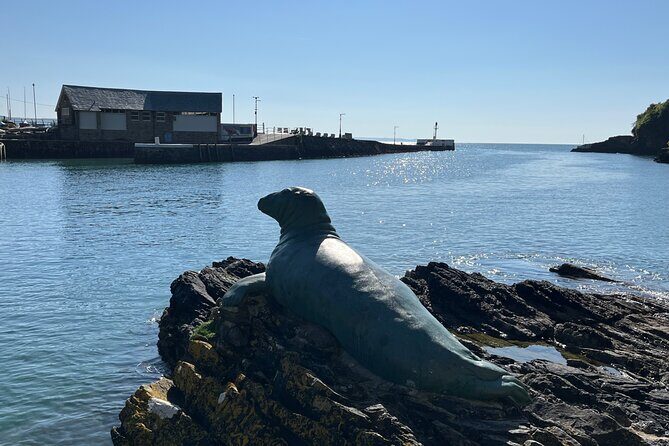
Two things make this one especially easy to enjoy: the canoes are set up to be stable and family-friendly, and you get a proper lunch-like break on the river with warm drinks. There’s even wildlife spotting potential—one highlight I’d expect you to be ready for is seeing kingfishers, and in at least one recent outing, a seal.
One consideration: you do get wet and possibly muddy, and you’ll want to come dressed for that. This isn’t a dry, sit-and-watch activity, even though the pace is steady.
In This Review
- Key points before you go
- Meeting in Totnes: what actually starts your canoe trip
- Gear and canoe setup: why this feels beginner-friendly
- The 1.5-hour tidal paddle: how the river work helps you
- Stop-by-stop: what each stretch is likely to feel like
- Stoke Gabriel and the downriver option
- Dart River time: the middle stretch where you learn your rhythm
- Totnes to start and return flow
- Dartington as the upriver option
- The halfway break with hot drinks: smart pacing, real recovery
- Getting back: the return paddle and the feel of closure
- Price and value: is $61.79 worth it?
- Who should book this Totnes canoe trip (and who should skip it)
- Practical tips so your trip stays enjoyable
- Should you book? My take
- FAQ
- How long is the half-day guided canoe trip?
- Where do I check in?
- What do you provide during the trip?
- Is there a safety briefing and paddle instruction?
- Where will we paddle?
- Are children allowed?
- What should I wear?
- How big is the group?
- What happens if the weather is poor or I need to cancel?
Key points before you go
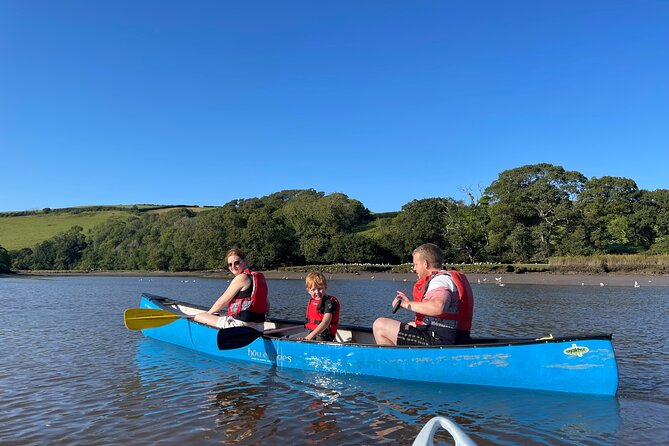
- Friendly guides + hands-on paddle instruction: a short briefing and how-to session before you launch
- Stable canoes for small groups: max 12 people, with canoes sized for adults and kids
- Tidal flow does the heavy lifting: expect easier “glide” paddling rather than constant effort
- A 30-minute riverside break: tea, coffee, or hot chocolate while you rest
- Phone and valuables stay safer: one roll-top waterproof bag per boat
Meeting in Totnes: what actually starts your canoe trip
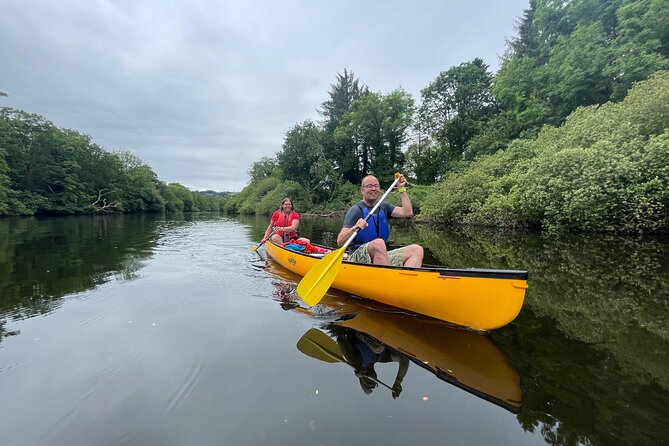
You start at Paddle Devon’s meeting point at Steamer Quay Road, Longmarsh (Car Park), Totnes TQ9 5AL. The timing is built around a half-day format, so you’ll be on the water soon after check-in, not waiting around for ages.
When you arrive, your guide hands out what you need to feel confident: a buoyancy aid (you must wear it) and a dry bag to protect your phone, wallet, and other small stuff. The dry bag is a roll-top style, and it’s only one per boat, so if you’re sharing a canoe, you’ll want to agree ahead of time what goes in the bag.
There’s also a 15-minute safety briefing with how-to paddle instructions. Even if you’ve paddled before, this is useful because canoe handling differs from kayaks. You’ll learn what the crew expects, how to adjust your strokes, and how to keep the pace comfortable for everyone in your boat and the group.
One small plus: this tour uses a mobile ticket, and the activity runs daily during the posted hours (9:00 AM to 6:00 PM). That makes it easier to slot into a day in Plymouth without over-planning your schedule.
You can also read our reviews of more tours and experiences in Plymouth.



Gear and canoe setup: why this feels beginner-friendly
The canoes are described as stable, and that matters. When you’re in a steady craft with paddles provided, you spend less mental energy on balance and more on enjoying the trip.
Here’s the practical setup:
- Each canoe comes with paddles and a buoyancy aid for each paddler
- Each canoe can carry up to 2 adults and 2 kids
- You get one waterproof roll-top bag per boat for valuables
That last point is a big deal for comfort. If your phone is in the water-proof bag, you can relax while you paddle and still capture photos when you spot wildlife. (And yes, wildlife is part of the fun here—more on that in a minute.)
You still need to bring your own clothing and shoes that can handle getting wet and muddy. The guides provide life jackets and bags, not dry clothes. If you forget this part, the tour won’t be ruined, but it will feel less enjoyable.
The 1.5-hour tidal paddle: how the river work helps you
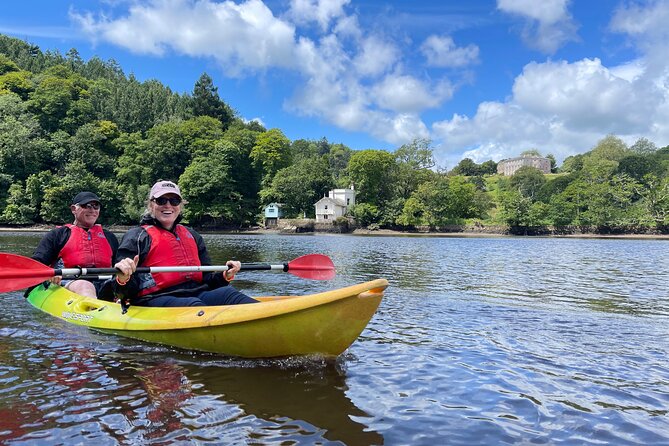
After the briefing, you get on the water and paddle for about 1.5 hours. What makes this section more relaxing than many “active” tours is the use of tidal flow. Translation: you’re not fighting against the current the whole time. You’ll get moments where the canoe seems to glide, and that reduces how hard you have to work continuously.
Your route can go one of two directions depending on conditions:
- You may paddle upriver toward Dartington, or
- You may paddle downriver past Sharpham estate, toward Stoke Gabriel
Either way, the pace is described as unhurried. The guides make sure the paddle speed suits all group members. That means you won’t be forced into a fast rhythm that leaves slower paddlers struggling.
If you’re picturing a “workout” canoe trip, this isn’t that. You’ll paddle, but it’s paced so you can keep up without burning out. For most people, the effort feels like steady participation rather than a grind.
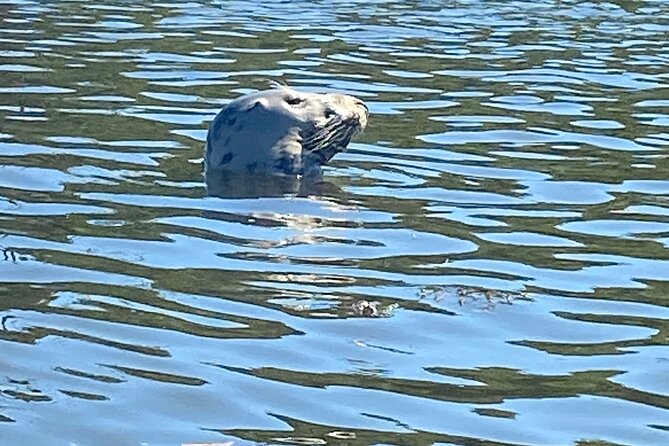
And scenery-wise, this is exactly the kind of river outing where you benefit from looking up, not just straight ahead at your paddle. One real-world highlight included kingfishers, and in at least one outing, a seal sighting. You’re not guaranteed wildlife every time, but you should come ready with your eyes open.
Stop-by-stop: what each stretch is likely to feel like
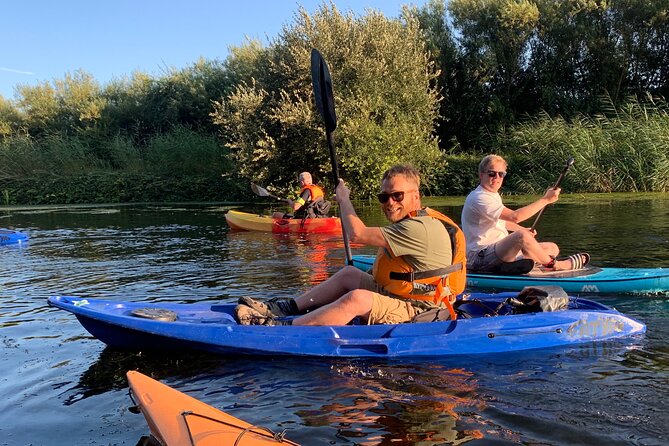
This tour is built around several named areas: Stoke Gabriel, the Dart River, Totnes, and Dartington. What you’ll experience isn’t just “time on water”—it’s moving through different river character as the route shapes itself.
Stoke Gabriel and the downriver option
If you head downriver, Stoke Gabriel is one of the anchors of the trip. This direction is also the one that may pass Sharpham estate. Even without a formal “tour talk” about every property, seeing how the river frames estates and riverfront areas adds variety to the scenery, and it gives you a sense you’re traveling through distinct river-worlds rather than repeating the same view nonstop.



Dart River time: the middle stretch where you learn your rhythm
The Dart River section is where your paddle rhythm really settles in. After the initial instruction, you start to feel how your strokes line up with the boat’s movement. This is usually when people start relaxing into the experience—because once you stop thinking about technique every few seconds, you notice the river around you.
Totnes to start and return flow
You begin in Totnes and later paddle back to the start, so Totnes is part of both the opening and the overall arc. That’s helpful if you’re not sure you’ll love canoeing—since you’re not traveling far from your starting point, the half-day structure keeps things manageable.
Dartington as the upriver option
If you go upriver, Dartington becomes the destination feel of the trip. Going upriver can change how you experience effort because you’re less “carried” than on a pure downriver drift. Even so, the guide keeps the speed suited to the group, so you’re not doing a strenuous haul.
The halfway break with hot drinks: smart pacing, real recovery
After about 1.5 hours, you stop for a 30-minute break by the river. Tea or coffee is provided, along with hot chocolate—exactly the kind of warm-up that makes a big difference when you’ve been damp and outdoors for a while.
This break is more than a snack pause. It resets the group. If someone needs a moment to adjust comfort level—maybe their feet are cold or they’re just getting their sea legs—this is the time to sort it out.
It also gives you a chance to look for wildlife more calmly. Birds often show up when the paddling stops, and there’s something about standing still by moving water that makes the whole area feel alive.
Getting back: the return paddle and the feel of closure
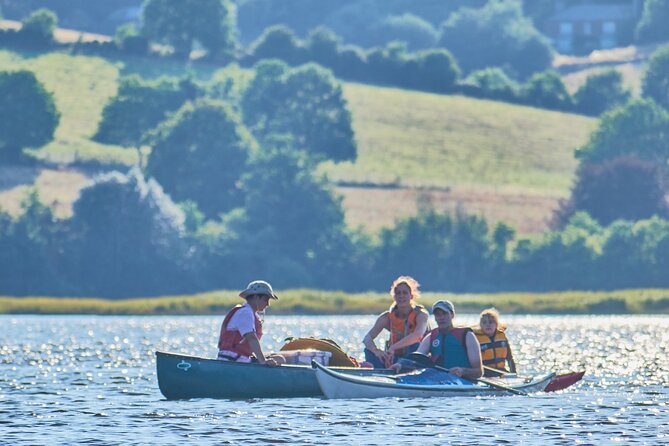
After the halfway break, you paddle back to the starting point. The return takes up to 1.5 hours, and the time on the water is designed so you end when your energy level is still decent. That’s a big reason this works as a half-day experience: you don’t stretch into “we’re tired now” territory.
Because the guides remain with you the whole time, you can ask for help if your strokes feel off or if you’re worried about keeping your balance. That matters most for first-timers.
And since the activity ends back at the meeting point, you don’t need to plan onward logistics on a watery schedule. You can transition back to your day in Plymouth (or wherever you’re staying) without the stress of extra transport.
Price and value: is $61.79 worth it?
At $61.79 per person for around 4 hours total, the best way to judge value is what’s included versus what you’d otherwise pay for.
What you get with your ticket:
- Stable canoes with paddles
- Buoyancy aids for everyone (and they’re required)
- A roll-top waterproof bag per boat for valuables
- A 15-minute safety briefing plus how-to paddling instructions
- A 30-minute riverside break with hot drinks
- Friendly guides with you throughout
For me, the value comes from the guide time. Instruction and safety aren’t optional add-ons here—they’re built in. You’re also not paying extra for basic gear, which is often where outdoor activities quietly inflate the final cost.
Also, the group size cap (maximum 12 travelers) matters. Smaller groups generally mean more attention and less waiting around.
Is it a bargain? It’s not a “cheap” activity, but it’s priced like a guided outdoor experience with gear and guidance included—and given how beginner-friendly it is, it reads as fair.
Who should book this Totnes canoe trip (and who should skip it)
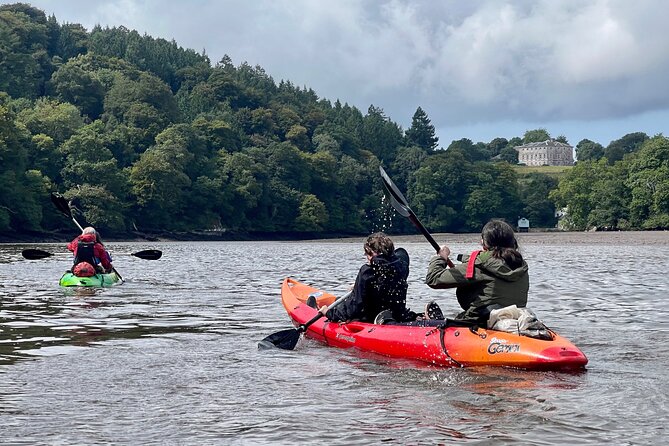
This tour fits best if you want:
- A guided outdoor activity that still feels low-pressure
- A chance to try canoeing with basic instruction
- A family-friendly outing with a stable boat setup
- A half-day plan that doesn’t swallow your whole afternoon
It also helps if you’re comfortable with a moderate fitness level. You’re paddling, but this isn’t described as a high-intensity push. The pace gets matched to your group.
It may be a less good fit if:
- You hate getting wet and muddy (because you should plan on it)
- You’re expecting a fully dry, indoor-style experience
Good to know for families: children over 4 are welcome. Dogs are allowed if they’re well behaved, and service animals are allowed too.
Practical tips so your trip stays enjoyable
Bring the right clothing and you’ll feel smart immediately. Choose shoes and layers that tolerate water and mud. Avoid anything that you’ll be upset about if it gets stained or soaked.
A few more practical things to think about:
- Put valuables in the provided roll-top bag and keep it where you can grab it safely
- Wear a buoyancy aid as instructed—don’t loosen it “just a bit” during the ride
- Bring a change of clothes if you’re continuing your day away from the river
If you’re sensitive to cold, consider that you’ll be outdoors while paddling and then standing during the break. The hot drinks help, but your clothing still matters.
Should you book? My take
If you want a half-day canoe trip that’s guided, paced, and genuinely approachable, I’d book it. The combination of stable canoes, a short safety and paddle briefing, and a planned break makes it feel like a well-run outing rather than a stressful trial.
I also like the balance: it’s active enough to feel like you participated, but calm enough that it doesn’t turn into an endurance event. Add in the very real possibility of wildlife sightings like kingfishers—and sometimes more—and it becomes a good use of your limited time on the water.
If your top priority is staying totally dry, or you’re not up for damp conditions and muddy shoes, you’ll likely be happier with a different style of sightseeing. For everyone else, this is a strong choice for experiencing the River Dart from inside the canoe.
FAQ
How long is the half-day guided canoe trip?
The total experience time is about 4 hours, with around 1.5 hours of paddling, a 30-minute riverside break, and up to another 1.5 hours to paddle back.
Where do I check in?
You meet at Paddle Devon at Steamer Quay Road, Longmarsh, Car Park, Totnes TQ9 5AL, UK.
What do you provide during the trip?
You receive stable canoes and paddles, buoyancy aids (required), and one waterproof roll-top bag per boat for items like your phone and wallet.
Is there a safety briefing and paddle instruction?
Yes. You’ll get a 15-minute safety briefing and instructions on how to paddle before you head out.
Where will we paddle?
You’ll start in Totnes. The route may go upriver toward Dartington or downriver past Sharpham estate toward Stoke Gabriel, depending on conditions. The tour centers on stops around Stoke Gabriel, the Dart River, Totnes, and Dartington.
Are children allowed?
Children over the age of 4 are welcome. Each canoe can carry up to 2 adults and 2 kids.
What should I wear?
Bring your own clothing and shoes suitable to get wet and possibly muddy.
How big is the group?
The maximum group size is 12 travelers.
What happens if the weather is poor or I need to cancel?
The tour requires good weather. If it’s canceled due to poor weather, you’ll be offered a different date or a full refund. You can cancel for free up to 24 hours in advance for a full refund. Changes made less than 24 hours before the start time are not accepted. A minimum number of travelers is also required; if that minimum isn’t met, you’ll be offered a different date/experience or a full refund.