London’s wartime maze sits under your feet. This Hidden Tube Walking Tour takes you into the Clapham South Deep Level Shelter, a former air raid refuge, with guides who keep you on track and explain what you’re seeing in real time. You’re not just looking at tunnels. You’re walking through recreated WWII spaces and hearing how life worked underground.
Two things I really like: the small, guided format so you’re not left to wander, and the way the tour uses recreated areas (like a canteen and a warden’s booth) to turn history into something you can picture. The storytelling also stays chronological, so the whole experience feels organized instead of random.
The main consideration is physical and mental comfort. The route involves lots of stairs, low lighting, and uneven ground, and the tour is not suitable for claustrophobia or anyone who needs step-free access. If you’re not up for steep climbs, this may feel like more workout than payoff.
In This Review
- Key Points Before You Go
- Getting There: Balham Hill Start Point and What You Should Bring
- Inside Clapham South’s Deep Level Shelter: What the Underground Tells You
- The Storytelling Method: How the Warden and Guides Bring It to Life
- The Canteen, Warden Booth, and Recreated Rooms You’ll Actually See
- Walking Route, Timing, and Why You Feel the Effort
- Group Size, Comfort Level, and Practical Rules Underground
- Price and Value: What You’re Paying for at About $61.84
- Who Should Book (and Who Might Skip This One)
- Should You Book the Hidden Tube Walking Tour in Clapham South?
- FAQ
- How long is the Hidden Tube Walking Tour at Clapham South?
- What’s included in the ticket price?
- Where does the tour start?
- Is transportation provided to the shelter?
- Is the tour offered in English?
- Do I need photo ID?
- Are open-toed shoes allowed?
- Is the tour suitable for children?
- Is there an elevator or step-free access?
- Is the tour suitable if I have claustrophobia?
Key Points Before You Go
- Former deep-level WWII shelter opened in 1944 under South London streets
- Two expert guides, including one portraying a 1940s warden for firsthand-style storytelling
- Recreated rooms you can walk through, including a canteen, medical spaces, and sleeping quarters
- Small group size (max 22) with a guide with you throughout so you stay oriented
- Lots of walking and stairs, plus uneven ground and low lighting
- Rules matter underground: bring photo ID, skip open-toed shoes, travel light (no cloakroom)
Getting There: Balham Hill Start Point and What You Should Bring
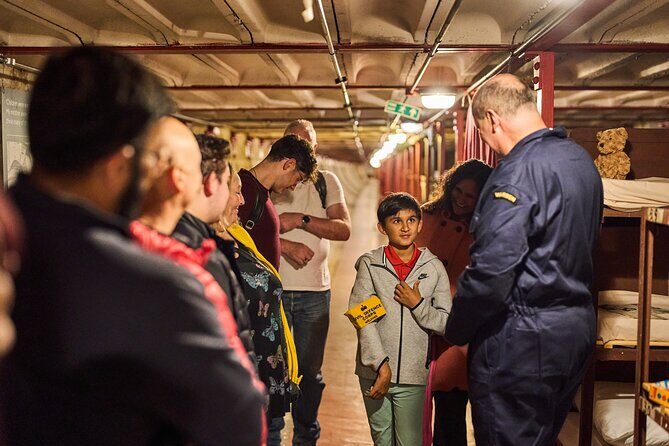
This tour starts at Balham Hill, London SW12 9EA, and it ends back at the same meeting point. You’ll want to arrive a bit early because once you’re underground, the day moves at a guided pace and there’s no time for sorting out basics.
You’ll use a mobile ticket, and the tour is offered in English. It’s also described as near public transportation, which matters because you’ll be walking a lot once you begin. Bring photo ID because it’s required for all guests, even for what sounds like a quick sheltered stop.
Pack like you’re going for an active stroll, not a sightseeing day with gear. The tour notes there’s no cloakroom, and you shouldn’t bring luggage or large bags. And yes, it means you’ll be wearing appropriate shoes: open-toed shoes aren’t allowed. Also plan on no food or drinks during the tour, since it’s not built for snacking breaks.
You can also read our reviews of more walking tours in London



Inside Clapham South’s Deep Level Shelter: What the Underground Tells You
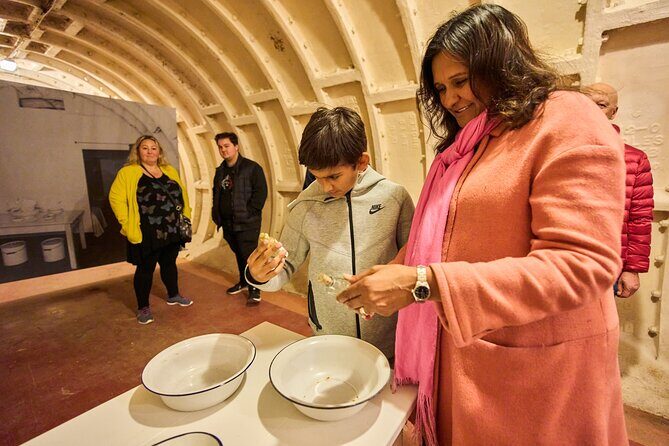
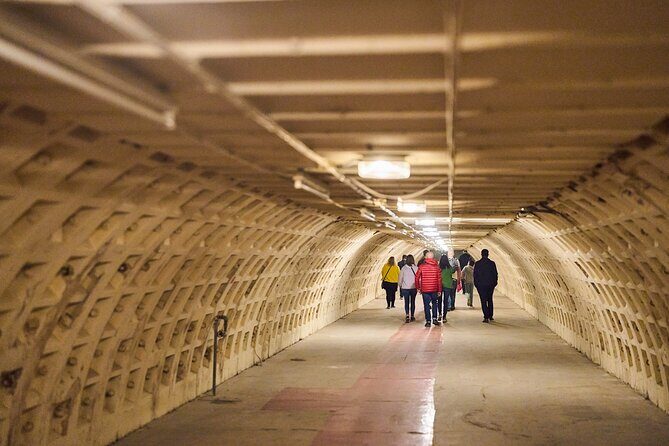
The heart of the experience is the Clapham South Deep Level Shelter, one of the eight deep-level shelters built in London during WWII. This specific shelter opened in 1944 and was designed to protect over 8,000 people. Standing (or carefully moving) in a space like this changes your sense of scale. London’s bombing wasn’t just about headlines. It was about preparing homes and streets for sudden survival.
You’ll tour what’s described as a secret underground maze, hidden beneath the city’s surface. The recreated layout includes practical wartime elements you can visually map: canteens, medical stations, and sleeping quarters. Even if you already know the broad WWII story, seeing the rooms arranged for everyday shelter life helps you understand how people got through nights that felt endless.
One of the most striking details is that you’re not fully cut off from the modern city above. There’s an account of hearing deep-level Northern Line train sounds passing overhead while you’re underground, which creates a weird, thoughtful contrast: London keeps moving, even when the shelter is meant to pause life.
The Storytelling Method: How the Warden and Guides Bring It to Life
What makes this tour feel different from a typical walk-and-listen is the cast of characters. The tour includes two expert guides, and one guide portrays a 1940s warden. That matters, because it frames the shelter like a workplace and a system, not just a haunted set of tunnels.
You’ll retrace the feeling of a first night for South Londoners getting used to the shelter routine. The commentary is meant to be clear, chronological, so you can follow how spaces were used, how staff operated, and how people experienced their time underground.
Even better, the guides keep the experience organized for safety and flow. The tour is described as a guided walk where you’re with the group the whole time, which helps with orientation. With low lighting and uneven ground, that guidance becomes more than comfort. It’s part of why the experience works.
I also like the way recreated details help your brain do the work of imagining. When you see a warden’s booth or step into a canteen-style recreation, you’re not just hearing about it. You start building a mental picture fast, which makes the history stick.
The Canteen, Warden Booth, and Recreated Rooms You’ll Actually See
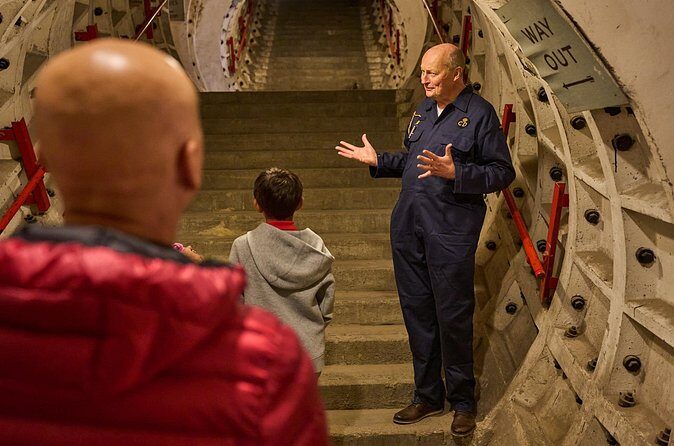
If you’re the type who likes your history practical, this tour is built for you. The recreated spaces aren’t random. They’re the rooms that show how people ate, managed health, slept, and followed shelter rules.
A canteen recreation is a big one because it points to a human need that goes beyond survival. Even during bombing, people still had to eat, queue, and cope with routines. Seeing that space helps you understand shelter life as something structured, not chaos.
The warden’s booth is the other key moment. You’ll learn about how the shelter was run and what a warden’s role meant day to day. With the warden portrayal, the story isn’t just historical explanation. It’s delivered as if someone is on shift, which makes the information feel more immediate.
Along the way, you’ll also encounter recreated zones tied to medical stations and sleeping quarters. Those areas help you understand how the shelter balanced emergency prep with ongoing needs—where people might rest, where care happened, and why staff organization mattered.
Walking Route, Timing, and Why You Feel the Effort
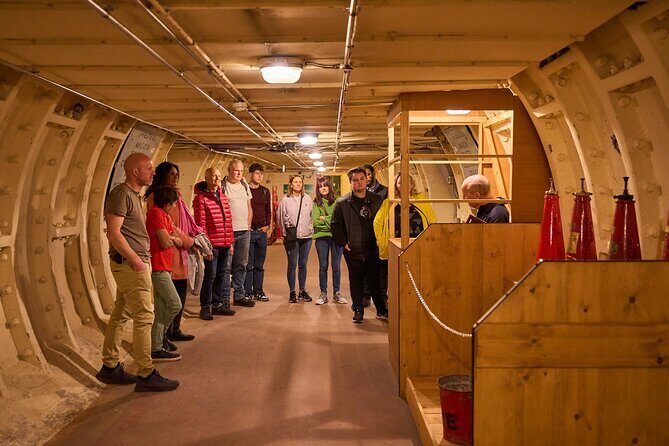
The tour is about 75 minutes (listed as approximately 1 hour 15 minutes). In practice, it can feel longer because the pace includes time for explanation, repositioning the group, and careful movement on stairs and uneven floors.
Expect a lot of walking, including up and down flights of stairs. The tour notes there’s no elevator and it’s not step-free. If you’ve never done underground steps in a narrow setting, plan your energy like you would for a workout day: steady, careful steps, and no rushing.
One detailed remark describes around 180 steps down and 180 back up. Even if your count varies by route specifics, the message stays the same: the return climb is a serious part of the experience. On the plus side, the group isn’t forced to speed. The tour is set up so you move at a safety-first pace.
Low lighting is part of the deal. That makes good shoes and careful foot placement extra important. If you’re someone who gets nervous in dim spaces, this is something to think about early rather than hoping it will feel fine once you arrive.






Group Size, Comfort Level, and Practical Rules Underground
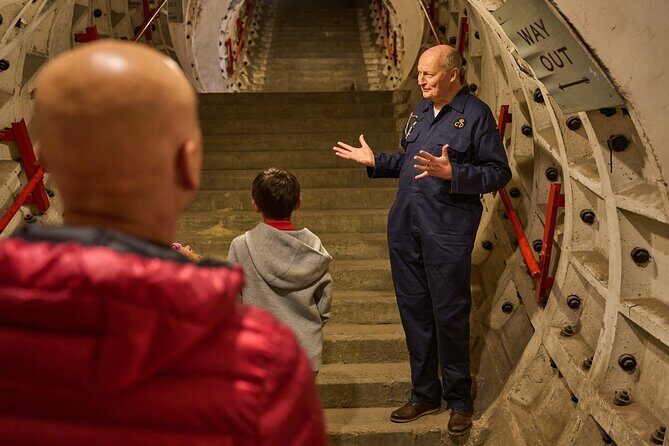
This tour has a maximum of 22 travelers, which keeps the group small enough for better movement and clearer communication. There are typically two expert guides, and one portrayal adds an extra layer of storytelling, so you’re not just listening to a single voice reciting facts.
The tour is listed as having a moderate physical fitness requirement. That’s mainly about stairs, uneven surfaces, and time spent moving. It’s also stated as not suitable for guests with claustrophobia. If you’re even borderline, take that seriously. Deep underground spaces can feel psychologically tight even when there’s room to move.
Children have specific boundaries. It’s not suitable for children under 10, and there’s a cap of up to four children aged 10–15 per adult. If you’re bringing kids, you’ll want to judge maturity and comfort with dim, underground walking, not just age.
Other rules are simple but important: no food or drinks on the tour, no luggage or large bags (no cloakroom), and bring photo ID. These are the kinds of details that can ruin a trip if you forget them at home.
Price and Value: What You’re Paying for at About $61.84
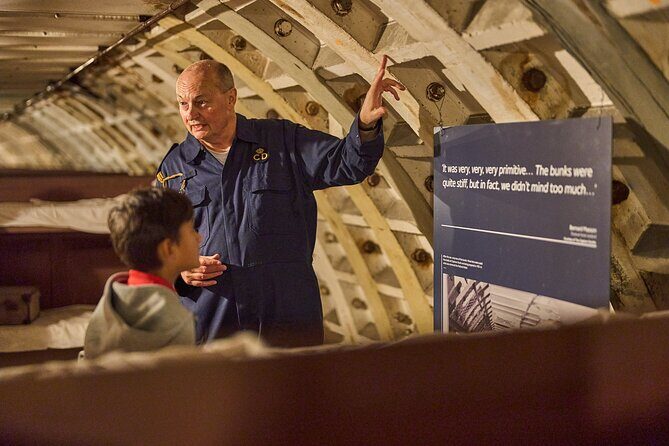
At $61.84 per person for roughly 75 minutes, this isn’t a cheap “quick museum stop.” But it also isn’t trying to be one. You’re paying for access to a former WWII shelter that’s not generally part of London’s day-to-day walking map, plus guided interpretation that turns the space into a story you can follow.
Here’s how I’d think about value:
- You’re getting a guided walkthrough of a preserved underground shelter with recreated rooms, rather than a generic exterior stop.
- You’re getting small-group attention (max 22) and multiple voices, including a warden portrayal.
- You’re also paying for the physical experience of moving through the shelter system itself, including the stairs and underground environment.
The possible downside is that the tour’s length is short, but the physical demands are real. If you’re visiting primarily for comfort, this price won’t feel justified. If you want something unusual that most people never get to see, it starts to make sense fast.
In other words: the ticket price buys you access plus guided storytelling plus a serious underground walk. It’s worth it if that matches your travel style.
Who Should Book (and Who Might Skip This One)
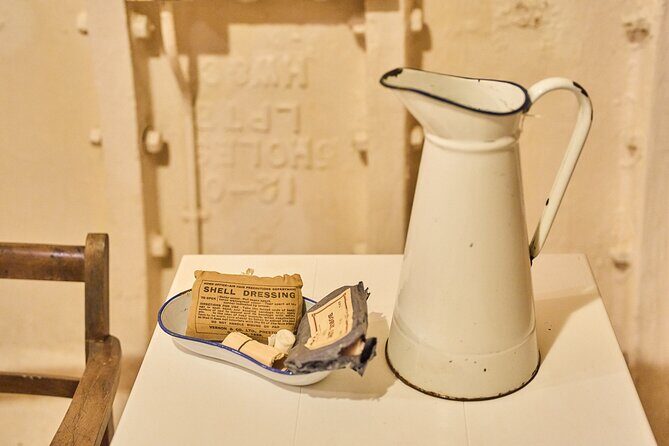
I’d put this tour on the list if you like WWII history you can walk through. It’s especially a good fit if you want details about everyday shelter life—how food, medical care, and staff work fit into nights spent below street level.
You should also feel fine with:
- lots of walking
- stairs, including a tough climb back up
- low light
- uneven ground
I’d think twice if you:
- get uncomfortable in enclosed spaces (it’s not suitable for claustrophobia)
- need step-free routes (the tour is not step free and has no elevator)
- have mobility limits that make stairs unpredictable
- prefer a sightseeing day without physical strain
Families can work well for the right group, but follow the age rules and think about your child’s ability to handle dim underground spaces and the stair workload.
Should You Book the Hidden Tube Walking Tour in Clapham South?
Book it if you want an off-the-radar London WWII experience that feels specific and human, not just informational. The combination of a preserved deep-level shelter, recreated rooms, and a warden-style guide makes the history tangible in a way you can’t replicate from photos.
Skip or reconsider if your priority is comfort over experience. This tour comes with stairs, low light, and no elevator, and it’s clearly not aimed at claustrophobia or step-free needs. If you can handle that, though, this is one of those rare tours that gives you a real sense of what life below the city’s surface was like.
FAQ
How long is the Hidden Tube Walking Tour at Clapham South?
It runs for about 1 hour 15 minutes (about 75 minutes).
What’s included in the ticket price?
The admission includes a guided tour of the Clapham South disused Second World War subterranean air raid shelter.
Where does the tour start?
The meeting point is Balham Hill, London SW12 9EA, UK.
Is transportation provided to the shelter?
No. You’ll need to make your own way to the tour meeting point.
Is the tour offered in English?
Yes, the tour is offered in English.
Do I need photo ID?
Yes. All guests must bring photo ID.
Are open-toed shoes allowed?
No. Open-toed shoes aren’t allowed.
Is the tour suitable for children?
It’s not suitable for children under 10. There’s also a limit of four children aged 10–15 per adult.
Is there an elevator or step-free access?
No. The tour involves walking up and down flights of stairs, it’s not step free, and there’s no elevator.
Is the tour suitable if I have claustrophobia?
No. The tour is not suitable for guests with claustrophobia.