REVIEW · LONDON
London Sightseeing Walking Tour with 30+ sights
Book on Viator →Operated by See The Sights Tours · Bookable on Viator
One day, two worlds of London. You get City of London and Westminster in a single 5-hour walk packed with famous stops like Big Ben, Buckingham Palace, Tower of London, and St. Paul’s. I like that the guide keeps things moving and built for photos, and you’ll get a lot of context as you go; the trade-off is you won’t enter any major attractions because admission tickets aren’t included.
You start at St. Paul’s Station (Exit 2) and finish near Buckingham Palace, so you end where many day plans want to be. Expect about 5 miles of walking, a short lunch break near Tower Hill (food at your own expense), and one Tube journey included—plus the small-group feel (up to 25 people).
In This Review
- Key takeaways before you book
- St. Paul’s to Buckingham Palace: what this long walking tour actually does for you
- The real structure: a City of London dayline, then Westminster
- The City of London stretch: money, cathedrals, fire, and medieval power
- Westminster stretch: Parliament, royalty, memorials, and the parks between
- The 30+ stops: how to make short moments count
- Big iconic stops (your “wow” photos)
- Government and power stops (for people who like how a city runs)
- Bridge and Thames moments (how London moves)
- Modern London add-ons (so the day doesn’t feel stuck in the past)
- Smaller stops that still matter
- A stop-by-stop feel for the day: what you’ll see and what to look for
- Lunch break near Tower Hill: how to handle it without messing up the day
- Pacing, group size, and the guide style that makes it work
- Price and value: why $26.35 can feel like a steal
- Who should book this walking tour, and who should skip it
- Quick practical tips so you enjoy the full 5 hours
- Should you book this London highlights walking tour?
- FAQ
- Where does the tour start, and what time?
- Where does the tour end?
- How long is the walking tour, and how far do you walk?
- Are entrance tickets to the sights included?
- Is lunch included?
- Do you need a Tube ticket or card?
- Is the tour suitable for mobility limitations or strollers?
Key takeaways before you book
- St. Paul’s to Buckingham Palace routing: you cover two classic areas without needing a day planner.
- Photo moments at nearly every stop: the guide actively helps your group get the shots.
- Outside views only: great for orientation, not a ticketed-site tour.
- A Tube segment is included: one ride helps you keep the day from turning into an even longer slog.
- Guides with a knack for making history usable: they help you understand what you’re looking at, not just recite dates.
- Comfort matters: it’s a real walking day, and prams/strollers and mobility limits aren’t a fit.
St. Paul’s to Buckingham Palace: what this long walking tour actually does for you
This is the kind of London tour that helps you get your bearings fast—without asking you to buy a stack of attraction tickets. You’re outside most of the time, so instead of lining up for entry, you’re learning the layout of central London and seeing landmark shapes from the best public angles.
The value is strongest if you like two things: (1) connecting the dots between landmarks and (2) leaving the day with a shortlist of what you want to return to for a second visit. The day is also sized well for first-time orientation: about 5 hours, roughly 5 miles on foot, and a guided route that crosses major neighborhoods in one go.
The outside-only format does matter, though. If your travel style is “I want to go inside everything,” you’ll feel the missing tickets. But if your style is “show me the city and teach me how to read it,” this one delivers.
You can also read our reviews of more walking tours in London


The real structure: a City of London dayline, then Westminster
What makes the route work is the way it moves you through two very different Londons.
The City of London stretch: money, cathedrals, fire, and medieval power
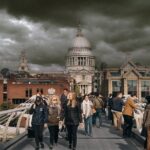
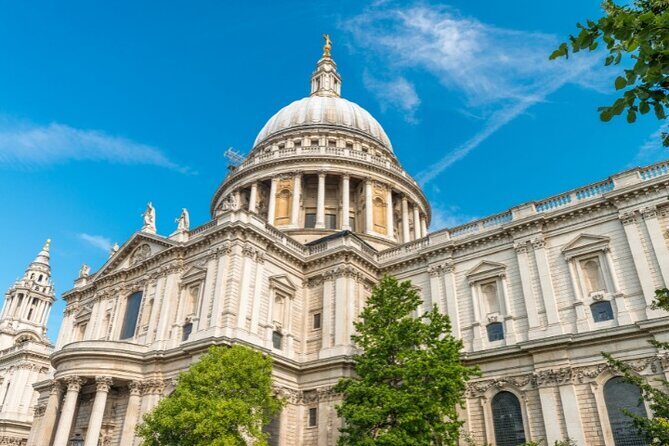
You begin with St. Paul’s Cathedral, where the focus is the big visual idea: Christopher Wren’s dome dominating the skyline. Even if you don’t go in, standing near it gives you a sense of why it anchors so many London views.
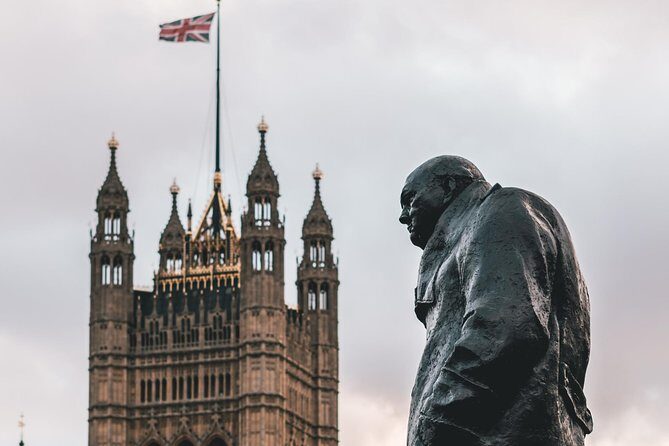
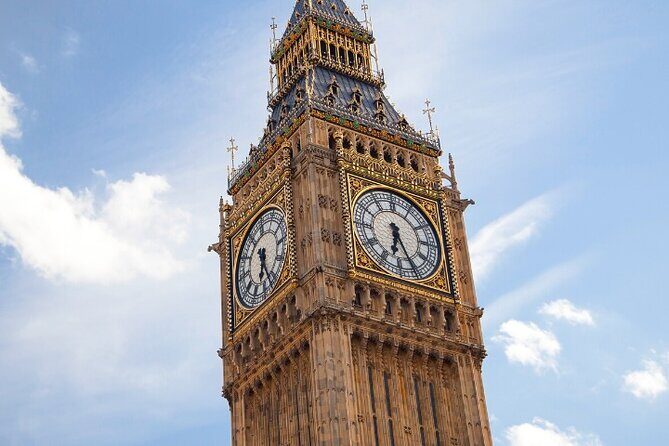
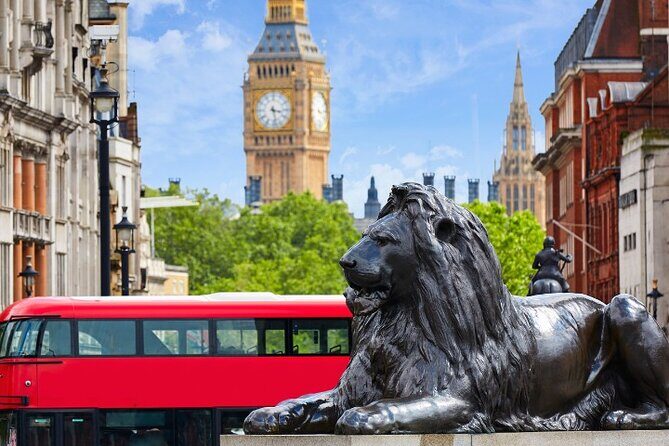
Next comes the Elizabeth Tower (Big Ben). You’re not just chasing a photo; you’re pairing the tower with the political buildings beside it. That matters later, when Parliament becomes a theme again.
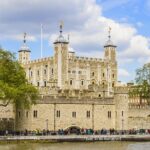
From there, the route leans into medieval and financial London. Tower of London shows the long arc of power: a fortress used as a palace, prison, armory, and treasury, and tied to the Crown Jewels. If you’re the kind of person who likes stories, this is where the guide’s talk makes the stones feel like plot points.
Then you shift to the “working city” feel. The Bank of England stop is short, but it points you toward the names and textures of London’s finance world—the sort of place you can walk past for years without noticing how historic it is.
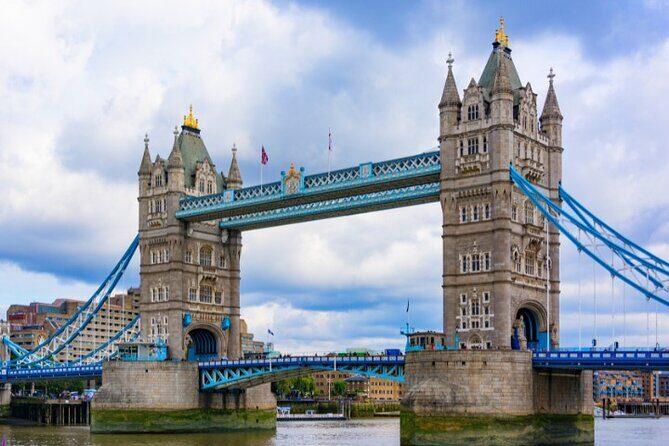
You also get the City’s landmarks at river edges: London Bridge, Tower Bridge, and views that help you understand how the Thames shapes movement. Tower Bridge is especially useful as a photo stop because it’s both iconic and functional, which is exactly why it keeps showing up in every London picture book.
Westminster stretch: Parliament, royalty, memorials, and the parks between
After lunch (more on timing below), you’re pulled toward Westminster’s core. Big Ben and the Houses of Parliament are the headline here, but the point is the government geography—how the buildings and public spaces frame public life.
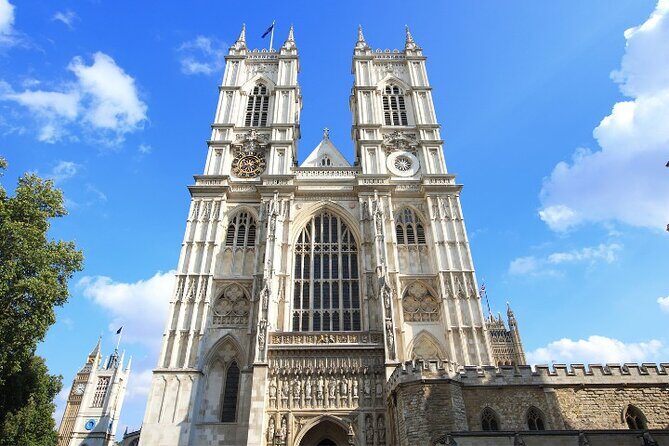
Westminster Abbey is another “even outside, you get it” stop. You can’t count on entry time, but you can see why it’s central to British ceremonial history and why people connect it to coronations and major state events.
Then comes the royal side in layers:
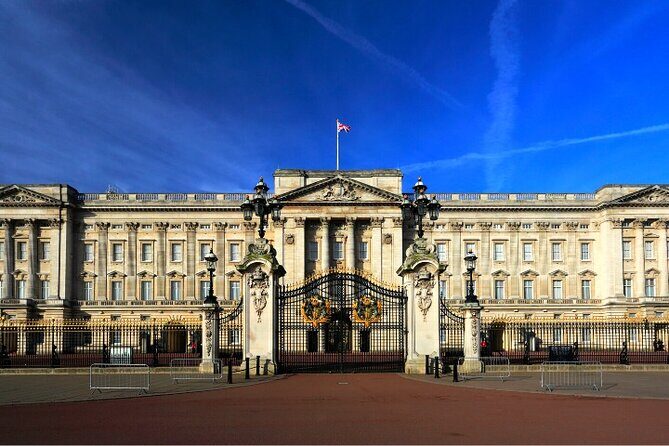
- Buckingham Palace and the Mall give you the royal-procession axis.
- St. James’s Palace and Clarence House add that older royal residential vibe near Whitehall.
- St. James’s Park gives you a reset with real breathing room and views back toward Buckingham Palace.
The memorial stops are worth paying attention to because they explain London’s modern emotional map—especially the Cenotaph and the Women of World War II Memorial. If you tend to skip monuments quickly, this route keeps them readable.
Finally, you end your day near Buckingham Palace, so you’re not stuck back where you started. That’s a real help if you’ve got evening plans, dinner reservations, or a theater ticket.
The 30+ stops: how to make short moments count
This tour is packed, and that can sound exhausting on paper. The key is that the guide keeps your attention on what to notice at each location—so a 5-10 minute stop doesn’t feel wasted.
Here’s how I’d think about the experience at different stop types:





Big iconic stops (your “wow” photos)
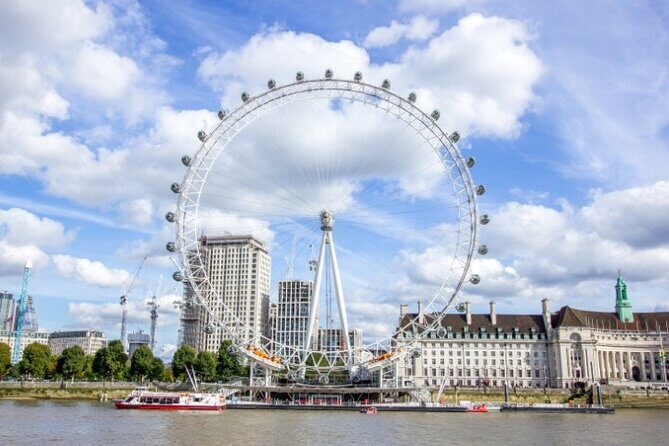
These are your time anchors: St. Paul’s, Big Ben, Buckingham Palace, Tower of London, Westminster Abbey, Tower Bridge, London Eye. Even without entry tickets, you’ll get the classic angles and enough context to understand what you’re seeing.
London Eye is a good example of why the route works. It’s modern compared to the rest of the list, but it’s placed in the river/skyline story, so it doesn’t feel random.
Government and power stops (for people who like how a city runs)
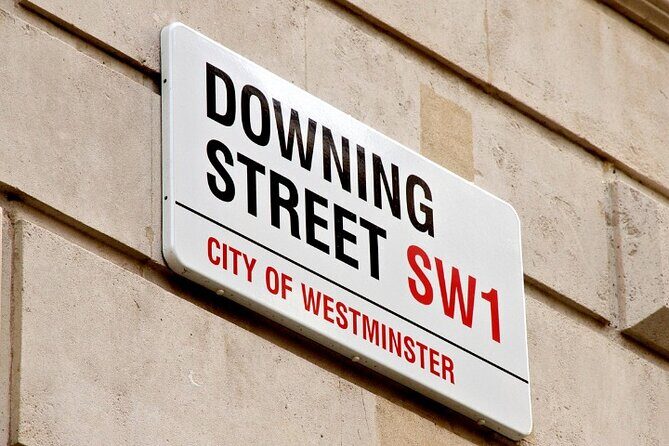
Houses of Parliament, 10 Downing Street, the Cabinet Office, the Ministry of Defence, and the UK Supreme Court are short stops with a purpose. You’re learning the “where decisions happen” geography of the UK—not in a textbook way, but in a walkable one.
If you enjoy asking why a place looks the way it does, this section is often the most satisfying.
Bridge and Thames moments (how London moves)
The Thames is repeatedly referenced in the route, which is smart. You get the river as a connector, not just a postcard. London Bridge and Tower Bridge help you see the “thick” geography of the riverfront, and you get the visual line that ties City sights to Westminster ones.
Modern London add-ons (so the day doesn’t feel stuck in the past)
The Shard is one of the skyline signals you’re meant to notice, and Sky Garden and Bloomberg keep the day balanced with 21st-century architecture. The Shard and Sky Garden stops are quick, but they give you the key visual reference points for later.
Sky Garden is also useful because it reminds you there are public viewing options here, not only private hotel viewpoints.
Smaller stops that still matter
Clarence House, HMS Belfast, New Scotland Yard, the Royal Exchange, the Monument to the Great Fire, St Margaret’s Church, Lancaster House, Bracken House, and Watling Street are short. But they add texture. I like routes that show you what you’d normally walk past without thinking twice.
A stop-by-stop feel for the day: what you’ll see and what to look for
You won’t get much “inside” time because entrance tickets aren’t part of the package. So your payoff is in outside viewing, photo angles, and quick interpretation.
- St. Paul’s Cathedral: the dome and why this building matters for London’s skyline. Plan for it to be a strong photo moment.
- Big Ben (Elizabeth Tower): pair the tower with the Parliament buildings nearby so you get the political landmark connection.
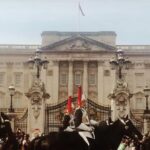
- Buckingham Palace + The Mall: focus on scale and the procession route. Even just walking near the red-surfaced Mall can change how you picture royal events.
- Tower of London: watch for the fortress identity and think about the long timeline of power and punishment.
- Westminster Abbey: look at why the building is tied to coronations and major national ceremonies.
- Tower Bridge + London Bridge: compare the “modern symbol” look with the older bridge history idea. It’s a neat way to see London’s layers.
- Houses of Parliament + 10 Downing Street: you’re learning which parts of London are tied to the daily rhythm of the UK.
- London Eye: use it as a marker for the Thames skyline and a simple planning tool for future viewpoints.
- Bank of England + Royal Exchange + Threadneedle area energy: these stops help you understand why the City got its reputation.
- Monument to the Great Fire: the point is resilience—one tower-shaped reminder of how London rebuilds.
- The Shard + Bloomberg + Bracken House: modern architecture stops keep the route from feeling like a single era.
- Watling Street + Roman road idea: this gives you a literal ancient line under your feet and helps the walking feel more connected to time.
- St. James’s Park + Green Park: a break from heavy stone and iron; you’ll get quick glimpses of the park vibe and views toward Buckingham Palace.
- Women of World War II Memorial + Cenotaph: slow down for these even if the schedule is tight. They’re powerful because of what they represent.
- HMS Belfast: a fast way to anchor the WWII story to a real ship presence.
- UK Supreme Court + Cabinet Office: final “rule of law and government support” stops that help the day click into place.
Lunch break near Tower Hill: how to handle it without messing up the day
You get a short lunch break near Tower Hill. Lunch itself is on your own dime, but the schedule gives you time to reset before the Westminster stretch.
This is how I’d plan your lunch strategy:
- Pick something you can eat quickly and still move on easily.
- Keep your bag light so the post-lunch walking doesn’t slow you down.
- If you want to buy tickets for later (since you’re outside-only today), use your lunch time to check opening hours for the top two or three places you want to return to.
It helps that the route includes a Tube ride, so the afternoon doesn’t feel like nonstop pavement.
Pacing, group size, and the guide style that makes it work
This tour runs about 5 hours and is designed for a walking day. Coverage is around 5 miles, with stop times often in the 5-15 minute range.
It also stays small: up to 25 people. That size matters because it keeps your guide’s attention tight. It’s easier to stay together, and it’s easier for the guide to help with photos.
The guide approach is a major reason people rate this highly. Names that show up in the guide lineup include Mike, Carolina, Adam, Matt, Eric, and Andrew. Across their styles, the common thread is practical help—like making sure you don’t feel awkward asking for photos, keeping the group engaged with questions, and giving tips that help you plan what to do next.
If you’re the type who worries you’ll get bored on “history walks,” this is also why the tour can feel fun. The story is organized so you can follow it in motion.
Price and value: why $26.35 can feel like a steal
At $26.35 per person for about 5 hours with a professional guide and 30+ landmarks, this tour is priced for value. The standout value point is that you’re not just buying a walk. You’re buying:
- an efficient route through two major zones,
- photo-ready stops,
- and context that helps you recognize what to prioritize later.
Yes, no entrances are included. But in London, you can easily spend a lot of money on individual tickets if you don’t have a plan. This tour acts like a guided map and helps you decide where your next day should go.
If you’re traveling with only one or two spare days, or you want an early orientation day, this price makes it easy to justify—especially since the included Tube journey reduces the “cost of getting between areas” that can slow your plan down.
Who should book this walking tour, and who should skip it
Book it if:
- you want major landmarks and government/royalty sights in one day,
- you like walking tours that explain what you’re looking at,
- and you’d rather spend money on later attraction entries you choose yourself.
Skip it if:
- you have walking or mobility difficulties,
- you’re traveling with prams/buggies/strollers,
- or you strongly prefer tours that enter sites with included tickets.
It’s also best with good weather. If London decides to do its thing with rain, your comfort level will depend on shoes and willingness to keep moving.
Quick practical tips so you enjoy the full 5 hours
- Wear comfortable shoes. The day is long and the stops add up to steady walking.
- Bring a camera or phone with enough battery for multiple photo stops.
- Plan your afternoon with the idea that you’ll end near Buckingham Palace, not back at St. Paul’s.
- If you want to go inside places later, make notes during the tour so you don’t forget the order that felt best to you.
Should you book this London highlights walking tour?
I’d book it if you want a fast, guided “see it all” London day that helps you understand the city’s layout and priorities. The biggest win is how much you cover without juggling multiple transport plans, plus the steady photo moments and guide support.
You should reconsider if your ideal day is ticketed entry to every famous site. Since admission isn’t included and the tour doesn’t enter attractions, this is more about orientation and photos than a checklist of inside experiences.
If you’re deciding between doing nothing and doing a guided loop, this one is a strong starter day. It’s also a smart choice early in your trip, because it helps you plan the next return visit with intention.
FAQ
Where does the tour start, and what time?
The tour starts at St. Paul’s Station (Exit 2) at 10:00 am. Meet at the top of the steps at Exit 2 next to Caffe Nero, where the guide will be holding a yellow umbrella.
Where does the tour end?
The tour ends at Buckingham Palace, London SW1A 1AA.
How long is the walking tour, and how far do you walk?
It runs about 5 hours and covers approximately 5 miles of walking.
Are entrance tickets to the sights included?
No. Entrance tickets aren’t included, and the tour won’t enter sights, landmarks, or attractions.
Is lunch included?
Lunch isn’t included. The tour takes a short lunch break near Tower Hill, and you’ll purchase food at your own expense.
Do you need a Tube ticket or card?
The tour includes one journey on the London Underground. You’ll need a valid Oyster card, contactless credit/debit card, or Apple/Google Pay for each guest.
Is the tour suitable for mobility limitations or strollers?
No. The tour isn’t suitable for guests with walking or mobility difficulties, and it isn’t suitable for prams, buggies, or strollers. Service animals are allowed.