REVIEW · MANCHESTER
Inspirational guided walking tour of Media City & The Quays
Book on Viator →Bookable on Viator
A walk here feels like flipping channels on Manchester’s story. This guided circuit links the media boom at MediaCityUK with the industrial muscle of Salford Quays and the canal—so you get context as you go.
What I really like is the setup. You’ll hear your guide loud and clear thanks to audio headsets, and the pace works for seeing real corners of the waterfront you might skip on your own.
The only thing to consider is that it’s a guided walk with several viewpoints. If you prefer long sightseeing stops or lots of time to wander solo, you may feel the time stays tight.
In This Review
- Quick hits before you go
- Why this MediaCityUK to Salford Quays walk fits a busy day
- Getting oriented at the start by MediaCityUK Salford M50 2EQ
- MediaCityUK: how Salford became the UK’s media and tech hub
- Walking the canal banks: the 19th-century engineering story
- IWM North on the Quays: culture, memory, and a landmark with presence
- Old Trafford viewpoints: football history with a side of survival
- The Manchester Ship Canal: rowing, watersports, and fishing you can feel
- Price, group size, and why the audio receivers matter
- Who should book this tour (and who might prefer something else)
- What to expect on the ground: timing, pacing, and questions
- Should you book this inspirational Media City and Quays guided walk?
- FAQ
- Where does the tour start and end?
- How long is the guided walking tour?
- What’s included in the price?
- Is the tour offered in languages other than English?
- How large is the group?
- Can I cancel for a full refund?
Quick hits before you go
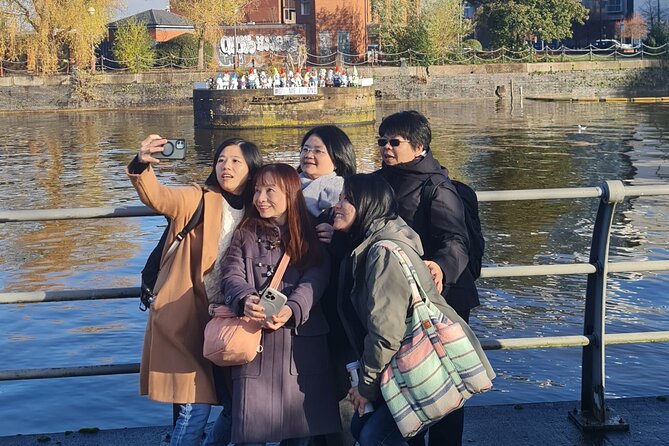
- Audio headsets help you catch every detail without leaning in or missing words
- MediaCityUK photos: great moments for pictures around the media production center
- Canal engineering storytelling as you walk the banks of a major waterway
- IWM North: art and culture tied to a major landmark along the Quays
- Old Trafford viewpoints with the club’s end-of-19th-century backstory in context
- Manchester Ship Canal focus on rowing, watersports, and fishing, not just scenery
Why this MediaCityUK to Salford Quays walk fits a busy day
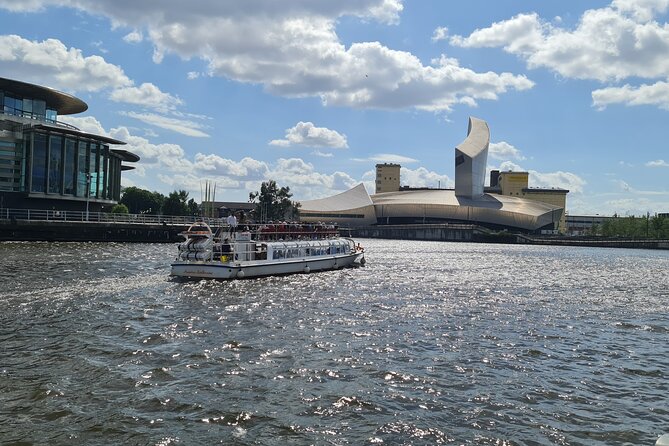
This tour keeps things focused and easy to follow. In about two hours, you move through the media-tech world at MediaCityUK and then into the stories of water, industry, and regeneration along the Quays.
You also get more than “look at this building.” Each stop is built around a reason to care—how MediaCity became the UK’s heart of media and technology, why the canal matters, and how landmarks like IWM North fit the area’s culture.
At $19.24 per person, the value comes from the combo: a qualified guide plus audio receivers. For a short walking tour, that kind of clarity usually makes the whole experience feel smoother, especially if Manchester’s street noise is louder than you expected.
You can also read our reviews of more tours and experiences in Manchester.



Getting oriented at the start by MediaCityUK Salford M50 2EQ
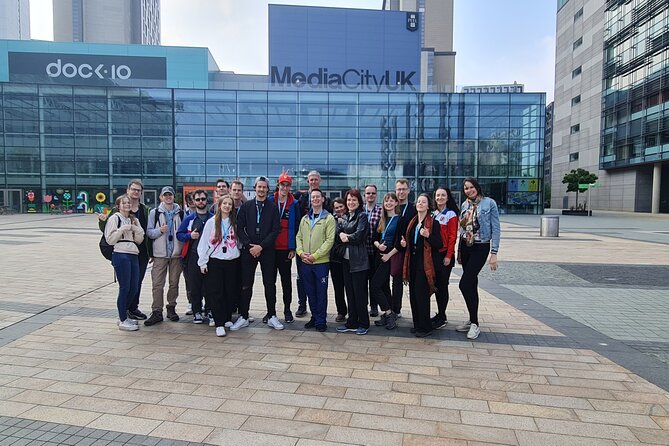
You start at MediaCityUK (Salford M50 2EQ) and you end back at the same meeting point. That simple loop is handy. You’re not hunting across town after the tour, and it makes it easier to pair with a later meal, museum visit, or a drink along the waterfront.
The tour format is also set up for mixed travel days. It’s offered in English, and it’s designed for most travelers. Service animals are allowed, which is useful to know if you travel with one.
One small practical point: it’s a walking experience with several stops. So if you’re coming in with stiff legs from a long train day, plan for comfortable shoes and steady pacing.
MediaCityUK: how Salford became the UK’s media and tech hub
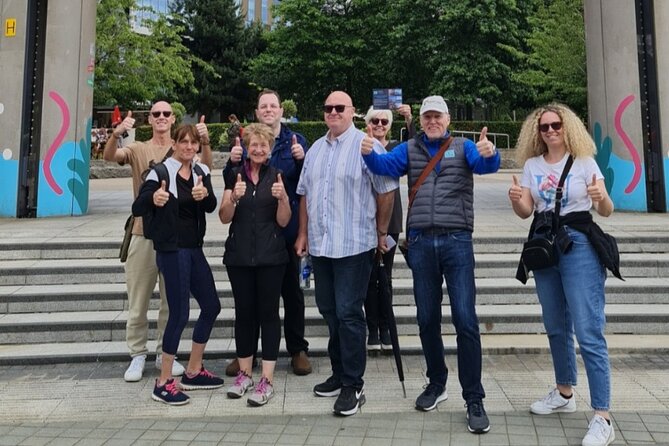
This first stretch is where the tour’s “why this place exists now” story begins. Your guide explains how Salford’s Media City became the UK’s heart of media and technology over the past decade.
That timeline matters because it reframes what you’re looking at. Instead of thinking, This is just a modern waterfront complex, you start seeing it as part of a deliberate shift—old industrial areas turning into new creative and tech spaces.
And yes, it’s photo-friendly. There’s enough going on around the media production center that you can grab shots without feeling like you’re taking pictures of blank walls. The tour adds captions in motion—what you’re seeing, why it’s there, and what changed to get us to this point.
Walking the canal banks: the 19th-century engineering story
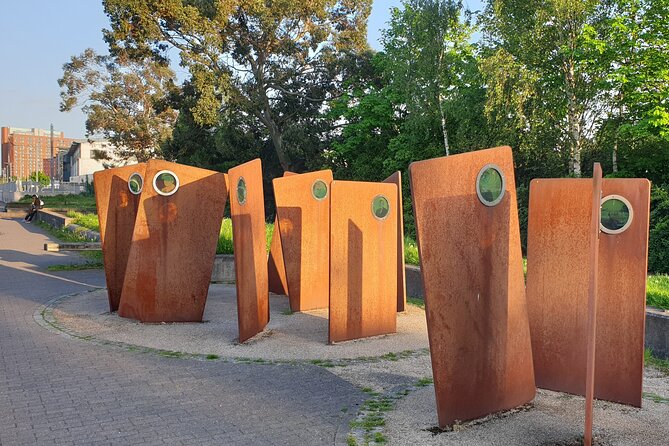
Then the tour pivots from modern media to older muscle: the canal-side story. You’ll walk alongside the banks of a mighty canal, and the guide focuses on the 19th century’s most awe-inspiring engineering achievement.
This is a smart move for a walking tour because it changes your brain mode. At street level, the canal can look calm and casual. But with the right facts, it becomes a system—built for industry, shaped by engineering, and connected to how the waterfront worked.
What you’ll likely enjoy most here is the contrast. MediaCity reads as future-facing and new. The canal story reminds you that the area’s identity didn’t start with TV studios—it started with waterways, transport, and large-scale planning.
If you’re the type who likes technical detail (or you just love a good infrastructure story), this section is a highlight.
IWM North on the Quays: culture, memory, and a landmark with presence
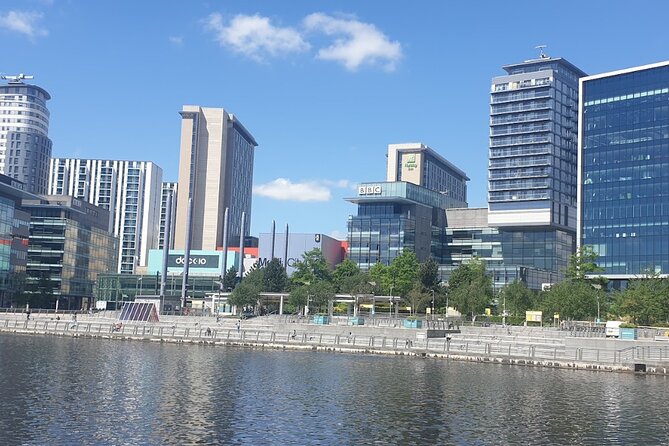
Next comes IWM North, described as the only IWM in the North of the UK. It’s also framed as a spectacular local landmark and one of the big art and culture installations along the Quays.
Even if you don’t plan to go inside on your day, you’ll still get a lot out of this stop. The guide connects the building to its purpose and to the wider story of why the Quays area has become a cultural destination, not only a place for offices and apartments.
There’s also a practical reason this stop works on a walking route. IWM North sits where you can read it in context—your walk naturally sets up the viewpoint, and the guide gives you the “what to notice” lens before you reach the building.
If you love places where architecture and storytelling mix, you’ll probably keep noticing details after the tour—materials, layout, and how the structure anchors the waterfront.






Old Trafford viewpoints: football history with a side of survival
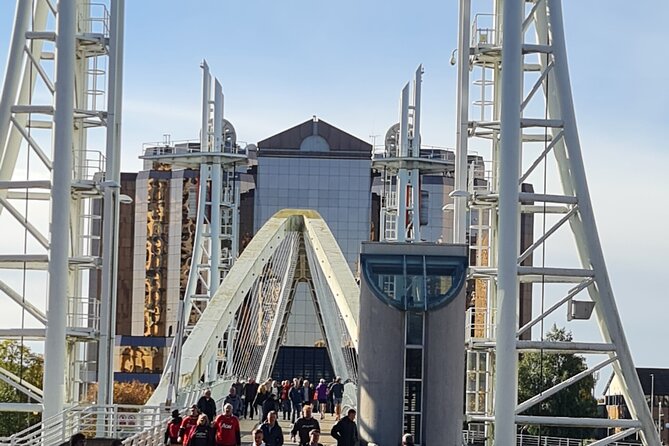
One of the most recognizable moments in the walk is the view toward Old Trafford, the famous stadium that has been here since 1910. The tour also shares the club’s story about how it was saved from obscurity at the end of the 19th century.
That’s the sort of fact that makes a “famous stadium sighting” feel more personal. You’re not just looking at a sports icon. You’re seeing a story arc: how it started, what nearly happened, and how the club ended up enduring long enough to become part of global football culture.
And because you’re on foot, you get what the tour calls the best possible view during the walk. It’s a nice reminder that in some cities, the best angles aren’t from paying admission—they’re from lining up at the right streets and waterline paths.
If you’re traveling with a football fan, this section will likely be the one they talk about later—especially once they hear the end-of-19th-century context.
The Manchester Ship Canal: rowing, watersports, and fishing you can feel
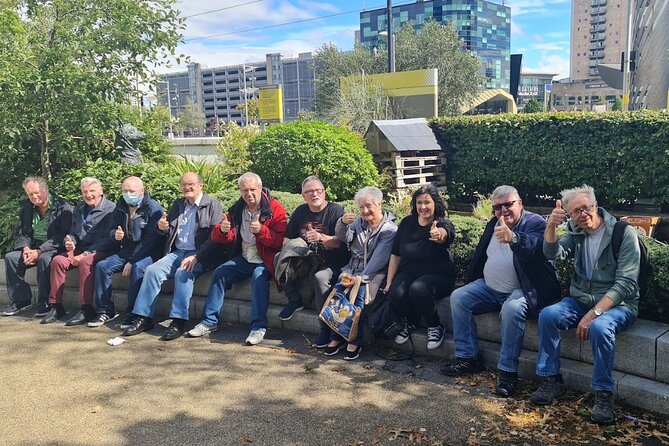
The final stretch turns back to the water. The tour shares what’s happening along the Manchester Ship Canal, including rowing, watersports, and fishing.
This part lands because it makes the canal feel alive. Instead of treating the water as a historical backdrop, the guide frames it as a working and recreational space today. That’s what makes the whole route feel complete: past and present, industry and leisure.
You’ll probably notice how the canal connects the neighborhood’s identity. This is where the Quays stop being just a pretty edge and start being a functional corridor—moving people, supporting sport, and keeping the area tied to Manchester’s relationship with waterways.
It’s also a good way to end the tour. By the time you reach this section, you’ve already gotten the “why” behind regeneration. Now you see the “how it’s used.”
Price, group size, and why the audio receivers matter
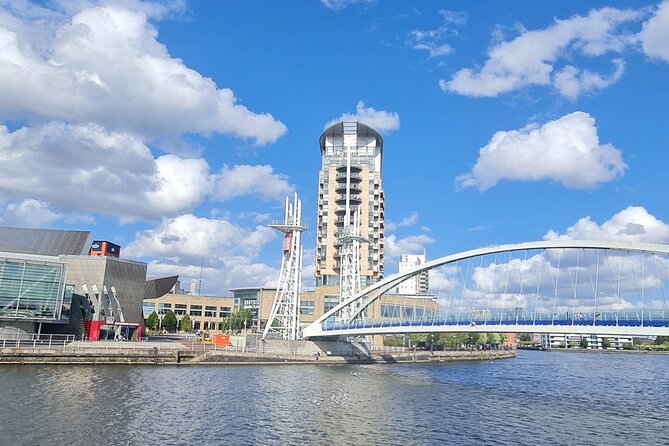
Let’s talk value in plain terms. At $19.24 for about two hours, you’re paying for three things: a qualified guide, the route through multiple major stops, and audio receivers.
The audio piece is not a small detail. Walkups and city streets can swallow voices fast, especially in wind or near busy traffic. Headsets help you stay present and actually follow the story without constantly asking for repeats.
The group size is also capped at 20 travelers. Smaller groups usually mean you can hear questions and feel more like you’re being guided rather than shepherded.
If you’re deciding between solo exploring and a tour, this one has a built-in advantage: it gives you a coherent narrative across MediaCityUK, the Quays, and the canal. Without that thread, you can still see the sights—but you might not get the “why it matters” that makes these places click.
Who should book this tour (and who might prefer something else)
I think this tour fits best if you want quick, high-impact orientation. If you’re new to Manchester or you only have a short window in the Salford Quays area, you’ll get a lot of context without spending half a day chasing information.
It also works well for mixed groups. A media-curious traveler gets MediaCityUK’s story. A culture fan gets IWM North. A sports fan gets Old Trafford with the historical backstory. And anyone who enjoys water and outdoor activity will appreciate the canal focus on rowing, watersports, and fishing.
You might want a different style of tour if you hate tight schedules. Because it’s designed around multiple stops, you won’t have hours of free time at each location to drift at your own tempo.
What to expect on the ground: timing, pacing, and questions
The tour runs for about two hours. The schedule is structured by stops, with each one built around a specific theme—media and technology, engineering, IWM North, Old Trafford history, and then ship canal uses.
Your guide will likely answer questions as you walk. One of the things I’d treat as a positive here is that the guide is presented as someone who makes the tour personable and willing to go further when asked.
If you’re running late, it’s worth knowing the guide has been reported to check in by phone when a person missed a bus. That doesn’t mean you should plan to arrive late, but it does suggest the team communicates when it matters.
For comfort, plan for changeable Manchester weather. It can go from sun to cloud to rain quickly, and you’ll still be outside for the full walk.
Should you book this inspirational Media City and Quays guided walk?
Yes, if you want a clear, story-driven introduction to Salford Quays that doesn’t eat your whole day. I’d book it for first-time visitors, couples, and small groups who want real context around the media skyline, the canal, and major landmarks like IWM North and Old Trafford.
I’d skip it if you’re the type who prefers long independent wandering with minimal structure. The best version of this tour is when you’re happy to walk, listen, take a few photos, and move on to the next stop with the story in your head.
If you want to understand how modern media moved into a redeveloped waterfront—and how the canal and industrial-era engineering still shapes the place—you’ll get your money’s worth.
FAQ
Where does the tour start and end?
The tour starts at MediaCityUK, Salford M50 2EQ, UK and it ends back at the same meeting point.
How long is the guided walking tour?
It lasts about 2 hours.
What’s included in the price?
You get a qualified tour guide plus audio receivers so you can hear the guide clearly.
Is the tour offered in languages other than English?
No. The tour commentary is offered in English only.
How large is the group?
This tour has a maximum of 20 travelers.
Can I cancel for a full refund?
Yes. You can cancel for a full refund up to 24 hours before the experience starts.