REVIEW · MANCHESTER
SEA LIFE Manchester Admission Ticket
Book on Viator →Operated by SEA LIFE Manchester · Bookable on Viator
Sea creatures are a pretty good plan for a rainy day. SEA LIFE Manchester is an easy, family-friendly stop with interactive exhibits and a route you can follow at your own pace, from Turtle Beach 3D to the glass tunnel overhead.
I especially like the Turtle Beach projection (it tells the sea turtle life cycle like a story, not a lecture), and the big “walk-under” glass tunnel where you can watch sea turtles glide overhead. One thing to keep in mind: the experience usually takes about 2 hours, so if you want to linger everywhere, you may end up wishing you had more time.
In This Review
- Key things to know before you go
- SEA LIFE Manchester in the big picture: a smart Manchester half-day
- Price and value: what you’re really paying for
- Your walkthrough route: from Turtle Beach to Conservation Cove
- Step 1: Turtle Beach and the sea turtle life cycle story
- Step 2: Underwater cave systems and oddball fish faces
- Step 3: Moon jellyfish with a color-changing interactive tank
- Step 4: Shipwreck creatures and the shark introduction
- Step 5: The glass tunnel moment with Ernie overhead
- Step 6: Tropical ocean tank views and SeaTREK spotting
- Step 7: Stingray Bay and the calm, happy-ray zone
- Step 8: Rockpools hands-on micro-habitats
- Step 9: Conservation Cove and the turtle game
- Step 10: Sandbox playtime
- Staff and experiences: when to add a feeding or snorkel-style option
- Timing and crowd reality: how to make your 2 hours feel longer
- Practical tips before you go (so your day stays easy)
- Who this ticket is best for
- Should you book SEA LIFE Manchester admission?
- FAQ
- How long does SEA LIFE Manchester admission take?
- Can I choose my entry time?
- Is the ticket mobile?
- What is included with the admission ticket?
- What is not included?
- Can I cancel for a full refund?
- Are service animals allowed?
Key things to know before you go
- Timed entry you control: pick your arrival time so you can plan around naps, parking, and school schedules.
- Mobile ticket for quick entry: you scan a phone ticket instead of hunting for paper.
- A lot of hands-on stops: Rockpools is built for touch, with staff guiding what you can feel.
- Named animals make it easier to follow: you’ll meet turtle Ernie and the fish Bonaparte by name.
- Staff-led moments can be the highlight: families often single out guides such as Jordan and Isla during feeding-style experiences.
- Plan food off-site: there’s no mention of food and drinks being included with admission.
SEA LIFE Manchester in the big picture: a smart Manchester half-day
SEA LIFE Manchester is the kind of attraction that fits neatly into a day without taking over your whole itinerary. It’s also a good move if your group has mixed ages, because you can go at different speeds: fast for the thrill-hunters, slow for the kids who need time at each tank.
If you’re visiting central Manchester, you’ll find it works well as either a morning reset or an afternoon activity before dinner. One practical bonus from people who’ve been is the chance to pair it with a nearby meal plan, since food isn’t part of the ticket.
You can also read our reviews of more tours and experiences in Manchester.



Price and value: what you’re really paying for
The admission ticket is listed at $22.03 per person, and the typical visit runs about 2 hours. For that price, you’re not just looking at fish behind glass. You’re getting a full loop of interactive exhibits, multiple viewing styles (walk-through and overhead), and several creature moments that feel different from tank to tank.
This is also an attraction where timing matters for value. If you book ahead, you avoid that annoying scramble when everyone’s hungry and the kids are already at their limit. On average, this is booked about 8 days in advance, which tells you it’s a popular family option.
Small group note: the activity listing says a maximum of 5 travelers. In real life, SEA LIFE spaces can still get busy at peak times, but smaller group entry can still help your visit feel less chaotic than a mass rush.
Your walkthrough route: from Turtle Beach to Conservation Cove
Think of your visit as a “themed corridor” of underwater storytelling. You’ll start with a big interactive learning stop, then move into creature habitats with different textures and lighting, and finish with conservation and kid-friendly activities.
The route is designed so you don’t have to memorize anything. You just follow what’s in front of you, pause when something grabs your attention, and keep going until you’ve made the full circle.
Step 1: Turtle Beach and the sea turtle life cycle story
Your first major stop is Turtle Beach, a 3D projection experience that tracks the sea turtle life cycle, from egg stages to life in the sea. This matters because it gives the animals context before you ever reach the tanks, so the visit feels like a story arc instead of a checklist.
It’s also a good “attention keeper.” Kids who wiggle in regular museums often do better when the show is tied to what they’ll see next.
Step 2: Underwater cave systems and oddball fish faces
Next up is the world of underwater cave systems and some creatures that look like they were built for a sci-fi movie. You’ll have a chance to see spiny lionfish and poisonous, deadly porcupine fish (pufferfish).
This section is where you’ll feel the attraction’s personality. SEA LIFE Manchester leans into the strange and slightly spooky. It’s not just cute fish. It’s the “wait, that’s real?” factor that keeps older kids interested too.






Step 3: Moon jellyfish with a color-changing interactive tank
Then comes the moon jellyfish exhibit. The interaction is simple but fun: you choose a color and watch how the jellyfish tank changes your view.
There’s also a quick fact that sticks because it’s so odd: jellyfish don’t have brains, stomachs, blood, heart, or eyes. It’s the kind of detail kids love repeating on the train home.
Step 4: Shipwreck creatures and the shark introduction
After jellyfish, you transition into the start of the shark story. Before you meet the sharks themselves, you’re transported into a shipwreck setting with deep-sea creatures.
One creature to look for is the juvenile common octopus, Octopus Prime, known for hiding in the nooks and crannies of her tank. This is a great stop for parents because it naturally creates a scavenger-game vibe.
Then you reach a viewing area where blacktip reef sharks swim overhead, which adds that “I can’t believe they’re right there” feeling.
Step 5: The glass tunnel moment with Ernie overhead
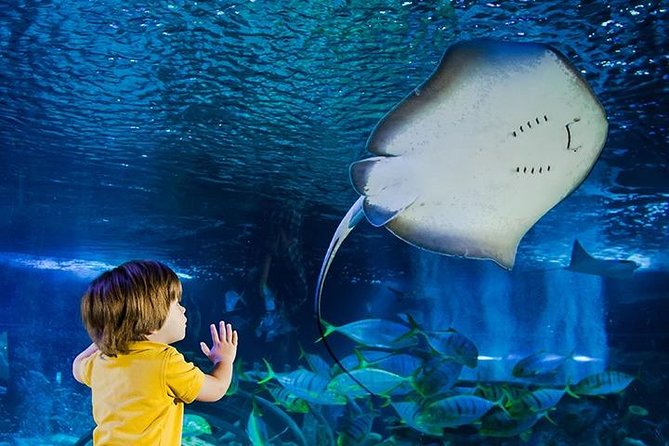
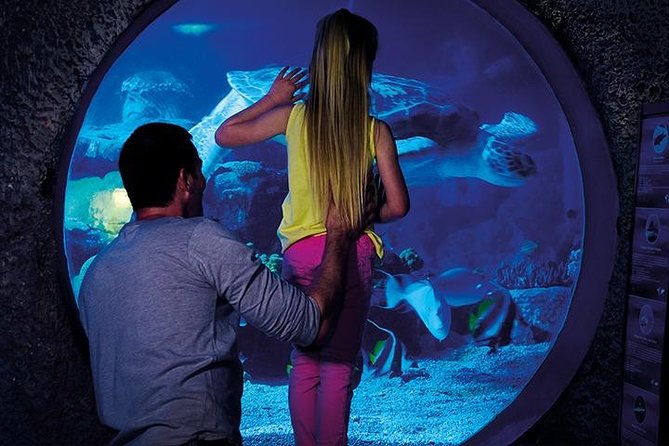
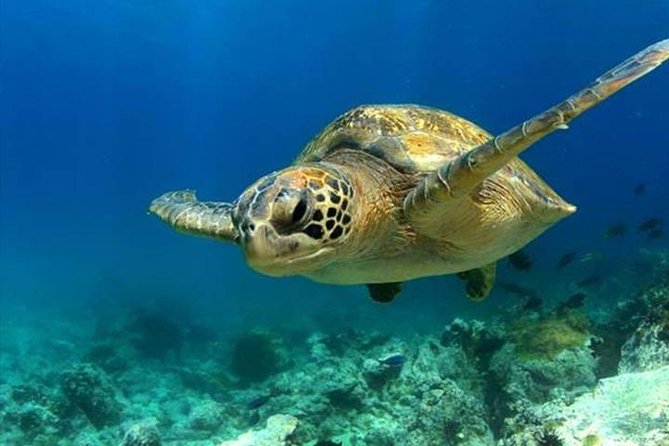
A major highlight is the glass tunnel, where you pass through an underwater-style walkway. Shoals of fish flutter alongside you, and green sea turtle Ernie glides over your head.
This is a smart design choice. Standing still is easy, but walking through creates motion. Your group feels like they’re part of the ocean, even though you’re in Manchester.
You’ll also have names to remember here, including napoleon wrasse Bonaparte, which is easier to spot when the exhibit gives you a story hook rather than just a species name.
Step 6: Tropical ocean tank views and SeaTREK spotting
There’s another big tank area where sharks and rays glide in the tropical ocean setting, surrounded by lots of colorful fish. From certain viewpoints, you can even see people exploring underwater via SeaTREK and the divers’/explorers’ activity area.
This is useful if you have kids who love real-world action. It breaks up the “just watch fish” rhythm and gives you a reason to keep looking even after the first big tank moment.
Step 7: Stingray Bay and the calm, happy-ray zone
Next is Stingray Bay, designed to feel relaxing. You’ll be able to watch rays as they move, with special attention on happy, smiley rays in the exhibit’s tone.
You can also look for blue spotted ray and Cal, described as a friendly rescued baby leopard shark. If your kids love gentle animals, this is usually where they settle down a bit.
Feeding-style experiences are also a big draw for some visitors, and staff names like Jordan and Maya come up often in feedback. If you want more than viewing, this is where an add-on experience can turn the day from good to memorable.
Step 8: Rockpools hands-on micro-habitats
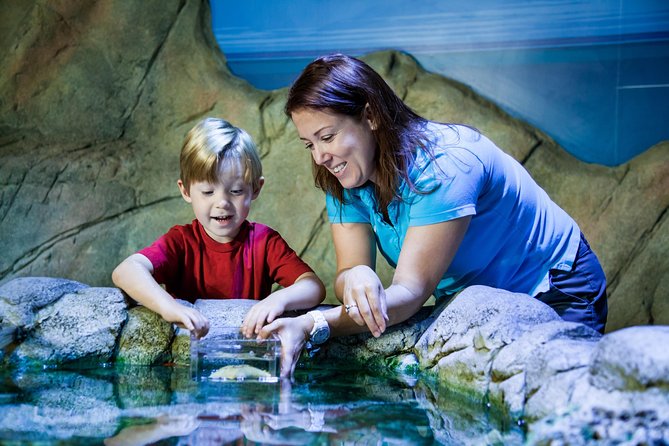
One of the most practical parts of the whole visit is Rockpools. You can stroke a starfish, tickle a sea anemone, and feel the shell of a crab, with experts on hand to guide what’s safe and what to look for.
This is one of those sections that makes your ticket feel “worth it,” because it’s hard to get that kind of hands-on learning in many city attractions. It’s also a nice way to keep toddlers and preschoolers involved without constant “don’t touch” reminders.
Step 9: Conservation Cove and the turtle game
You end at Conservation Cove, focused on what SEA LIFE and the SEA LIFE Trust partnership work on. There’s an interactive turtle game where little ones can help save baby turtles get to the sea.
This stop matters because it gives you a takeaway beyond animals. You can connect what your kids saw (turtles, threats, habitat) to what the aquarium says it’s working toward.
Step 10: Sandbox playtime
Finally, there’s a sandbox area with mysterious dangers you might find at the beach. It’s basically the exhibit equivalent of a short play break, and that’s useful because it helps you finish the visit without cranky energy.
Staff and experiences: when to add a feeding or snorkel-style option
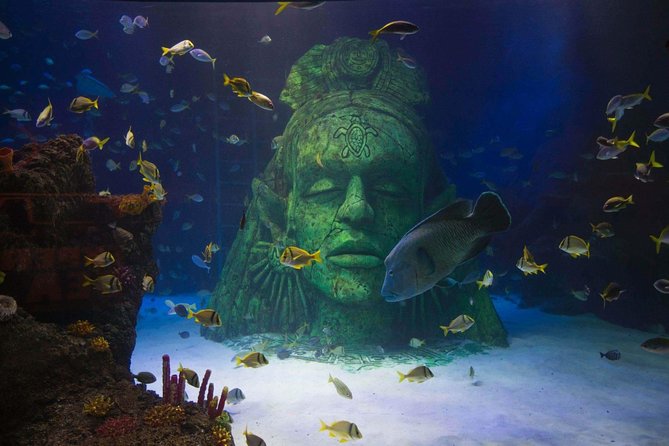
Admission gives you the core loop. If you want extra “wow,” SEA LIFE Manchester is known for additional experiences like snorkelling with sharks and feeding sessions (stated in guest feedback).
People highlight staff members by name, including Jordan, Isla, and Maya, especially during turtle feeding and stingray feeding-style moments. That’s a strong signal to you: if your family wants interaction and clear explanations, these guided add-ons are where the staff attention gets more personal.
How to decide if you should add something:
- If your group thrives on structured activities, pick one guided experience.
- If your group prefers wandering, stick with admission and enjoy the exhibits at your pace.
- If you’re travelling with very young kids, consider how long the experience will keep attention before you buy anything that runs on a set schedule.
Timing and crowd reality: how to make your 2 hours feel longer
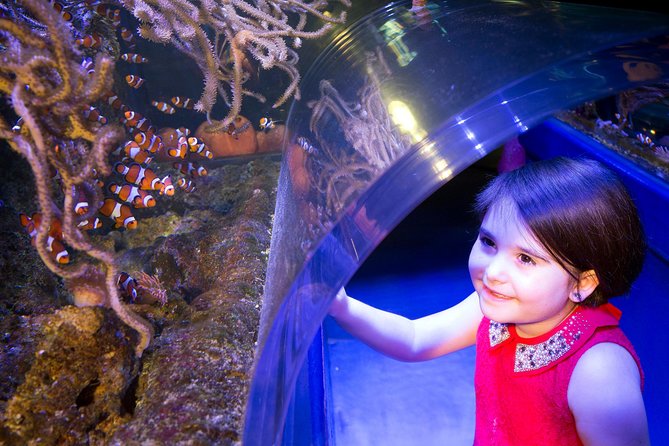
A 2-hour visit sounds simple until you hit a line at a popular tank. School holidays can make the tunnels and viewing areas feel crowded, so you’ll get more comfort by choosing a time that matches your group’s energy.
If you want the smoothest experience, I’d aim for earlier slots if possible. It helps you hit the “big wow” moments before everyone else stacks up at the same glass tunnel.
Also, don’t underestimate walking speed. If you’re stopping for questions, taking photos, and doing Rockpools, the visit can expand fast. Better to plan for a gentle pace than to treat it like a sprint.
Practical tips before you go (so your day stays easy)

1) Use your mobile ticket. This is a phone-scan style admission, which keeps entry quick. Just make sure your battery is charged.
2) Eat before or after. Food and drinks aren’t included, and one visitor noted there’s no cafe inside the Sea Life Centre, with a common workaround being a walk over a footbridge into the Trafford Centre for lunch. Plan around that, especially if you’re travelling with kids who need regular snacks.
3) Budget for souvenirs. Souvenir photos are available to purchase, but they’re not included in the admission ticket. If you think you’ll buy them, it’s better to treat it as an optional add-on rather than a surprise.
4) If it’s a birthday, look for family add-ons. One family mentioned an explorer pack and a birthday badge, plus softplay as a bonus. If you’re visiting for a celebration, check what packages bundle extra touches for little ones.
5) Parking can be a plus. Reviews mention parking is excellent, which is useful if you’re not arriving by train or bus.
Who this ticket is best for
SEA LIFE Manchester admission works especially well for:
- Families with young kids who want interactive stops like Rockpools and the turtle game
- First-time aquarium visitors who want a structured route with big visual moments
- Groups that like learning but don’t want long, lecture-style museum time
It’s also a good pick if you’re staying in or around Manchester and want a plan that doesn’t require complicated logistics. You pick an entry time, show your mobile ticket, and follow the underwater storyline.
Should you book SEA LIFE Manchester admission?
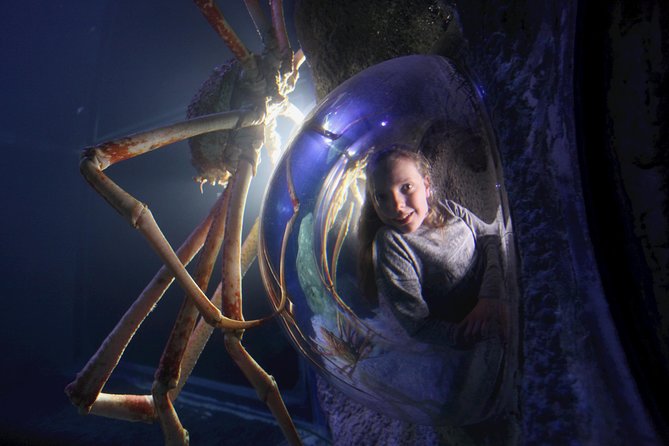
Yes, if you want an easy, family-friendly experience that mixes learning with real “look up at the ceiling” moments. The Turtle Beach intro and the glass tunnel with Ernie overhead are the kind of highlights kids remember, and Rockpools gives you hands-on time that makes the ticket feel more than just looking.
I’d hold back on impulse booking if you’re hoping for a half-day of deep, slow museum-style wandering. This is designed around about 2 hours, so if your group needs lots of extra time at every stop, plan a longer Manchester day around it.
Overall, if your goal is a smooth, kid-approved indoor activity with plenty to see, this ticket is a strong value choice.
FAQ
How long does SEA LIFE Manchester admission take?
It’s listed as approximately 2 hours.
Can I choose my entry time?
Yes. You choose your own entry time.
Is the ticket mobile?
Yes. The ticket is a mobile ticket.
What is included with the admission ticket?
The admission ticket includes entry only.
What is not included?
Souvenir photos are not included, and food and drinks are not included.
Can I cancel for a full refund?
Yes. Free cancellation is available up to 24 hours in advance for a full refund.
Are service animals allowed?
Yes. Service animals are allowed.