REVIEW · MANCHESTER
Manchester: 2-Day Hop-On Hop-Off Bus Tour
Book on Viator →Operated by Sightseeing Bus Tours · Bookable on Viator
Manchester goes fast when you’re on your own. This two-day hop-on hop-off bus helps you stitch the city together with a simple loop and on-board audio. You get an easy way to see the highlights from street level, then spend your walking time where you actually care to linger.
I like that it’s built for flexibility: you can jump off near major landmarks and come back later, rather than racing between distant stops. I also like the practical structure—an around-town ride of about 1 hour 15 minutes means you’re not committing your whole day to the bus.
One thing to plan for: it’s not a super frequent system, and timing matters. If you hop off late or get stuck between departures, you may wait a bit before the next bus arrives.
In This Review
- Key things to know before you ride
- Two days on the open-top loop: is the $20.80 price fair?
- Your Manchester route in plain English: from Piccadilly to the Cathedral and beyond
- Sightseeing Manchester + Piccadilly Gardens
- National Football Museum
- Cathedral Gates + St John the Evangelist
- The Quays + Sir Matt Busby Way
- Imperial War Museum + Liverpool Road
- Stop-by-stop: what each location is good for (and when to skip it)
- Piccadilly Gardens: best for orientation and a quick break
- The Cathedral Gates and St John the Evangelist: slow down and walk
- National Football Museum and Sir Matt Busby Way: do your homework with your time
- The Quays: a breather from the center
- Imperial War Museum: the meaning stop
- Hop-on hop-off timing: how to avoid waiting between buses
- Audio commentary and open-top views: best seating habits
- Comfort facts: what’s included and what you’ll need to bring
- Where this fits best: who should book, and who should skip
- Price and logistics: make this tour work for your day
- Should you book this Manchester two-day hop-on hop-off bus?
- FAQ
- How long is the Manchester hop-on hop-off bus tour?
- What is the price for the 2-day hop-on hop-off tour?
- What’s included in the ticket?
- Is there a restroom on board?
- Is Wi‑Fi available on the bus?
- Can I use a mobile ticket?
- Are service animals allowed?
- What are the rules for canceling?
Key things to know before you ride
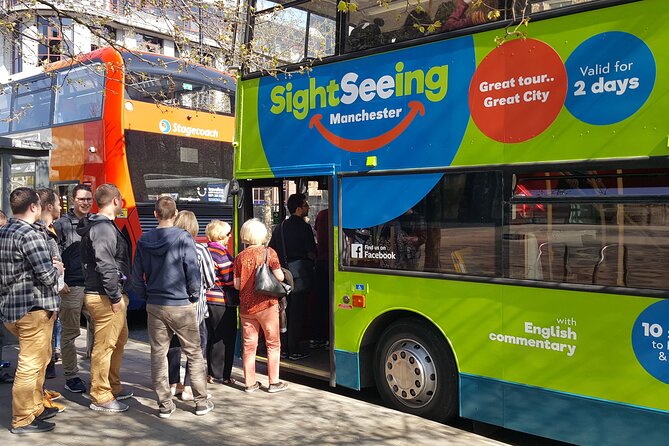
- Two-day flexibility: hop on again the next day without having to re-plan everything
- Open-top sightseeing: great for photos when the weather behaves
- Audio guide included: commentary is part of the value, but you may need to sit where you can hear clearly
- Central stops, walkable clusters: you’re dropped close to big sights like the Cathedral area and Piccadilly Gardens
- Be smart about timing: later runs can be limited, so plan your hop-offs earlier in the day
- No restroom or Wi‑Fi on board: bring water and plan around your device needs
Two days on the open-top loop: is the $20.80 price fair?
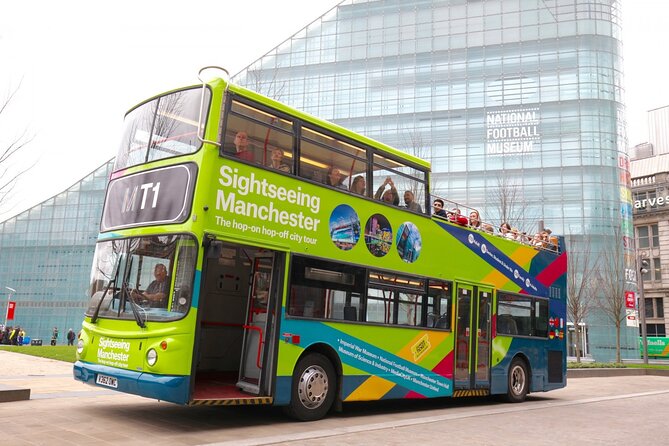
At about $20.80 per person for a two-day ticket, this bus isn’t trying to be a “premium experience.” It’s trying to do one job well: help you get oriented and move through Manchester with less friction.
The ride time is about 1 hour 15 minutes each circuit, which is a useful length. Short enough that you can still make plans on foot, long enough that you’ll get a real sense of where things are. And because it’s hop-on hop-off, the ticket starts to feel like value once you use it to connect multiple parts of the center instead of doing everything as one long walking day.
What you’re paying for is the combination of:
- an open-top sightseeing bus ride,
- on-board commentary (audio guide included),
- and the ability to choose what to explore versus what to just look at from the road.
If your goal is a “see it all quickly” afternoon, you might find the bus alone isn’t enough. But if your goal is to build a customized day around the route, this format usually fits well.
You can also read our reviews of more tours and experiences in Manchester.



Your Manchester route in plain English: from Piccadilly to the Cathedral and beyond
This loop hits a bunch of the city’s recognizable anchors, so you can treat it like a live map. The stops are clustered in a way that makes walking practical instead of exhausting.
Here’s what the sequence means for you in real time:
Sightseeing Manchester + Piccadilly Gardens
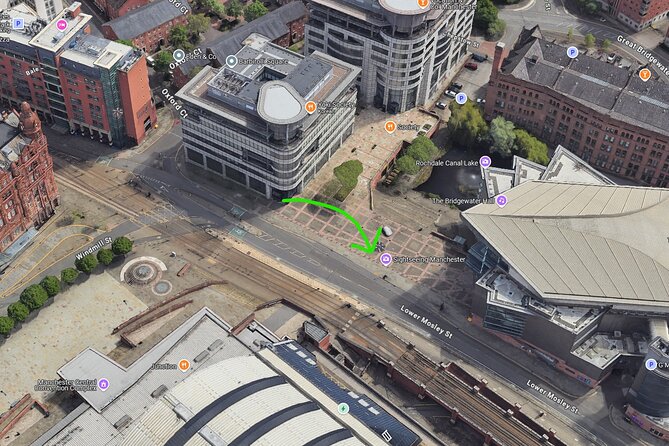
You start with an overview-style sightseeing moment, then slide into Piccadilly Gardens, one of the easiest places to ground yourself in central Manchester. It’s a good “reset stop.” If you need coffee, a quick snack, or a moment to figure out your next move, this is where you’re likely to want to hop off.
Tip: treat Piccadilly Gardens as your staging area. If the audio is busy or hard to catch while you’re settling in, you’ll still get value from hopping off and orienting yourself on foot.
National Football Museum
Next up is the National Football Museum area. Even if you don’t go inside, the location gives you a clear connection to Manchester’s football culture. This is a strong stop if you’re interested in sports, and it also works well for families because it’s an obvious “kid-friendly” landmark.
If you’re pairing the bus with a museum day, this stop helps you avoid the common problem of ending up too far from what you actually want to see.
Cathedral Gates + St John the Evangelist
Then the route shifts into the Cathedral zone: Cathedral Gates and the Cathedral Church of St John the Evangelist. This area is where the city’s vibe changes. The road view starts to feel more historic and reflective compared to the busier retail and transport corners.
This is a great hop-off point if you want a calm walking segment. It’s also useful if you like to compare city architecture from the outside before deciding whether a longer church visit makes sense for your schedule.






The Quays + Sir Matt Busby Way
Moving toward The Quays and then Sir Matt Busby Way, you get a sense of Manchester’s modern edge and its deep ties to football again. The Quays stop is a handy bridge between “downtown sights” and “waterfront/walkable open space” energy, even if you don’t spend hours there.
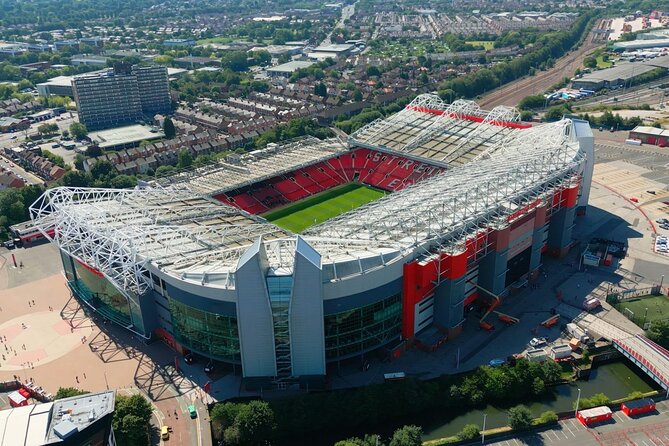
Sir Matt Busby Way is another practical landmark. If you’re building a football-themed day, this helps you string together locations without guessing directions.
Imperial War Museum + Liverpool Road
Finally, you hit the Imperial War Museum area and then Liverpool Road. The War Museum stop is ideal if you want to add a heavier, more meaningful indoor experience to your itinerary. And Liverpool Road works as a “last-mile” kind of stop—useful if you want to walk toward a transit connection or continue exploring independently afterward.
Stop-by-stop: what each location is good for (and when to skip it)
You don’t have to treat every stop as mandatory. The best use of hop-on hop-off is picking the two or three places you really care about and letting the rest be “nice views.”
Piccadilly Gardens: best for orientation and a quick break
If you arrive in Manchester and feel slightly untethered, Piccadilly Gardens helps you regain control. It’s a central hub, and it makes your day easier to plan because it’s where a lot of people naturally pass through.
Why it’s worth it: even a short hop-off gives you a reference point for direction and timing.
When to skip: if you’re already settled into the city and heading straight for museums, you might treat it as a pass-through.
The Cathedral Gates and St John the Evangelist: slow down and walk
The Cathedral area is perfect for a slower pace. If you enjoy exterior architecture, garden-adjacent paths, or just stepping into a quieter pocket of the city, this is a solid hop-off group.
Why it’s worth it: you’re not just looking—you’re getting a built-in reason to walk.
When to skip: if your itinerary is entirely about sports and museums, you may choose to keep this as a view-from-the-road stop.
National Football Museum and Sir Matt Busby Way: do your homework with your time
The National Football Museum stop and Sir Matt Busby Way create a clear football thread. This can be a big win if football is part of your trip identity, not just background.
Practical note: if you’re short on time, consider prioritizing one “inside stop” (museum) and using the other as a photo and orientation stop. That way you don’t end up spending your whole day queuing and walking in circles.
The Quays: a breather from the center
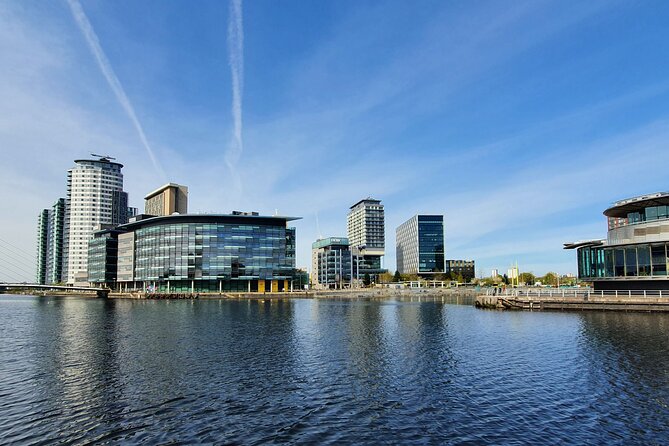
The Quays stop is where you get a bit more open, airier walking space compared to tighter shopping corridors. Even if you don’t plan an extended stop, hopping off briefly helps you break up the day.
Why it’s worth it: it turns a bus day into an actual walking day.
When to skip: if weather is rough or you’re already doing lots of indoor time, you can stay on and enjoy the route views instead.
Imperial War Museum: the meaning stop
The Imperial War Museum area is the kind of place you go when you want something more substantial than landmarks. If you’re building a balanced day—light sights plus one serious stop—this is the place.
Tip for planning: if this is your priority museum, don’t leave it as a late-day impulse. You’ll get better results by scheduling it earlier so you’re not rushing.
Hop-on hop-off timing: how to avoid waiting between buses
Here’s the key reality with hop-on hop-off: the “on” part is easy, the “off” part depends on timing. One clear theme from experiences people share is that departures aren’t constant all day, and you should expect some wait if you hop off at less convenient moments.
A couple of practical ways to make this work:
- Hop off earlier, especially if you’re planning multiple stops.
- If you want a long museum visit, pair it with a clear return plan so you don’t miss your preferred ride back.
- If you’re traveling with kids, choose two stops and commit to them, rather than hopping off and on repeatedly.
Also, note that the last ride timing can be earlier than you’d hope. If you’re trying to maximize your day, plan your big hop-off around the morning or early afternoon rather than gambling on a late circuit.
Audio commentary and open-top views: best seating habits

The tour includes an audio guide through on-board commentary, and that’s a big part of the value. Still, audio can be tricky on open-top buses. You may find it harder to hear clearly depending on where you’re seated and how loud the environment is outside.
My advice:
- Sit where you can best hear the driver or the speaker system. If you’re near the edges and wind is high, the narration can get harder.
- If you’re sensitive to sound, don’t rely on perfect audio from far back. Treat the bus as the orientation tool, not as your only source of info.
- Have a backup plan: write down (or screenshot) the stop names you care about. Then even if audio is spotty, you won’t miss your moment.
Comfort facts: what’s included and what you’ll need to bring
The bus experience includes:
- Round-trip by open-top sightseeing bus
- On-board commentary / audio guide
And it does not include:
- restroom on board
- Wi‑Fi on board
That combination changes how you should pack. If you’re riding for long stretches across two days, bring water and plan restroom breaks around your hop-offs. Since there’s no Wi‑Fi, download anything you need before you board. Keep your phone charged, because your navigation will matter once you step off.
Good to know on the practical side:
- service animals are allowed,
- most people can participate,
- and children must be accompanied by an adult.
Where this fits best: who should book, and who should skip
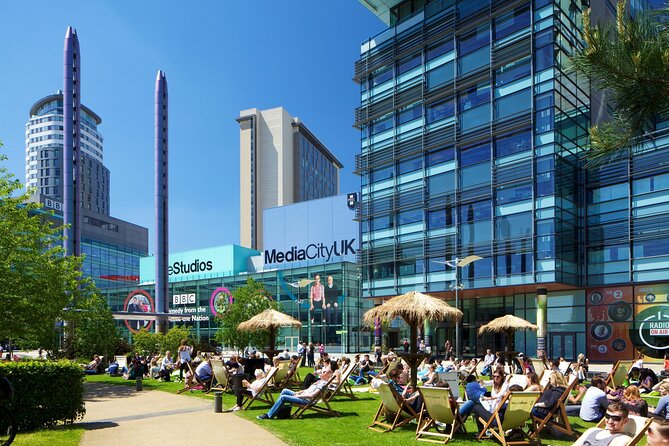
This is a strong choice if you:
- want an easy way to get your bearings fast in central Manchester,
- like the idea of combining bus rides with short walks to specific landmarks,
- are traveling with a mix of interests (football + cathedral + a museum stop),
- or have limited time and want a route that covers the center.
You might think twice if you:
- need guaranteed audio clarity from anywhere on the bus,
- dislike waiting around for the next departure,
- or plan to do a full schedule late in the day without extra buffer.
Also, one concern worth taking seriously is Sunday reliability. Based on the experience people shared, that day can be unpredictable in a way you don’t want on a trip. If you can choose your travel days, I’d aim for a weekday instead.
Price and logistics: make this tour work for your day
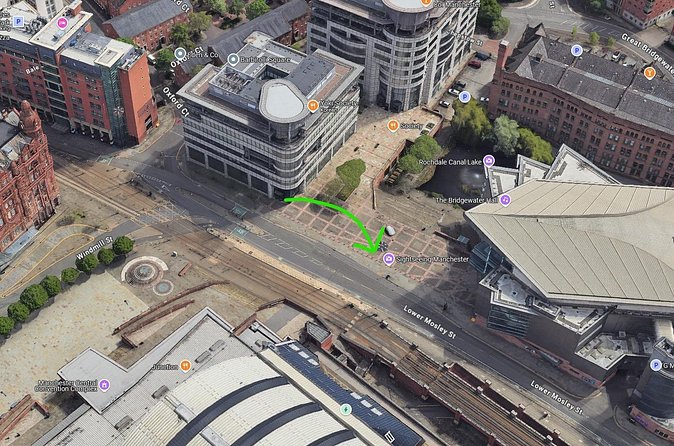
For $20.80, you’re buying convenience more than depth. The tour does a smart job of connecting you to key places—Piccadilly Gardens, the Cathedral area, football landmarks, The Quays, and the Imperial War Museum. The trade-off is that hop-on hop-off depends on timing and frequency.
If you do this well, it becomes a low-stress backbone for your trip:
1) Ride and note your favorites.
2) Hop off for the two or three stops that match your energy.
3) Return and finish the loop when you’re ready.
If you treat it like a strict timetable—hop off at every stop and expect the bus to appear instantly—you’ll likely feel disappointed.
Should you book this Manchester two-day hop-on hop-off bus?
I’d recommend booking if you want a practical, low-effort way to see central Manchester and build your days around stop locations. The price is reasonable for what you get—an open-top route, audio commentary, and the freedom to choose which sights deserve your feet.
I’d hesitate if you’re the type who hates waiting or plans to rely on the last departures for late-day stops. In that case, consider using the bus as a morning orientation tool and then commit to museums and walking with more predictable timing.
If your schedule is flexible, go for it. Use the two-day ticket to spread your favorites out, and you’ll squeeze more value from every ride.
FAQ
How long is the Manchester hop-on hop-off bus tour?
The duration is approximately 1 hour 15 minutes per ride.
What is the price for the 2-day hop-on hop-off tour?
The price is $20.80 per person.
What’s included in the ticket?
The ticket includes round-trip open-top sightseeing bus transportation and on-board commentary via an audio guide.
Is there a restroom on board?
No, a restroom on board is not included.
Is Wi‑Fi available on the bus?
No, Wi‑Fi on board is not included.
Can I use a mobile ticket?
Yes, it’s a mobile ticket.
Are service animals allowed?
Yes, service animals are allowed.
What are the rules for canceling?
You can cancel for a full refund up to 24 hours before the experience’s start time. If you cancel within 24 hours of the start time, you won’t receive a refund.