REVIEW · MANCHESTER
Private Manchester Self-Guided Tour
Book on Viator →Operated by Pandemic Tours · Bookable on Viator
Manchester tells its stories fast. This GPS self-guided tour strings together central sights, starting at Vimto Park and ending at Castlefield, with audio by Jake at each stop.
I like that it’s built for independent pacing—you can pause, wander, and rejoin the route without feeling rushed. I also like the delivery: the audio is guided by Jake (not a computer voice) and includes maps, visuals, and practical recommendations as you go.
The main drawback is simple: it’s app-based, so you’ll want a charged phone, location permission turned on, and the patience to get the tour activated before you start walking.
In This Review
- Key things to know before you go
- A Self-Guided Manchester Walk With GPS and Real Human Audio
- Starting at Vimto Park: Vimto’s origin, plus instant orientation
- Alan Turing and Sackville Gardens: perspective on the city’s mind
- Canal Street and the Gay Village: the street’s hard past, then the turn
- Chinatown archway and Manchester’s twin in China
- St Peter’s Square: libraries, hotels, town hall, and why this spot matters
- Bridgewater Hall and the Central Station ghosts (1819 and 1963)
- Royal Exchange Theatre: cotton money, then IRA bombing impact
- The Shambles and the old pub angle: why people linger
- Manchester Cathedral: quick hit, big spiritual and civic role
- John Rylands Library: the stop that can turn into a detour
- Castlefield Urban Heritage Park: Roman Manchester and the route’s satisfying finish
- The route’s extra “important stops” around the center
- Price and logistics: what $12.35 buys you (and what it doesn’t)
- A realistic tech check before you start
- Who this tour is for (and who should skip it)
- Should you book the Private Manchester Self-Guided Tour?
- FAQ
- Is this a live guided tour or a self-guided audio experience?
- How long does the Manchester tour take?
- Where does the tour start and end?
- Do I have to pay entrance fees for the stops?
- Is GPS included and do I need to allow location access?
- How long do I have access to the tour after booking?
- Is the tour refundable?
Key things to know before you go
- Real-person audio by Jake keeps the tour feeling human instead of robotic.
- GPS maps and directions help you stay on track through Manchester’s city-center streets.
- 3 weeks unlimited access means you can retry later if you rush the first time.
- Most stops are free to view, but a couple of interiors cost extra.
- The route is central and sight-focused, so it’s great for highlights, less ideal if you want deep local-only neighborhoods.
A Self-Guided Manchester Walk With GPS and Real Human Audio
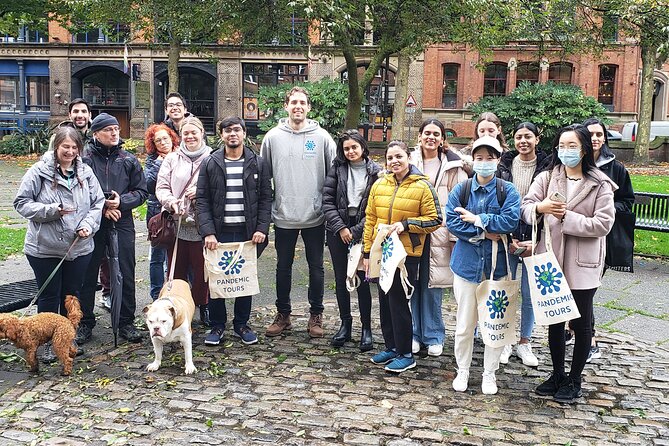
This is the kind of tour that fits real travel days. You’re not locked into a group pace or a fixed meetup time. You start at Vimto Park (Manchester M1), follow the GPS route, and work your way to Castlefield Bowl near Deansgate (Manchester M3). The whole experience is designed to take about 2 to 3 hours, with each stop lasting a handful of minutes to around half an hour.
What makes it work well is the audio structure. You don’t just get a list of points—you get stories that connect the places. At the heart of it is Jake, the audio guide, plus built-in directions, pictures, and videos. And because it’s GPS-led, you’re not constantly checking a paper map or wondering if you’ve taken the right street.
If you’re the type who likes to stop for photos, duck into a shop, or linger outside a building, this is a good match. If you want a live person answering questions and reacting to the day, you’ll likely feel the difference. This is still a tour—but it’s one you run yourself, with your phone as the co-pilot.
You can also read our reviews of more tours and experiences in Manchester.



Starting at Vimto Park: Vimto’s origin, plus instant orientation
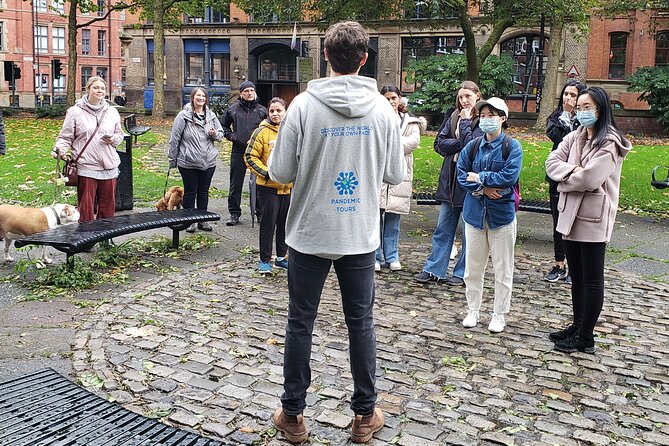
Your walk begins at Vimto Park in central Manchester. The first stop is a monument tied to the soft-drink story most people in the North have heard about: Vimto. You’ll get a quick overview of what the route covers, then a focused look at how and where the drink was originally produced.
Why this opening works: it gives you a local anchor right away. Instead of starting with a generic statue or a “famous building,” you begin with something working-class, everyday, and Manchester-specific. It also sets the tone—many stops here explain how ordinary places became important.
This is a short stop (about 5 minutes) and it’s free to view. It’s also a low-stakes way to test your setup: get your phone audio working, confirm the GPS route looks right, and you’ll be ready for the rest.
Alan Turing and Sackville Gardens: perspective on the city’s mind
Next comes the Alan Turing Memorial. Expect a clear explanation of who Turing was and why he matters to Manchester. You’ll also get practical guidance around Sackville Gardens and its monuments, plus the start of the narrative around the Gay Village and how the area’s story connects to the wider city.
This stop is a strong reminder that Manchester isn’t only bricks and mills. It’s also ideas. Turing’s legacy fits right into the tour’s theme: Manchester built things that changed lives—whether those changes came through technology, industry, or activism.
Plan around 10 minutes here, again free.
Canal Street and the Gay Village: the street’s hard past, then the turn
Your next stretch is the Gay Village area, with a guided stroll that focuses on history and change. You’ll walk around Canal Street, hearing about the darker side of the street and how people helped turn the situation around—building the nicer, welcoming sidewalks you see today.
The value of this stop is the balance. It’s not just a “look around” moment. You get the reason the streets feel different now. Even if you’re only passing through, the context makes the neighborhood feel more lived-in and less like a postcard.
This section is set for about 15 minutes and it’s free.
Chinatown archway and Manchester’s twin in China
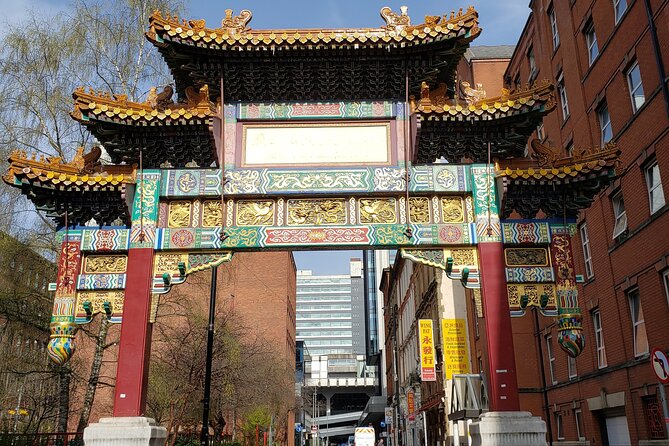
Then you’ll head into Chinatown, starting with the archway. The audio guides you through what you’ll likely notice in the immediate area: shops, restaurants, and the atmosphere of an ethnic enclave right in the city center. You’ll also learn about Manchester’s twin relationship with a city in China—and why the archway is there.
This is a helpful stop even if you don’t plan to shop. It gives you a reason for the architecture and a framework for what you’re seeing, instead of treating Chinatown as just another tourist stop.
Expect around 10 minutes. It’s free to view from outside.





St Peter’s Square: libraries, hotels, town hall, and why this spot matters
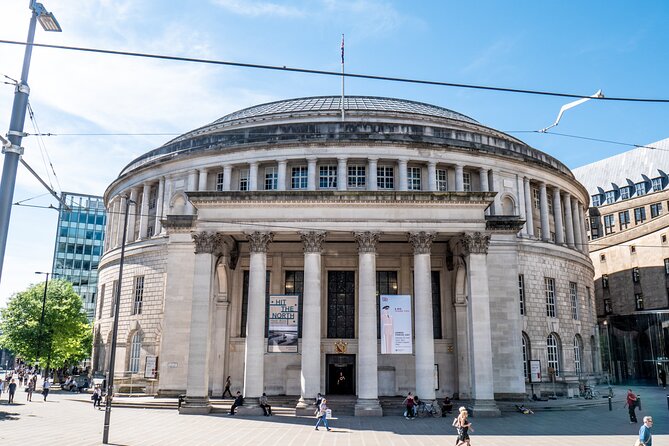
Strolling into St Peter’s Square is where the tour really turns “big city.” You’ll be guided through the square and introduced to several standout buildings:
- Manchester Central Library, described as the oldest free library in the country
- The Midland Hotel, known for early luxury in the North
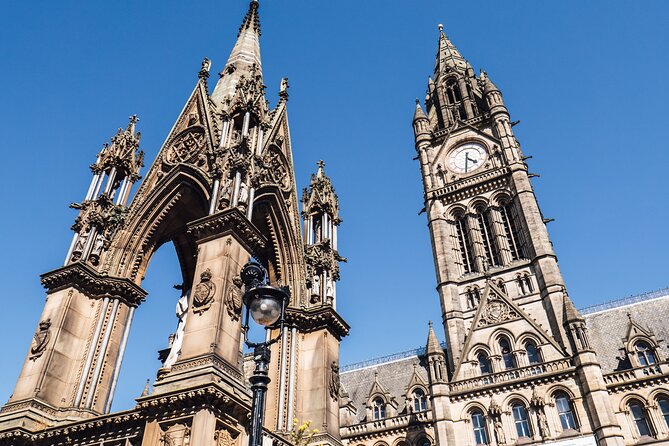
- Manchester Town Hall, praised for its beauty
You’ll also get the story of what happened here over time and why the square is called St Peter Square.
This stop is about 15 minutes and free to enjoy from the street. The tradeoff with a short stop like this is that you may want to linger longer once you start noticing details. If you’re a take-your-time person, plan to add a few extra minutes after the audio finishes.
Tip: with a square like this, photos can slow you down. That’s fine. The route is paced so you can breathe.
Bridgewater Hall and the Central Station ghosts (1819 and 1963)
Next up is the Bridgewater Hall and the surrounding area. The tour connects the hall to vivid events tied to the Manchester Central Station premises, including stories from 1819 and 1963.
If you’re the sort of traveler who likes your architecture with a few chills, you’ll likely enjoy this portion. It’s not “history for history’s sake.” The audio uses these events to explain why the city remembers certain places so strongly.
This stop is set for about 15 minutes and is free.
Royal Exchange Theatre: cotton money, then IRA bombing impact
At the Royal Exchange Theatre, the tour shifts from streets to industry. You’ll learn how the cotton industry grew in Manchester, how it shaped the city, and what the consequences were. You’ll also hear why this building played such a central role in that industrial past. Then the audio brings in the story of the IRA Bomb, and how it affected Manchester.
This is one of the stops where the tour feels most like a guided lecture—short, but weighty. It also helps you understand how Manchester’s identity is formed by both economic engines and modern shocks.
Plan about 15 minutes, free to view from outside.
The Shambles and the old pub angle: why people linger
The route then reaches The Shambles, described as the most beautiful square around the city center. Here you’ll see the oldest pub in town (and hear about its history), plus an explanation of why it tends to be busy and relatively affordable.
The audio also loops back to industry. The cotton boom created opportunities that helped people exploit other markets through the Royal Corn Exchange, another striking building associated with this area.
This section is about 10 minutes and free. The practical upside: if you’re feeling hungry or thirsty, this is a natural place to pause. The tour even gives you the context for why this square is a good spot to hang out.
Manchester Cathedral: quick hit, big spiritual and civic role
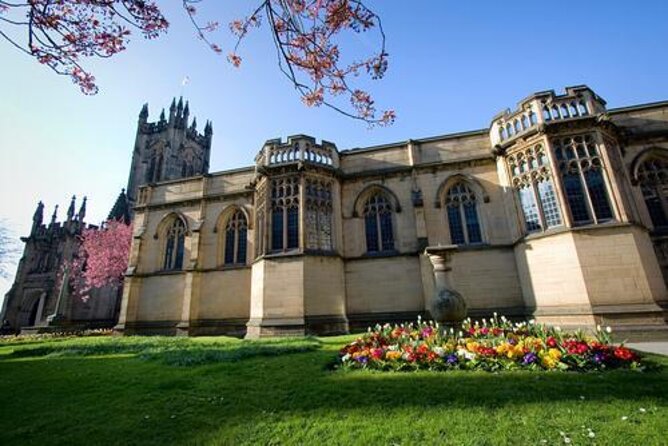
After The Shambles, you’ll arrive at Manchester Cathedral. You’ll get a clear explanation of its role as the mother church of the Anglican Diocese of Manchester, the seat of the Bishop of Manchester, and the city’s parish church. The tour frames it as an emblem of the city and recommends it as a must-see for passers-by.
This stop is about 5 minutes from the exterior focus, and not all the experience is free—entrance is not included. If you’re curious about interiors, this is one of the places where you may want to decide on the spot whether the cost is worth it for you.
Either way, it’s a quick reset: a calm pause after the noise and commerce of other streets.
John Rylands Library: the stop that can turn into a detour
Then comes The John Rylands Library, described as one of Manchester’s best-kept secrets and one of the nicest libraries in the country. The audio compares it to a Harry Potter feel, and it focuses on the idea that the beauty is on the inside—so if you have time, you should consider going in.
This is set for about 30 minutes, and entrance is not included. Even if you don’t pay to enter, the stop is worth it because the audio helps you appreciate what you’re looking at rather than simply moving past.
Practical advice: if you’re choosing between spending money here or at another interior spot, decide based on your priorities. If you like art, architecture, or quiet places, this one can feel more special than another “look-at-the-building” stop.
Castlefield Urban Heritage Park: Roman Manchester and the route’s satisfying finish
Your final major stop is Castlefield Urban Heritage Park. This is where the tour zooms out to the city’s beginnings, focusing on Roman heritage and reconstructed buildings that let you feel what exploring might have been like. You’ll also hear why the city is called Manchester. Then you’ll finish with a stroll toward the canals around Deansgate, plus a list of recommendations for things to do and places to eat.
This matters because the end of a self-guided route is where people often rush. Here, the tour closes with slower visuals: waterways, open spaces, and an easy walking continuation. It’s a nice way to wrap up after a route packed with monuments and buildings.
The Castlefield stop is about 15 minutes, and it’s free to explore the park from outside.
The route’s extra “important stops” around the center
Between the main anchors, the audio adds several standout landmarks in the same general central area. These are the kind of stops that can turn your walk from a checklist into a real city experience:
- The Guardian Telephone Exchange, described as the Best kept secret in Manchester
- The Midland Hotel, with stories attached to its long presence in city life
- A reference to the first public lending and reference library after the Public Libraries Act 1850, including a note that the building you see isn’t the original but is described as a beautiful Greek structure
- Manchester Central, which today works as a convention center, but is tied to its earlier use as Manchester Central Train Station, including a mysterious story about a suitcase left in 1965
- The Corn Exchange area, described as a once-exciting market exchange with a first Corn Exchange built on the site in 1837, now operating as a listed building with a food court and hotel
- The Old Wellington and Sinclair’s Oyster Bar, framed as one of the city center’s oldest pubs, with a story tied to John Shaw’s Punch House
What I like about adding these in: they broaden the tour beyond “top sights.” You’re not just seeing famous facades; you’re picking up how Manchester functioned—communications, rail-era bustle, markets tied to cotton, and long-running pub culture.
Price and logistics: what $12.35 buys you (and what it doesn’t)
At $12.35 per person with an approx. 2 to 3 hour time window, you’re paying for a structured route plus audio and GPS support. That’s a lot cheaper than hiring a live guide for the same amount of time, and the flexible timing is a real benefit.
Here’s what it won’t do:
- It won’t answer questions on the fly.
- It won’t adjust if you get curious and wander far off.
- It won’t replace the energy of a live storyteller.
Here’s what it can do really well:
- Give you orientation fast, so you understand why each place matters.
- Help you fit a highlight circuit into a limited day.
- Let you control pacing—short stops when you’re in a hurry, longer ones when something catches your eye.
Because the tour is private (only your group participates) but still self-guided, it also works for couples and small groups who don’t want to feel tied to anyone else’s pace.
A realistic tech check before you start
This tour depends on your phone. That’s not a deal-breaker, but it is a requirement you should plan for.
Do this before you leave:
- Charge your phone fully, because you may be using GPS and audio for the whole route.
- Turn on location permission so the GPS maps can actually guide you.
- Make sure you can play audio in the way you prefer (speaker or headphones).
One of the frustrations people report with app-based tours is getting the tour running. To reduce the odds of that happening to you, activate the tour before you’re standing outside Vimto Park. Also, if you have trouble with a start code, double-check the instructions from your email—your booking reference isn’t the same thing as a code.
Who this tour is for (and who should skip it)
This is a strong fit if you want:
- A fast, structured loop of central Manchester sights
- Real stories at each stop, delivered by a person (Jake)
- GPS help so you don’t waste time lost
- A route that’s mostly free to view, with optional paid interiors at select locations (Manchester Cathedral and John Rylands Library)
You might want to skip it if:
- You expect a live, in-person guide walking with you
- You dislike app-based navigation
- You prefer quieter, less touristy neighborhoods and wouldn’t enjoy a city-center emphasis
Should you book the Private Manchester Self-Guided Tour?
Yes, if you want a practical way to see a lot of Manchester in one outing without planning every turn ahead. The value is strong for the price, and the GPS + Jake audio format makes it feel like more than a basic audio app.
Think twice if you’re fragile about phone battery, you hate troubleshooting, or you’re only interested in a live guide. Also consider your interests: this route is built around well-known central landmarks and connected stories, so it’s best for a highlights day, not a “deep local life” day.
If you do book, treat it like a tool: charge your phone, activate the tour early, and let yourself linger at the spots that make you stop—Vimto Park to start, then Cathedral or John Rylands if you want interior time, and finish at Castlefield for a calmer end to the walk.
FAQ
Is this a live guided tour or a self-guided audio experience?
It’s self-guided. You follow a GPS route and listen to an audio guide led by Jake. There is no in-person guide included.
How long does the Manchester tour take?
The duration is listed as about 2 to 3 hours.
Where does the tour start and end?
It starts at Vimto Park, Manchester M1, UK and ends at Castlefield Bowl on Rice St, Manchester M3 4JR, near the Roman Fort.
Do I have to pay entrance fees for the stops?
Most stops are listed as free to view. Entrance fees are not included for Manchester Cathedral and John Rylands Library.
Is GPS included and do I need to allow location access?
GPS maps and a route with directions are part of the experience. To use the GPS guidance properly, you’ll need to allow location access in your phone settings.
How long do I have access to the tour after booking?
You get 3 weeks unlimited access to this self-guided tour on the app.
Is the tour refundable?
No. The experience is non-refundable and cannot be changed for any reason.