REVIEW · LONDON
London: City of London Walking Tour
Book on Viator →Operated by See The Sights Tours · Bookable on Viator
London’s icons, stitched together on one walk. This tour is built for getting your bearings fast, with a small group size (up to 25) and a guide who keeps the story moving as you cross the City. I especially like the way you can stack major landmarks in one go, including St. Paul’s and Tower Bridge, without spending your day on trains.
One important catch: this is a see-from-the-streets walk. You don’t enter the big attractions, and admission isn’t included for stops like St. Paul’s Cathedral and the Tower of London, so if you want interior time, you’ll need a separate plan.
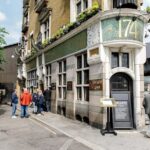
You’ll meet in front of the Blackfriar Pub at 174 Queen Victoria St (opposite Blackfriars station) and look for your guide holding a yellow umbrella. The tour starts at 10:00 am and finishes at the Tower of London, so you end right where the City’s medieval-and-modern contrast gets really fun.
In This Review
- Key Things I’d Watch For Before You Go
- City of London Orientation in a Tight 2–3 Hour Walk
- Price and What You’re Really Getting for $19.29
- Meeting at Blackfriar Pub (Yellow Umbrella) and the Route Logic
- Fleet Street to St. Paul’s: From Printing Power to Wren’s Dome
- Fleet Street
- St. Paul’s Cathedral
- The Financial Core: Bracken House, the Royal Exchange, and the Bank
- Bracken House
- Royal Exchange London
- Bank of England
- Mansion House and Leadenhall Market: Ceremony Meets Film-Famous Color
- Mansion House of the City of London
- Leadenhall Market
- Monument to the Great Fire and the Thames Transition
- The Monument to the Great Fire of London
- Tower Bridge
- Tower of London: The Big One Without the Ticket Hassle
- Tower of London
- London Bridge to Modern Skyline: From Medieval Echoes to the Shard
- London Bridge
- The Shard
- HMS Belfast and Sky Garden: Water Views and a Little Green Up Top
- HMS Belfast
- Sky Garden
- Group Size, Pace, and Who This Tour Fits Best
- Tips to Get the Most Out of This Walk
- Should You Book the London: City of London Walking Tour?
- FAQ
- Where does the tour start?
- What time does the tour start?
- Where does the tour end?
- How long is the tour?
- Is admission included for the landmarks?
- What landmarks are included as stops?
- Is the tour offered in English?
- What group size should I expect?
- Is the tour suitable for people with mobility issues or for prams?
- What if the weather is bad?
- FAQ
- Can I cancel for a full refund?
- Is the tour accessible by public transportation?
- Are service animals allowed?
- When do I receive confirmation?
- How far in advance is it usually booked?
Key Things I’d Watch For Before You Go
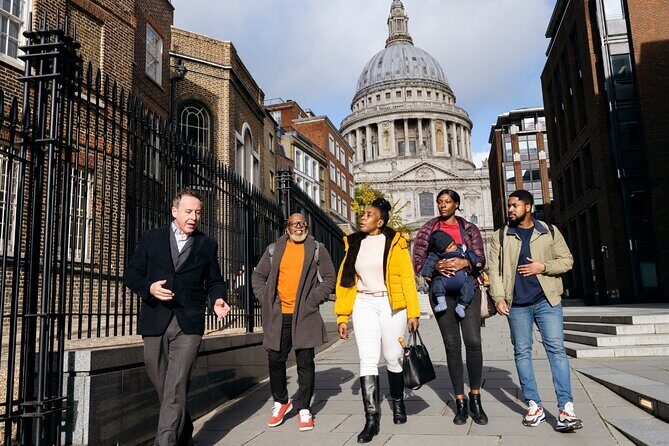
- Up-close guide attention with a max group size of 25, ideal if you like asking questions
- City of London orientation in 2–3 hours, built around a logical route through the financial district
- Most sights are exterior stops, with admission not included for the big-name buildings
- Harsh-weather reality check since good weather is required for the experience to run
- Great photo corridor along the Thames side, from Tower Bridge to nearby modern skyline views
- Mobile ticket plus clear meeting point at Blackfriar Pub, easy to find near Blackfriars station
City of London Orientation in a Tight 2–3 Hour Walk
If London feels like too many neighborhoods and not enough time, this kind of tour helps. The City of London is a compact pocket with layers stacked on top of each other: old guild-era streets, Wren’s grand silhouettes, and the modern skyline that shows up like a surprise.
This walk is designed to “map” the area for you. You get the geography of the City—Fleet Street heading toward St. Paul’s, then the business heart around Bank and the Royal Exchange, and finally the jump to the Tower zone and the Thames. In a short window, you’re not just sightseeing. You’re learning how all these places relate.
You can also read our reviews of more walking tours in London


Price and What You’re Really Getting for $19.29
At $19.29 per person for about 2–3 hours, this is priced like a value-focused introduction. The big detail is what’s not included: you’re not paying for timed entry or guided access inside museums and cathedrals. Instead, you’re paying for a professional guide to explain what you’re seeing from the sidewalk and public spaces.
That can be a win. If your day already includes other paid tickets, it’s a smart way to cover a lot of ground without adding more lines and fees. If your dream is to go inside the Tower of London or St. Paul’s Cathedral, treat this as your pre-game. You’ll learn what matters most so your ticket time later feels purposeful.
Meeting at Blackfriar Pub (Yellow Umbrella) and the Route Logic
Meet at the Blackfriar Pub, 174 Queen Victoria St (EC4V 4EG). It’s opposite Blackfriars station, which is handy because you can arrive by rail and avoid navigating the City streets in a panic.
Your guide will be holding a yellow umbrella, so you won’t have to play guessing games. The tour starts at 10:00 am and ends at the Tower of London (EC3N 4AB), which is convenient if you’re planning to keep exploring after your walk.
Also note the practical format: you’ll be on foot, and this one isn’t set up for prams, strollers, or mobility limitations. If walking is tough for you, consider a different option that offers more accessibility support.
Fleet Street to St. Paul’s: From Printing Power to Wren’s Dome
Fleet Street
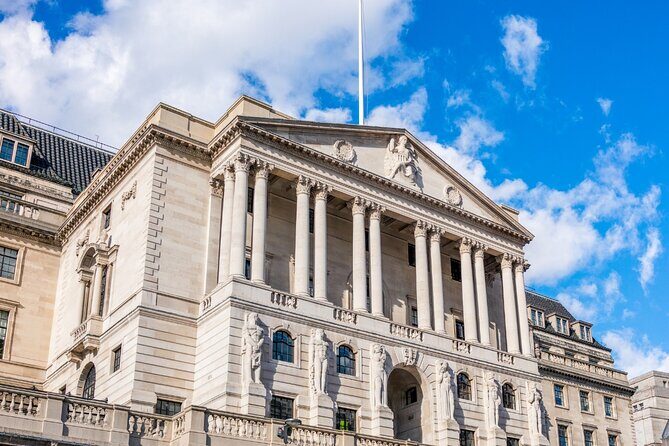
Fleet Street is where you see the City’s old media identity take shape. It became Britain’s printing and journalism hub back in the 16th century, and that reputation stuck until major papers moved away in the late 20th century and beyond. It’s also tied into the cultural lore people associate with Sweeney Todd, giving your guide an easy way to connect place and story.
You’ll get a quick snapshot of why this street mattered: communication, influence, and the kind of visibility that turns a neighborhood into a national stage.
You can also read our reviews of more city tours in London




St. Paul’s Cathedral
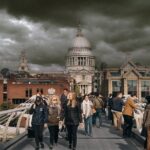
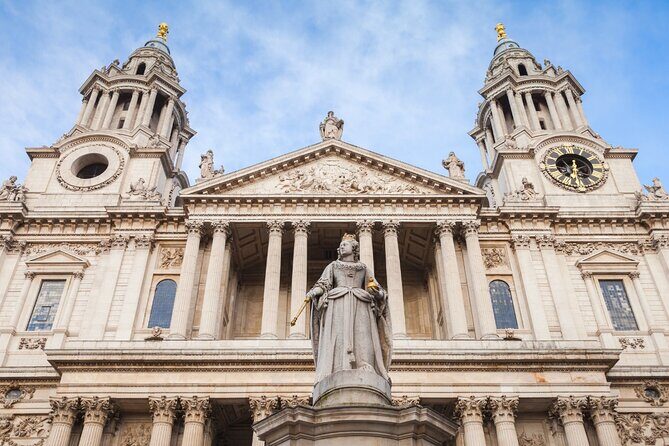
Next is St. Paul’s Cathedral, dominated by Sir Christopher Wren’s famous dome. This is one of those London landmarks that reads instantly from the right angle—you don’t need inside access to appreciate why it became such a symbol.
Your guide’s job here is to point out what to notice: the role the cathedral has played in public life, including royal weddings, state funerals, and jubilees. Since admission isn’t included and the tour won’t enter, treat this stop as “learn what to look for,” not “get your cathedral checklist finished.”
The Financial Core: Bracken House, the Royal Exchange, and the Bank
Bracken House
Bracken House is modernist office architecture, and it serves as the headquarters for the Financial Times. This stop matters because it shows how the City keeps functioning as a global business center while still living beside older streets and landmarks.
If you like city contrasts, watch how the architecture shifts as you walk. You’ll feel the City’s rhythm change from old-world stories to present-day work life.
Royal Exchange London
The Royal Exchange building has been a commercial hub since 1571. It started as a trade center and today it’s a symbol of the City’s financial power, blending older structure with modern commerce.
This is the sort of stop where a good guide changes what you see. Instead of just admiring stonework, you’ll understand what that building was built to do.
Bank of England
Then you reach the Bank of England, the UK’s central bank and a key part of how monetary policy and currency issuance work. It’s often called the Old Lady of Threadneedle Street, and you’ll hear why that nickname fits the institution’s place in national life.
Since admission isn’t included and you won’t go inside, the value is interpretation. You’ll learn why this specific stretch of London became the financial center people associate with the UK economy.
Mansion House and Leadenhall Market: Ceremony Meets Film-Famous Color
Mansion House of the City of London
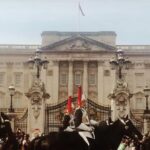
Mansion House is the official residence of the Lord Mayor of the City of London. Built in the 18th century, it acts as a ceremonial and administrative center.
Because you’re not going in, this stop is about seeing the setting: the grand entrance and the sense of formal civic tradition that still hangs over the City streets.
Leadenhall Market
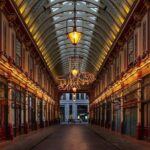
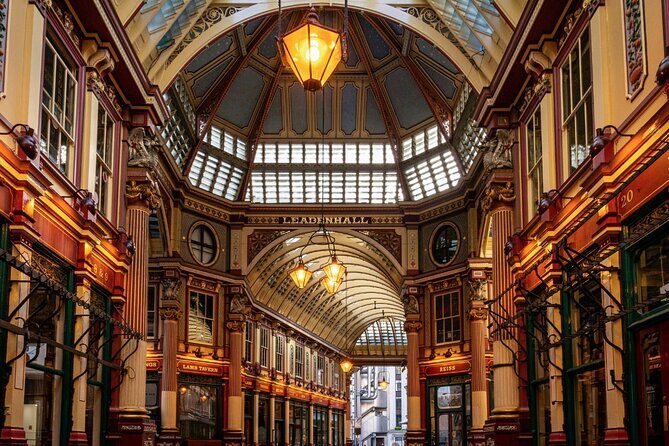
Leadenhall Market is a Victorian covered market with ornate ironwork and a glass roof. It’s also associated with Harry Potter fans as a filming inspiration for Diagon Alley.
Even from outside, you’ll understand why this place works as a break in the route. It adds textures you don’t get from office buildings and government facades. If you like street-level shopping and food smells, this is where you’ll likely start planning a longer stop later.
Monument to the Great Fire and the Thames Transition
The Monument to the Great Fire of London
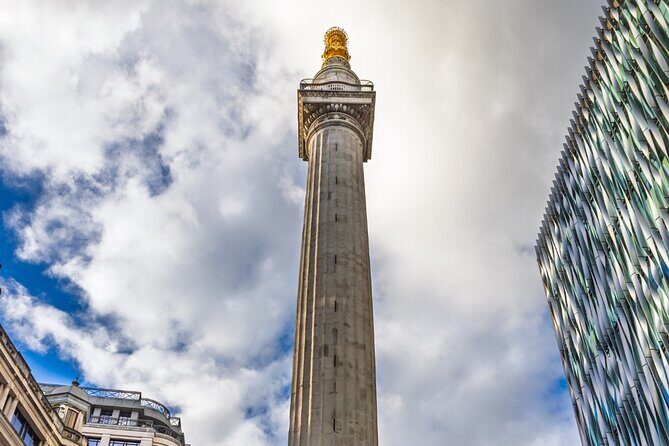
The Monument is a tall column commemorating the Great Fire of London in 1666, designed by Sir Christopher Wren and standing about 61 meters tall. It’s a reminder that London’s identity is shaped by rebuilding, not just by preserving.
This stop is a good “mental reset.” After business buildings and markets, you step back into a broader story about survival and city planning.
Tower Bridge
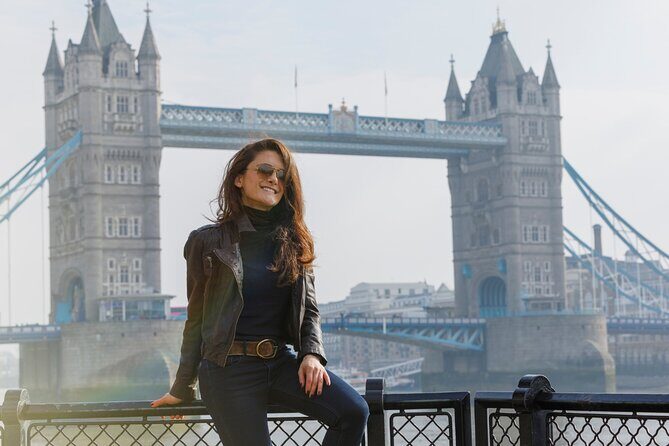
Tower Bridge is next, and it’s hard to miss for the simple reason that it’s meant for starring. It spans the Thames near the Tower of London and remains functional, not just decorative.
This is one of those stops where your guide can help you notice engineering and style at the same time. It’s a recognizable icon, but you’ll get more out of it when you know what makes it a working piece of London infrastructure.
Tower of London: The Big One Without the Ticket Hassle

Tower of London
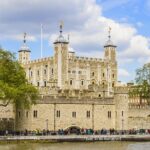
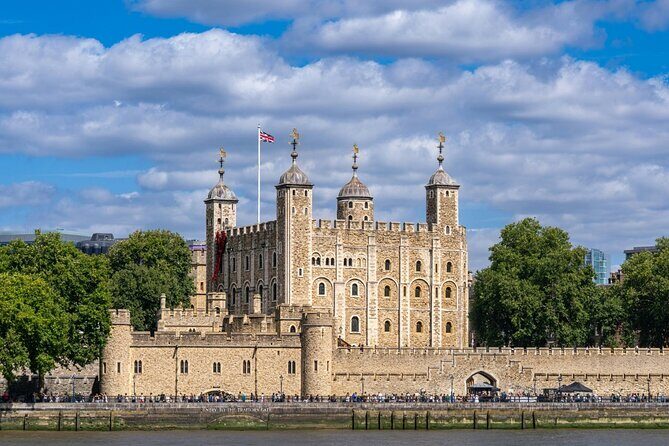
The Tower of London has stood for nearly a thousand years and started under William the Conqueror in 1066. It’s been royal palace, prison, armory, and treasury, with the Crown Jewels as the headline.
You’ll see it as a living fortress complex from the outside—no admission included. If you want to step inside, this is still a solid stop because it gives you context so your ticket time later feels targeted. Also, you’ll hear about the Yeoman Warders, the famous role that helps explain why the Tower stays tied to tradition.
London Bridge to Modern Skyline: From Medieval Echoes to the Shard
London Bridge
London Bridge has been rebuilt multiple times. The current version opened in 1973, while the medieval predecessor included houses that disappeared long ago. Even the nursery rhyme London Bridge Is Falling Down keeps the bridge in pop culture memory.
Since this is a quick stop, you won’t “complete” London Bridge as a full attraction. You’ll get enough background to appreciate what you’re seeing, and then you’ll be ready for the next skyline shift.
The Shard
The Shard is London’s tallest skyscraper and a major modern landmark. It combines offices, restaurants, a hotel, and a public viewing platform—though the tour won’t include ticketed access.
This stop is ideal if you like contrast. One minute you’re in the Tower area; the next, you’re looking at a symbol of contemporary London. Your guide’s job is to frame why the City keeps layering new icons onto old ground.
HMS Belfast and Sky Garden: Water Views and a Little Green Up Top
HMS Belfast
HMS Belfast is a permanently moored warship museum on the Thames. It played a meaningful role in World War II, including the Battle of the North Atlantic and the D-Day landings.
Because the tour won’t enter, this stop works best for you if you enjoy historical context at the shoreline. You’ll likely leave wanting to come back for the museum side later.
Sky Garden
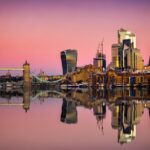
Sky Garden sits on top of the Walkie Talkie building at 20 Fenchurch Street. It’s London’s highest public garden, with terraces and city views.
This is an especially good “finish-line” vibe in a walking tour: you’re seeing the City’s vertical ambition while still connecting back to the idea of public spaces.
Group Size, Pace, and Who This Tour Fits Best
This is capped at 25 travelers, which is the sweet spot for many people. Big enough that the tour has energy, small enough that questions don’t get drowned out.
The duration is listed as 2 to 3 hours, and most stops are short. That means you’ll get explanations and key orientation, not long lingering at each spot. If you like fast, structured sightseeing with a guide, you’ll probably love the format.
It’s also not designed for prams or for guests with walking or mobility difficulties. If that’s you, don’t force it. Choose an option with accessibility support and longer seated breaks.
Tips to Get the Most Out of This Walk
- Wear shoes you can keep on for a couple hours. The stops are short, but the City walking adds up.
- Bring a light layer. Even on a mild day, London can shift quickly.
- If you want to go inside St. Paul’s or the Tower later, treat this as your planning session. Your guide’s context will help you pick what to prioritize.
And if you’re the type who likes answers in the moment, this is built for that. A strong guide makes the difference between seeing buildings and understanding why they matter.
Should You Book the London: City of London Walking Tour?
Book it if you want a high-value orientation walk through the City, with professional guiding and a route that ties Fleet Street, the financial district, markets, and the Tower area into one understandable thread. At $19.29, it’s a practical way to cover a lot without paying for a pile of timed entries.
Skip it (or choose carefully) if your main goal is to spend lots of time inside the major attractions. Since admission isn’t included and the tour won’t enter sights, you’ll still need separate tickets and planning to fully experience places like St. Paul’s and the Tower of London.
FAQ
Where does the tour start?
The tour starts in front of the Blackfriar Pub at 174 Queen Victoria St, London EC4V 4EG. The pub is opposite Blackfriars station.
What time does the tour start?
The start time is 10:00 am.
Where does the tour end?
The tour ends at the Tower of London, London EC3N 4AB.
How long is the tour?
The duration is about 2 to 3 hours.
Is admission included for the landmarks?
No. Entrance tickets are not included, and the tour will not enter any sights, landmarks, or attractions.
What landmarks are included as stops?
Stops include Fleet Street, St. Paul’s Cathedral, Bracken House (Financial Times), the Royal Exchange, the Bank of England, Mansion House, Leadenhall Market, the Monument to the Great Fire of London, Tower Bridge, the Tower of London, London Bridge, the Shard, HMS Belfast, and Sky Garden.
Is the tour offered in English?
Yes, the tour is offered in English.
What group size should I expect?
The tour has a maximum of 25 travelers.
Is the tour suitable for people with mobility issues or for prams?
No. It is not suitable for guests with walking or mobility difficulties, and it is not suitable for prams, buggys, or strollers.
What if the weather is bad?
This experience requires good weather. If it’s canceled due to poor weather, you’ll be offered a different date or a full refund.
FAQ
Can I cancel for a full refund?
Yes. You can cancel up to 24 hours in advance for a full refund.
Is the tour accessible by public transportation?
It’s near public transportation, since the meeting point is by Blackfriars station.
Are service animals allowed?
Yes, service animals are allowed.
When do I receive confirmation?
Confirmation is received at the time of booking.
How far in advance is it usually booked?
On average, it’s booked about 80 days in advance.