REVIEW · OXFORD
Oxford : University Tour
Book on Viator →Operated by Walking tour company · Bookable on Viator
Oxford’s colleges feel like living museums.
This 90-minute, 10-person walking tour strings together some of Oxford University’s best-known historic spots, with ticketed access at several colleges, plus landmark architecture like the Radcliffe Camera and the Sheldonian Theatre. I like that it’s built for real questions and quick context, so you’re not just looking at pretty buildings—you’re learning what made them matter. One drawback to plan for: the stop times are short, so if you want long wandering time inside every courtyard, you may feel a bit rushed.
The two things I especially like are how personal the pace feels (just ten participants) and how the tour connects each stop to the people behind it—founders, financiers, coats of arms, and famous studies. You’ll also get a tidy gift-friendly format: it’s easy to understand, runs about 1.5 hours, and focuses on iconic Oxford without making you research every college’s story first. If you’re the type who hates crowds and lines, aim to arrive a few minutes early—Oxford can be busy right around the core sights.
In This Review
- Key Highlights You’ll Actually Notice
- Stop-by-Stop: Colleges and Landmarks in About 90 Minutes
- Jesus College: Founded by Elizabeth I
- Exeter College: Chapel and the Financiers Behind It
- Balliol College: Oxford’s First Founding College (1263)
- Trinity College Gardens and the College Philosophy
- Keble College: Red Brick, Friendly Reputation
- St John’s College: Law, Medicine, and Archbishop Laud
- Radcliffe Camera: The Bodleian Library Story in the Open Air
- Sheldonian Theatre: Christopher Wren’s Stage for Ceremonies
- Why This Route Works for Most People
- Private Tour Feel Without the Full-Day Commitment
- Price and Value: What $89.97 Gets You
- Meeting Point and How to Avoid Day-Of Confusion
- Timing and Pacing: Short Stops, Big Context
- Who This Oxford University Tour Suits Best
- Quick Practical Tips Before You Go
- Should You Book This Oxford University Tour?
- FAQ
- How long is the Oxford University Tour?
- What time is the tour and where do we meet?
- Is this tour a small group?
- Do I need a printed ticket?
- Are college admissions included?
- Can I cancel for free?
Key Highlights You’ll Actually Notice
- Up to 10 people keeps the walk conversational instead of a noisy parade
- Multiple college entries with admission included on some stops
- Strong “people behind the buildings” stories, from Elizabeth I to major financiers
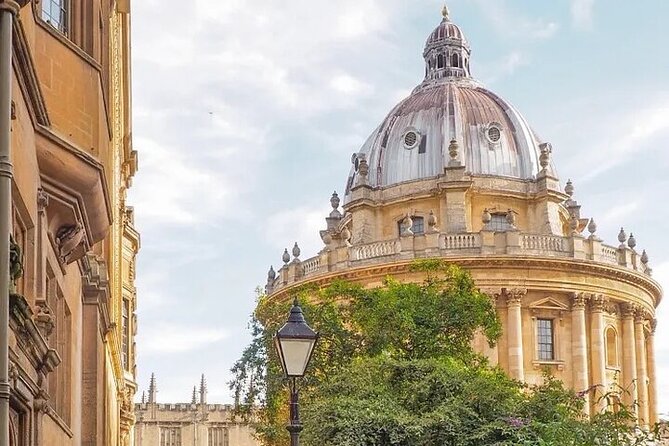
- Oxford landmarks without the maze: Radcliffe Camera and Sheldonian Theatre fit neatly in one route
- Mobile ticket means less fuss on the day
- Short, efficient pacing works well for first-time visitors and gift-givers
Stop-by-Stop: Colleges and Landmarks in About 90 Minutes
This is a guided walking route through central Oxford, with brief but meaningful time at each stop—think 5 to 10 minutes per location. The goal is not to lounge all day; it’s to give you the shape of Oxford’s university world fast, then let you decide what to return to on your own.
A big practical point: because the times are tight, your best move is to bring one question you care about—architecture, religious history, education, or famous alumni—and ask it early. Guides tend to build from whatever you’re curious about, and this format is made for that kind of back-and-forth.
You can also read our reviews of more tours and experiences in Oxford.



Jesus College: Founded by Elizabeth I
Jesus College kicks things off with a strong origin story tied to Elizabeth I. You’ll get a quick hit on why the college was founded and how its architecture reflects the values of its era. Even in a short window, it’s the kind of start that helps you understand the rest of the tour: Oxford’s colleges aren’t random—each one has a reason for existing.
What to watch for: the building style and the way the college’s founding story shapes its identity. With only about five minutes here, don’t expect every nook to be explained—focus on what grabs your eye and let the guide connect it.
Exeter College: Chapel and the Financiers Behind It
Next comes Exeter College, described around its place among Oxford’s oldest colleges and the role of founding financiers. The story here centers on money well spent: you’ll hear about funding for the chapel and the fellows quadrangle, which helps you see how wealth, patronage, and academic life were tangled together from the start.
A quick caution: Exeter’s history is detailed, and your time is limited. If you’re the type who likes to absorb slowly, you might want to jot down one or two names the guide mentions and look them up after.
Balliol College: Oxford’s First Founding College (1263)
Balliol College is a highlight if you enjoy the early roots of the university. You’ll learn that Balliol was founded in 1263 and hear about the founding financiers, college architecture, philosophy, the coat of arms, and famous people associated with it.
This stop is a good example of why a guided tour helps. Even if you know Oxford is old, it’s hard to keep track of what makes one “old college” different from another. Balliol gives you a clear anchor: origins, symbolism, and identity.
Trinity College Gardens and the College Philosophy
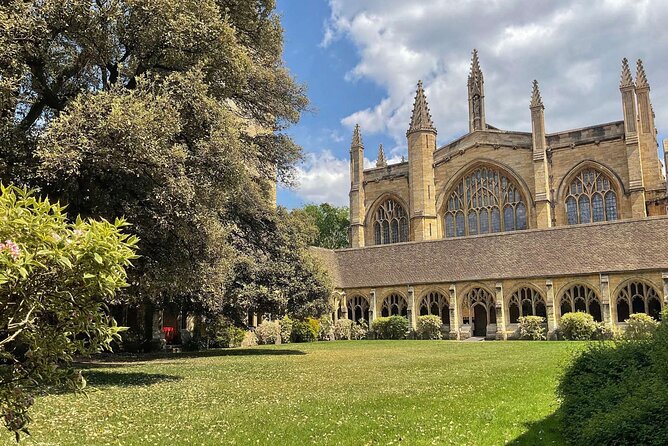
Trinity College is another older institution where you’ll focus on architecture and the idea of college philosophy—plus a look at its gardens. The gardens time is brief, but it’s enough to notice the atmosphere and why Oxford colleges feel distinct from each other even when they’re within walking distance.
A small consideration: gardens can tempt you to linger, but the tour keeps moving. If you want longer time outside, plan to come back later or use the final minutes to choose where you’d like to re-enter the next day.






Keble College: Red Brick, Friendly Reputation
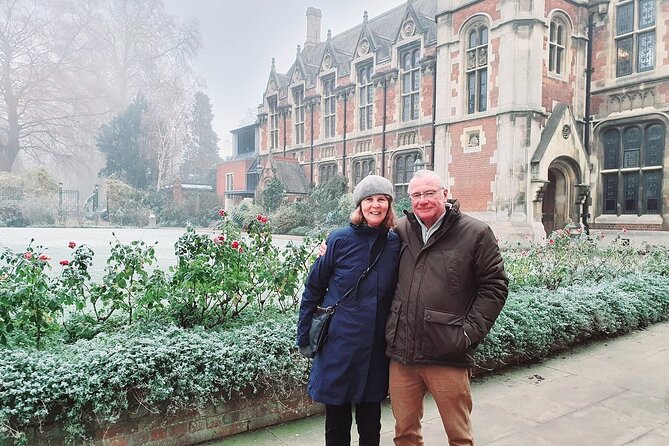
Keble College brings a different look: its red brick appearance is called out as one of Oxford’s most unique visuals. You’ll also hear that Keble is known for being friendly and inclusive, which adds a human layer to what could otherwise be just another pretty façade.
This is one of the stops where 10 minutes helps. Red brick makes details easier to notice, and you’ll likely get enough time to absorb the architecture and the story without feeling like it’s rushed.
St John’s College: Law, Medicine, and Archbishop Laud
St John’s College adds the twist of different professional paths tied to Oxford’s history. While it’s known for producing Anglican clergymen in earlier periods, it also built a reputation in law and medicine. You’ll hear about Archbishop Laud among the fellows and alumni linked to the college.
This stop is especially valuable if you like seeing how Oxford’s education shaped careers. It turns the university from a scenic place into a machine that trained people who later influenced religion, law, and medicine.
Radcliffe Camera: The Bodleian Library Story in the Open Air
After the colleges, the tour shifts to one of Oxford’s most recognizable landmark forms: the Radcliffe Camera. You’ll get context about the Bodleian Libraries as a network of 26 libraries serving Oxford, open to staff, students, and other readers.
The way this is presented matters. Instead of treating the building like a postcard, you’re given a quick explanation of what the Bodleian system actually does. That turns your photos from decoration into a mental map of how the university functions.
Tip for this stop: when you’re standing outside, look at the building’s shape and surroundings, then ask yourself what kind of collection would need this kind of presence. It’s an easy way to make the explanation stick.
Sheldonian Theatre: Christopher Wren’s Stage for Ceremonies
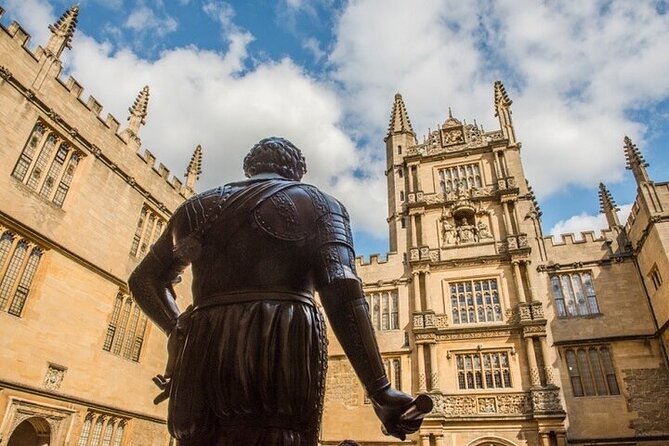
The tour ends at the Sheldonian Theatre, designed by Christopher Wren. Here you’ll learn what the building is used for today: a music hall and theatre for the Philharmonic Orchestra and the University, plus ceremonial events such as initiations and graduation.
This is a great finishing stop because it shows Oxford isn’t only about old stones. Ceremonies still happen, music still happens, and the same kind of tradition continues—just with modern audiences in the seats.
Why This Route Works for Most People

Oxford can overwhelm you fast: lanes, colleges, spires, and more tourists than you can count before your first stop. This tour is designed to cut through that. You get a structured walk with short timed stops, enough depth to understand the key themes, and enough variety to make it feel like more than a single college tour.
The small-group size (ten participants) is the real engine here. In a group that small, you’re more likely to hear explanations clearly and to get your questions answered without the guide having to rush everyone along like a museum line.
Private Tour Feel Without the Full-Day Commitment
It’s described as private for your group, which is a big deal if you’re traveling with friends or family and want a calmer rhythm. It also fits well for people who are short on time but still want a “real Oxford” experience, not just a photo walk.
If you’re doing other Oxford activities the same day, the 1.5-hour length is a nice bridge. You can pair it with a longer self-guided wander afterward.
Price and Value: What $89.97 Gets You
At $89.97 per person, you’re paying for guided interpretation plus college access rather than just general sightseeing. The value is strongest if you care about how Oxford institutions formed—who funded them, what they believed, and why the buildings look the way they do.
Here’s the practical value angle: multiple stops include admission tickets, with several marked free and two marked included. That means you’re not only walking past “famous” places; you’re getting inside at least some of them during the tour window.
The time also matters. For many visitors, 90 minutes is the sweet spot: long enough for context, short enough to keep energy up and weather from derailing your plans too badly.
Meeting Point and How to Avoid Day-Of Confusion
You meet at St Michael at the North Gate, Cornmarket St (OX1 3EY), and the tour ends back at the same starting point. That loop matters: you’re not dropped somewhere random, and you’re more likely to plan an easy post-tour activity nearby.
One practical note: the meeting spot description can be confusing if you’re arriving right at the busiest moment. I’d show up a few minutes early and do a quick glance around the Cornmarket St area to make sure you’re at the correct entrance zone.
If you rely on public transport, the meeting point is described as near transportation, which is helpful in Oxford where walking from a parking spot can add time you didn’t budget.
Timing and Pacing: Short Stops, Big Context
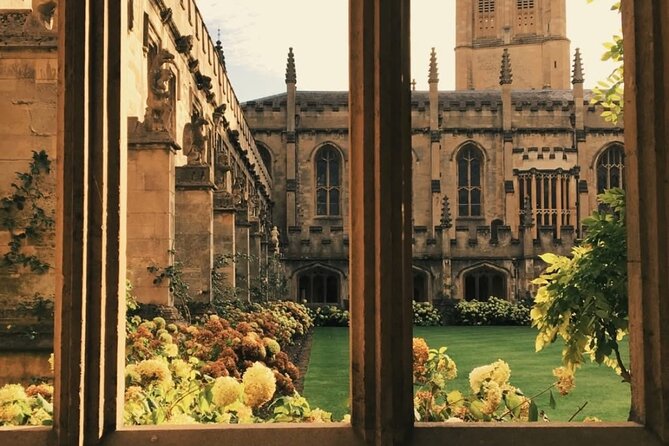
The schedule is built around quick introductions: several stops are about five minutes, and others run closer to 10 minutes. That pacing helps you cover more ground and see variety in architecture and story themes.
But here’s the honest tradeoff. If you’re someone who wants to sink into silence and just watch light move across courtyards, this format may feel too fast. Think of it as the best way to learn the lay of the land—then return later for deeper exploring.
A smart strategy: pick one college that you genuinely want to re-visit. When you find it, remember what you learned during the stop, and use your second visit to look for those specific details again.
Who This Oxford University Tour Suits Best

This tour is ideal for history buffs and architecture lovers who want a guided storyline instead of endless reading. It’s also a strong gift idea because the duration is clear, the theme is focused, and it covers both college life and recognizable Oxford landmarks.
You’ll get the most out of it if you like:
- Understanding the people behind institutions, not just the buildings
- Seeing how religion, education, and patronage shaped Oxford
- Getting a quick but structured overview of multiple iconic colleges
It may be less ideal if you want a slow, single-college deep dive. In that case, you’ll probably prefer a longer tour focused on one college, chapel, and garden at a time.
Quick Practical Tips Before You Go
- Wear comfortable shoes. This is a walking route through central Oxford.
- Keep your eyes up as much as your feet. A lot of the value is in architecture cues.
- Bring one question you care about. The guide’s answers help the information stick.
- Use the mobile ticket and keep it ready. It’s meant to make check-in smoother.
- If you’re sensitive to weather, plan layers. The route is mostly walking.
Also note: service animals are allowed, and the tour is described as suitable for most travelers.
Should You Book This Oxford University Tour?
I’d book it if you want an efficient, guided introduction to Oxford’s university world with real access to colleges and a route that hits major landmarks. The small group size and the mix of founding stories, architecture, gardens, and ceremony-focused sites make it a strong first Oxford university experience—especially if you’re short on time or you prefer learning with a guide rather than doing it all alone.
Skip it only if you’re craving long indoor exploring time at one place. This tour is built for coverage and context, not for lingering for hours in every courtyard.
FAQ
How long is the Oxford University Tour?
It runs for about 1 hour 30 minutes.
What time is the tour and where do we meet?
The meeting point is St Michael at the North Gate, Cornmarket St, Oxford OX1 3EY, UK, and the tour ends back at the meeting point.
Is this tour a small group?
Yes. It’s limited to just ten participants, and it’s a private tour for your group.
Do I need a printed ticket?
No. The tour uses a mobile ticket.
Are college admissions included?
Admission is marked as free for several stops (Jesus College, Exeter College, Balliol College, Trinity College, Radcliffe Camera, and Sheldonian Theatre). Keble College and St John’s College have admission included.
Can I cancel for free?
You can cancel for a full refund if you cancel at least 24 hours before the experience’s start time.