REVIEW · POOLE
Poole: Walking Tour of Historic Poole
Book on GetYourGuide →Operated by Poole Tours · Bookable on GetYourGuide
Poole’s past walks right beside you. This Historic Poole walking tour turns a simple town stroll into a timeline, with a live guide named Kate leading you from medieval beginnings to stories like smuggling and seafaring finance, starting at 19 High Street. You get a slow, readable pace that makes it easy to keep up and actually take in the details.
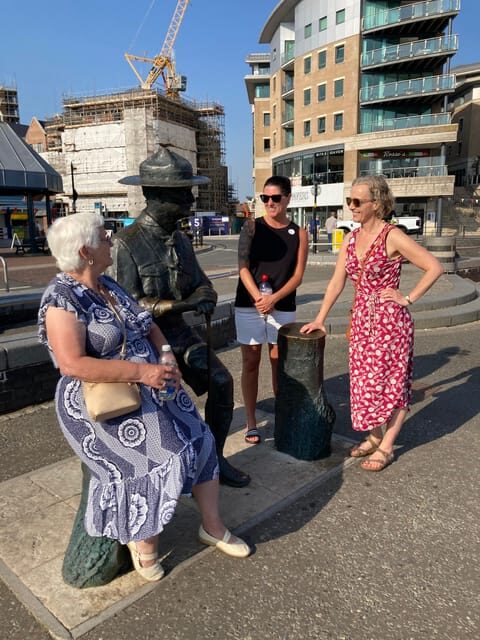
What I like most is the way the guide anchors big themes to specific spots—like the Lord Baden Powell statue, where you learn about Brownsea’s Viking connection. I also really appreciate how the tour connects places you may already pass by (like the inland streets) to coastal changes and dramatic episodes tied to pirates and raids.
One drawback to plan for: it’s a walking tour with no planned breaks, so you’ll want comfortable shoes and weather gear. Two hours can feel long if you arrive unprepared.
In This Review
- Key highlights you’ll remember
- Starting at 19 High Street, where the story begins
- Is $20 good value for a 2-hour historic Poole walk?
- The Lord Baden Powell statue and Brownsea’s Viking thread
- The Woolhouse: splitting the building to understand trade
- Poole’s oldest Almshouse and the medieval streetlamp
- From Iron Age to reclaimed coastline: seeing Poole in layers
- The Spanish raid and Harry Paye: pirate stories with local anchors
- Newfoundland codfish and smuggling tunnels that still exist
- Pace, weather, and how to make the walk comfortable
- Who this tour fits best (and who might want something else)
- Should you book this Poole historic walking tour?
- FAQ
- How much does the Poole walking tour cost?
- How long is the tour?
- Where do I meet the guide?
- Is the tour in English?
- Is the tour wheelchair accessible?
- Does the tour include planned breaks?
- Is there a shorter option if I can’t do the full route?
- How do I choose a starting time?
- Can I cancel for a refund, and can I pay later?
Key highlights you’ll remember
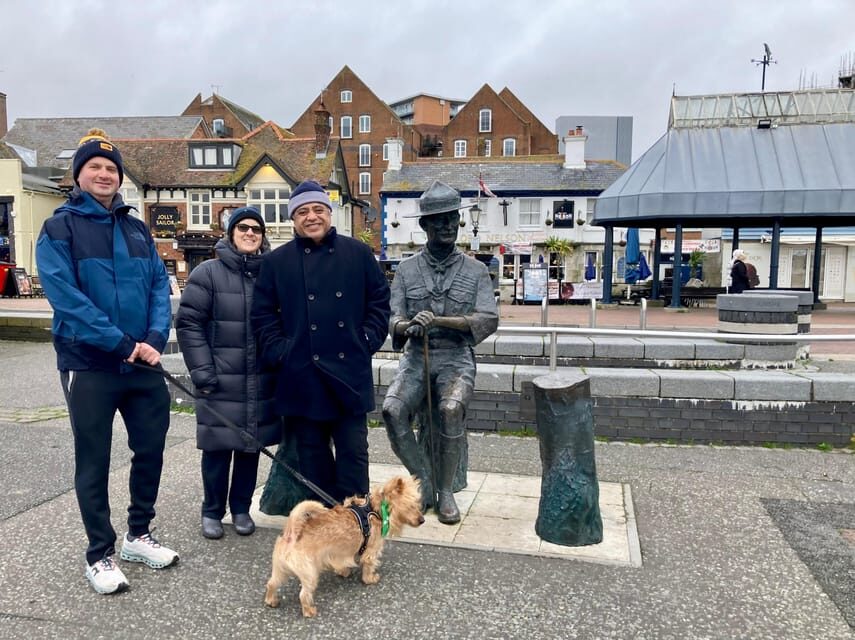
- Lord Baden Powell statue meets Brownsea Viking links: a surprising thread that makes the island story feel local, not distant
- The Woolhouse split into two buildings: you’ll look at architecture like a clue, not just a backdrop
- Poole’s oldest Almshouse streetlamp: spotting a medieval-style street feature is the kind of payoff history tours should deliver
- Coastline reclaimed stories: you learn how the shoreline you see today was shaped by older choices
- Spanish attack, Harry Paye, and coded local legends: the pirate angle is grounded in place
Starting at 19 High Street, where the story begins
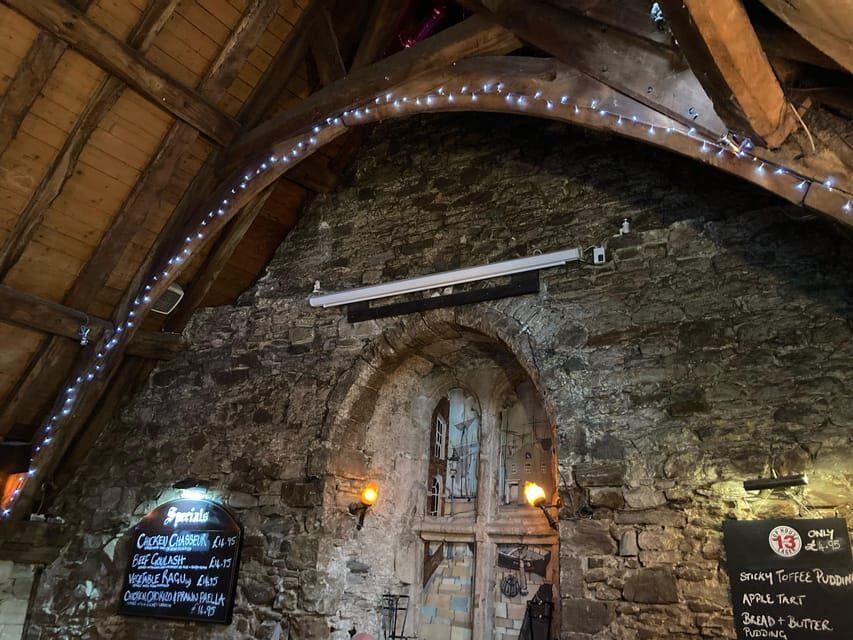
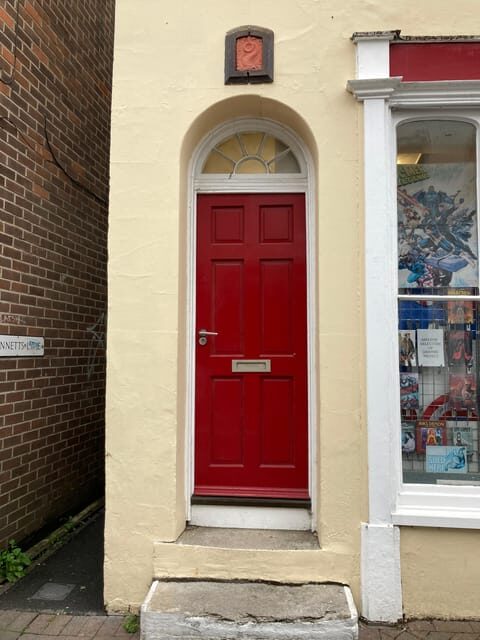
The tour’s meeting spot is easy: look for the Red Door on the left at 19 High Street. From there, Kate builds the walk around one key idea: Poole didn’t start with one event, and it isn’t only a quay town. It’s a layered place, with roots reaching back to the Iron Age and Roman connections, then later turning into the Crusade-era town story you hear about with Sir William Longspee.
It also helps that this is a slow walking tour. The main route lasts about two hours, mostly on level pavement, so you’re not doing a fitness test mid-story. If you’re visiting Poole for the first time—or you’ve been before but mostly stuck around the waterfront—this format helps you “get your bearings” fast.
I like that the tour stays practical. You’re not expected to jump between distant areas with transit tickets or complicated timing. You’re also not left guessing what you’re looking at; you get a guided reason for why each stop matters.
You can also read our reviews of more tours and experiences in Poole.

Is $20 good value for a 2-hour historic Poole walk?
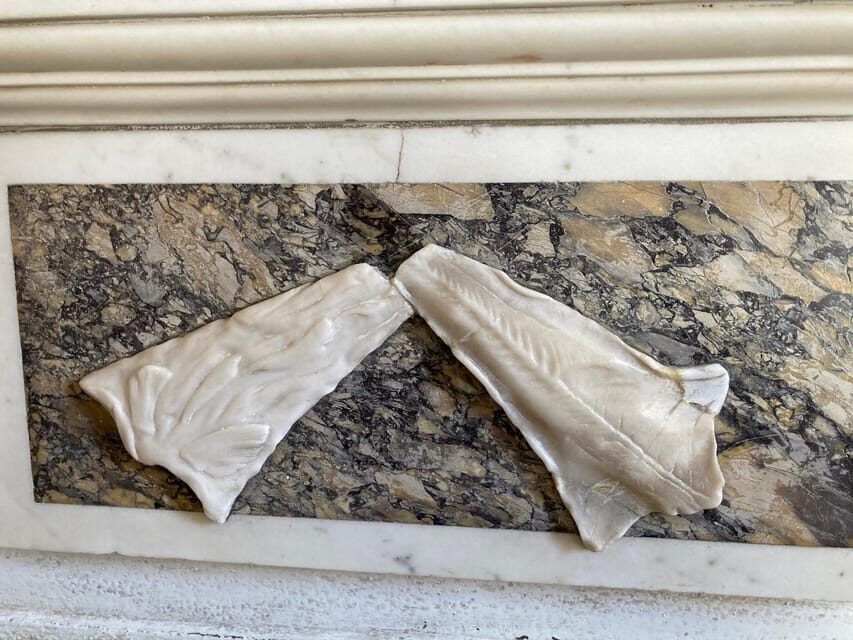
At $20 per person for a live, English-language guided tour, this feels fair for what you get: a structured route, an energetic guide, and a lot of story density per stop. It’s not a museum ticket where you’re mostly on your own. You’re paying for someone to connect the dots across centuries.
The best value comes from the way the tour tackles everyday geography—streets, buildings, and small features. If you’ve ever wandered Poole’s center and thought, I’m seeing buildings, but what are they actually telling me, this is designed to fix that. The walking pace also matters for value: it respects people who want to look closely, not just move quickly.
If you’re on a tight schedule, the tour still works. It’s one day, it’s about two hours on the main route, and a shorter version can be requested. So you can match the tour to your energy level.
The Lord Baden Powell statue and Brownsea’s Viking thread
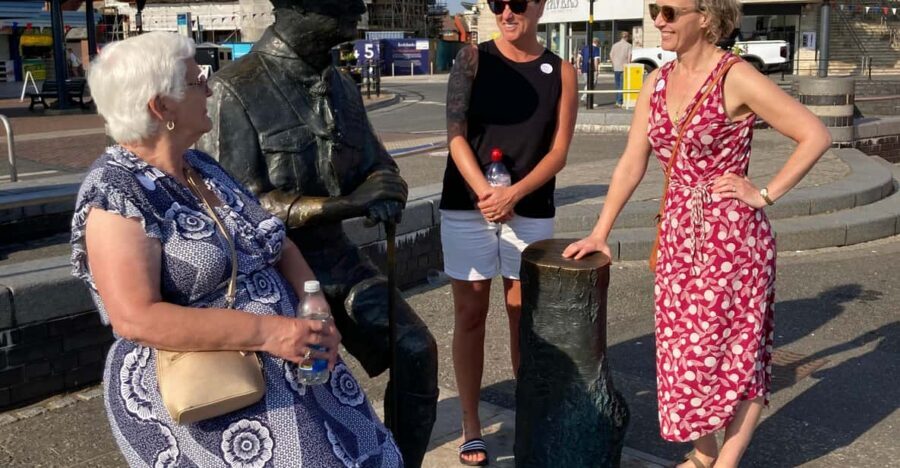
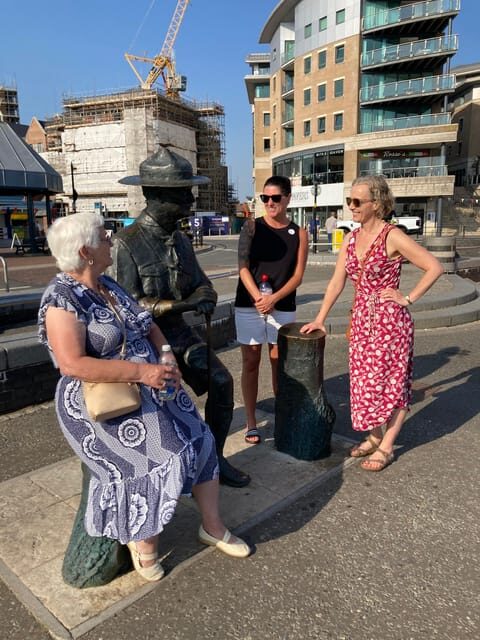
One of the tour’s most memorable stops is the Lord Baden Powell statue. This isn’t just a photo moment. You’ll learn about Brownsea’s Viking connection, and the point isn’t to turn Poole into a random trivia list. It’s to show how stories travel through places that are linked by water, time, and local memory.
Why this matters for you: when a guide can connect a name on a statue to a specific regional story, it changes how you read the town afterward. You start seeing Poole as part of a network of islands, coasts, and maritime routes. Even if you don’t plan a day trip to Brownsea, the connection helps you understand why the area’s history keeps resurfacing in different forms.
As a bonus, this stop also gives you a mental pause in the walk. You can regroup, look around, and picture what that landscape might have looked like long before the modern streets took shape.
The Woolhouse: splitting the building to understand trade
Next up is the Woolhouse, and the tour gives you a detail that makes architecture feel like evidence. You’ll learn how the Woolhouse was split into two buildings, which is the kind of practical information that helps you understand how trade and work were organized.
If you’ve ever passed older buildings without knowing what they were used for, this is where the tour clicks. The Woolhouse isn’t presented like an abstract monument. It’s presented as a working structure that reflects business needs and changes over time. Once you know it was split, the building stops being just a shape and becomes a record of how people handled goods, space, and operations.
This is also a great stop if you like social history. You’re not only chasing kings, crusades, and pirates. You’re learning how real work shaped the town. That mix is one reason people rate this tour so highly.
Poole’s oldest Almshouse and the medieval streetlamp
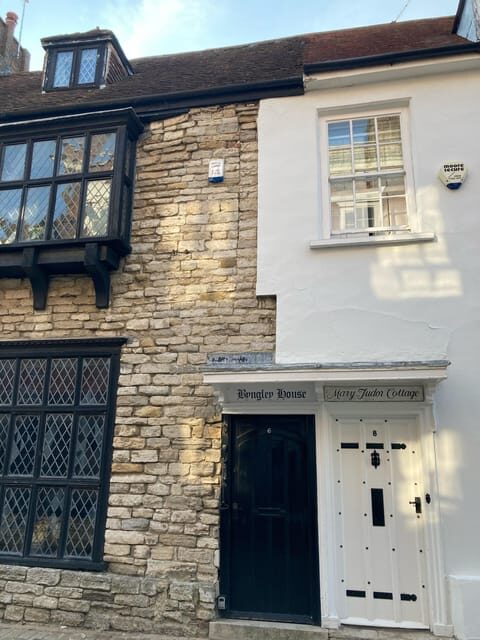
Another standout moment comes with a medieval-style street feature on Poole’s oldest Almshouse. Yes, you’ll actually hunt for a streetlamp. It’s the kind of stop that makes you slow down on purpose, because your eyes have something concrete to find.
For me, this is where a guided walk turns into a more personal experience. When you’re instructed to look for a specific thing, you start noticing the surrounding details too: street lines, building age cues, and how the town’s “old” elements sit inside the newer shape of Poole.
Why it’s valuable: features like this are easy to miss when you’re on your own. With a guide like Kate, you get both the physical pointer and the story explanation, so you leave with a stronger mental map than a quick glance would provide.


From Iron Age to reclaimed coastline: seeing Poole in layers
The tour stretches beyond individual buildings and into the big shifts that changed what you see today. You’ll hear how Poole’s coastline has been reclaimed, which is a major idea for a coastal town. That one concept alone helps you understand why the present shoreline doesn’t always match the past.
The town’s origin story also gets a clear setup. Poole is described as being founded in 1248, when Sir William Longspee sold land to the citizens to cover costs for a Crusade. But the tour quickly reminds you that Poole has a longer runway than that date—back to the Iron Age and with Roman connections.
This approach is useful for you because it prevents history from feeling like disconnected chapters. Instead, it feels like cause and effect: geography shapes settlement, settlement shapes wealth, and wealth shapes buildings.
If you like turning “I’ve heard that before” into “I finally get it,” this part of the walk does the job.
The Spanish raid and Harry Paye: pirate stories with local anchors
Poole doesn’t just get a gentle history lesson. The walk includes darker episodes, including where the town was attacked by the Spanish, looking for the pirate Harry Paye. That’s a dramatic hook, but what makes it work is that it’s tied to place rather than floating as a random legend.
Why you’ll like this section: pirate lore can be fun, but it also becomes forgettable if it isn’t anchored. Here, the guide uses the town’s layout and older landmarks to keep the story grounded. You’ll start to understand how coastal towns like Poole could be targets, trade hubs, and rumor engines all at once.
Also, the Spanish raid mention helps balance the tour. You’re not only hearing about peaceful growth and economic building. You’re seeing how conflict and risk influenced what a coastal community had to manage.
Newfoundland codfish and smuggling tunnels that still exist
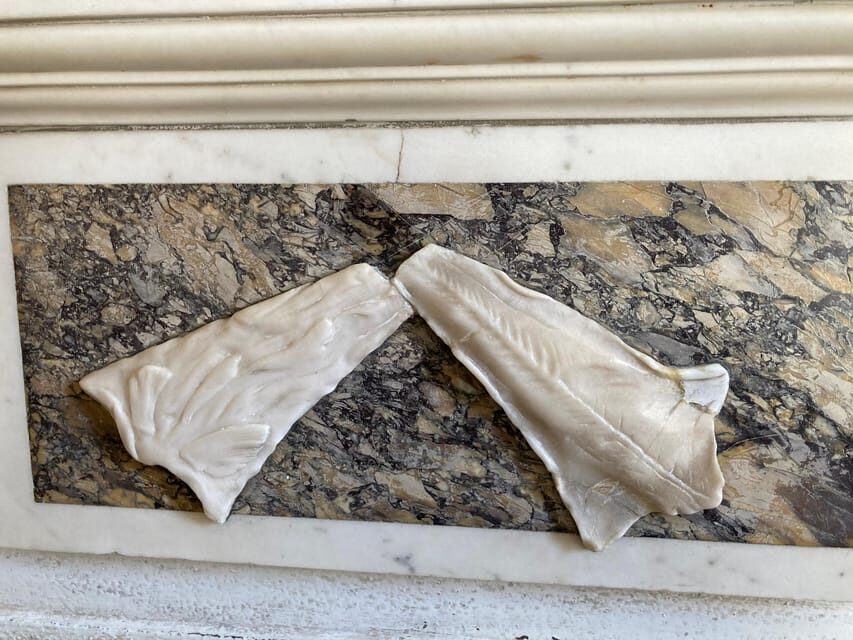
One of the most interesting story threads is money coming from far away. You’ll hear how codfish from Newfoundland helped pay for one of Poole’s transformations. That’s the kind of detail that makes a town feel connected to the wider world, even centuries ago.
Then comes the smuggling angle. You’ll learn where smuggling tunnels still exist, which turns “smuggling” from a generic word into something you can imagine physically in the town. That’s a big reason this tour scores well: it gives you images you can carry back to the street after the walk ends.
A practical way to enjoy this section: keep your eyes up and around, not just on the ground. When you hear about tunnels or reclaimed coastal ground, look at how streets rise, where older buildings sit, and how the town’s shape might have guided movement.
If you’re the type who likes local secrets, this is the part that will stick with you.
Pace, weather, and how to make the walk comfortable
The main tour runs for about two hours at a slow walking pace. It’s on mostly level pavement and is wheelchair accessible. A shorter tour is available on request, which is a real plus if you’re traveling with limited mobility or you just don’t want to commit to the full duration.
The big “plan ahead” issue is simple: it’s a walking tour without planned breaks. So you’ll want to wear comfortable shoes and dress for the weather. Even in wet, windy conditions, Kate is reported to keep the tour going—so don’t assume bad weather automatically means you’ll get a different plan.
If you want an easy day, pair this tour with a relaxed afternoon. This kind of guided history works best when you still have energy to wander on your own afterward, using what you learned to guide where you look next.
Who this tour fits best (and who might want something else)
This is a strong match if you want:
- A clear, guided introduction to historic Poole in a short time
- A mix of maritime stories and everyday building detail
- An easy pace and an route on mostly level ground
- A guide who can connect big themes—crusades, piracy, trade—to real places
It may be less ideal if you’re looking for lots of sitting time or hands-off sightseeing. Since there are no planned breaks, you’ll want to be comfortable moving continuously for roughly two hours.
Families can often do well here too, especially with a curious group and kids who like spotting features. You’ll also appreciate the structure if you like learning in a guided format instead of wandering and guessing.
Should you book this Poole historic walking tour?
Yes, if you’re after value, clarity, and story-to-place connections in one day. At $20, you’re paying for a focused guided experience that covers everything from iron-age roots and Roman links to coast changes, the Harry Paye pirate thread, and smuggling tunnels you can still picture in the town. And the consistent praise for Kate’s delivery and pace suggests the tour is easy to follow, even when group size is small.
I’d book it especially if you want to go beyond the quay. Poole has plenty of views, sure, but this walk helps you understand why the town looks the way it does and how centuries of trade and trouble shaped the streets.
If you prefer shorter outings, ask about the shorter tour option. And if weather or stamina is a concern, plan your clothing and shoe choice like you mean it.
FAQ
How much does the Poole walking tour cost?
It’s priced at $20 per person.
How long is the tour?
The main tour lasts about two hours, with a slow walking pace.
Where do I meet the guide?
Meet at 19 High Street, and look for the Red Door on the left.
Is the tour in English?
Yes, the live guide speaks English.
Is the tour wheelchair accessible?
Yes, the tour is wheelchair accessible, and it’s mostly on level pavement.
Does the tour include planned breaks?
No. It’s a walking tour without planned breaks, so wear comfortable shoes.
Is there a shorter option if I can’t do the full route?
Yes, a shorter tour is available on request.
How do I choose a starting time?
You can check availability to see starting times for your chosen day.
Can I cancel for a refund, and can I pay later?
You can cancel up to 24 hours in advance for a full refund, and you can reserve now and pay later.