REVIEW · BATH
BATH: 2-Hour Bath Walking Tour of Bridgerton Filming Locations
Book on Viator →Operated by Bath Walking Tours · Bookable on Viator
Bridgerton in Bath, on foot. This 2-hour walking tour strings together filming locations from more than 70 scenes, then puts them in their Georgian-world context as you stroll some of Bath’s most iconic streets and landmarks.
I love that you’re not just looking at pretty buildings—you’re getting photo-ready stops and a guide who keeps the pace moving so you actually capture the spot as seen on screen. I also love the Bridgerton-meets-Bath balance: you’ll get behind-the-scenes style trivia while learning why Bath looks so convincing for early-1800s aristocratic life.
One thing to consider: this is a real walking route with inclines, cobblestones, and grass or gravel sections. If mobility is tight, you’ll want to think carefully about footwear and stamina before you book.
In This Review
- Key Things You’ll Notice on the Walk
- Why Bath Works So Well for Bridgerton
- Abbey Churchyard to Abbeygate Street: The Show Opens, Then Gets Specific
- Bath Street’s Columns and the Carriage-Screen Feeling
- Saw Close and Beaufort Square: Theatre-Area Scenes You’ll Start Recognizing
- Royal Crescent and No. 1 Royal Crescent: When Georgian Looks Become Featherington
- Assembly Rooms and Guildhall: Ballrooms and Civic Buildings (Without Extra Tickets)
- Holburne Museum: Lady Danbury’s Home and Your After-Tour Options
- Price and Value for a Small Group
- What the Walking Route Feels Like in Real Life
- Who Should Book This Bridgerton Bath Tour
- Should You Book This Bridgerton Filming Locations Tour?
- FAQ
- How long is the Bath Bridgerton walking tour?
- Where does the tour start and end?
- Is admission to attractions included in the tour price?
- What language is the tour offered in?
- What is the group size limit?
- Is this tour suitable for wheelchairs or limited mobility?
- Can I cancel and get a full refund?
Key Things You’ll Notice on the Walk
- 70+ filmed locations tied to specific scenes, not random sightseeing
- Bridgerton trivia at the stops, so your brain stays switched on
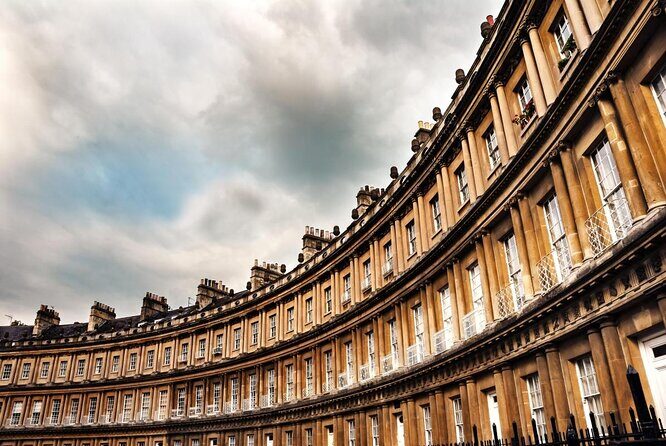
- Royal Crescent and No. 1 Royal Crescent stops that explain how the look of the Featherington home was created
- Photo breaks at key points, with guides helping people get the shot
- Georgian social life settings like ball venues and grand civic buildings
- Ends at Holburne Museum, with time to keep going on your own
Why Bath Works So Well for Bridgerton
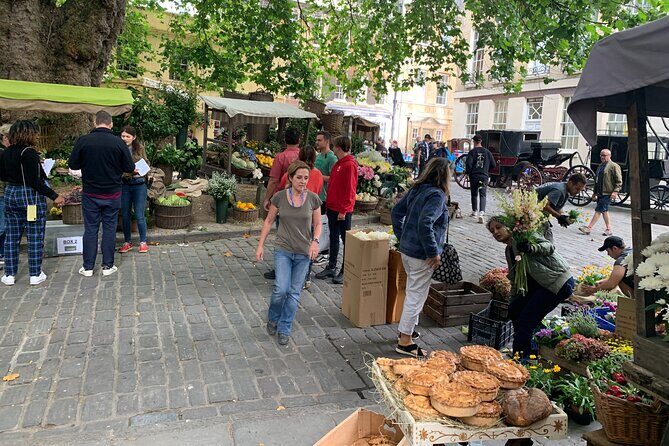
Bath already has the camera-ready look of the Regency era: clean stone façades, elegant crescents, and streets that feel built for drama. This tour leans into that strength by moving you through the city like a guided scene change, so you start spotting how the show’s world maps onto real stone and real street corners.
You’re also getting a different kind of travel payoff. Instead of one landmark after another, you get a story: where characters might meet, where big moments happen, and why certain settings feel believable on screen. A great guide makes the connections easy, and guides here often bring a folder of filming-reference photos and help with positioning for couple photos, which is a small detail that turns into a big memory.
You can also read our reviews of more walking tours in Bath

Abbey Churchyard to Abbeygate Street: The Show Opens, Then Gets Specific
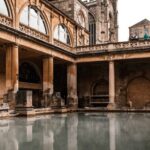
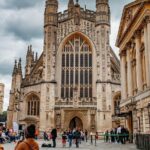
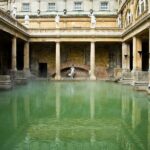
Your walk starts at Abbey Churchyard, right at Abbey St, with Bath Abbey as the anchor view. The guide gives you a quick orientation so you understand the shape of Bath and how the camera would “frame” the location. From here, you’re set up to see the area around the Roman Baths and the Pump Room from the outside, with no ticket pressure—just context and orientation.
This matters because Bath can feel slightly “all together” unless someone helps you connect dots. Once you’re oriented, the later stops make more sense: you’re not only seeing locations, you’re learning how the show uses Bath’s built-in grandeur.
Then you move to Abbeygate Street, a scene spot tied to the first series. You’ll spend more time here than you might expect on a two-hour tour, which is a hint that this stop carries real storyline weight. Expect the guide to break down what the location contributes to the moment and why the characters’ impact feels amplified in a space like this. If you’re the kind of viewer who pauses to re-watch scenes for the background, you’ll like this stop a lot.
Bath Street’s Columns and the Carriage-Screen Feeling
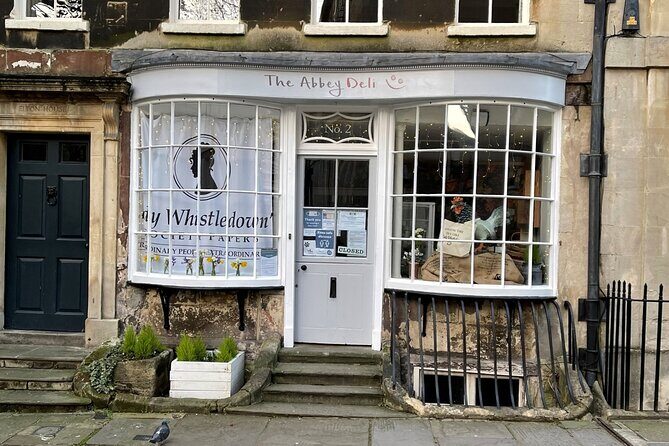
Next comes Bath Street, famous for being the only colonnaded street in Bath. That architectural feature is exactly why it photographs so well, and the tour uses that fact in a practical way: you hear how the street served for Bridgerton-style street and carriage filming.
What you’re looking for here is the rhythm of the façades and the way the columns guide the eye. Even if you don’t remember the exact shot, you can start seeing why the show used the location: it naturally creates depth, structure, and that polished “arrivals and departures” feeling you see in period drama.
This stop is short, so treat it like a focused photo and orientation moment. Wear shoes that work on city sidewalks; you’ll want your attention free to notice the lines and spacing the guide points out.
Saw Close and Beaufort Square: Theatre-Area Scenes You’ll Start Recognizing
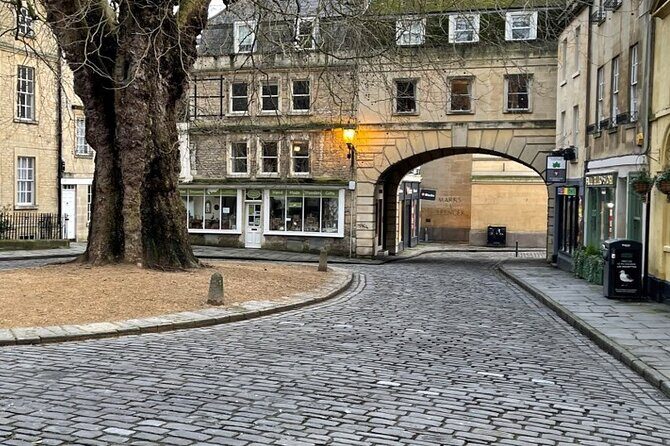
From Bath Street, you head into the theatre area with Saw Close and nearby Beaufort Square. This is one of the places where Bridgerton fans tend to go from I think I’ve seen it to Oh yes, that’s the spot.
The tour keeps this stop quick, but it packs in what counts: how these streets were used in multiple scenes, plus character-centered context tied to what you’ve watched. If you’ve got a strong memory for the show’s mood—who meets whom, what kind of conversation takes place—this is the kind of stop where the guide’s scene reminders can make the architecture feel like it has plot.
Even if you’re newer to the series, don’t worry. The tour doesn’t require you to know every episode detail. It’s designed to help you make connections fast, and the pace is built for that.
Royal Crescent and No. 1 Royal Crescent: When Georgian Looks Become Featherington
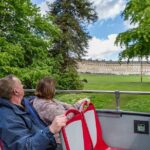
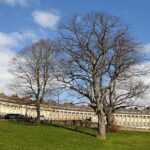
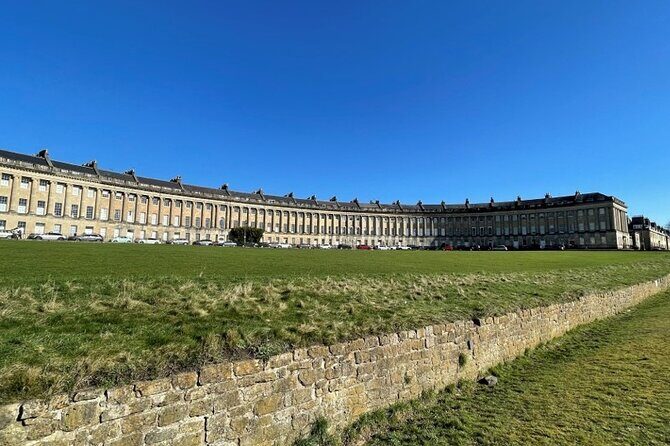
No Bath walkthrough feels complete without the Royal Crescent, and this tour makes it a centerpiece. You’ll spend time at the Royal Crescent and then move into a stop connected to No. 1 Royal Crescent, which is where the tour really leans into the “how did they make this look” question.
The Royal Crescent is the first crescent built in the United Kingdom, and the guide uses that fact to connect the architecture to the show’s sense of status and spectacle. This is the stop where the street view becomes a costume change in your mind: the crescent isn’t just pretty; it’s built for hierarchy, for grand entrances, and for scenes that want a little distance and drama.
Then comes the No. 1 Royal Crescent stop, tied to the Featherington Family home look. The tour focuses on how the filming design and Georgian techniques support the illusion, so you can see why the home feels right on screen. You’re not only absorbing the exterior. You’re picking up an eye for what makes a period set believable: scale, detail, and the way a façade reads from a distance.
This is also a good moment to take a slow look before you keep walking. Stand where the guide suggests, then scan the curve of the crescent. You’ll notice how easy it would be for a camera to frame the entire “world” in one shot.
A few more Bath tours and experiences worth a look
Assembly Rooms and Guildhall: Ballrooms and Civic Buildings (Without Extra Tickets)
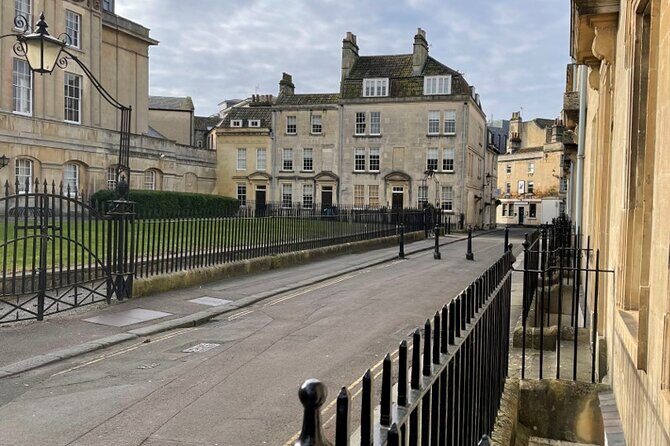
The walk continues with places tied to public life and social gatherings. First up is the Assembly Rooms, a key location for Georgian public balls and central to Georgian society. In Bridgerton, ball settings aren’t just parties; they’re plot machines. The tour helps you see the connection between the building’s purpose and the kinds of scenes the show likes to stage here.
One practical note: admission is not included for this stop. That means you’re enjoying the setting from the outside or as part of the walking route, not paying to go inside as part of the scheduled time. If you want to enter later on your own, you can plan that after the tour.
Next is the Guildhall. Today it’s an administrative center, but it was also the setting for a lavish ball in the series. This stop is a nice reminder that many historic buildings shift roles over time but keep their character. From a photo perspective, it also gives you a break from crescents—something sturdier, more civic, still perfect for period staging.
Holburne Museum: Lady Danbury’s Home and Your After-Tour Options
The tour ends at the Holburne Museum at Bathwick. This is the on-screen home of Lady Danbury, so it’s both a satisfying finale and a logical place to linger.
The guided portion gives you the connection to the show’s world, then you’re free to decide what you want next. Since admission isn’t included in the tour price, you can treat this like a choose-your-own-adventure moment: if you love museums and want more Georgian-style viewing, you can go in. If you’d rather snack and relax, that’s an option too—there’s a café on site where you can sample cakes, and you can plan the rest of your afternoon around that.
There’s also a very Bath-style follow-up: Sydney Gardens, described as the only remaining Georgian Vauxhall. If you want a gentle landing after two hours of walking and scene-spotting, this is a smart way to transition from TV drama to real outdoor Bath.
Price and Value for a Small Group
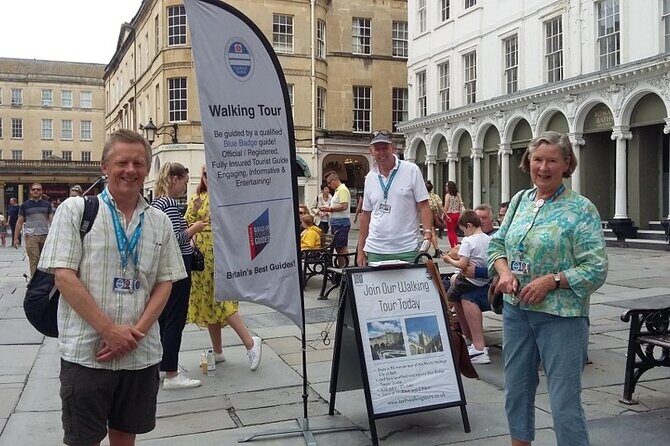
This tour costs $312.51 per group, sized up to 15 people, and lasts about two hours. That pricing setup can feel steep if you compare it to solo museum tickets, but it’s easier to understand when you treat it like a private guide for a small party.
For value, look at three things you’re paying for:
- A guide who connects multiple filming locations into a single coherent route
- Time at the most important stops—like the longer attention paid to Abbeygate Street and the time at Royal Crescent
- Extras that reduce friction, like help with photo positioning and reference photos during the walk
It also helps that the tour includes a Blue Badge Tourist Guide, which signals professional guiding standards. And because no paid attractions are entered during the tour, you avoid the feeling of being herded through places where you still have to pay for access.
One more practical detail: the tour is often booked around 67 days in advance on average. If you have a specific day in mind, don’t wait until the last minute just because Bath always looks inviting on a calendar.
What the Walking Route Feels Like in Real Life
This is not a sit-down tour. Even though it’s only about two hours, you’ll cover multiple spots across Bath with real street surfaces. Based on what guides do well, the pace is managed for group flow, but you still need to be ready for cobblestones and uneven ground in places.
Stamina-wise, the route makes sense for most visitors—especially if you’re comfortable doing a typical city walk at an easy-to-moderate pace. But if you’re dealing with limited mobility, this is where you should pay attention. One reason the tour gets mixed feedback from some guests is that it’s not designed for wheelchair-style access, and the walk can involve inclines plus grass or gravel sections.
If you’re bringing kids, a slower group, or anyone with knee or ankle issues, I’d choose footwear that grips well and consider whether you can handle short bursts of uneven ground without stopping.
Who Should Book This Bridgerton Bath Tour
I think this tour is a great fit if:
- You’re a Bridgerton fan who wants locations you can actually identify later from memory
- You like your sightseeing with a story, not just a list of sites
- You enjoy Georgian-era context, especially when it connects to how British social life looked in the early 1800s
It’s also a nice option if someone in your group hasn’t watched Bridgerton. Several guides can keep the city history and filming context balanced, so you get Bath even if you don’t know every character.
Should You Book This Bridgerton Filming Locations Tour?
Yes, if you want a tight, high-payoff walk that mixes Bridgerton scenes, Bath’s Georgian architecture, and photo stops without turning your afternoon into a ticket-shopping chore. The ending at Holburne Museum is especially good because you can keep the momentum going with the museum or a café break.
Skip it or plan carefully if mobility is limited. The walk includes inclines and uneven surfaces, and it’s not built around wheelchair access. If you’re on the fence, you’ll likely feel most confident booking if you can handle a couple hours of steady walking with short pauses.
If you’re going, bring comfortable shoes and a curious mind. Bath’s stone city and the show’s polished drama line up really well once you’re walking the same streets.
FAQ
How long is the Bath Bridgerton walking tour?
The tour runs about 2 hours.
Where does the tour start and end?
It starts at Abbey Churchyard, Abbey St, Bath BA1 1LY, UK, and ends at Holburne Museum, Bathwick, Bath BA2 4BZ, UK.
Is admission to attractions included in the tour price?
No entry fees are included. The tour does not enter attractions during the walking portion, and some stops also note that admission tickets are not included.
What language is the tour offered in?
The tour is offered in English.
What is the group size limit?
The tour has a maximum of 16 travelers.
Is this tour suitable for wheelchairs or limited mobility?
The route includes inclines, cobblestone, and grass or gravel paths, so it may not work well for wheelchair users or guests who need fully accessible surfaces.
Can I cancel and get a full refund?
Yes. Free cancellation is available up to 24 hours in advance for a full refund.