REVIEW · LONDON
Royal Observatory & Prime Meridian and Cutty Sark
Book on Viator →Operated by National Maritime Museum · Bookable on Viator
Greenwich has a way of making time feel physical. This day pass hits two UNESCO-linked hits in one go: the Royal Observatory (Prime Meridian/GMT zone) and the restored Cutty Sark, plus a couple more heavyweight stops nearby. It’s a small-group ticketed day that saves you the hassle of hunting down entry times one site at a time.
I like that it gives you a tight plan without trapping you in a schedule. You get admission to major places that are easy to miss if you only do London’s usual checklist: the Meridian line experience at the Observatory and the chance to walk the Cutty Sark deck area.
One thing to watch: this is a lot of walking with stairs. Reviews also flag that some famous add-ons at the Royal Naval College area (like Painted Hall) are not included, so set expectations and spend your energy on the four included sites.
In This Review
- Key things to know before you go
- A Greenwich day plan that actually makes sense
- Royal Observatory Greenwich: the Prime Meridian, plus clocks that explain the world
- Cutty Sark: walking the tea clipper and seeing the ship up close
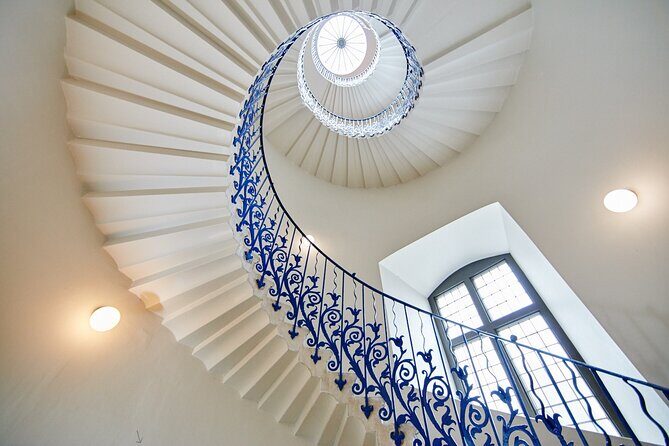
- Queen’s House: Inigo Jones and a classic building that feels calm
- National Maritime Museum: the world-class size that can swallow a day
- How the pass works: pre-booked entry, then you run the day
- Price and value: what you’re really paying for
- Getting to Greenwich: use public transit, and consider the river
- Practical pacing tips so you don’t burn out
- Who this day pass is best for
- Should you book this Royal Observatory, Prime Meridian, and Cutty Sark day pass?
- FAQ
- What attractions are included in the pass?
- How long should I plan for this experience?
- What time does the experience start?
- Is this tour guided?
- Do I need to buy separate tickets for all four stops?
- Is transportation included between the attractions?
- Do I get a mobile ticket?
- Is the experience offered in English?
- What’s the policy if weather is poor?
- Can children enter for free?
Key things to know before you go

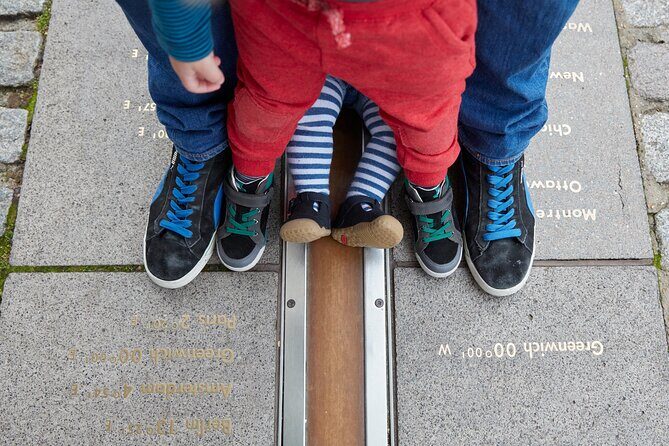
- Prime Meridian photos: You’ll stand on the Meridian line in Greenwich—great for quick, memorable pictures.
- Cutty Sark from the inside and under the hull: The view under the copper hull is one of the most memorable parts.
- You’re mostly self-guided: This pass is about pre-booked entry; you’ll explore each site on your own.
- Museums here can be easy to overestimate: Plan for walking time, stair time, and museum pacing.
- Planetarium events may need extra planning: If you want a show, check reservations early since they can sell out.
- Good weather matters: If conditions are rough, the experience may be rescheduled.
A Greenwich day plan that actually makes sense
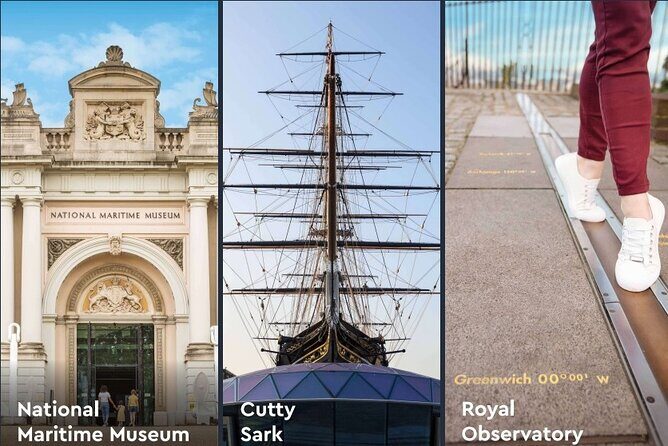
If you’re short on time in London but want something that feels more real than a museum slideshow, Greenwich is a strong move. This pass focuses on maritime and timekeeping themes in the same neighborhood. You’re not bouncing across the city for “one quick stop.” Instead, you’re building a coherent day around how the world navigates—by sea and by the clocks that helped ships keep their bearings.
The starting time is 10:00 am, and the whole experience runs about 3 to 8 hours depending on your pace. With a maximum of 9 travelers, it stays simple: you’re not squeezed into a giant herd, and you can spend more time where you care most.
Just know the practical deal: transportation isn’t included. You’re responsible for getting between sites, and you’ll be walking. The upside is freedom. The downside is stairs and hills.
You can also read our reviews of more tours and experiences in London.



Royal Observatory Greenwich: the Prime Meridian, plus clocks that explain the world
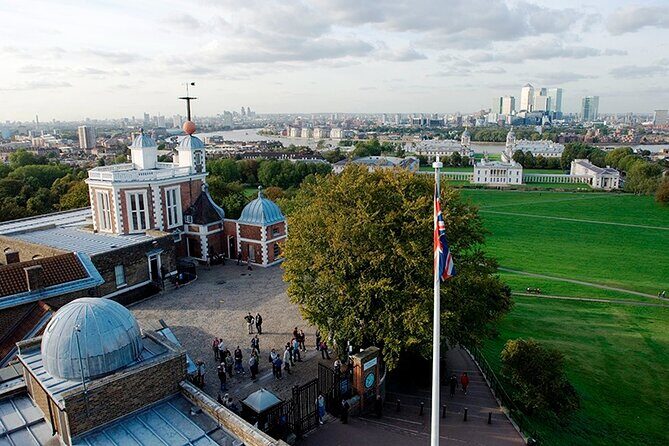
This is the anchor stop, and it’s easy to see why. The Royal Observatory Greenwich is where you can stand on the Meridian line, the home of Greenwich Mean Time (GMT). Even if you’re not a science person, it’s hard not to feel the importance of a place that helped set standards for navigation.
What I like here is the mix of big ideas with physical objects. You’re surrounded by timekeeping and astronomy themes, and the Peter Harrison Planetarium adds another layer if you want that format. Reviews call out interest in John Harrison’s clock story—his work on solving the longitude problem is a major reason people get hooked on the Observatory.
The drawback is physical. Reviews warn about stairs across the different sites, and the Observatory area also involves a climb into Greenwich Park. Plan for it. If you’re pushing a lot uphill, I’d rather you arrive with a slower start than try to “speedrun” the day and then spend the afternoon tired.
Quick practical tip: if you can, prioritize Observatory/meridian first. That way you’re fresh for the climb and you can grab photos while you still have energy.
Cutty Sark: walking the tea clipper and seeing the ship up close
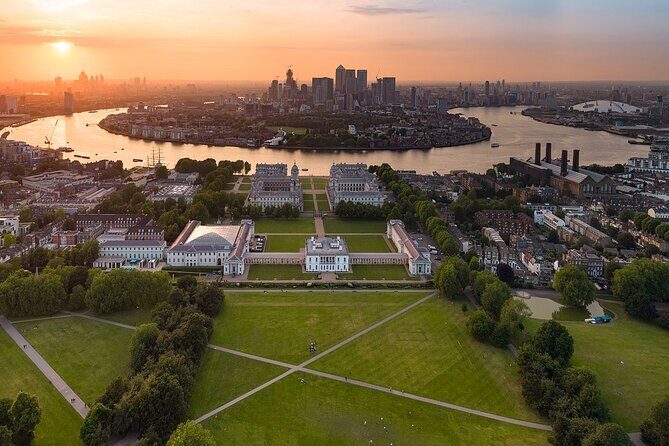
Next is the Cutty Sark, a national icon and the world’s sole-surviving tea clipper. This stop is often the favorite because it’s not just exhibits behind glass. You can come aboard and get a sense of scale—how the deck layout and hull design shaped sailing performance.
The most striking moment for many people is walking beneath the copper hull. It gives you a perspective you don’t get with most ship models. You’re literally under the ship, looking up at something built to cross oceans. That contrast—museum calm on the outside, real ship structure underneath—makes it feel like time travel.
I also like that it works for different ages and interests. If you’re traveling with kids, this is the more hands-on-feeling stop. If you’re traveling as an adult, you still get the design and engineering appeal. The Cutty Sark story is strongly connected to global trade and the speed race of the era, and it’s easier to picture than a textbook description.
One watch-out: this day is active. Even if you love ships, you’ll still be climbing stairs and moving around. Bring water and build in rest breaks. Reviews also recommend using a nearby café option at the Observatory area, which is a smart move if you want a calmer lunch rather than hunting for food while your group is hungry and cranky.
Queen’s House: Inigo Jones and a classic building that feels calm

The Queen’s House is Britain’s first classical building, designed by Inigo Jones. That sentence sounds like something from a textbook, but the experience is more human than it reads. This stop is about architecture and art in a controlled, bright setting—less about crowds and more about looking closely.
What you’ll notice quickly is that it’s not a stuffed museum maze. The experience is built around spaces and artwork, and the building’s design helps guide your attention. Reviews mention it as a place where you’ll spend time with the art more than with large historical displays.
A potential drawback: if you’re traveling with little kids, this may feel less interactive than Cutty Sark. Reviews point out it’s a lot of artwork and history, and it may not be the easiest “hands-on” sell for younger children. It’s still worth it, but I’d put it on your route as a slower, calmer break—not the place to sprint.
Tip for pacing: if you want a smoother flow, you can view this as a reset stop between the ship and the big maritime museum.
National Maritime Museum: the world-class size that can swallow a day
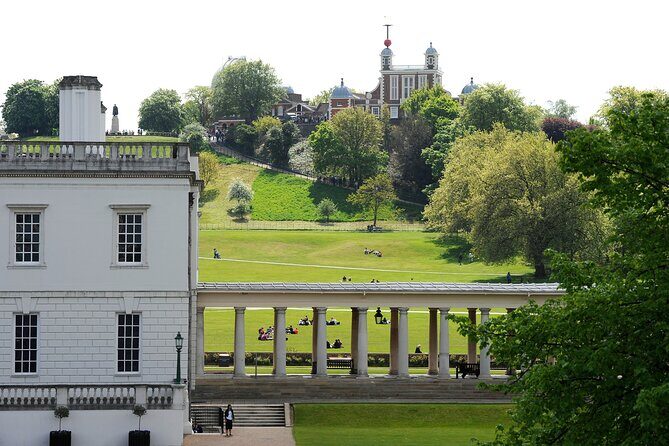
The National Maritime Museum is massive—described as the largest museum of its kind. This is where the big stories of exploration and seafaring come together. It’s also where you can lose track of time if you’re the kind of person who reads every placard.
The upside is variety. You’ll find epic stories tied to navigation, exploration, and the kind of work that shaped the modern world. It appeals to adults, but reviews also say it’s very kid friendly, which makes sense in a museum this broad.
The key consideration is scope. Even if you only plan two hours, you might feel pulled in multiple directions. One review notes that more than one visit would be needed to see everything—so don’t set yourself up for disappointment. Choose your priorities before you walk in, or accept that you’ll do a “best of” sweep.
Also pay attention to timing within your day. If you’re already climbing stairs at the Observatory and Cutty Sark, you may want to move at a gentler speed here, take breaks, and then decide whether to keep going or stop early.






How the pass works: pre-booked entry, then you run the day
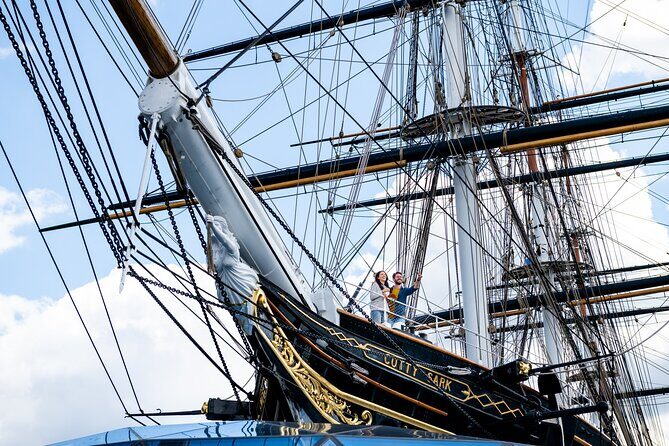
This is not a classic guided tour where one person talks the entire time. You’re on your own for most of the experience. The value is that you get advanced tickets to the included sites, which helps you spend less time dealing with queues and more time actually looking.
That’s why the “self-guided” part matters. You’ll want a simple strategy for order and pacing:
- If the Observatory requires a climb for you, go earlier.
- If Cutty Sark is the top priority, don’t bury it deep into the afternoon.
- Save the museum for when you have enough stamina to wander.
Group size is capped at 9, but in practice your experience may feel like shared timing rather than shared guiding. That’s good for flexibility. It’s also why you should come ready with comfy shoes.
If you like planning ahead, this is one of the best London day concepts: a neighborhood where the sites are tightly connected by theme, not distance across town.
Price and value: what you’re really paying for
The price shown is $53.86 per person, and the pass includes entry to:
- Royal Observatory Greenwich
- Cutty Sark
- Queen’s House
- National Maritime Museum
Transportation between stops is not included. So the real question is: does this ticket save you money versus buying entries separately?
Here’s the honest way to think about it. In this Greenwich cluster, at least some sites can be free to enter on their own (with exceptions for guided tours and special exhibitions). That means the pass isn’t automatically the cheapest path for every traveler. One review specifically points out that museums like the National Maritime Museum and Queen’s House can be free, which affects perceived value if you only wanted the main ticketed highlights.
So I’d judge value based on your priorities:
- If you care most about Prime Meridian and Cutty Sark, and you’d otherwise buy those separately, the pass often feels fair.
- If you mainly want to wander through the free parts at museums, you might feel you paid too much for what overlaps with free entry.
The main value advantage isn’t just money. It’s reduced friction: pre-booked entry for the ticketed experiences you most likely want.
Getting to Greenwich: use public transit, and consider the river
Greenwich is reachable without stress from central London. One review mentions an easy route using the Circle line to Blackfriars, then the train to Greenwich. That’s practical advice if you’re starting from an area served by the Circle line.
Also consider using the river route if your schedule allows. Reviews recommend taking a ferry or using a water taxi approach to reach the area. That’s not just scenic—it can also save time when streets get packed.
Once you’re in Greenwich, expect walking between sites. This day is designed for people who can handle a few hours on their feet.
Practical pacing tips so you don’t burn out
This pass is packed, and the most common problem isn’t the ticket—it’s energy.
Based on what people report here, I’d plan around:
- Stairs: multiple sites involve stairs, and some areas feel steep.
- Bring water: it sounds basic, but it matters when you’re moving around Greenwich Park.
- Use cafés as checkpoints: reviews praise café stops near the Observatory and in the Greenwich area, which is smart. Eat before you hit the hungry-and-tired stage.
For a smoother day, start with the Observatory/meridian, then head to Cutty Sark, then slow down with Queen’s House, and end with the National Maritime Museum while you still have the stamina to wander.
Who this day pass is best for
This is a great fit if you want a coherent, theme-based day without crossing London every hour.
Best matches:
- Families who want a mix of maritime history and a ship you can board
- Travelers who like science/technology themes (timekeeping, navigation, clocks)
- Anyone who wants a UNESCO-linked day in one compact area
It may be less ideal if:
- You hate stairs or long walking
- You’re looking for a fully guided, narration-heavy experience
- You’re mainly interested in the Royal Naval College art wing, since some major extras aren’t included in this pass
Should you book this Royal Observatory, Prime Meridian, and Cutty Sark day pass?
If your must-sees are the Prime Meridian and Cutty Sark, I think this booking is worth serious consideration. The combination of timekeeping at the Observatory and the up-close ship experience at Cutty Sark is exactly the kind of “one day, big meaning” trip that makes Greenwich special.
Book it if you want:
- Pre-booked entry that reduces queue hassle
- A practical way to cover several key Greenwich attractions in one go
- A small-group day with the freedom to move at your pace
Skip or think twice if:
- You’re very budget-driven and know you can rely on free museum entry for part of the route
- Your group struggles with stairs and uphill walking
- You want specific Royal Naval College inclusions that aren’t part of this set of stops
FAQ
What attractions are included in the pass?
It includes entry to the Royal Observatory, Cutty Sark, Queen’s House, and the National Maritime Museum.
How long should I plan for this experience?
Expect about 3 to 8 hours, depending on how much time you spend at each stop.
What time does the experience start?
The start time is 10:00 am.
Is this tour guided?
This experience is mostly self-guided once you arrive. The main value is advanced tickets to the included attractions.
Do I need to buy separate tickets for all four stops?
Your ticket provides admission to all included attractions, though some parts of the wider area (like certain museum offerings) may have exceptions.
Is transportation included between the attractions?
No. Transportation to, from, or between attractions is not included.
Do I get a mobile ticket?
Yes, it’s provided as a mobile ticket.
Is the experience offered in English?
Yes, it’s offered in English.
What’s the policy if weather is poor?
It requires good weather. If it’s canceled due to poor weather, you’ll be offered a different date or a full refund.
Can children enter for free?
Children under age 4 are free to enter the attractions, and children must be accompanied by an adult.