REVIEW · LONDON
Small Group Cotswolds Villages, Stratford and Oxford Day Tour from London
Book on Viator →Operated by The English Bus · Bookable on Viator
A perfect day trip starts with smart pacing. This one strings together Shakespeare’s Stratford, picture-perfect Cotswolds villages, and an Oxford walking tour in an efficient 11½-hour loop with a luxury minicoach. I love the small group feel (max 15) and how the day is kept moving without feeling frantic, plus the standout Oxford walk guided by your leader. The main thing to weigh is the length of the day and the fact that several stops are short, so you’ll want to be okay with quick highlights.
You’ll ride in a Mercedes minicoach with air-conditioning, bottled water, and fully commentated guiding—so you’re not just hopping between postcards. I also like that you get both viewpoints and context: a guided drive through Stratford and a walking tour in Oxford that helps you understand what you’re actually looking at. One possible drawback: Holy Trinity Church and some sights can have timing quirks, including closures at short notice, and winter darkness can catch you if you’re visiting later in the afternoon.
If you want local-sounding England (stone villages, lanes, river views) without the hassle of trains and transfers, this tour is built for you. Just bring decent shoes for uneven ground and plan for a long sitting day on the road—then enjoy the frequent breaks when you’re out exploring.
In This Review
- Key Things You’ll Notice on This Tour
- Price and What You’re Actually Paying For
- London to the Countryside: The Mercedes Minicoach Advantage
- Stratford-upon-Avon: Shakespeare Town With a Guided Drive First
- Shakespeare’s Birthplace and Holy Trinity Church: Two Stops, Two Speeds
- Cotswolds Country Lanes: Why This Part Feels Less Like a Checklist
- Stow-on-the-Wold Market Square: Short Break, Real Town Feel
- Bibury: The Village Most People Dream About
- Arlington Row: The Famous Cottages Photo Line That Actually Works
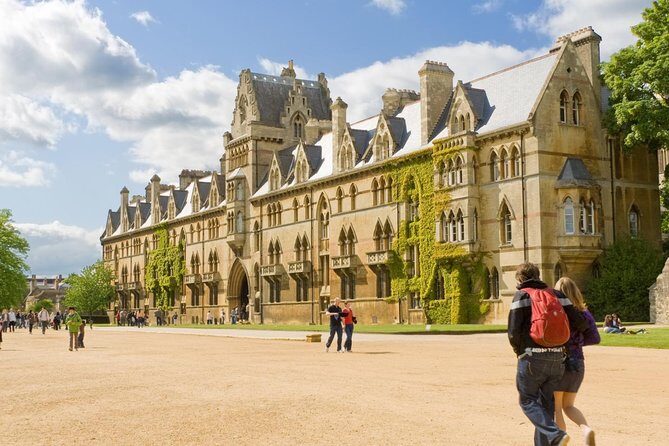
- Oxford University Highlights: Walking Tour That Helps You See the Place
- Radcliffe Camera: The View People Come For
- Bodleian Library: A Quick Hit at One of Europe’s Old Libraries
- Guides and Group Size: The Difference Between Seeing and Getting It
- Timing Reality Check: What Can Feel Tight (and How to Prepare)
- What to Pack So the Day Feels Easy
- Who Should Book This Tour
- Should You Book the Small Group Cotswolds, Stratford and Oxford Day Trip?
- FAQ
- How long is the tour?
- What’s included in the price?
- Are tickets included for Shakespeare’s Birthplace and Oxford’s major buildings?
- How much free time do I get in Stratford and Oxford?
- Is there walking involved?
- What are the Cotswolds stops like?
- Can the tour accommodate a range of ages?
- How large is the group?
- Does it run in bad weather?
Key Things You’ll Notice on This Tour

- Max 15 travelers, not a big bus scene: easier conversation and better stop handling.
- Mercedes minicoach comfort: air-conditioning plus practical on-board perks like phone charging (on some departures).
- Stratford with a guide-led drive: you get orientation fast before you start walking.
- Cotswolds villages in a tight route: Stow-on-the-Wold, Bibury, and Arlington Row get real time.
- Oxford on foot, with highlights explained: Radcliffe Camera and Bodleian views are timed for impact.
Price and What You’re Actually Paying For
At about $199.64 per person for an 11½-hour day, you’re paying for transportation, a guide who talks the whole way, and a designed route that minimizes backtracking. The included basics matter more than you might think on a long day: round-trip coach from central London, bottled water, and air-conditioned comfort. You’re also not stuck figuring out where to stand for the best views—your guide does that part.
Admissions are mostly handled by your stops, with just a couple of notable exceptions. Shakespeare’s Birthplace is optional (extra cost), and entry tickets aren’t included for places like the Bodleian and Radcliffe Camera. That’s a fair setup: you can choose whether you want to go inside or keep your time focused on the outside sights and photo moments.
If you were to do this DIY—train to Stratford, transfers to the Cotswolds, then onward to Oxford—you’d spend time and energy that this tour replaces with a smooth route. The price is most “worth it” if you value not planning and want the day to feel guided.
You can also read our reviews of more tours and experiences in London.



London to the Countryside: The Mercedes Minicoach Advantage
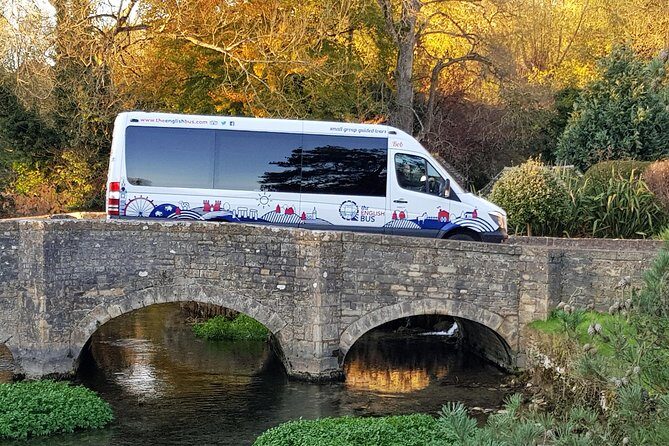
This tour runs as a true day circuit: you start with two pickup points in London and head out in a luxury Mercedes minicoach. The smaller size (up to 15 people) is a big deal here. Narrow country lanes and village roads don’t always play nice with giant buses, and a smaller vehicle helps the route feel more like real countryside driving than a forced highway crawl.
On the comfort side, you’re in an air-conditioned vehicle with bottled water. One of the most practical perks from the experience is the mention of phone charging on board for at least some departures—helpful when you’re using maps, taking photos, and running low on battery in cold or overcast weather.
And because it’s fully commentated, you’re never just staring out the window. You get context on place names, what to expect at the next stop, and stories along the way. That’s the hidden value in a long day: your “travel time” becomes part of the experience.
Stratford-upon-Avon: Shakespeare Town With a Guided Drive First
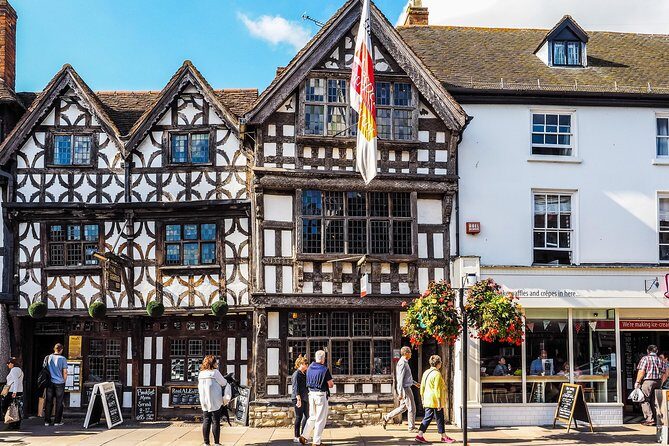
Stratford-upon-Avon is where the day’s theme turns serious—then fun. You’ll start in the town with time to wander streets, pop into shops and cafes if you want, and walk along the River Avon area. Even without going inside anything, Stratford gives you instant atmosphere: old stone, bookish corners, and plenty of signage that makes the Shakespeare connection obvious.
What I like most is the guided orientation drive. Before you’re on your own, you’re told where the historic features are and how the town layout “reads.” That helps you get your bearings fast, instead of spending your free time just trying to find the main sights.
You’ll also get a mix of perspectives on the Shakespeare link—places connected to his family and the setting that made Stratford the kind of town people still associate with him. There’s a short stop at Henley Street, plus time to consider whether you want to go further into the birthplace story.
Shakespeare’s Birthplace and Holy Trinity Church: Two Stops, Two Speeds

This day handles Shakespeare in two different ways: optional house entry and a meaningful church visit.
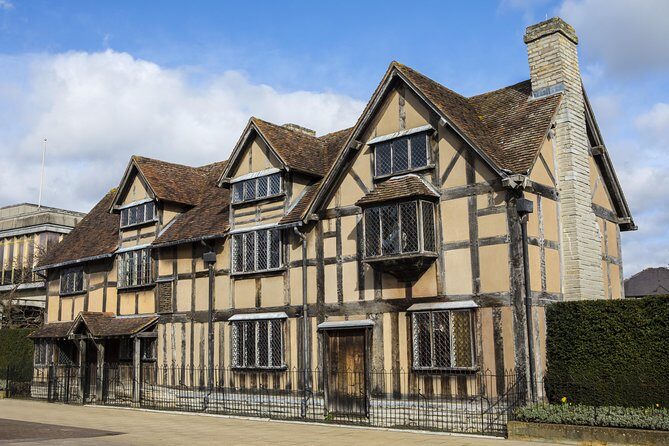
Shakespeare’s Birthplace is your choice. You have a set stop with time to enter the home where he was born in 1564, but the ticket is not included. If you love context and want the history to feel hands-on, it’s a good add-on. If you’d rather spend time outside, it’s also easy to skip without breaking the flow of the day.
Next comes Holy Trinity Church, where Shakespeare is buried alongside family members. This stop is short but it hits the emotional point of the story. You’ll have the chance to see Shakespeare’s grave, but remember this is a working church. It can close at no notice, so don’t treat this like a guaranteed locked-in moment—go in with a flexible mindset.
If you’re a Shakespeare fan, this pairing works well because it contrasts the start of his life (birthplace, optional entry) with the final resting place (burial grounds, time-boxed but powerful).
Cotswolds Country Lanes: Why This Part Feels Less Like a Checklist
After Stratford, you’ll head into the Cotswolds countryside. The route is timed so you get real driving time through the lanes—rolling green hills, hedgerows, and the small villages that make people fall in love with England.
The tour keeps you in the Cotswolds long enough to feel like more than a quick stop-and-snap. You enter the region roughly 20 minutes after leaving Stratford and stay in it until around 20 minutes before reaching Oxford later in the afternoon. That matters because the scenery doesn’t just pass by; it’s part of how the day transitions from Shakespeare to everyday English life.
Inside the Cotswolds, you stop at a market square and then move on to villages that are famous for good reason.






Stow-on-the-Wold Market Square: Short Break, Real Town Feel
Stow-on-the-Wold is built for wandering. You get time at the historic market square, which is the kind of place where it’s easy to find a seat, grab tea, and people-watch while you take in the stone buildings. Even if you’re not buying anything, the square gives you a calm reset between longer village sightseeing.
This stop is also useful strategically. You’re not stuck in a single-theme “tourist attraction” bubble—you’re in a working-feeling town center with cafes and local shops.
Bibury: The Village Most People Dream About
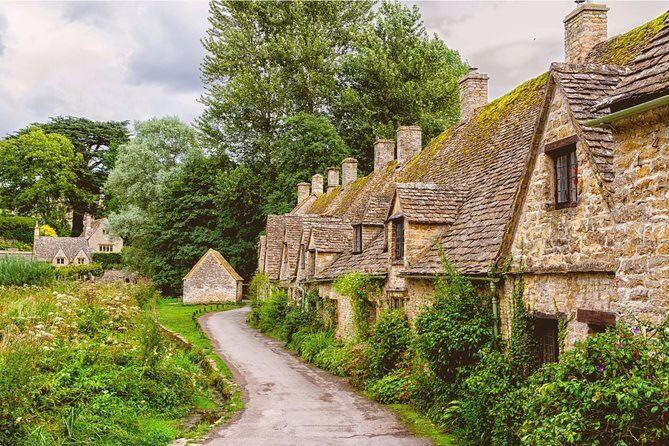
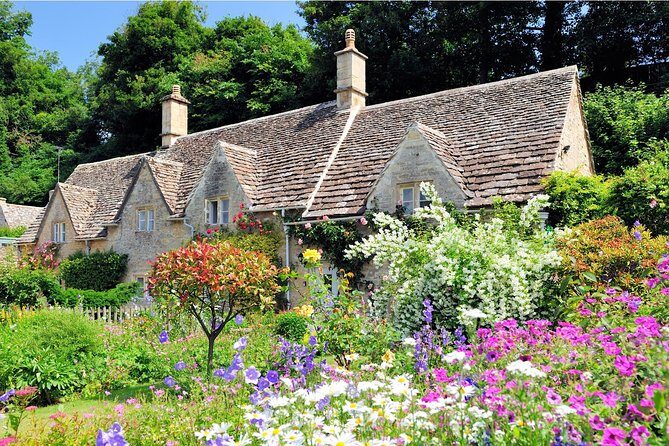
Bibury is the Cotswolds star most visitors have heard about. You’ll visit with time to explore and photograph, with special attention on its classic stone cottages and the stream that runs through the village.
Bibury is also described as having a trout-filled brook running right through the heart of the village. That detail gives you something more than just architecture to look at—it adds motion, texture, and that slightly storybook feeling that made the village famous in the first place.
If you’re traveling with someone who cares about photos, Bibury is where you’ll agree on shots fast.
Arlington Row: The Famous Cottages Photo Line That Actually Works
Arlington Row is the standout lane view. This is the famous row of stone cottages built in the 14th century, and your time here is specifically short so you can focus on the best angle and lighting.
You’ll admire the row from the right vantage points, take photos you’ll actually keep, and move on without turning this into a long wait-and-shuffle. The stop is quick enough that crowds usually don’t ruin it—though, like anywhere famous, expect a popular vibe.
Oxford University Highlights: Walking Tour That Helps You See the Place

Oxford is where the day can shift from sightseeing to understanding. You’ll have time to explore Oxford with a guided walk that’s planned around the university’s best-known scenes and stories.
Your guide leads a walking tour (about 45 minutes) covering highlights and giving context about the English-speaking world’s oldest university and the characters tied to it over centuries. This is the part that tends to be the highlight of the day for many people because it helps the city make sense fast: you start recognizing why certain buildings matter and how the university’s culture shaped the streets around it.
You also get a longer window in Oxford (about two hours total at this stage), which is key. It means you can keep moving without feeling trapped in the guide’s pace. If you want to step back from the group, grab a coffee, or simply watch students cross a courtyard, you have the breathing room.
Radcliffe Camera: The View People Come For
Radcliffe Camera is one of Oxford’s most recognizable domed scenes. You’ll get a dedicated stop for a breath-taking view in Radcliffe Square. It’s not a long stop, but it’s timed so you can appreciate the building’s shape and get photos that don’t feel rushed.
This is a good spot for quick planning too. If you know you want the classic angle, arrive ready and stay focused—there’s not time to wander the whole square before you lose your best moment.
Bodleian Library: A Quick Hit at One of Europe’s Old Libraries
The Bodleian Library gets a short visit with time to see one of Europe’s older libraries and its grand interiors from the outside. The important thing here is tempo. It’s a quick stop, and your day is already full—so this works best as a “yes, I was there” moment that complements the walking tour’s larger story.
If you’re the type who always wants to go inside museums and libraries, you’ll likely wish you had more time here. But as a day trip structure, it keeps your schedule balanced.
Guides and Group Size: The Difference Between Seeing and Getting It
One of the biggest strengths of this tour is how much personality your guide brings. On different departures, guides such as Jon, Cara, Lucy, Tony, Nolh, and Alex have led this route, and the common thread is that the day is explained, not just delivered.
I especially like the way guides personalize the experience when they can. For example, if you’re a Tolkien fan, your guide may mark spots on the Oxford map so you can connect the dots quickly. That kind of small customization is exactly what small-group touring can do better than mass departures.
The smaller group format also makes it easier to bond—especially for solo travelers. You’ll have a chance to hear each other’s questions, compare what you’re noticing, and not feel lost when the group moves.
And because the day is broken into short, structured stops—plus driving segments—the tour avoids the worst problem of long days: boredom on the bus and overwhelm on foot.
Timing Reality Check: What Can Feel Tight (and How to Prepare)
This is a long day. Even with smart pacing, you’re out for about 11½ hours. You’ll spend time sitting on the coach, then walking in short bursts on uneven surfaces. If you have mobility limits, plan carefully and choose footwear that won’t punish you on stone or cobblestone-like ground.
Also keep in mind that daylight varies fast by season. One caution: if you’re traveling in winter, Oxford can feel darker when you arrive, since the city’s hours don’t shift just because it gets dark early. The upside is that Oxford lighting can look amazing at night, so the darker timing isn’t automatically a problem—it just changes the vibe.
Finally, remember that Holy Trinity Church may close at no notice because it’s an active church. Don’t treat this as a guaranteed inside moment. If it closes, you’ll still have plenty of Stratford and Oxford time to anchor the day.
What to Pack So the Day Feels Easy
- Comfortable walking shoes for uneven ground.
- A small layer for weather. The tour runs in all weather, so you’ll want a jacket that can handle drizzle or cool temps.
- A bit of cash for small extras. One helpful tip from the experience: bring small change for bathroom use in a couple of places.
- Phone battery strategy. If your departure includes charging ports, great; if not, keep a power bank handy.
- Basic snacks for hunger. Food and drink aren’t included, and you’ll have short windows where you’ll either buy something or make do with what you brought.
Who Should Book This Tour
You should book if you want a single-day sampler that still feels human: Stratford for Shakespeare, Cotswolds villages for that classic English look, and Oxford for the university story. It’s also a good fit if you dislike the logistics of DIY travel and prefer that a guide handles timing and context.
You might skip if you need lots of long free time in just one place, or if you’re the type who only enjoys tours where every stop is fully ticketed and deeply inside-focused. This route is built around highlights and efficient sightseeing.
Should You Book the Small Group Cotswolds, Stratford and Oxford Day Trip?
Yes, if your goal is to see more of England’s storybook side without making a second travel plan. This tour’s value is in its small group size, comfortable coach, and a guided Oxford walk that turns famous buildings into something you understand, not just photograph.
My advice: go in with the mindset that you’re collecting great moments—some optional, some quick—then enjoy how the countryside drive ties it all together. If you’re prepared for a long day of short walks and coach time, you’ll likely come away feeling like you got the best parts of the region in one smooth package.
FAQ
How long is the tour?
The tour lasts about 11 hours 30 minutes.
What’s included in the price?
Round-trip travel by air-conditioned luxury Mercedes minicoach from central London, an experienced tour driver/guide, walking tours of Oxford, a panoramic driving tour of Stratford, bottled water, and fully commentated small group guiding.
Are tickets included for Shakespeare’s Birthplace and Oxford’s major buildings?
Shakespeare’s Birthplace is optional and not included. Admission tickets are also not included for Radcliffe Camera and the Bodleian Library.
How much free time do I get in Stratford and Oxford?
Stratford has a main block of time plus shorter stops, and Oxford includes time plus a 45-minute guided walking tour.
Is there walking involved?
Yes. The tour involves a moderate amount of walking, and you may encounter uneven surfaces.
What are the Cotswolds stops like?
You’ll drive through the countryside and then visit places such as Stow-on-the-Wold Market Square, Bibury, and Arlington Row, with short but dedicated time in each.
Can the tour accommodate a range of ages?
Minimum age is three years. Children under 18 must be accompanied by an adult.
How large is the group?
The maximum group size is 15 travelers.
Does it run in bad weather?
Yes. It operates in all weather conditions, so you should dress appropriately.